

📝 About the Author: Matthias


Tenerife is the largest of the Canary Islands – and also the most diverse. On this Tenerife road trip, you’ll discover black volcanic beaches, dense laurel forests, crater landscapes that look like the moon, and pine forests that are more reminiscent of California than a Spanish vacation island. Add to that historic towns in the interior and along the coast, as well as plenty of tourist highlights. In this article, I’ll show you the best way to explore the island by rental car and what you shouldn’t miss along the way. So, pack your hiking boots and your bikini and come along on an adventurous trip around the island.
Tenerife Road Trip Map
This map needs JavaScript. Every stop is also listed in the text below.
This road trip is packed with adventure and variety. From nature to culture to action, it has it all.
Broadly speaking, Tenerife can be divided into two regions:
- Northern Tenerife
- Southern Tenerife
A climatic dividing line runs between these two regions, which accounts for this classification:
- The southern part of Tenerife is very dry due to the constant sunshine; there are even some desert areas here. This region is best known for its beach resorts and is especially popular with families. It’s also home to most of the white-sand beaches. However, these are not natural; they have often been created by dumping sand from the Sahara.
- In the north, on the other hand, trade wind clouds often accumulate, leading to more precipitation, higher humidity, and, as a result, lush vegetation.
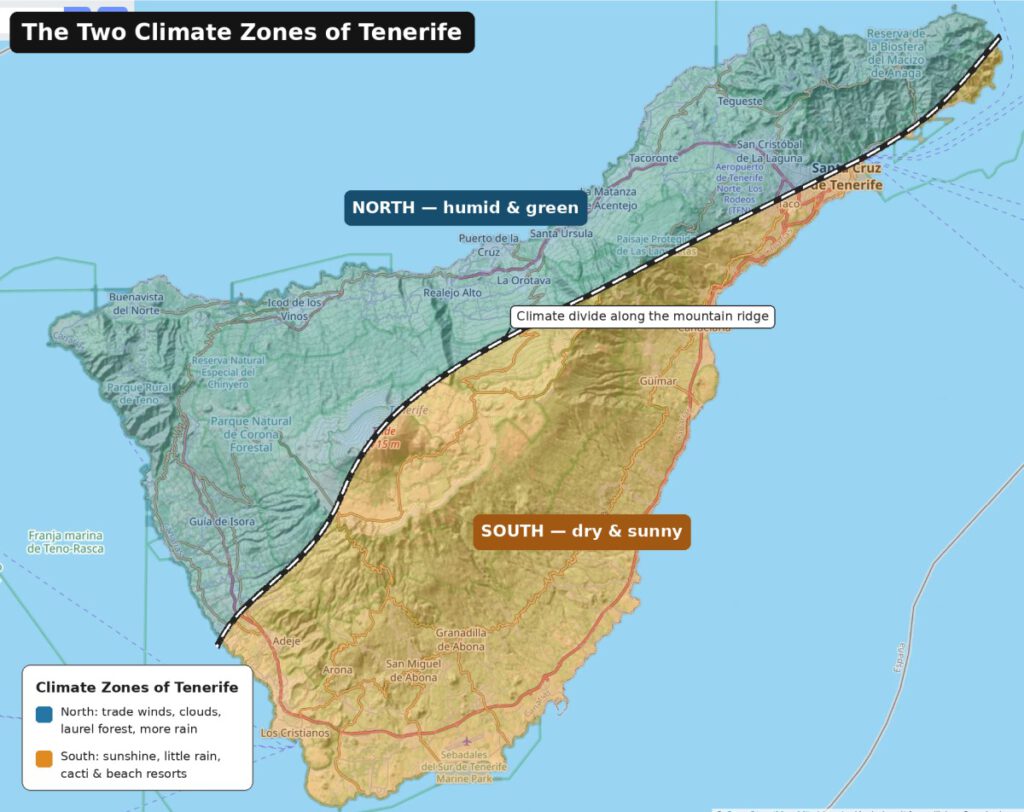
Strictly speaking, the dividing line is not a sharp boundary but rather a gradual transition along the mountain ridge, and above the cloud cover, the sun almost always shines in the north as well. In addition, various regions of the island have their own distinct microclimates.
This two-week road trip takes you all the way around the island, with a focus on the west and north. You’ll also explore a few areas in the tourist hotspots in the south, but I’ll show you places that are a little harder to reach and therefore attract fewer tourists.
I’ve planned the routes so that you’ll always spend several days in certain places, allowing you to explore the surrounding highlights at a more leisurely pace. In between, there are always travel days where you’ll discover other great places during your stops along the way.
One thing that’s always there on Tenerife is the still-active Teide volcano – at 3,715 meters, Spain’s highest peak. It’s located in the center of the island, and on this road trip, you’ll get to see all sides of Teide and, of course, visit it.
Overtourism in Tenerife
Many other tourists also know that Tenerife is beautiful. That’s why this destination often ends up on “no-go” lists due to overtourism. Between 6 and 8 million visitors come here every year. That’s more than the island can actually handle. In May 2025, tens of thousands of people took to the streets across all the Canary Islands under the slogan “Canarias tiene un límite.” It’s a reality that’s part and parcel of any visit to Tenerife.
Tourists are still important to Tenerife. About 40% of the island’s workforce is employed in this industry. So boycotting Tenerife isn’t a solution either. Still, as a visitor, there are things you can do to make your visit have a smaller environmental impact:
- Set out early or late to avoid the crowds.
- Travel during the off-season.
- Try to visit smaller towns rather than just the tourist hotspots.
- Save water, because drinking water is always in short supply throughout the Canary Islands.
- It’s better to shop at local businesses rather than big chains; that way, more money stays on the island.
- Follow the rules in protected areas – for example, stay on the trails, don’t take anything with you, and don’t park or camp in unauthorized areas.
Best Time to Visit Tenerife
Tenerife actually attracts tourists all year round. The busiest time is in the summer. However, because Tenerife is also a classic “winter getaway” destination, many visitors come to the island even during the cold season.
I was in Tenerife myself in February. Although there are fewer tourists here than in any other month, I still found some places to be very crowded. In the lesser-known regions, away from mass tourism, there were still a few great natural spots to explore. Especially in the cities, Carnival is celebrated quite enthusiastically at this time of year. There’s something going on somewhere almost every day. Santa Cruz de Tenerife, the capital, is even known for hosting one of the largest Carnival celebrations in the world.
Flights to Tenerife
Tenerife has two airports.
- One in the north: Tenerife North-Ciudad de La Laguna Airport (TFN)
- and one in the south: Tenerife Sur Airport (TFS)
Most flights land in the south, which is why the road trip described in this article starts there. However, if there’s an airport near you that only flies to the airport in the north, that’s no problem either.
Tenerife Road Trip by Rental Car
It’s worth exploring Tenerife by rental car. In my opinion, the best approach is to find accommodations in specific areas of the island for several days at a time and then take day trips by car from there. Between these areas, you’ll have individual travel days during which you can also make stops at great sights.
This Tenerife road trip is planned exactly the same way, and I found this to be the best way to travel around Tenerife because it offers the perfect balance of flexibility, relaxation, and adventure.
If you’re looking for an affordable rental car, I recommend Check24. I used it for my own road trip as well, selecting only offers that met Stiftung Warentest’s criteria and booking them with comprehensive insurance with no deductible, as well as additional coverage (glass, tires, underbody, roof). I always do this, and I recommend you do the same.
Compare rental cars in Tenerife right here:
Parking in Tenerife
When it comes to parking, the same color code applies in Tenerife as in the rest of Spain: White markings indicate free parking, while blue markings indicate paid parking (the so-called “zona azul”).
- If the light is blue, get a ticket from the machine nearby and place it in plain view behind the windshield – this usually applies only on weekdays during the day; in the evenings and on Sundays, you can often park there for free.
- A yellow line at the curb means no stopping; you should never stop there.
- You should expect parking to be tight, especially in Santa Cruz de Tenerife and San Cristóbal de La Laguna. In both cities, the old town is largely closed to cars, and the surrounding streets are narrow and crowded. The easiest option is to head to a parking garage or book accommodations that include a private parking space.
- Even at popular nature spots like Cruz del Carmen in Anaga or Masca, the few parking spaces are regularly full by noon. It’s best to arrive early in the morning or in the late afternoon.
Camping in Tenerife?
It’s definitely possible to travel around Tenerife in a campervan and spend the night in it. In fact, there are campgrounds and designated parking spots for this purpose all over the island. In the pine forests of the Corona Forestal in the north and west, at elevations of about 1,000 meters and higher, there are so-called “Zonas de Acampada.” With a free permit, you can stay overnight there in your campervan. You can obtain this permit here on the island government’s website.
Wild camping isn’t officially allowed, but many people do it anyway. If you’re unlucky, though, you could face a fine of up to 150 €.
You can rent RVs and campers from rental companies as well as from private individuals. Here are a few providers:
The Roads on Tenerife
In general, all towns on the island are well connected by the easily navigable, toll-free TF1 and TF5 highways and can be reached fairly quickly. The entire loop from Puerto de la Cruz to Los Gigantes takes only about 1.5 hours.
However, there are also more remote roads that, although paved, are sure to make the occasional driver break out in a cold sweat. First and foremost is the road to Masca. It’s a single-lane road, and you’ll have to share it with oncoming buses. In the Anaga Mountains, too, some of the roads are narrower than elsewhere.
If you’re not an experienced driver, I’d recommend skipping these roads and taking the bus or a guided tour to these places instead.
Accommodations in Tenerife
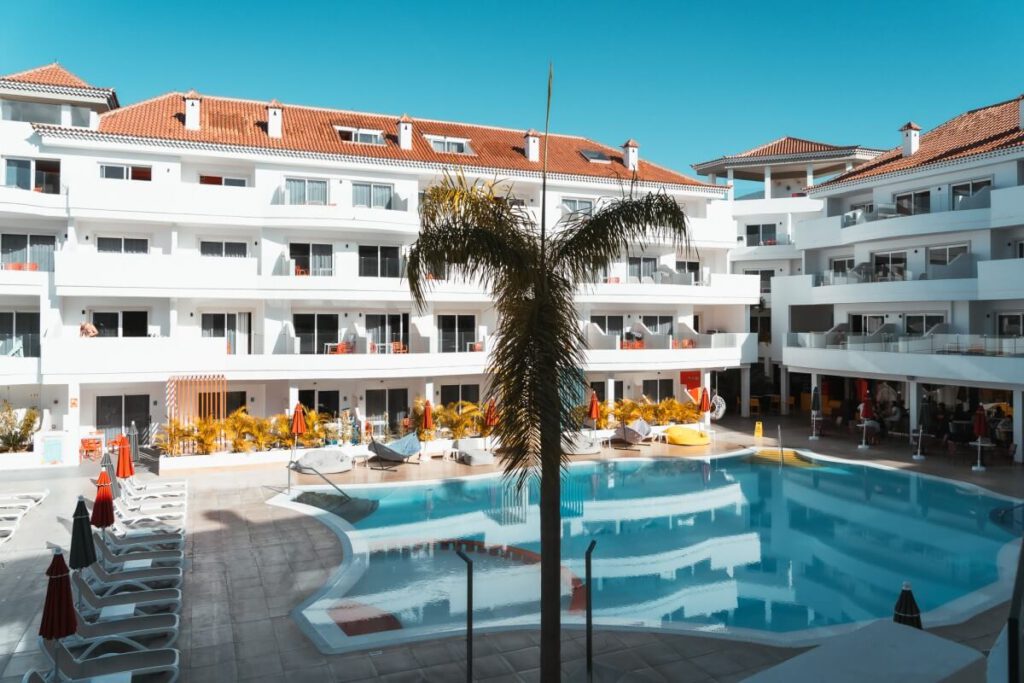
Tenerife offers a wide variety of hotels and vacation rentals throughout the island. In this article, I’ll provide you with several hotel recommendations for each section.
1. Western and Northwestern Tenerife
Days 1 through 4: 3 nights
Hotel recommendations:
- More Affordable: Sholeo Lodges Los Gigantes
- More Luxurious: Klayman Diamond Aparthotel
From Tenerife South Airport, where you’ll pick up your rental car, it’s about a 30-minute drive to the Los Gigantes area. That’s where you’ll set up your first base, from which you can explore some great highlights over the next few days and go on a hike or two in the region.
Featured Activity
The strait between Tenerife and La Gomera is a Whale Heritage Site with year-round populations of pilot whales and dolphins – right off the coast of Los Gigantes. One of the biggest highlights in Tenerife is booking a tour here to watch whales and dolphins. There are numerous tour operators here that depart from various locations:
- Dolphin and Whale Watching Boat Tour with a Stop for Swimming (Los Gigantes)
- Whale-Watching Sailboat Tour (Los Gigantes)
- An eco-friendly, respectful whale and dolphin encounter without hunting (from Los Cristianos)
- Whale and Dolphin Safari on an Eco-Yacht + Swimming (from Los Cristianos)
The Cliffs of Los Gigantes
The cliffs of Los Gigantes rise spectacularly. Translated, their name means “the giants,” and the name says it all. They rise almost vertically from the Atlantic Ocean and reach heights of about 300 to 600 meters. The seabed drops off steeply right in front of the cliffs; in some places, the water is over 30 meters deep.
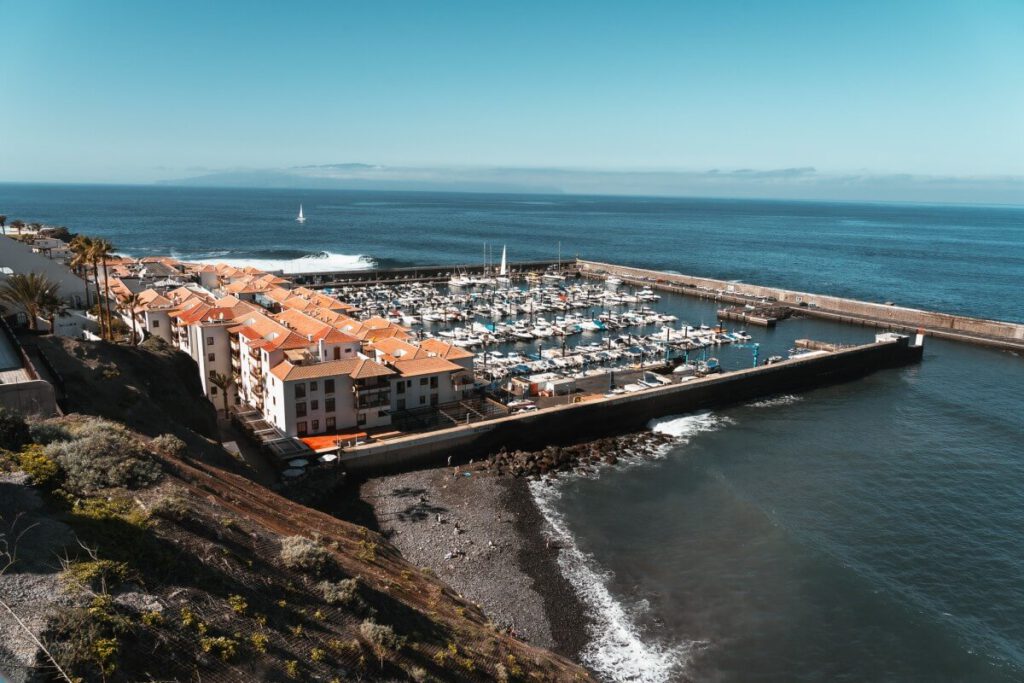
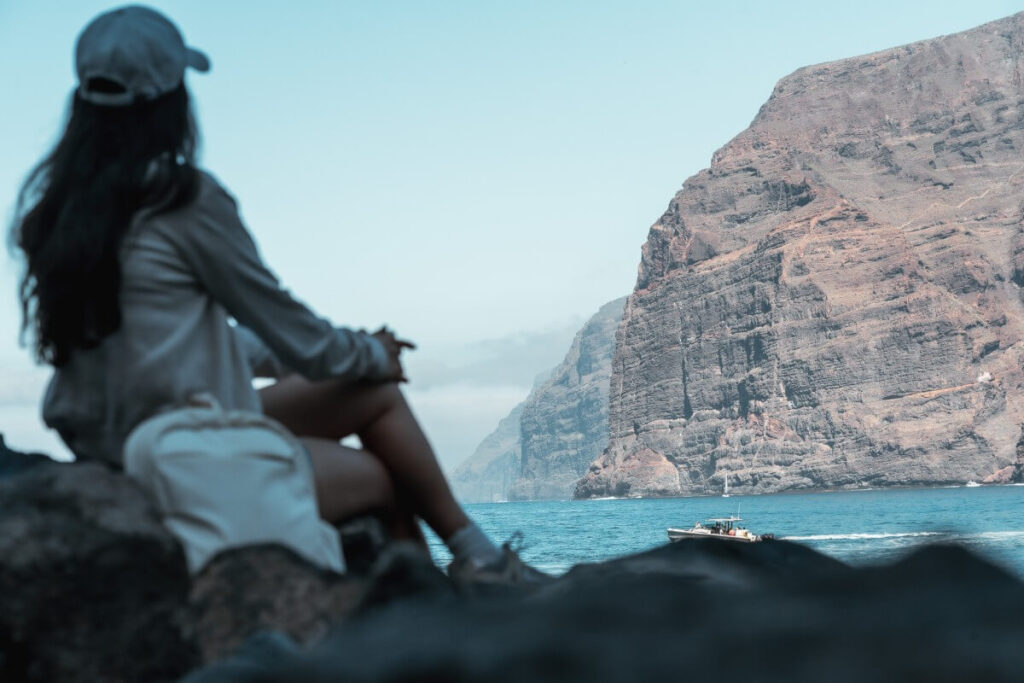
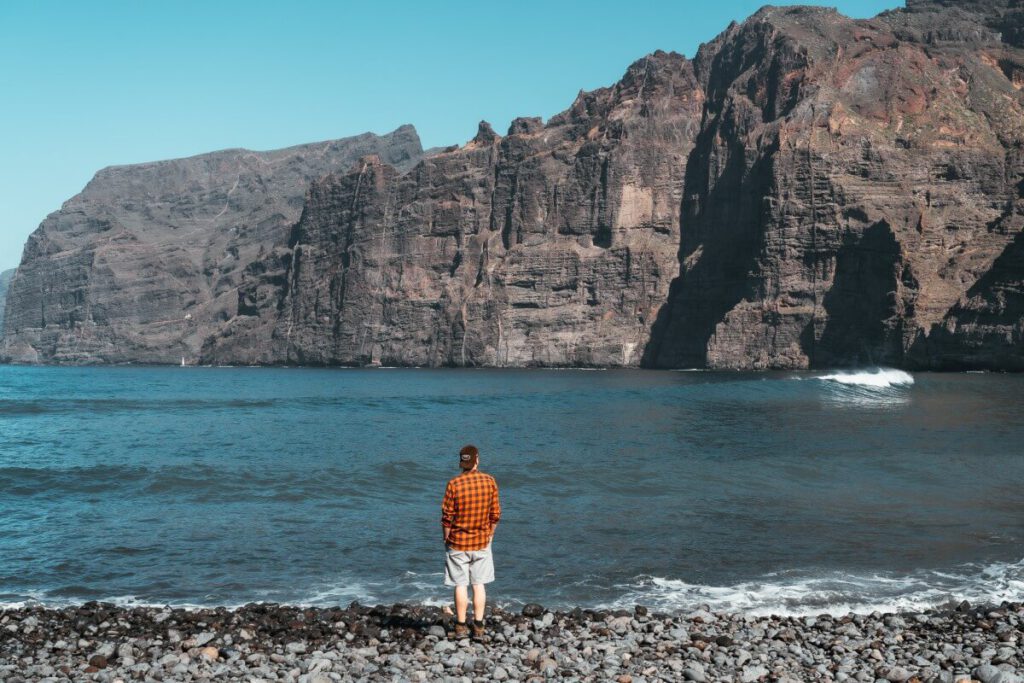
You’ll get the best view of the cliffs at Playa de los Guíos beach. Park right at the Puerto de Los Gigantes harbor and spend 1 to 2 hours exploring the area. From the well-developed Mirador Los Guíos overlook, you’ll have a great view of the entire bay and can also see the cliffs from above.
However, a tour from the water is even more spectacular. On a boat tour along the cliffs from Los Gigantes to Punta Teno, you’ll sail beneath the imposing cliffs and also explore the lighthouse at Punta Teno, at the very northern tip of the west coast.
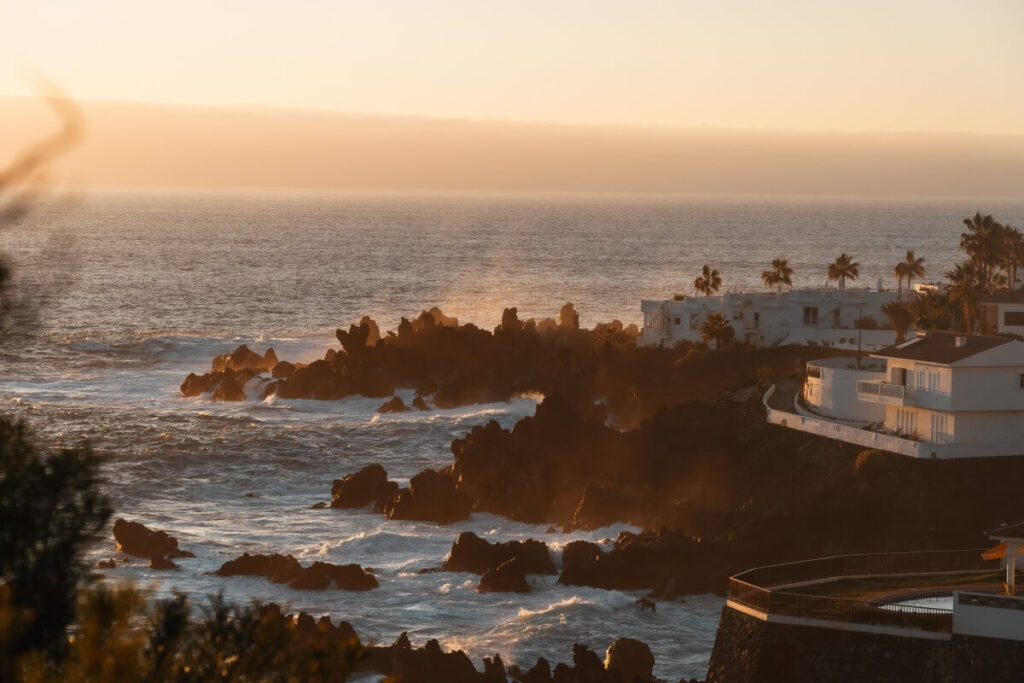
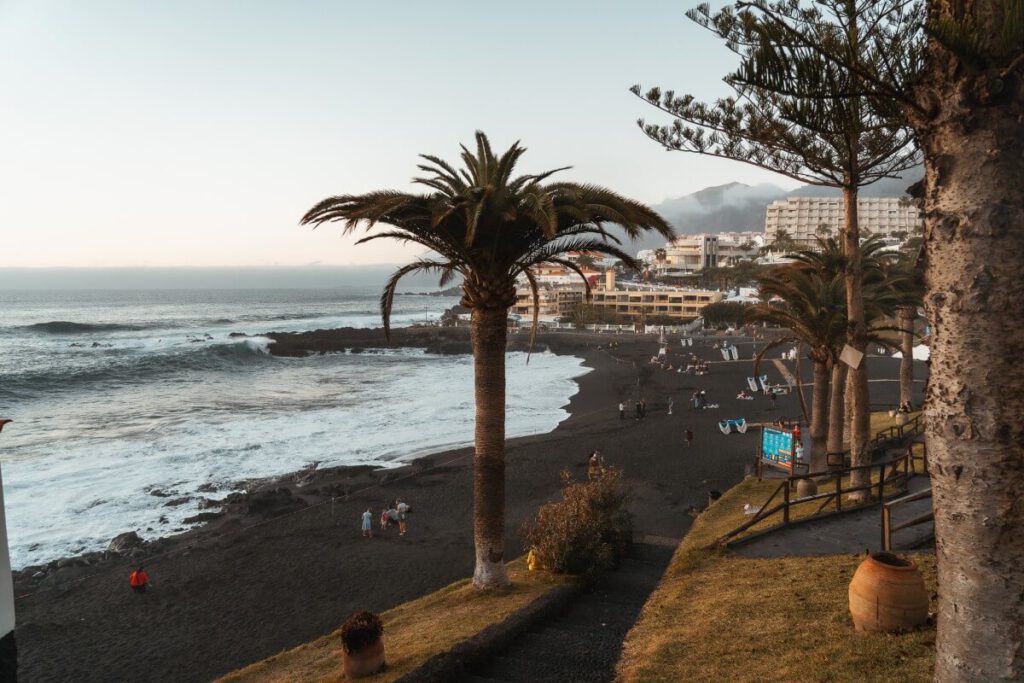
La Arena
La Arena is right next to Los Gigantes, and it’s a bit quieter here. There are a few places to stay, restaurants, and a beautiful, flat sandy beach.
Masca
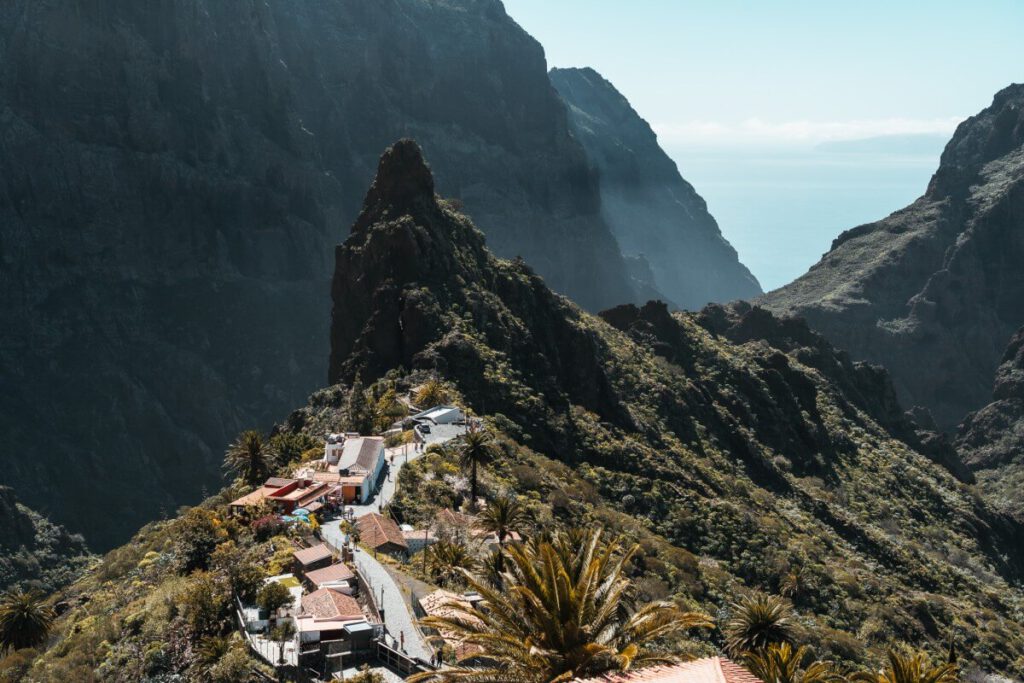
In my opinion, you should definitely plan at least a half-day trip to Masca. It’s a tiny mountain village with about 80 houses and roughly 100 residents in the Teno Mountains in the far northwest of Tenerife. Because of its location on a rocky ridge, it’s often referred to as the “Machu Picchu of Tenerife.”
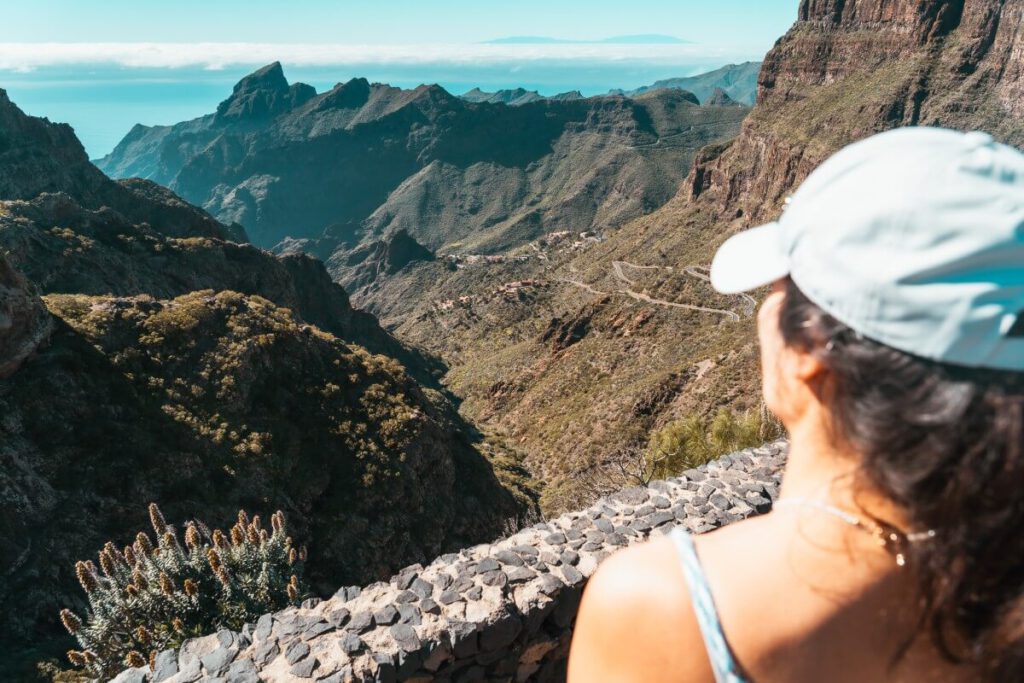
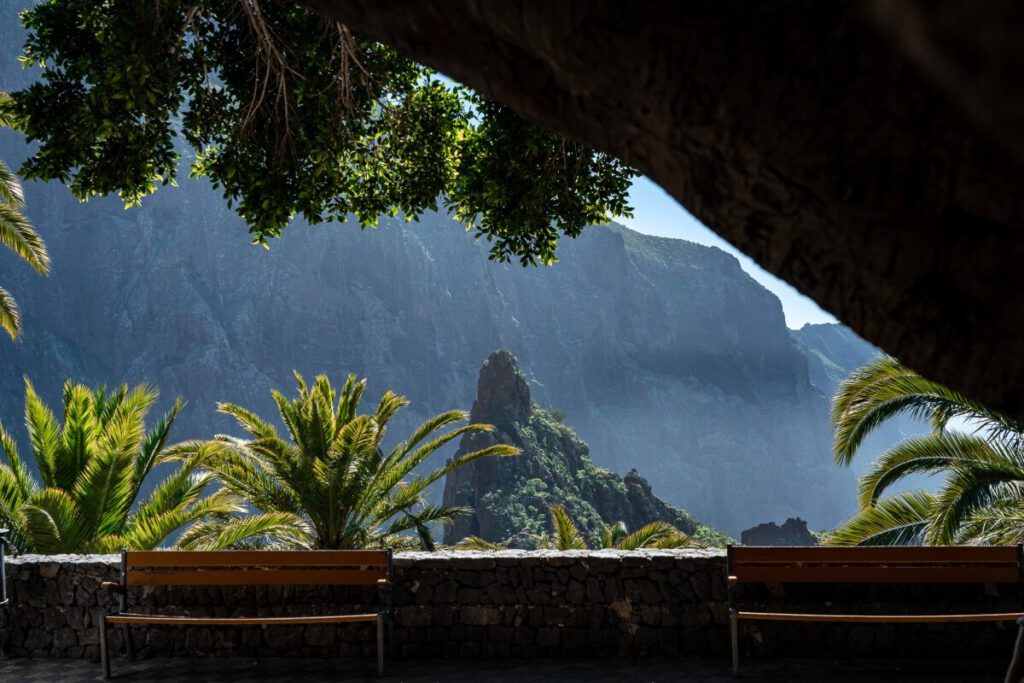
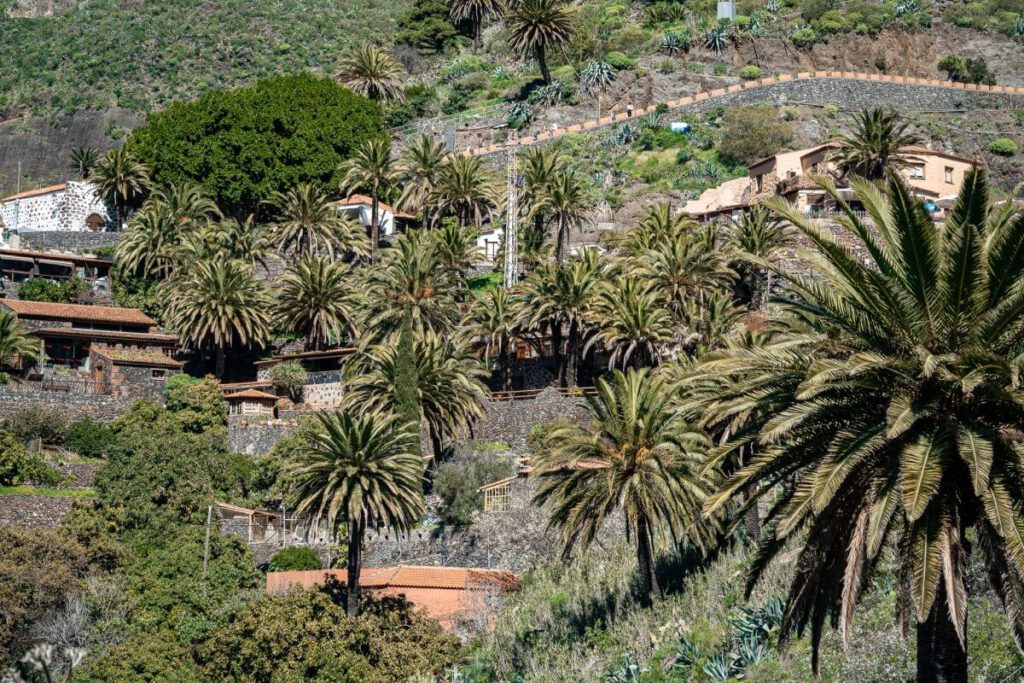
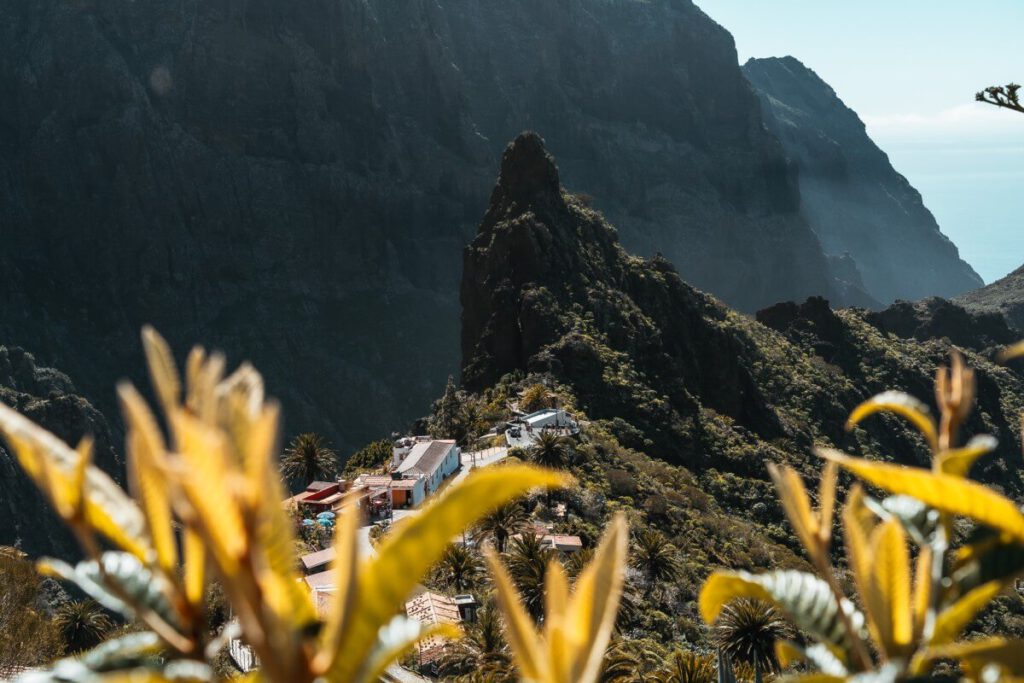
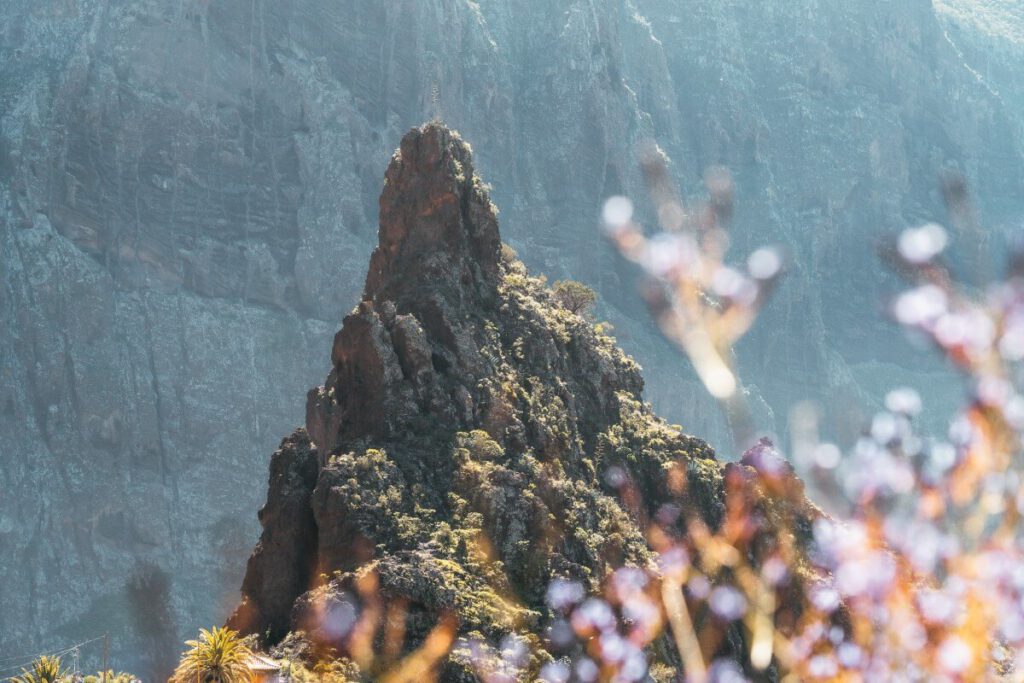
The drive there alone is spectacular – with breathtaking views of the gorge. For many drivers, the road to Masca is certainly one of the most adrenaline-pumping routes in the entire Canary Islands.
Getting to Masca – I’m standing at the Mirador de Cherfe, which is packed with parked cars, and, drawn as if by a magnet, I stare down into the green depths of the gorge, crisscrossed by seemingly endless switchbacks. The scent of the salty Atlantic and grinding clutches hangs in the air. Reckless local bus drivers race wildly around the curves, honking their horns. Oncoming cars make way for them, even though there’s no room at all. I look into the fear-stricken eyes of the other tourists, get back in the car, and start the engine. I wonder what awaits me around the next long, sweeping curve?
From my travel notes
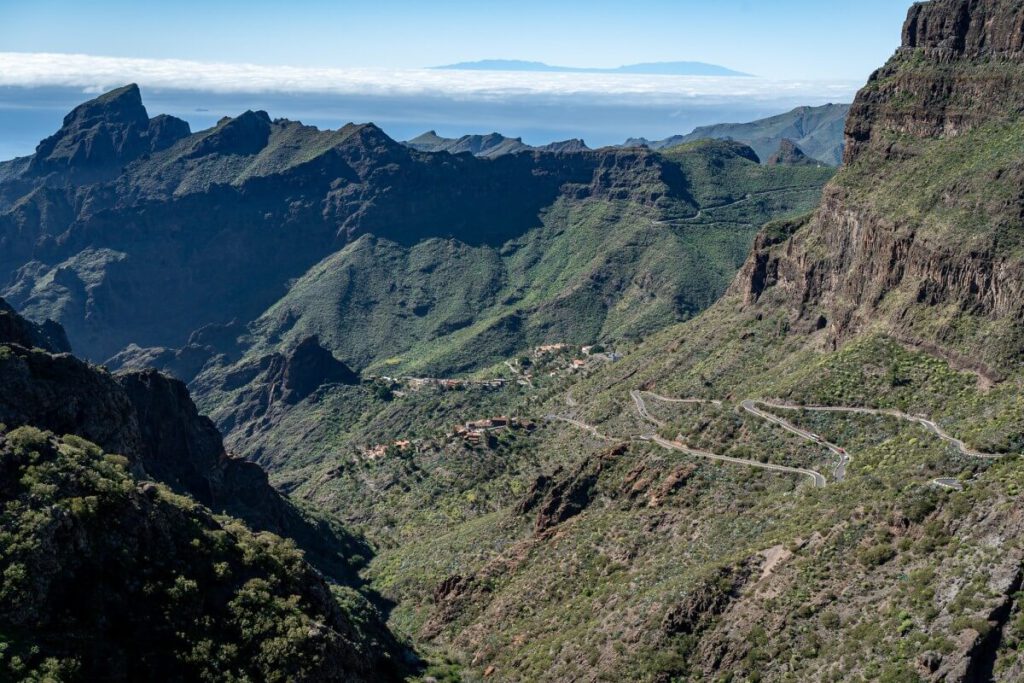
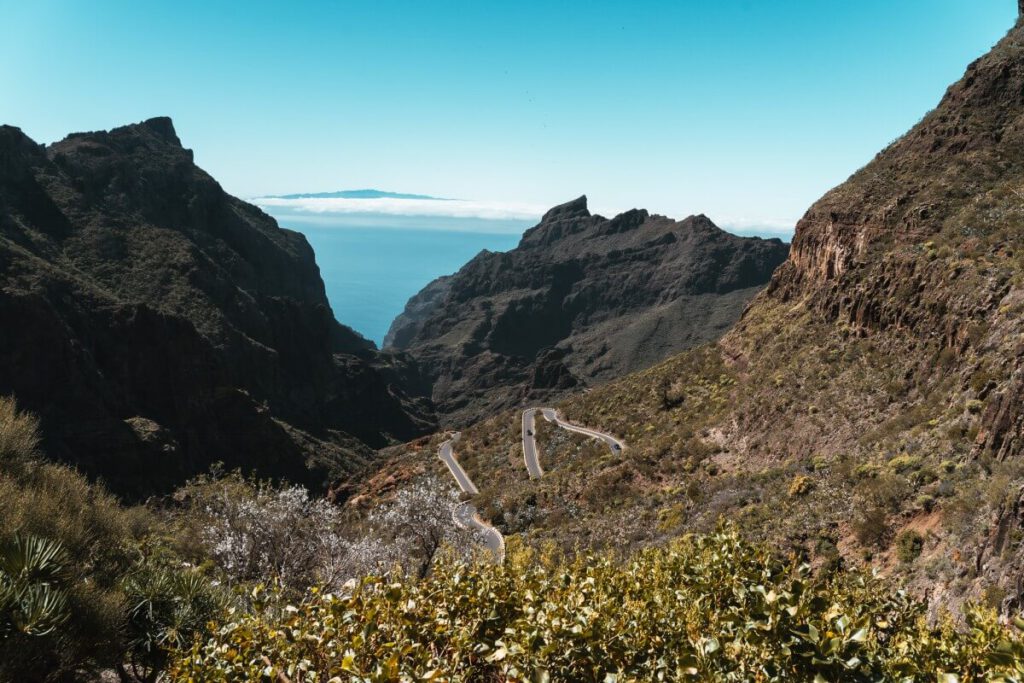
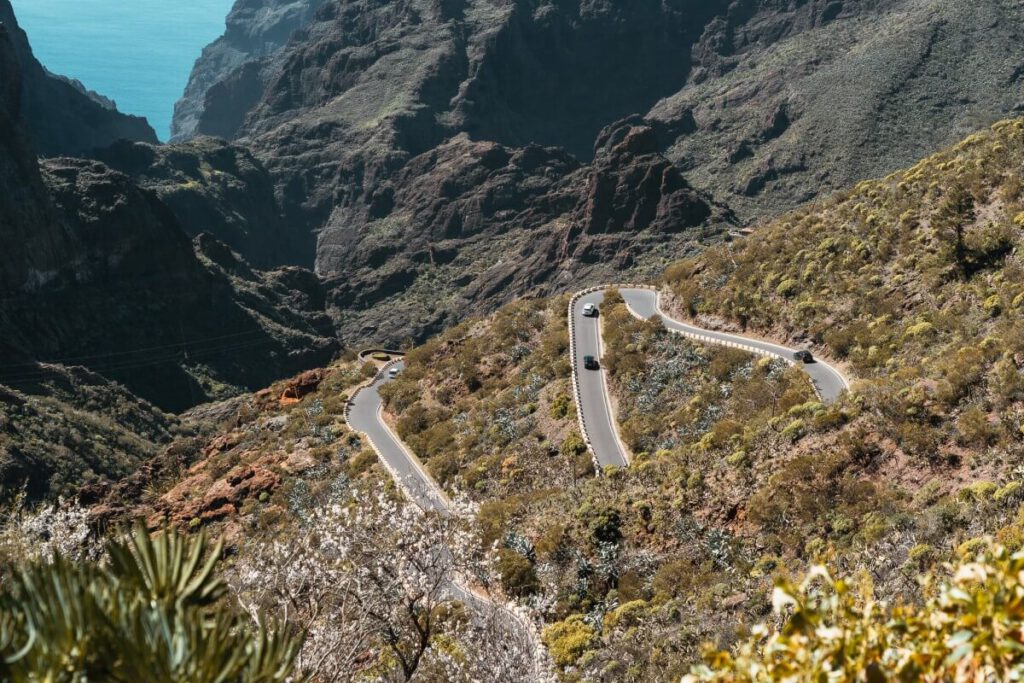
In Masca, you can spend about 1 to 2 hours exploring the town and enjoying the view. There are also a few restaurants where you can grab a bite to eat and have a drink.
If you have more time and are up for an adventure, the roughly 5-kilometer hike into the gorge to the hidden cove is well worth it. However, you can only do this with a guide and a helmet. It’s rated “high” in difficulty, so it’s not for everyone. In addition, online reservations are required, as there’s a limited daily quota.
By the way, you can’t do this hike if you’re driving your own car. You’ll even need to show a ticket for the shuttle from Santiago del Teide to be allowed onto the Masca Gorge trail, and you’ll also need a ticket for the return boat ride. You can find all the details here on the official website.
If all this seems too complicated to you, but you still want to hike through the infamous Masca Gorge, then just book an all-inclusive ticket that covers everything:
Monte del Agua
At Monte del Agua and throughout the Teno Nature Park region, you’ll find one of the largest stands of laurel forest on Tenerife. A hike through the forests along the slopes – where you’ll catch glimpses of the green mountains shrouded in clouds time and again – is truly spectacular, and I highly recommend taking at least a short hike here.
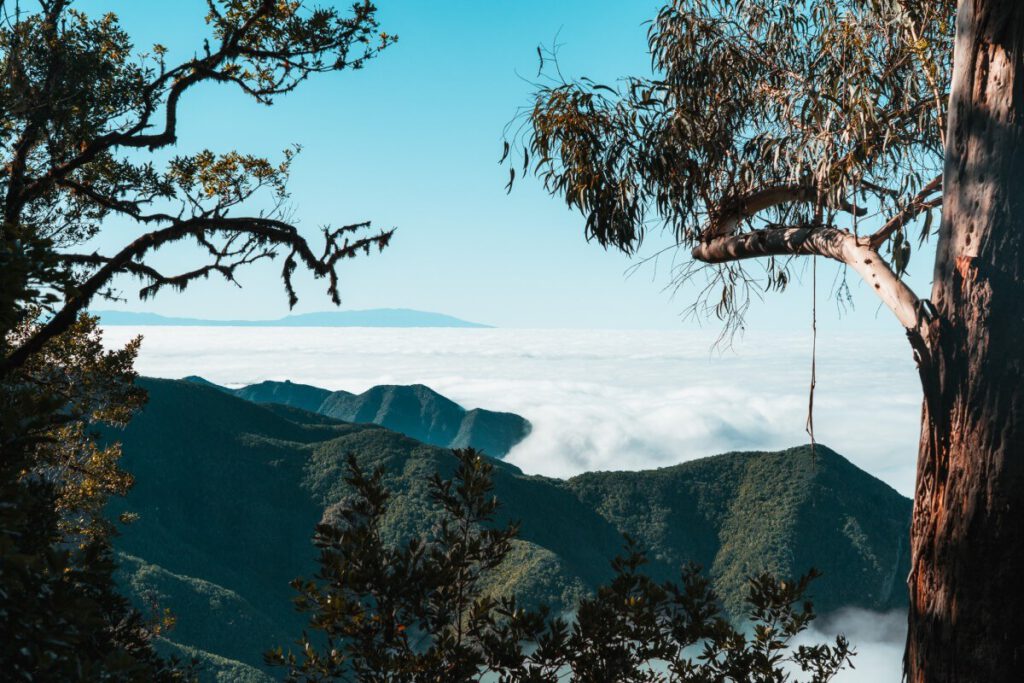
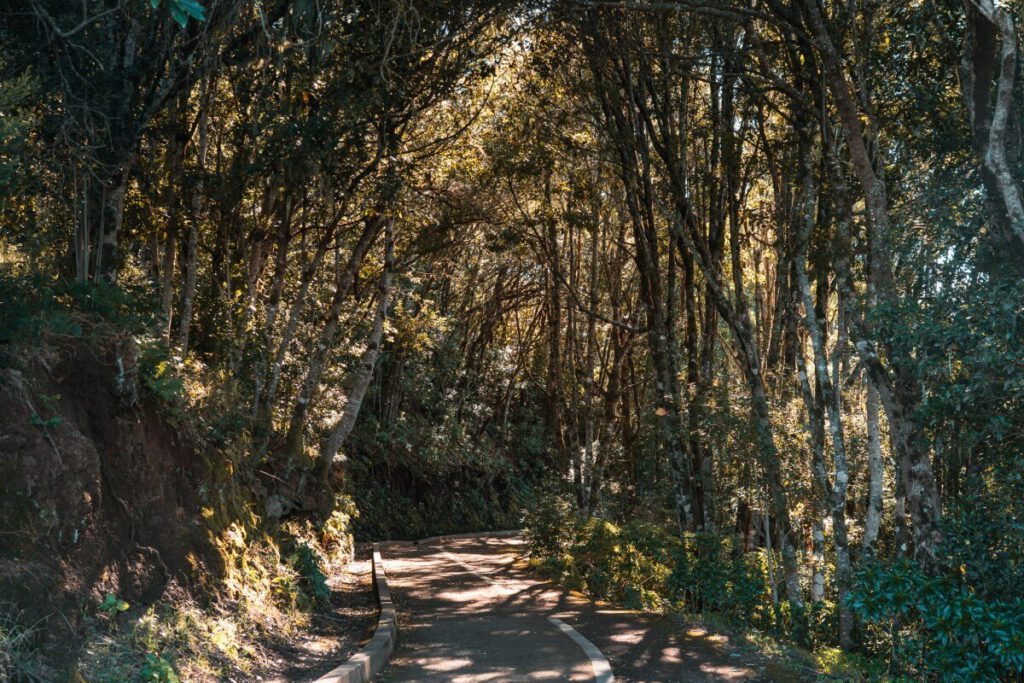
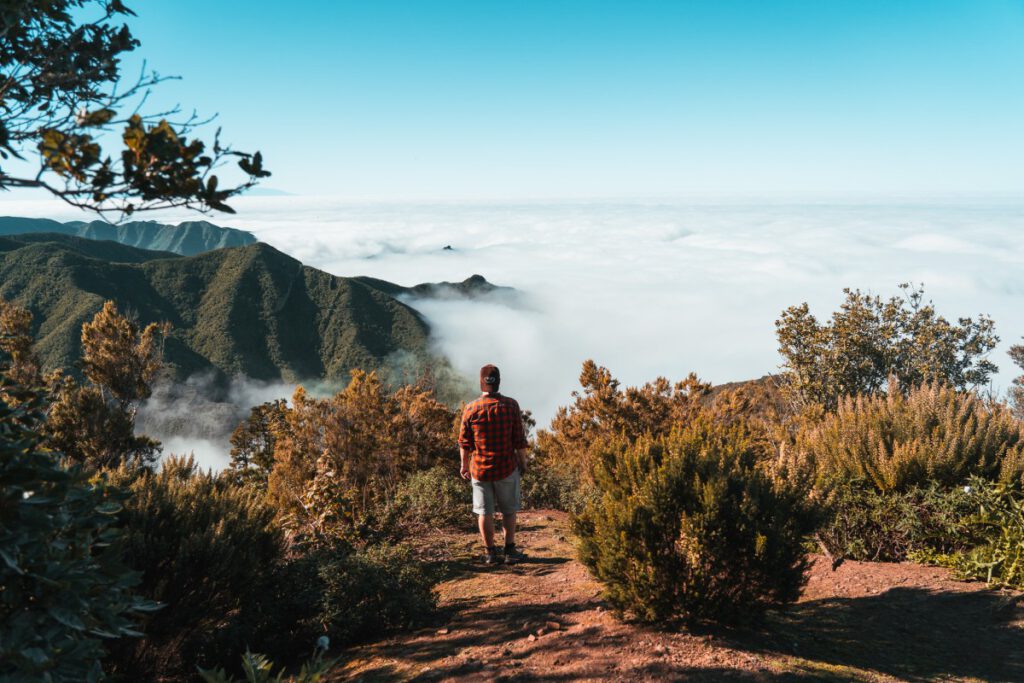
You can find tips and more details about this hike in the article:
Barranco del Infierno
The Barranco del Infierno (“Hell’s Gorge”) near Adeje in southwestern Tenerife is a gorge with a marked hiking trail (about 6.5 km round trip, roughly 3 hours). It takes you through a fantastic landscape that changes dramatically the deeper you venture into the gorge, and ends at a seasonal waterfall.
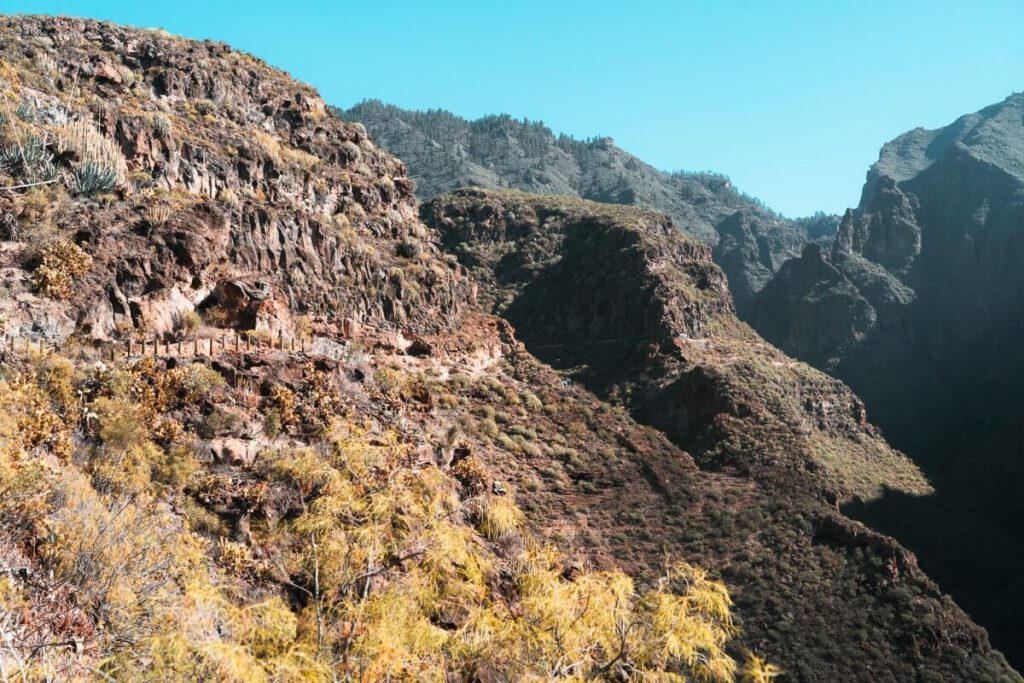
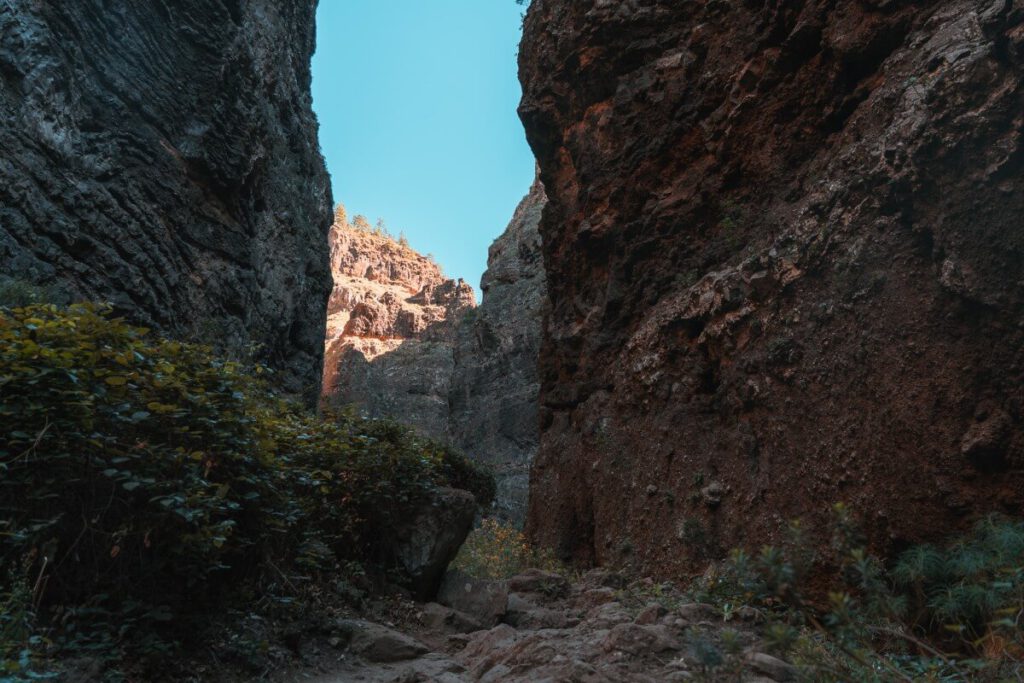
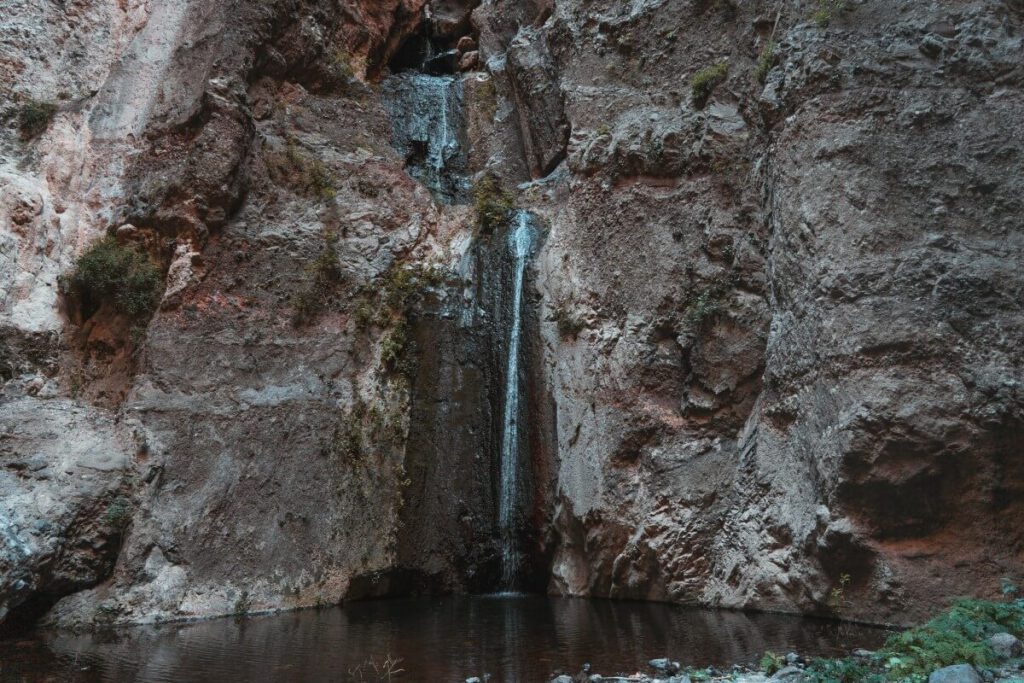
Admission is limited. You must book tickets online in advance. Sturdy shoes and a helmet (provided) are required. From Los Gigantes, it’s about 30 to 35 km via the TF-1 or the coastal road, which is about a 40-minute drive.
You can find tips and more details about this hike in the article:
Chinyero – Black Mountains
Chinyero is a wonderful hiking area with black lava fields covered in green Canary Island pine forests. This creates a spectacular contrast, and the peak of Mount Teide always looms in the background.
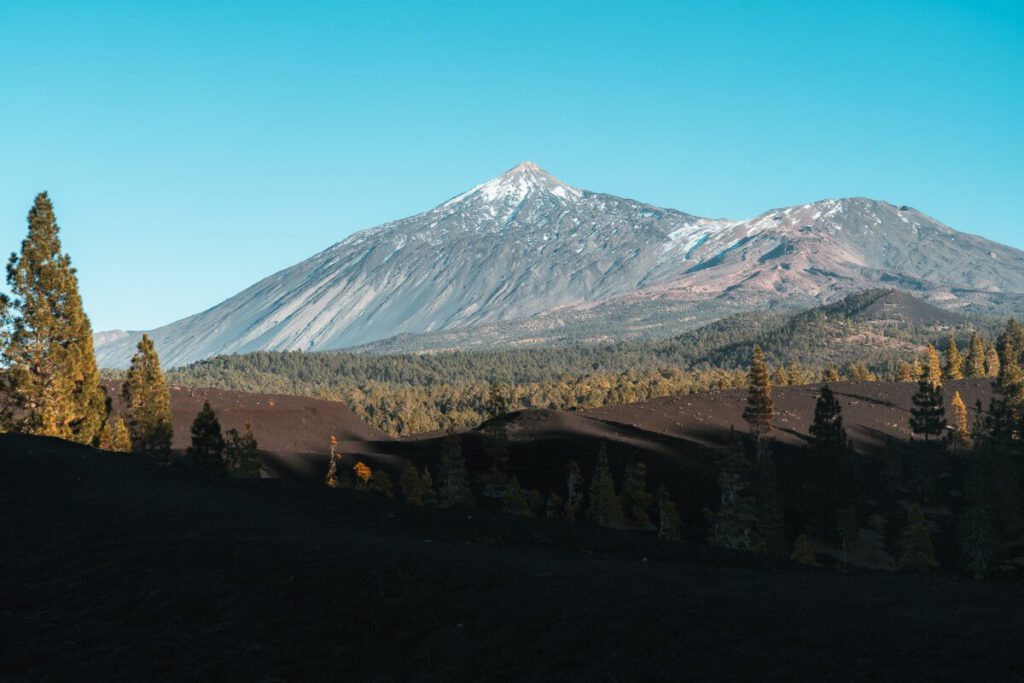
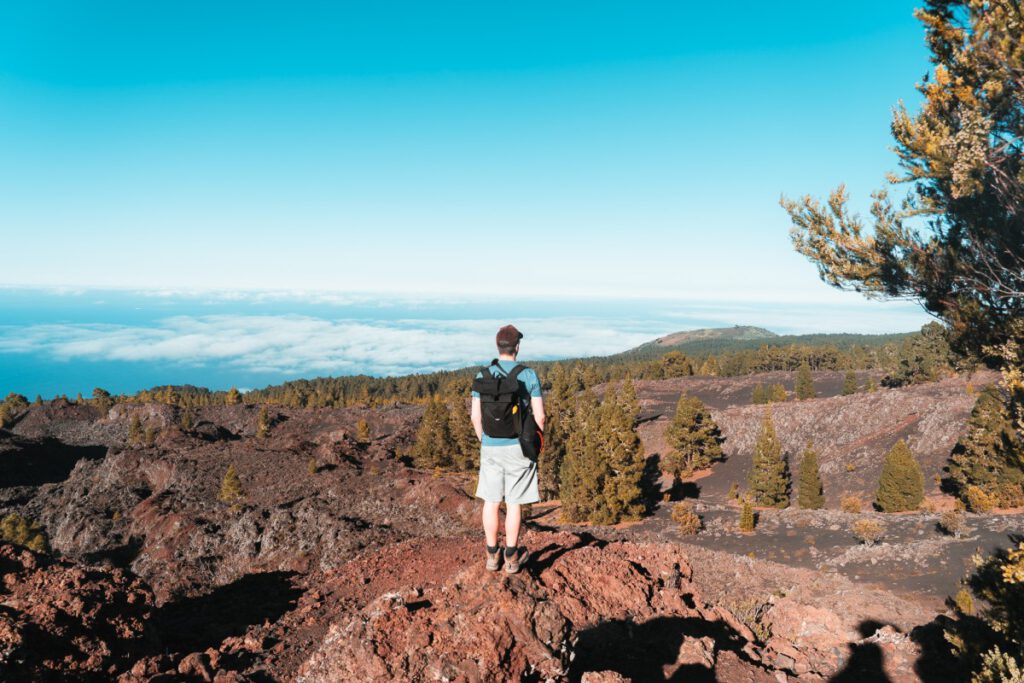
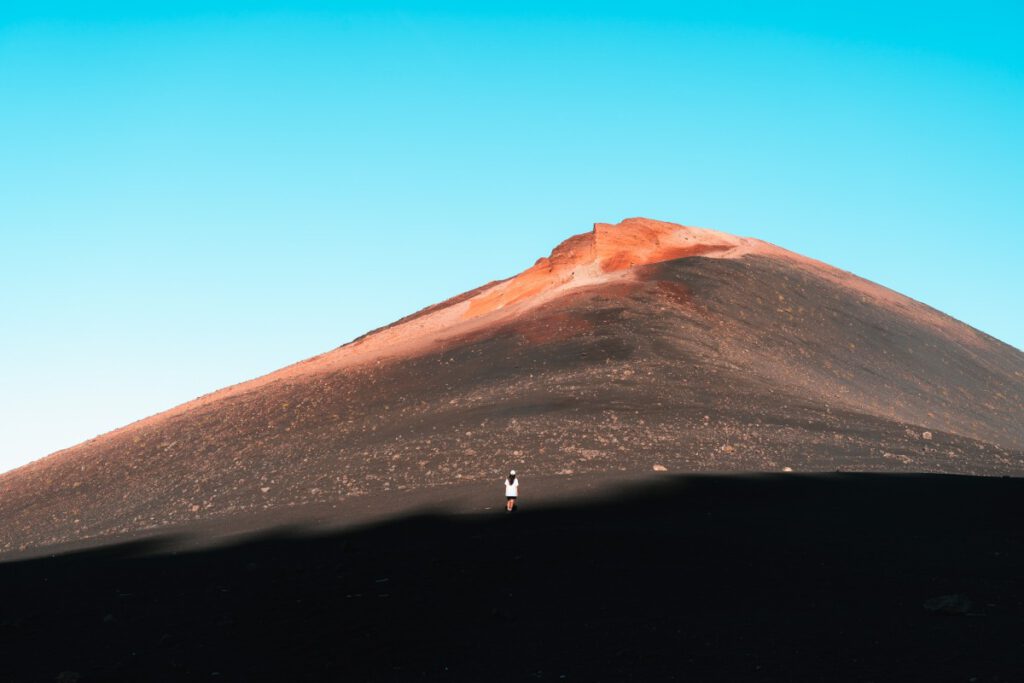
This region reminded me a little of the forests of California’s Sierra Nevada and Yosemite National Park.
There are plenty of trails here where you can hike and enjoy nature. One of the most beautiful routes is the loop trail around the Montañas Negras volcano. For tips and more details about this hike, check out the article:
2. Western Tenerife to Puerto de la Cruz
Days 4 through 6: 2 nights
Hotel recommendations:
- More Affordable: Hotel DWO Nopal
- More Luxurious: Atlantic Mirage Suites & Spa
Day 4 is your first day of travel, packed with spectacular stops along the way. First, you’ll drive north along winding roads to the beautiful coastal town of Garachico. From there, you’ll continue along the coast to Icod de los Vinos, where you’ll see the island’s oldest dragon tree. You’ll then continue on to the tourist town of Puerto de la Cruz, after making a stop at Playa de Castro. The next day, you’ll explore the town and the neighboring mountain village of La Orotava, famous for its Casa de los Balcones.
Garachico
Garachico is a wonderful little coastal town in northern Tenerife. It’s worth stopping there for 2 to 3 hours. Even the drive there along the winding TF-421 road is spectacular.
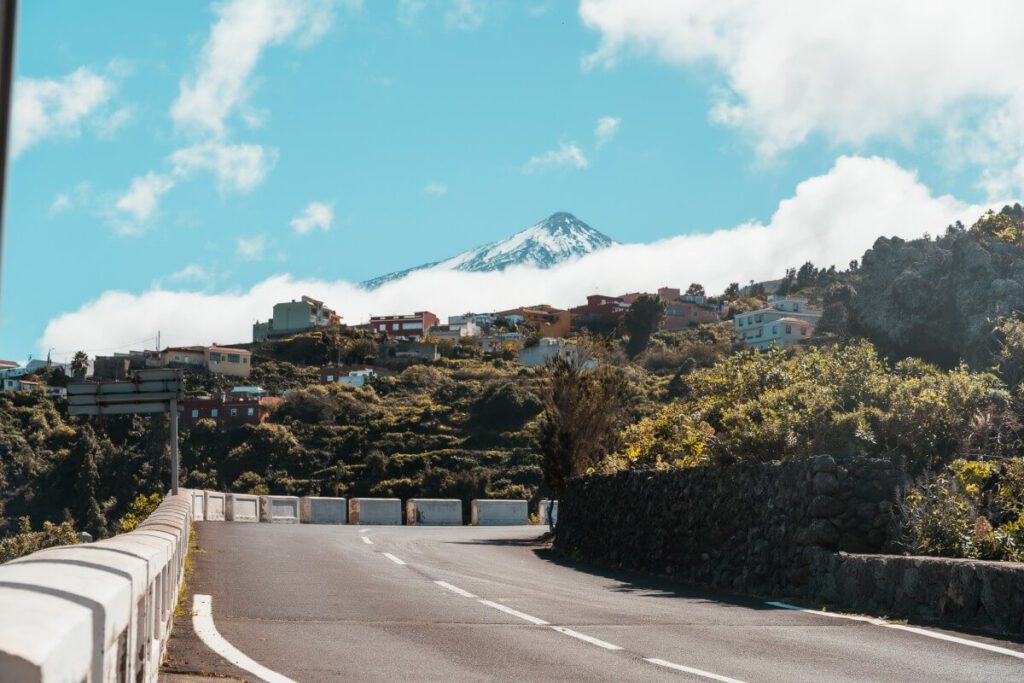
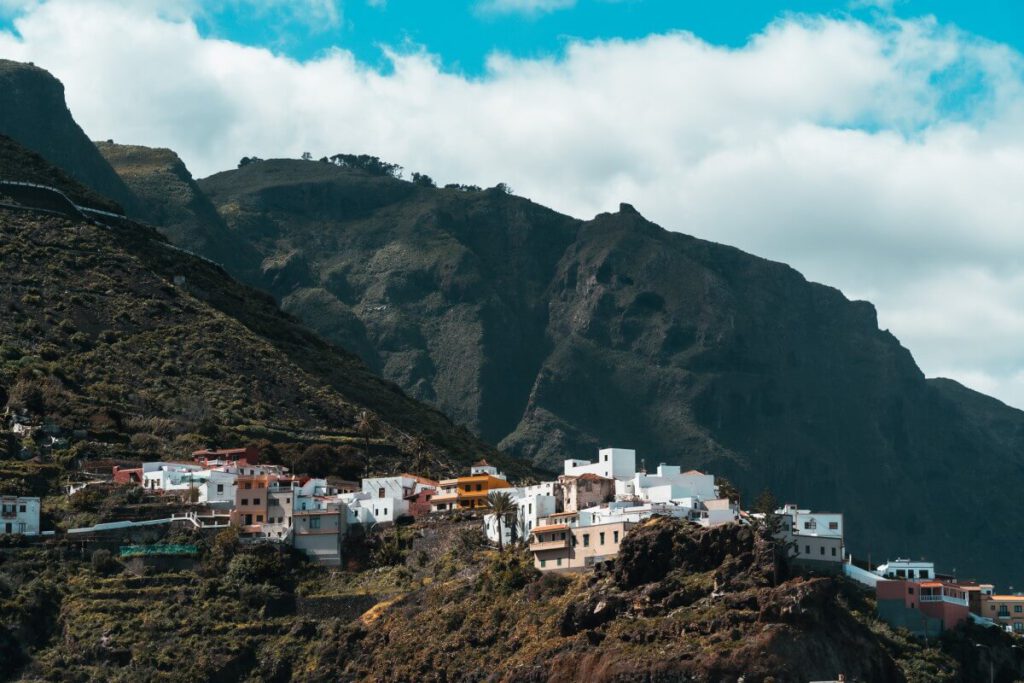
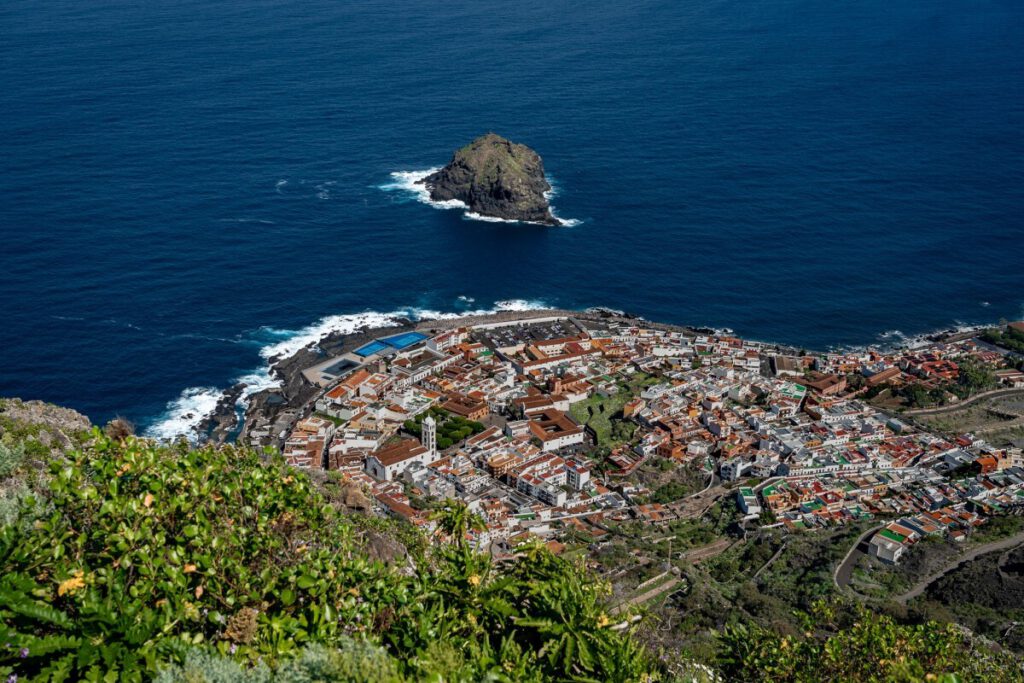
You can find more information about the most beautiful sights in this article:
Icod de los Vinos
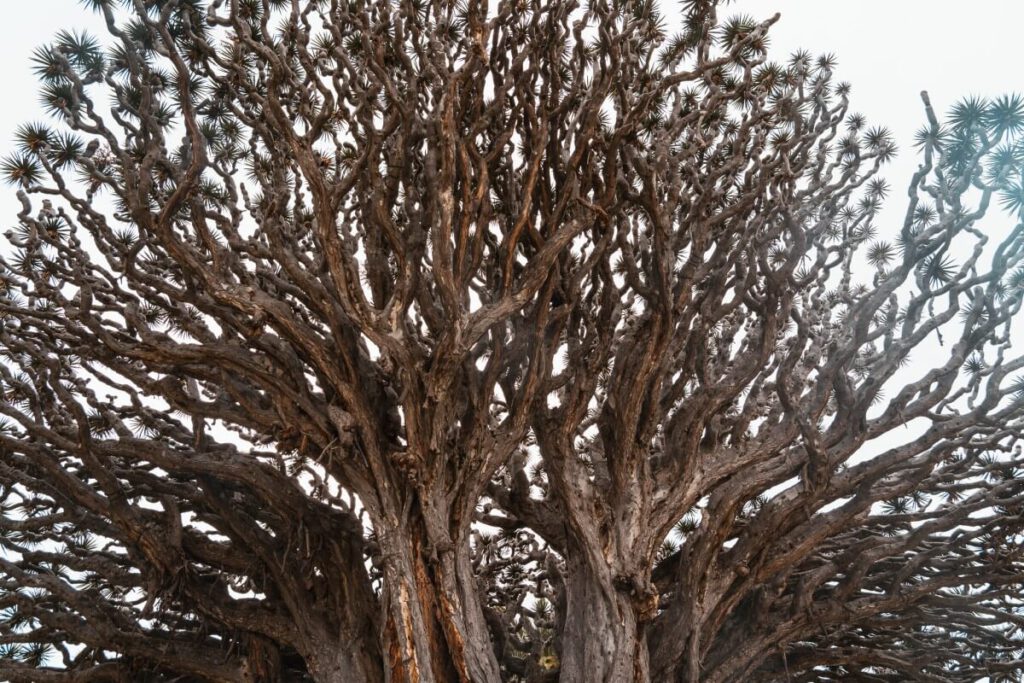
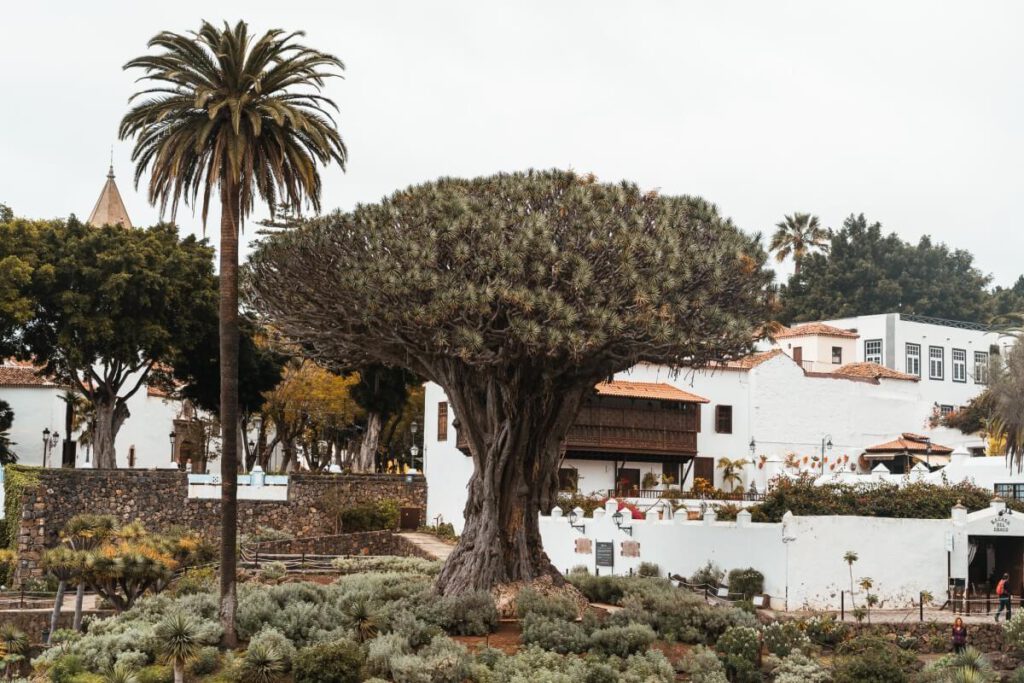
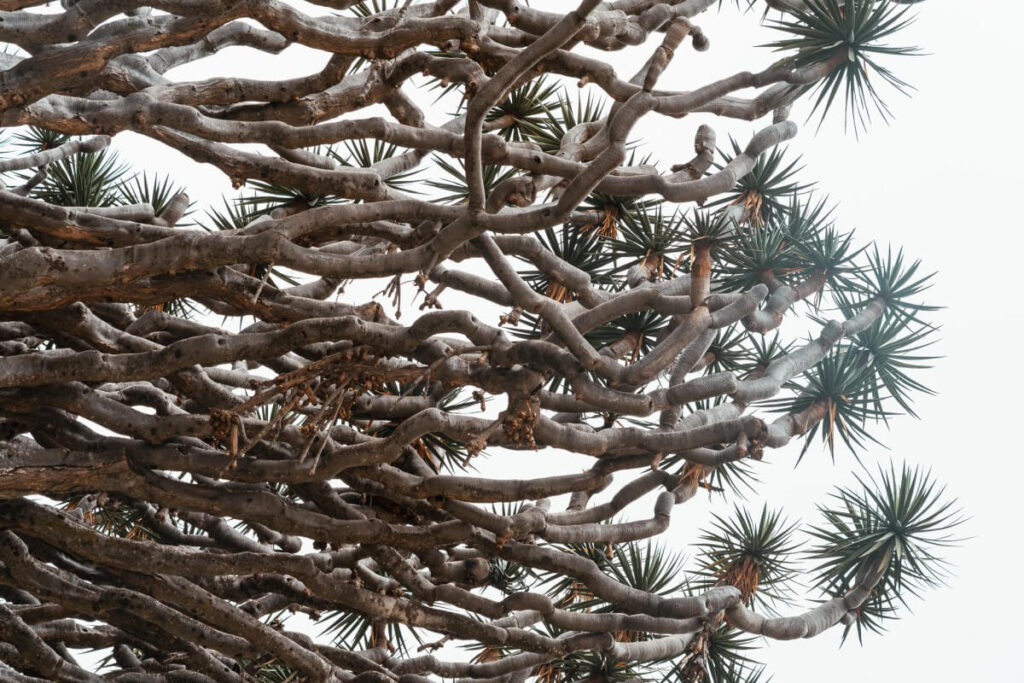
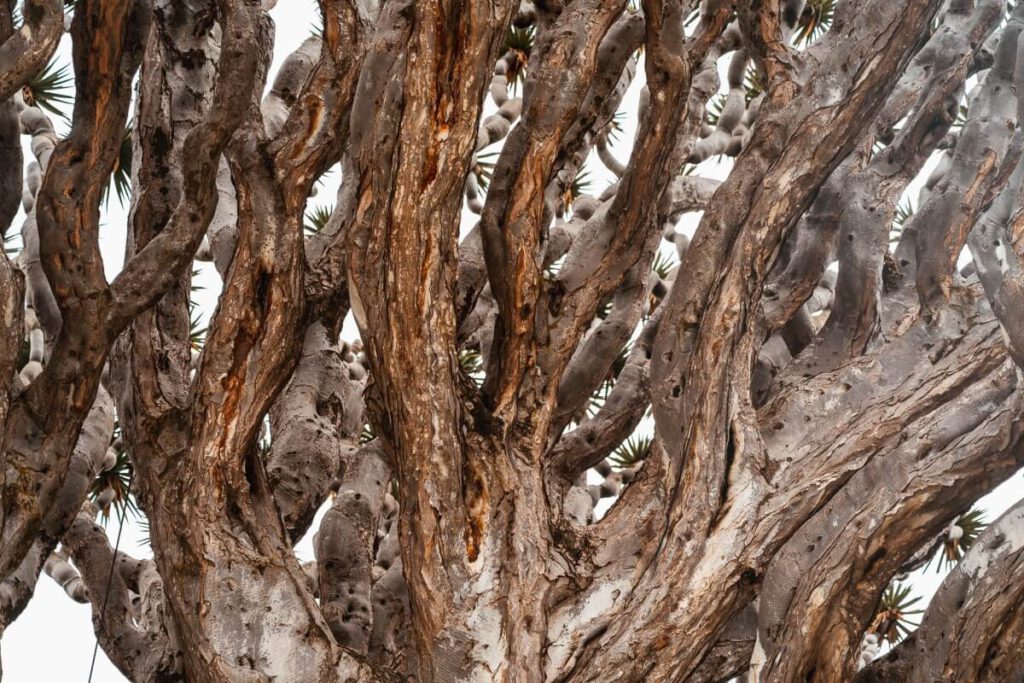
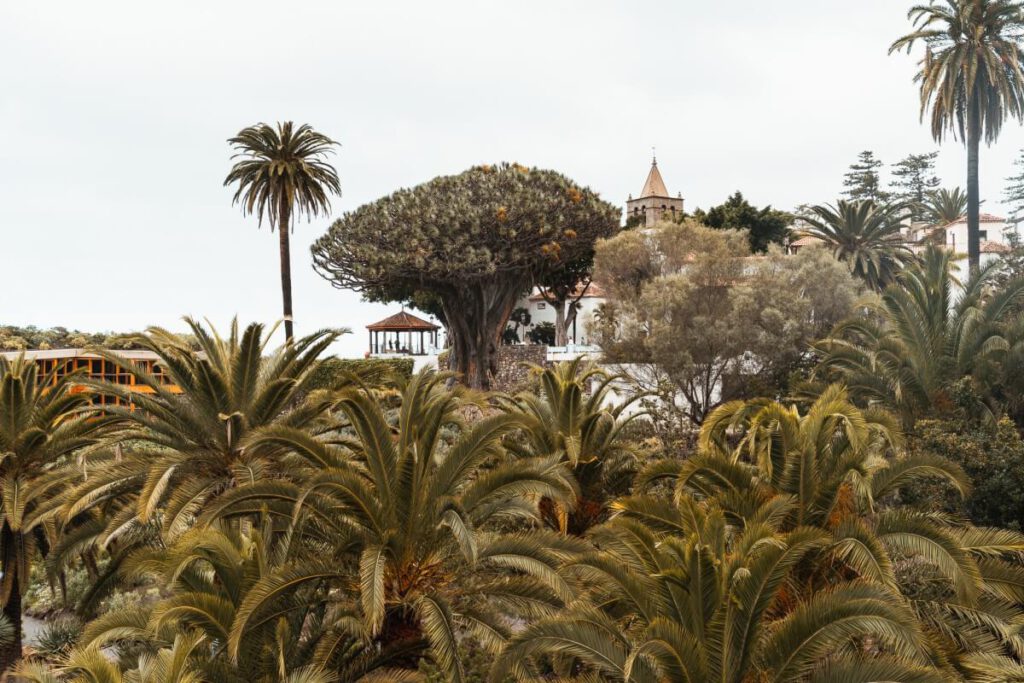
Icod de los Vinos is a must-see stop on your trip. That’s because it’s home to the largest and oldest known dragon tree in the world – the Drago Milenario. It’s often said to be 1,000 years old. However, it’s more likely that its age is in the high three-digit range – which is still quite impressive.
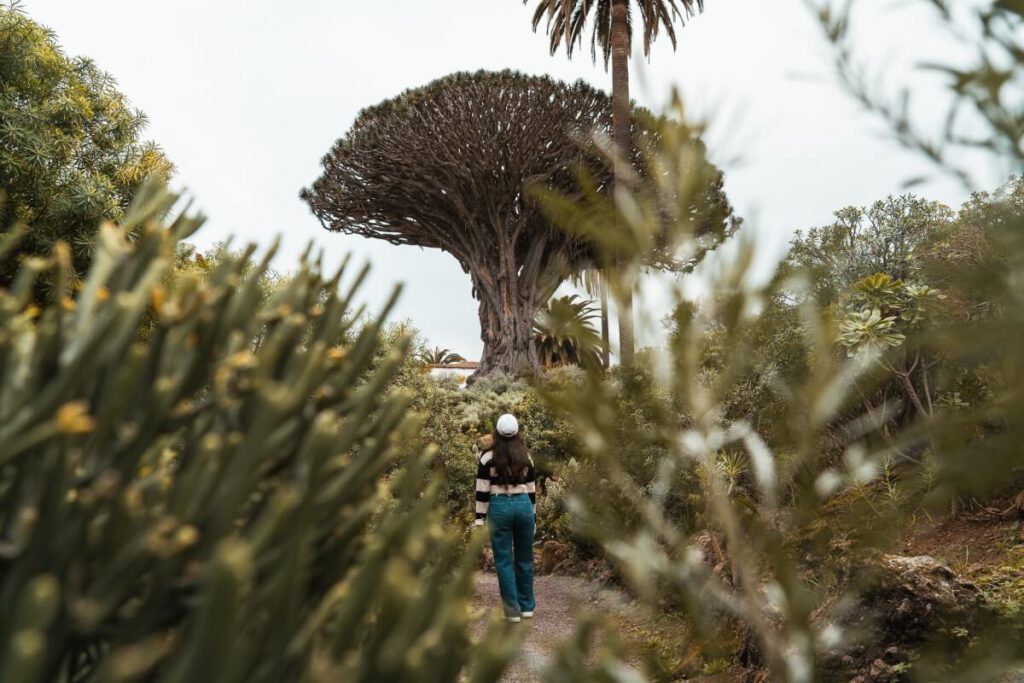
To see it, I recommend buying a ticket to the Parque del Drago for just €5. While you can also see the tree for free from the nearby lookout point next to San Marco Church, the walk through the park is well worth it. It’s truly impressive to view this colossus from all sides and angles, and there’s more to see in the park than just the tree.
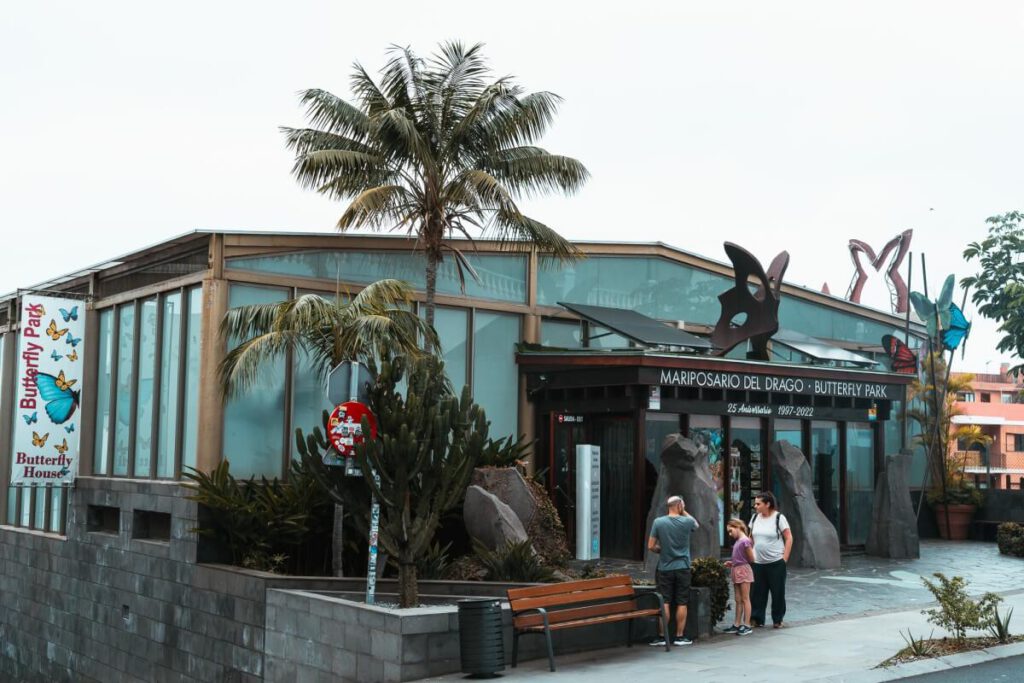
If you’re traveling with children or if you simply love butterflies, then a visit to the Mariposario del Drago Butterfly Park (€11 admission) is also well worth it. Here, you can stroll through a small park while over 800 exotic butterflies from all over the world flutter back and forth right beside you.
If you’re interested in bananas, you can also visit the Casa del Plátano for a €5 admission fee. On this tour of a banana plantation, you’ll learn a lot about the history of bananas in Tenerife.
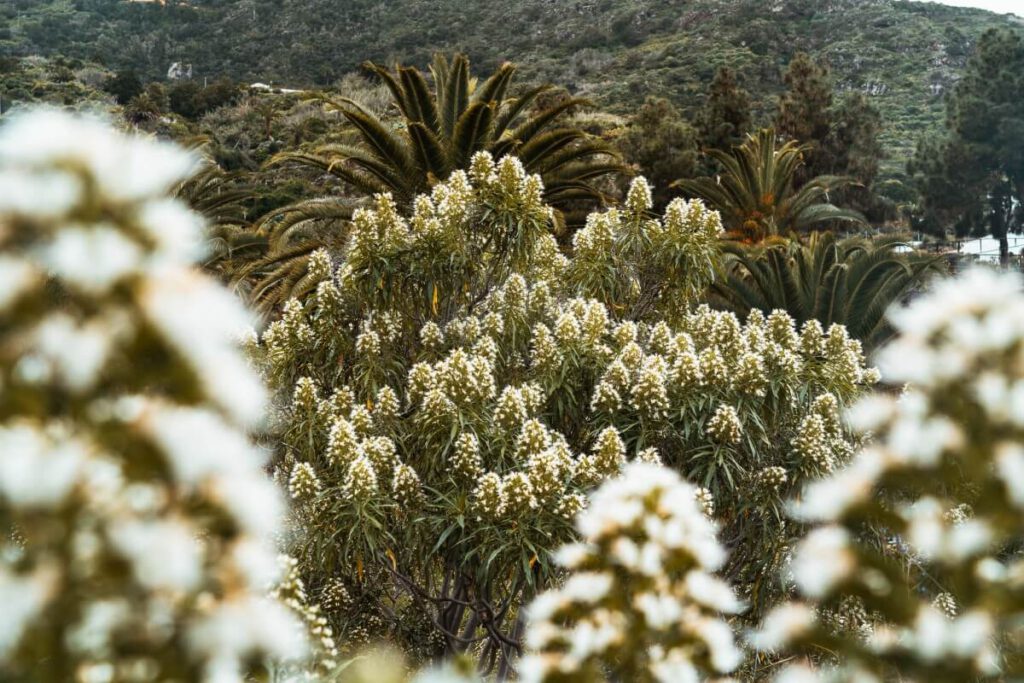
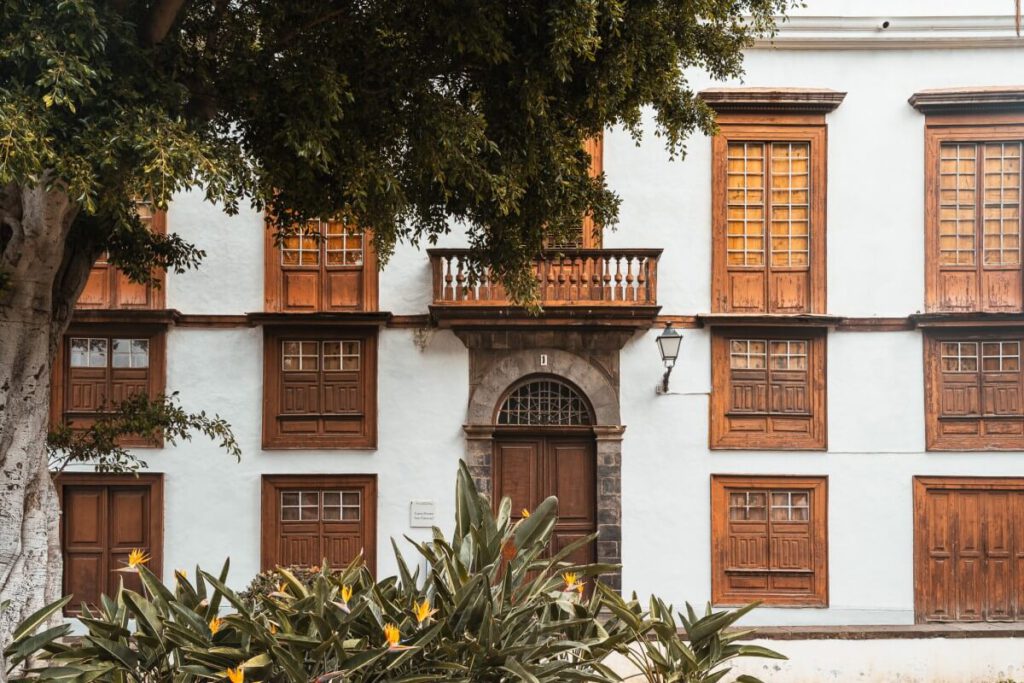
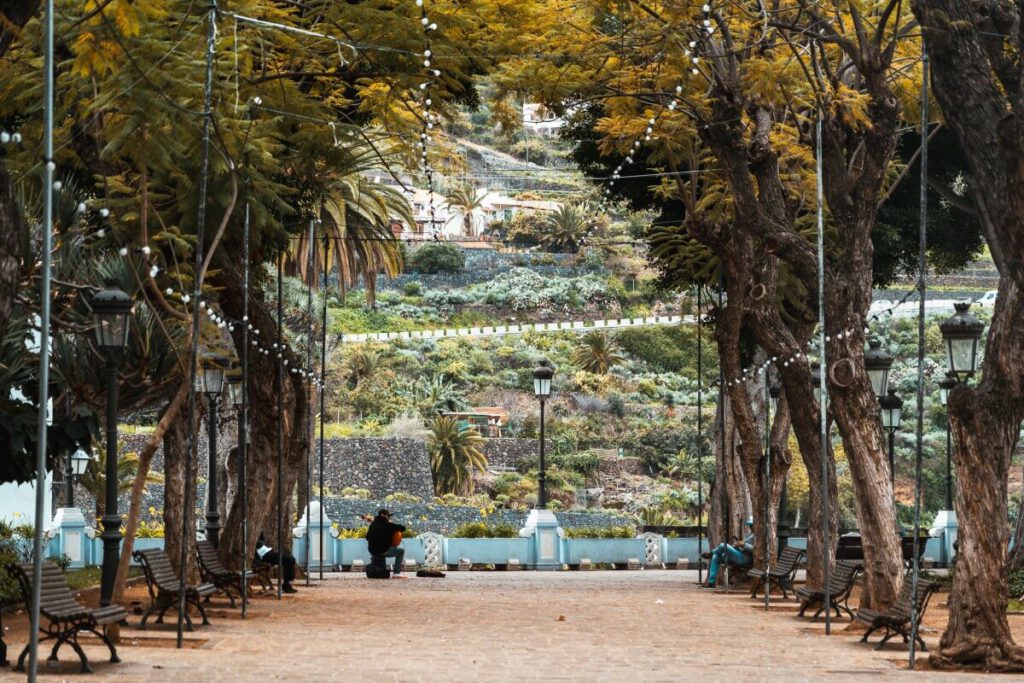
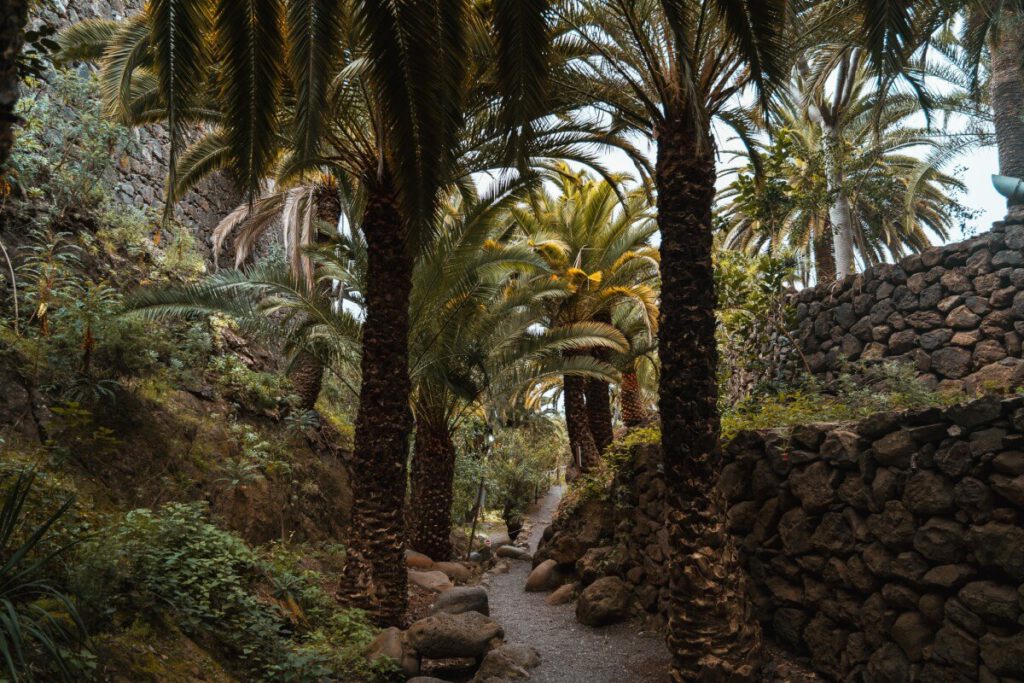
If you have plenty of time, it’s also worth visiting the Cueva del Viento – Europe’s largest volcanic tunnel (18 km long), located a little further up from Icod de los Vinos. Visits are available exclusively as guided tours starting from the visitor center; they last about two hours, including a short hike, and cost €25 per person. Be sure to make a reservation online in advance.
Playa de Castro
Playa de Castro is a largely unspoiled beach, over 200 meters long, made up of black volcanic sand and pebbles. You should stop here if you feel like taking a walk through the palm forest. There, you’ll usually encounter very few other tourists and enjoy amazing views of the coast. However, Playa de Castro isn’t really the place for a quick trip to the beach to go swimming.
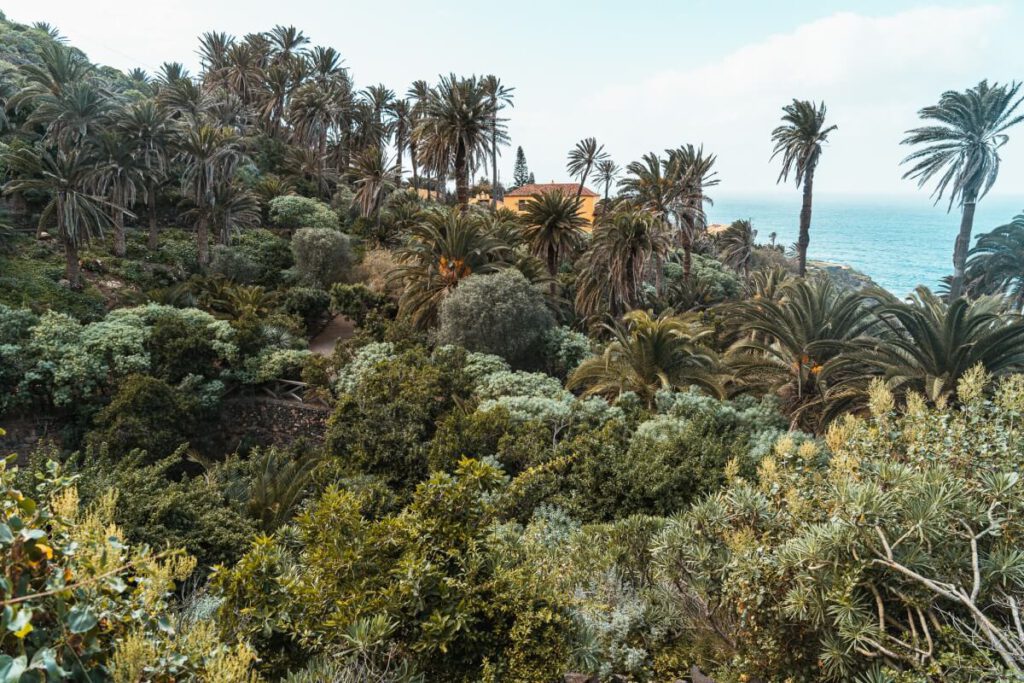
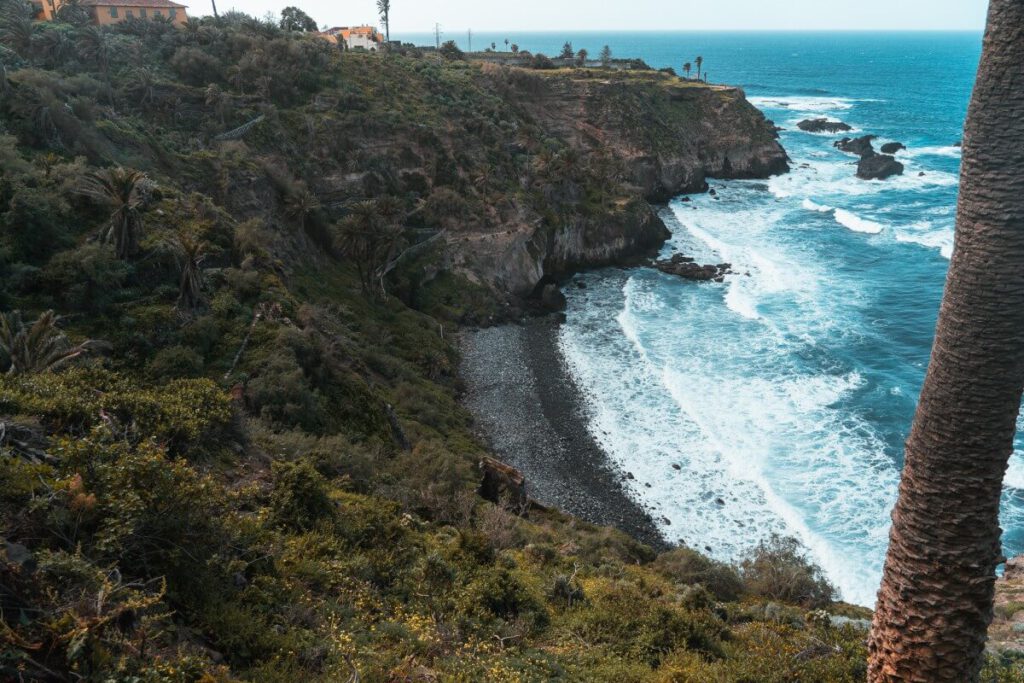
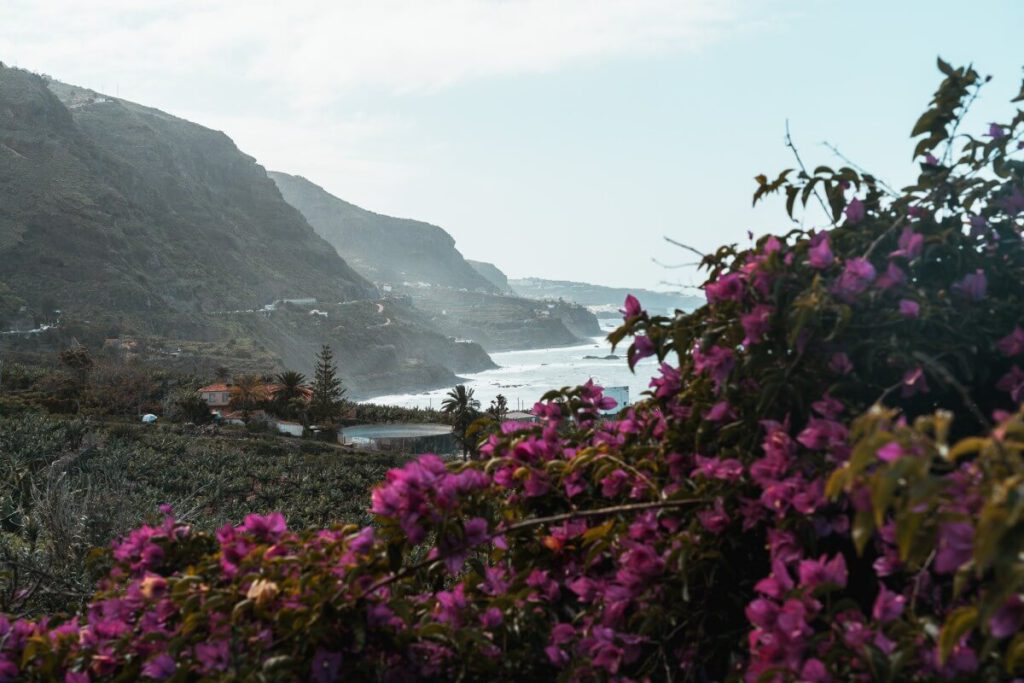
Your best bet is to stop at the Restaurante Cafetería Mirador San Pedro, where there are a few parking spots, and hike down from there for about 30 minutes to the hidden coastline (the walk back is a bit more strenuous). There are various trails here, as well as some amazing viewpoints to discover.
You can find more information about this hike in the article:
Puerto de la Cruz
Puerto de la Cruz is probably the most touristy town along the entire north coast. However, there are also quite a few hotels in all price ranges, making the town a good starting point for day trips. Puerto de la Cruz has eight times as many hotel beds as the capital of Tenerife, but still significantly fewer than the tourist resorts in the south.
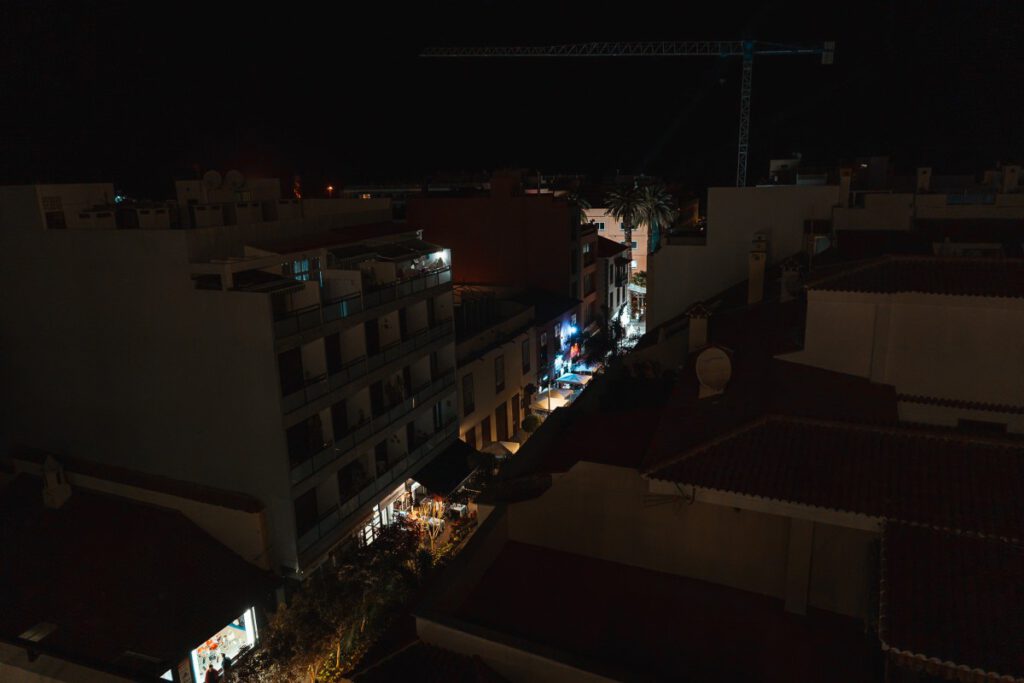
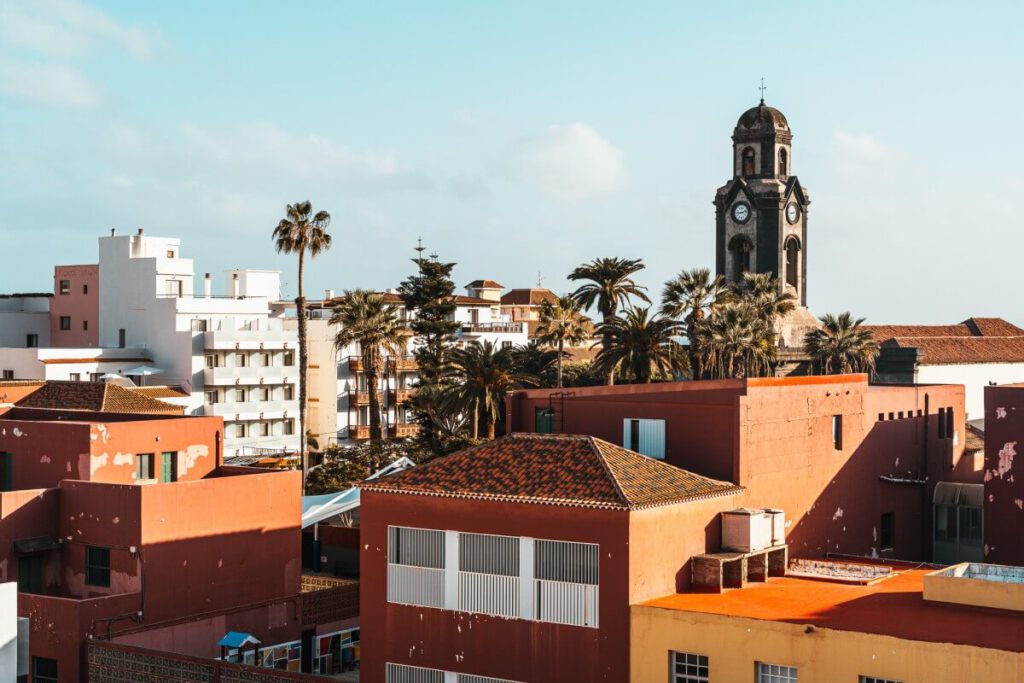
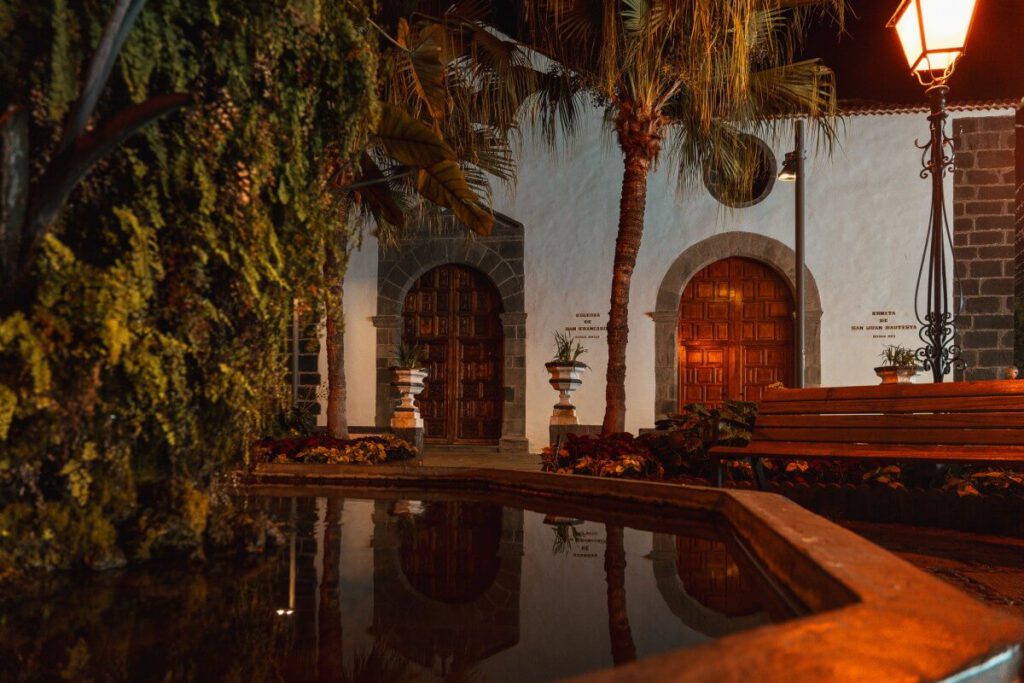
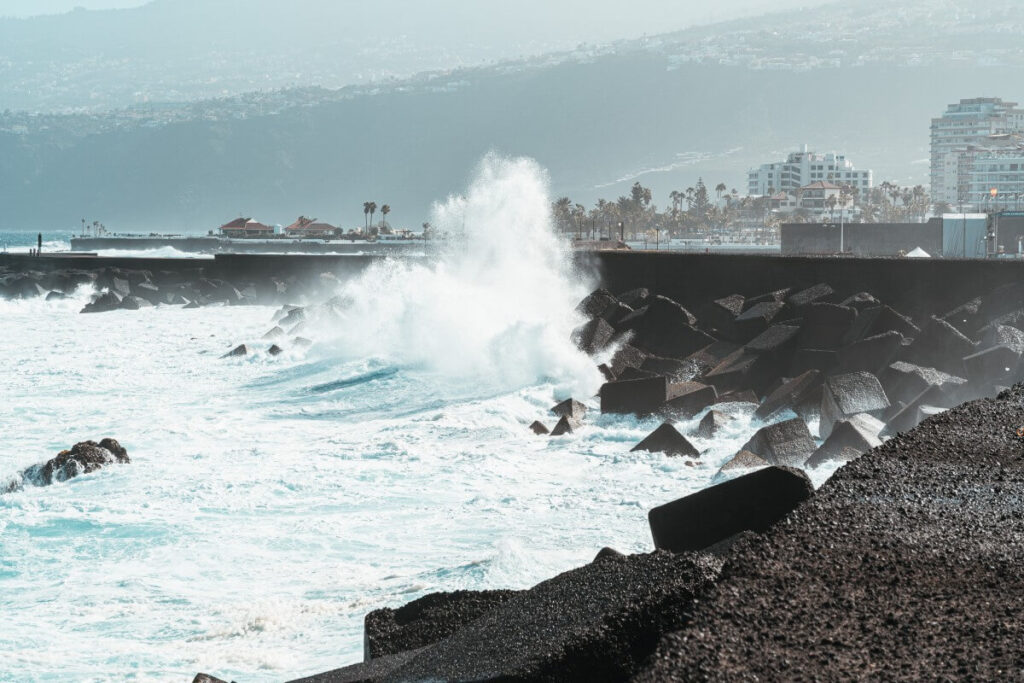
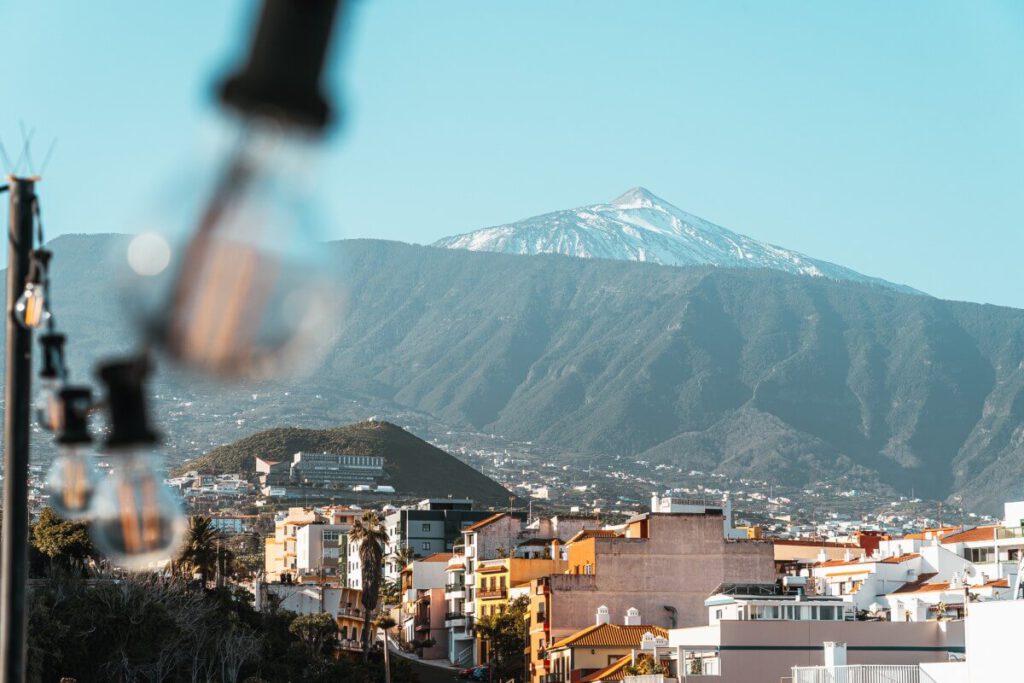
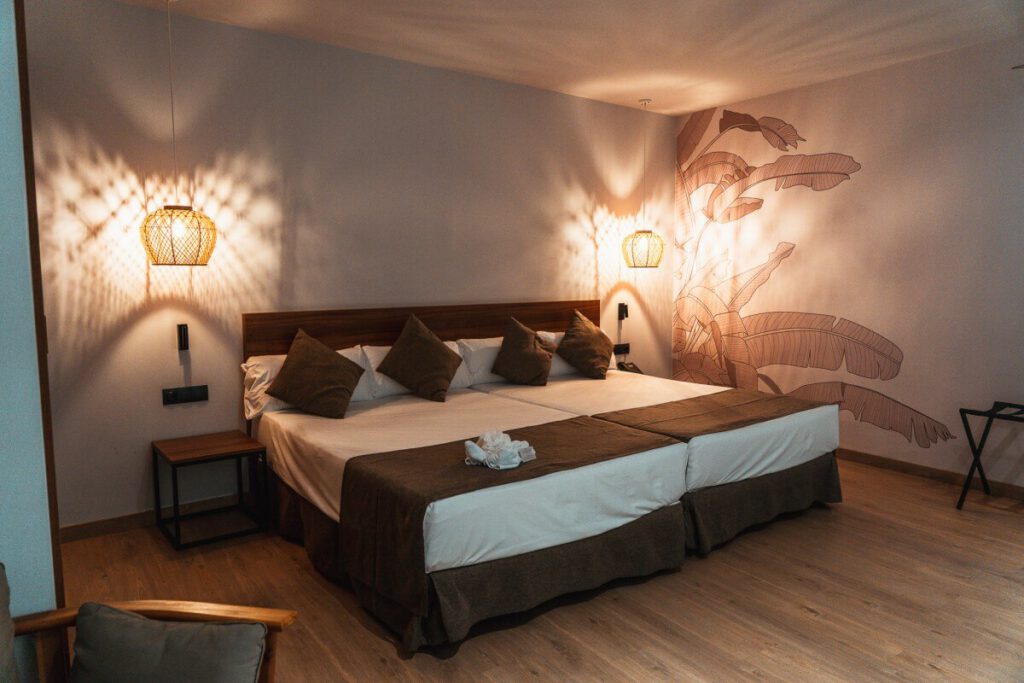
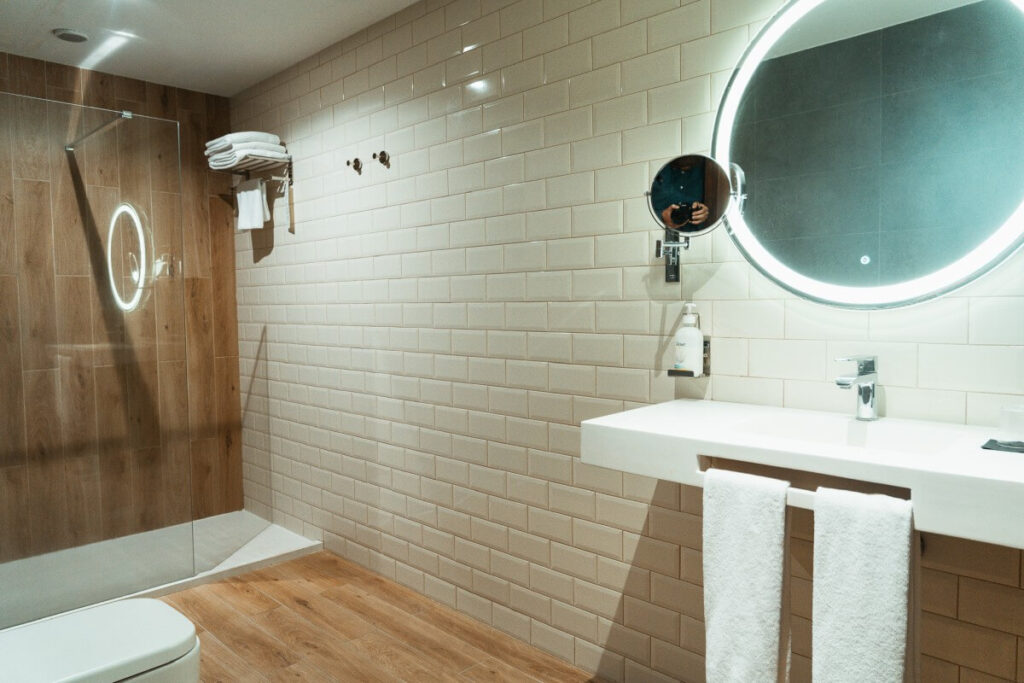
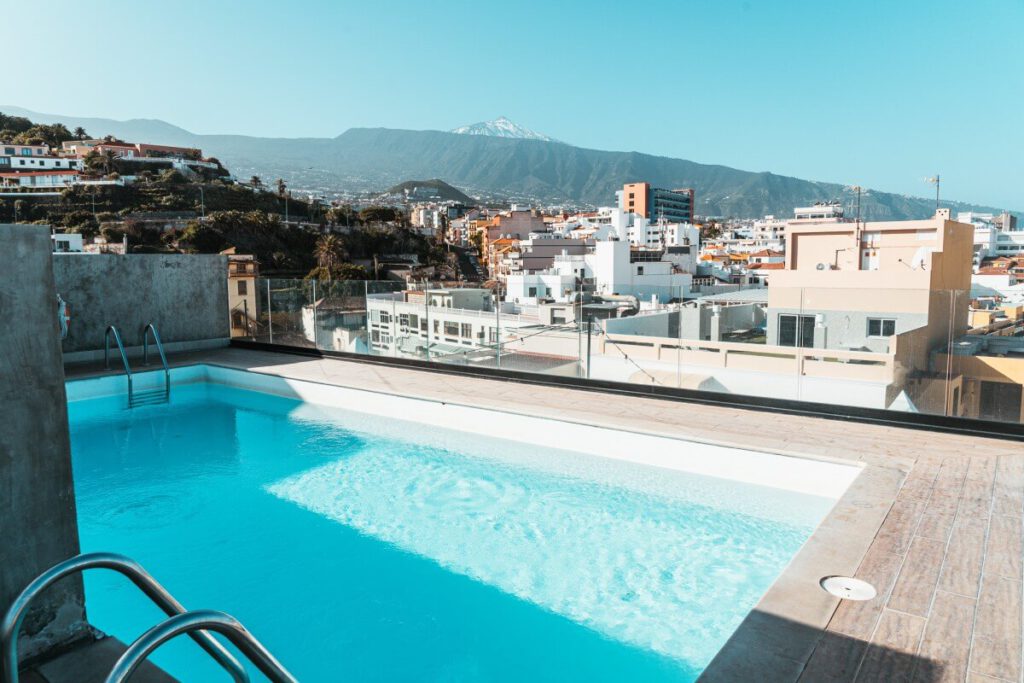
In my opinion, the best hotel – one that’s both well-equipped and offers excellent value for the money – is the 3-star Hotel DWO Nopal. It features family rooms with huge beds and spacious bathrooms, a rooftop pool with a great view of Mount Teide and the city’s rooftops, and a delicious breakfast buffet. The hotel is also very centrally located in the heart of the Old Town.
There’s a beautiful botanical garden in Puerto de la Cruz, and the colorful Agatha Christie Stairs are also an Instagram hotspot. But what I enjoyed most was simply strolling through the old town, checking out the squares, shopping, and people-watching.
For families with children, Loro Parque – a zoo featuring gorillas, tigers, a penguin enclosure with an artificial iceberg, and dolphin shows – is definitely a highlight. I skipped it myself, though. You can also buy official admission tickets online in advance.
La Orotava
La Orotava is just a 10-minute drive from Puerto de la Cruz and is best known for the Casa de los Balcones. But there’s more to discover in this hilly mountain town.
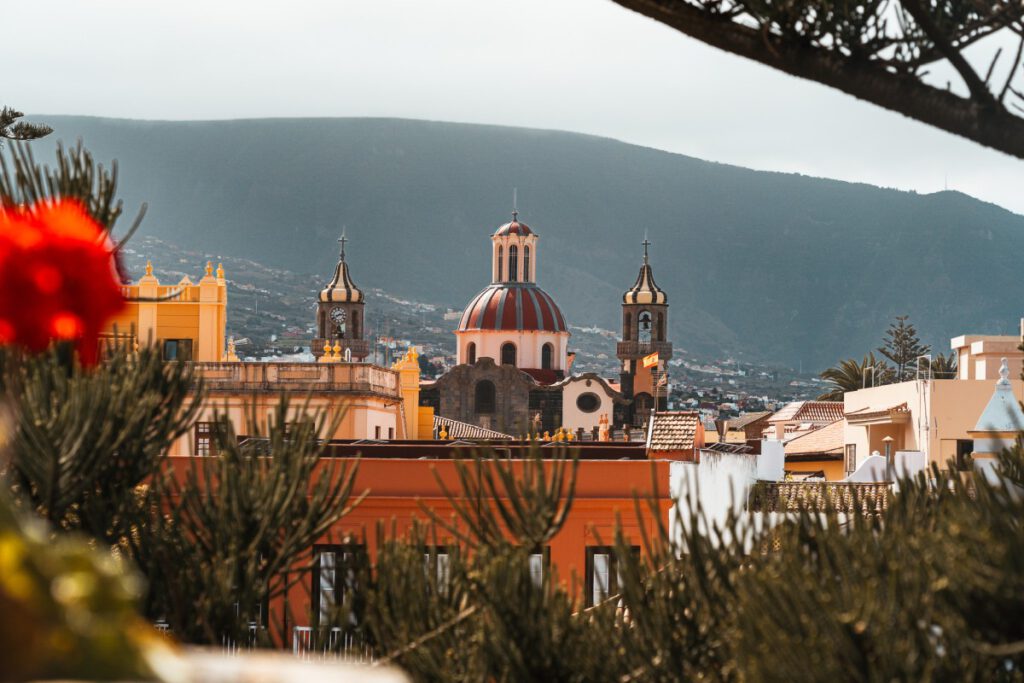
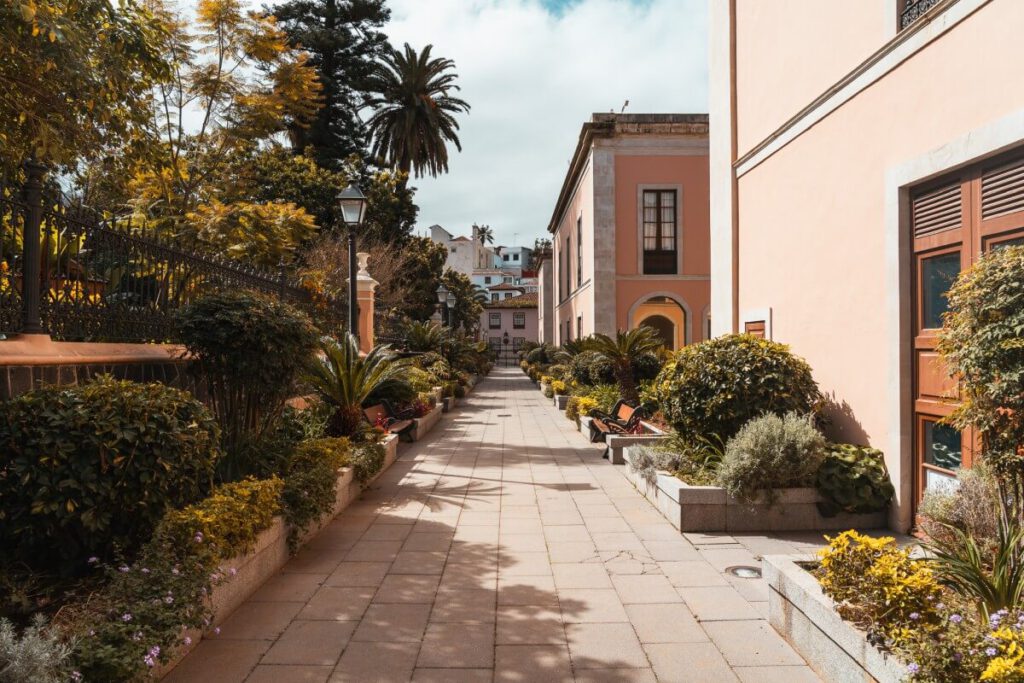
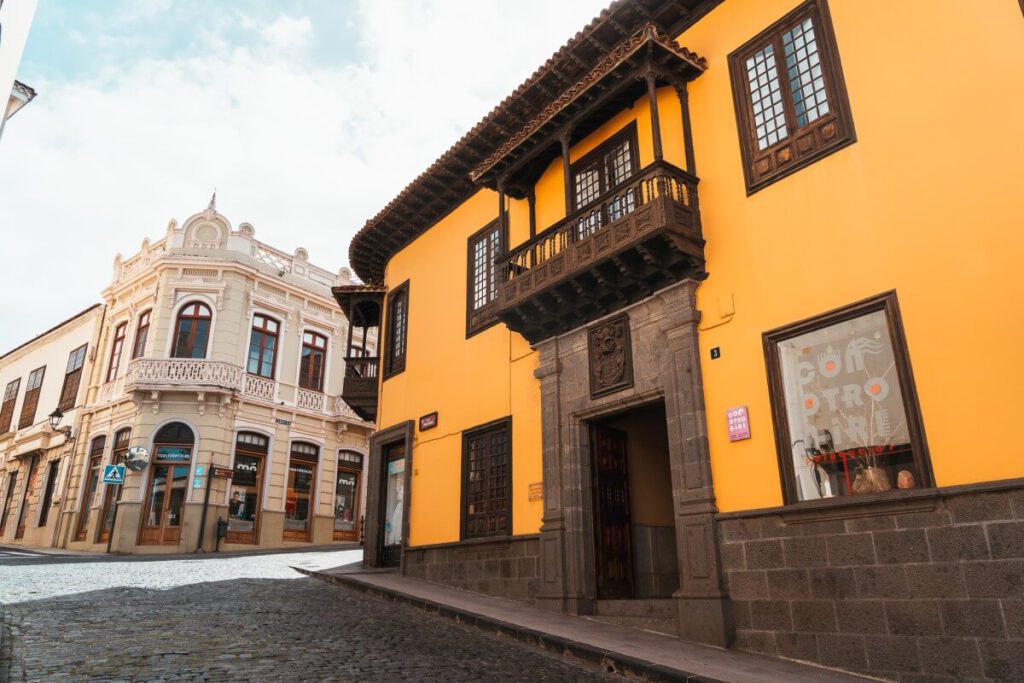
In the following article, I’ll tell you about the city’s best attractions:
3. From Puerto de la Cruz to San Cristóbal de La Laguna
Days 6 through 9: 3 nights
Hotel recommendations:
- More Affordable: Hotel Boutique San Diego
- More Luxurious: La Laguna Gran Hotel
Day 6 will be your second day of travel. In the morning, you’ll have plenty of time for breakfast before setting out to discover some amazing spots along the coast that few tourists visit. San Cristóbal de La Laguna will be your base for the next two full days. Here, you’ll find a brilliant blend of culture and nature. While you make your way through the jungle of the impressive Anaga Mountains during the day and discover charming little coastal villages, you’ll explore the highlights of the historic city center – a UNESCO World Heritage Site – in the mornings and evenings.
La Quinta
La Quinta is a place that many tourists visiting Tenerife will never see. Yet there are actually two hidden gems here that you should explore and that are worth a stop.
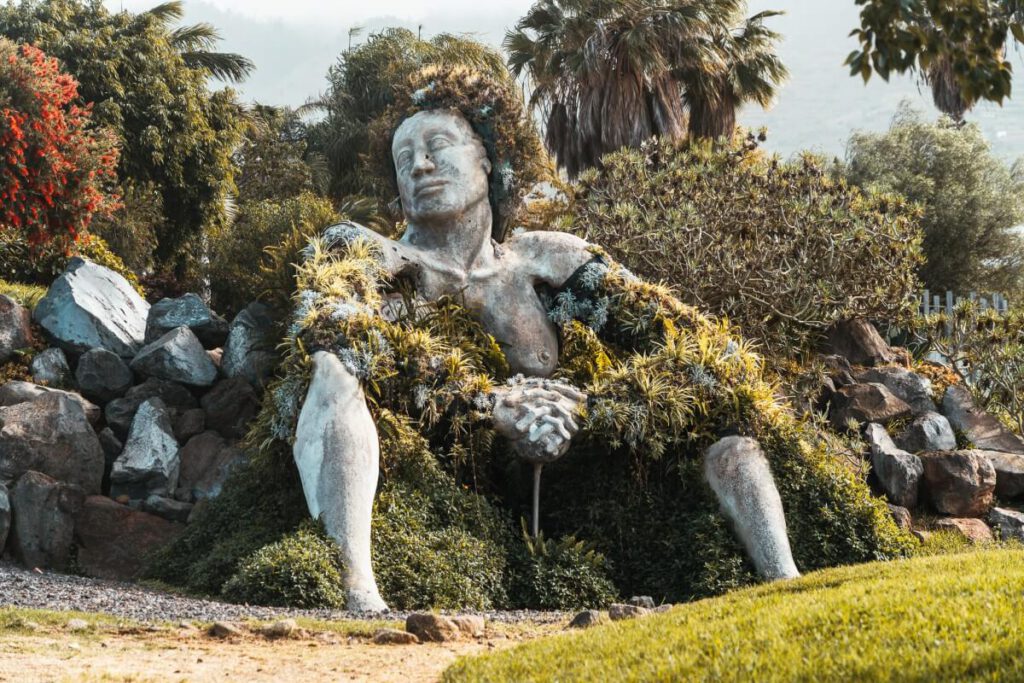
The first is the sculpture *La Giganta* in the idyllic Jardin Social La Quinta – a statue of a seated woman covered in plants. Next to the Jardin, there is also a short hiking trail through the Bosque Termófilo garden.
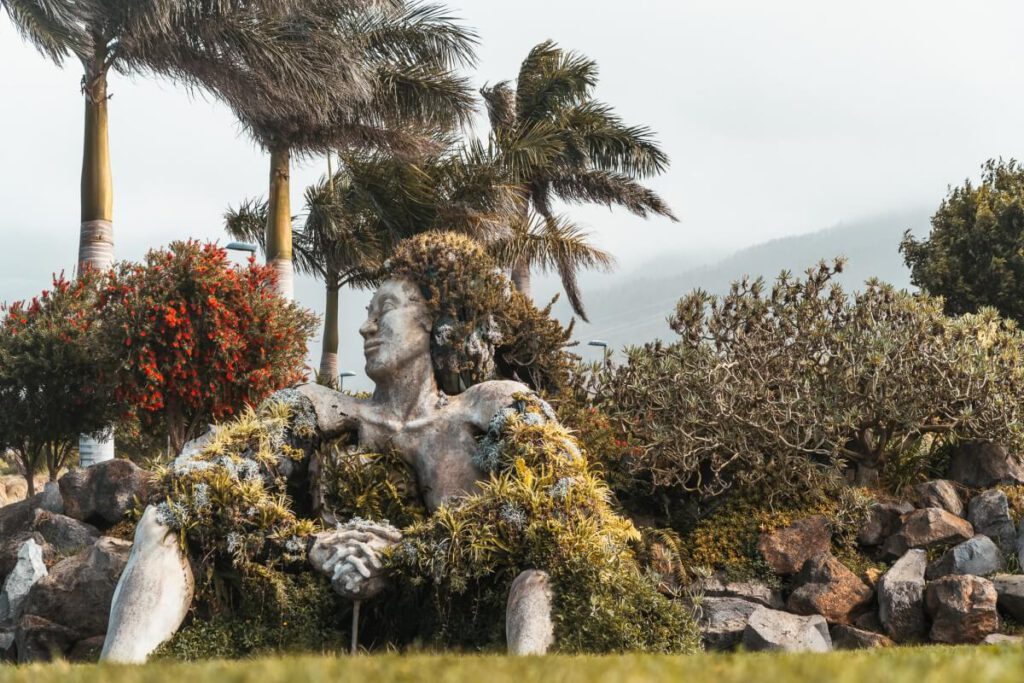
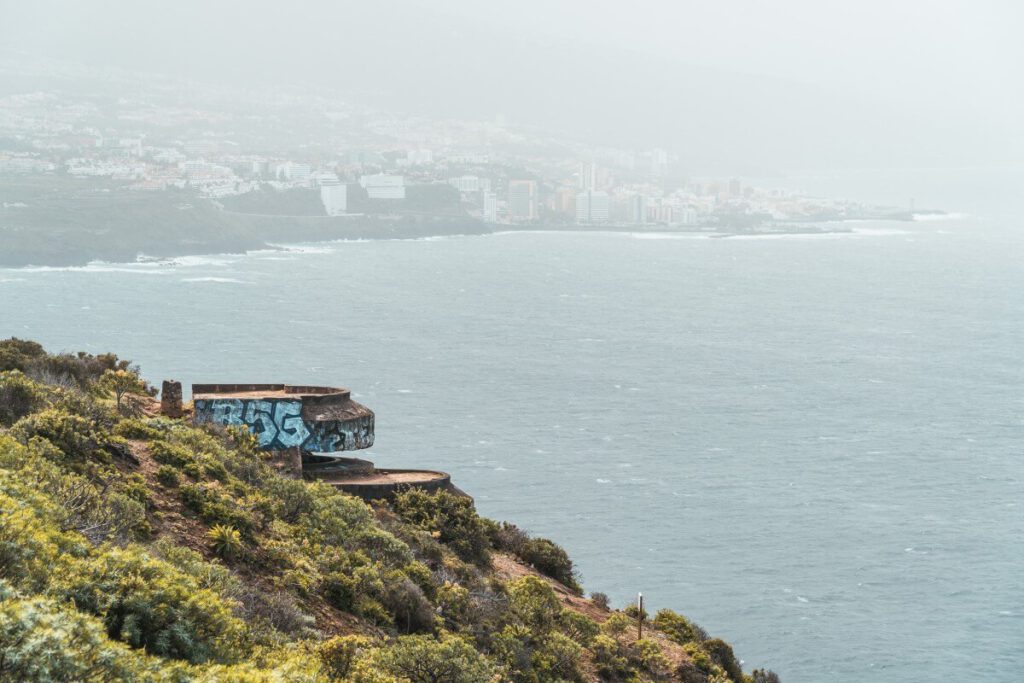
The second spot is the hidden Santa Úrsula bunker. Behind the roadblock at the Mirador Santa Úrsula, a small path leads right up to it. From the bunker, you have an amazing view of the coast.
Punta del Hidalgo
At Punta del Hidalgo, the Anaga Mountains form a flat lava promontory jutting out into the Atlantic Ocean. This headland in the north of the island isn’t a tourist hotspot on Tenerife, and that’s exactly why I found the place interesting.
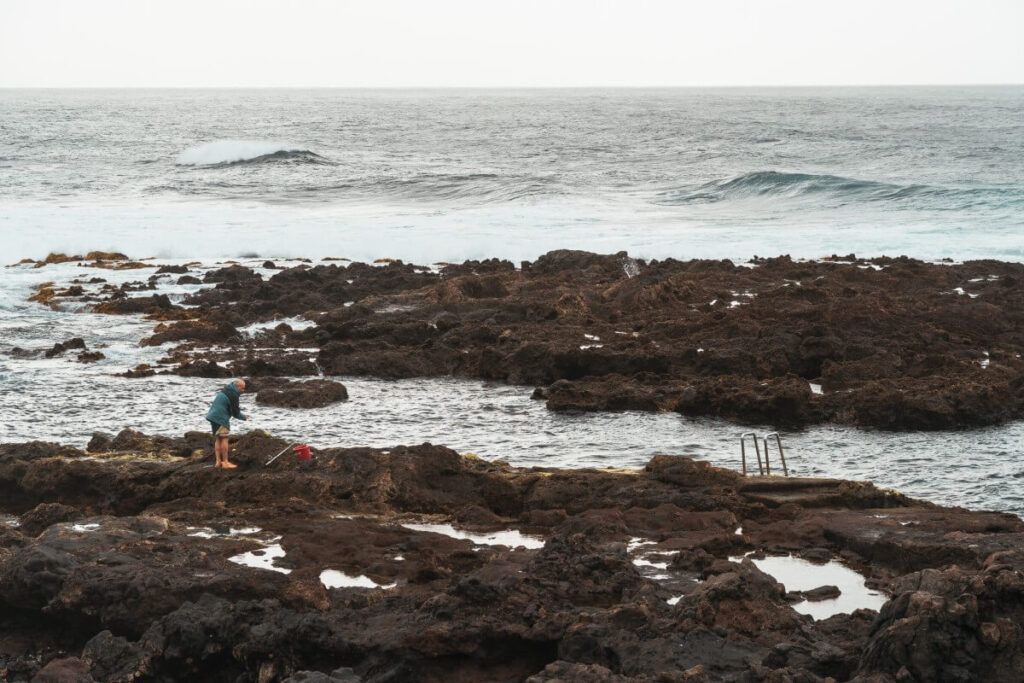
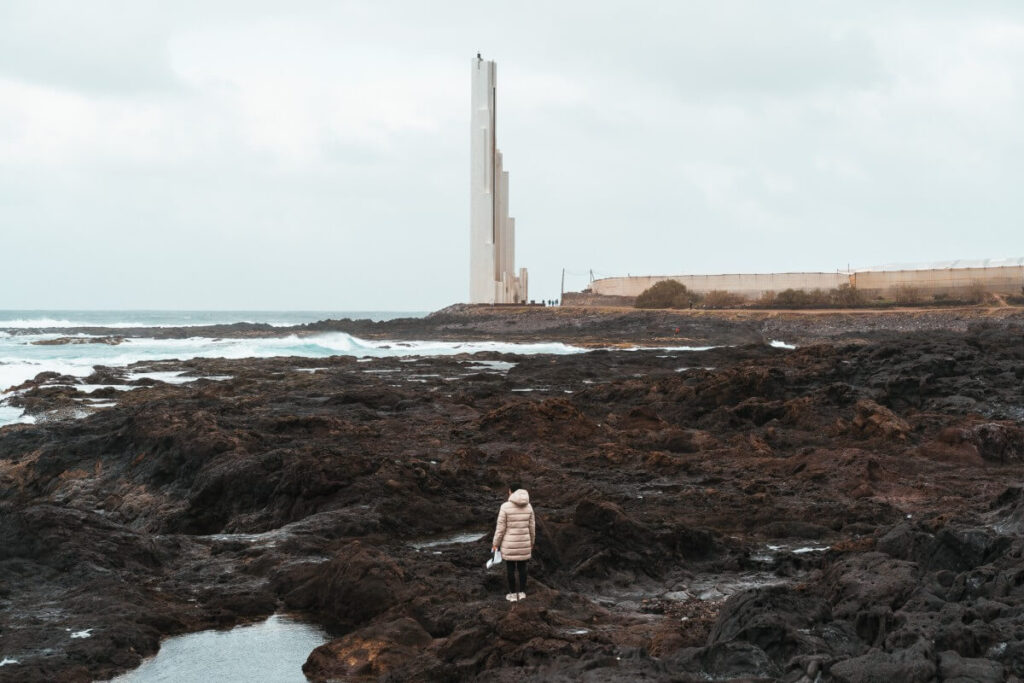
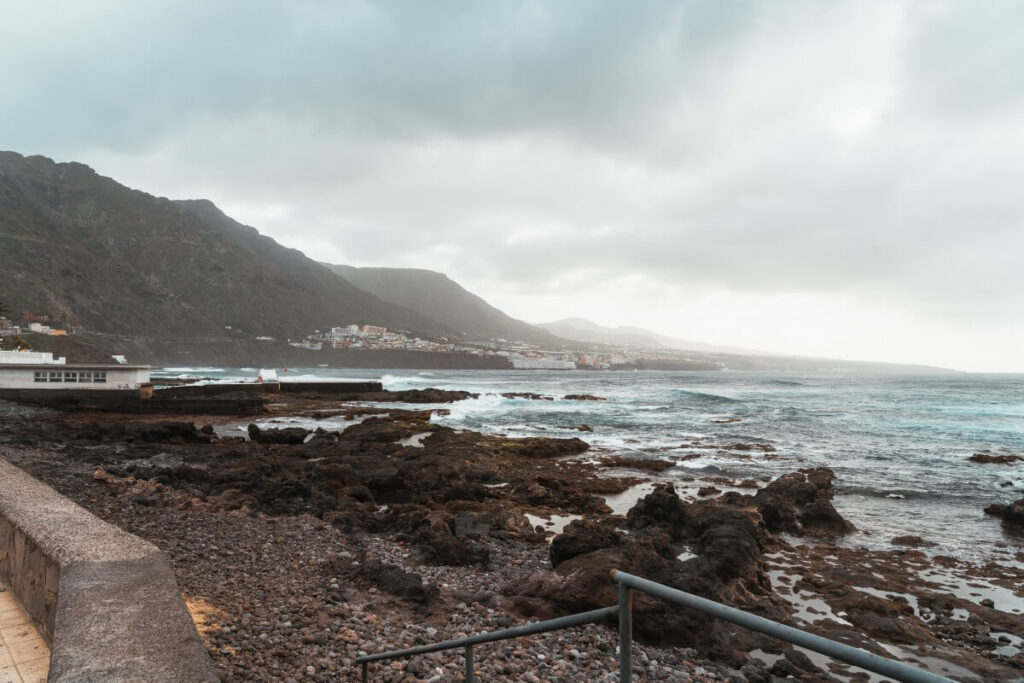
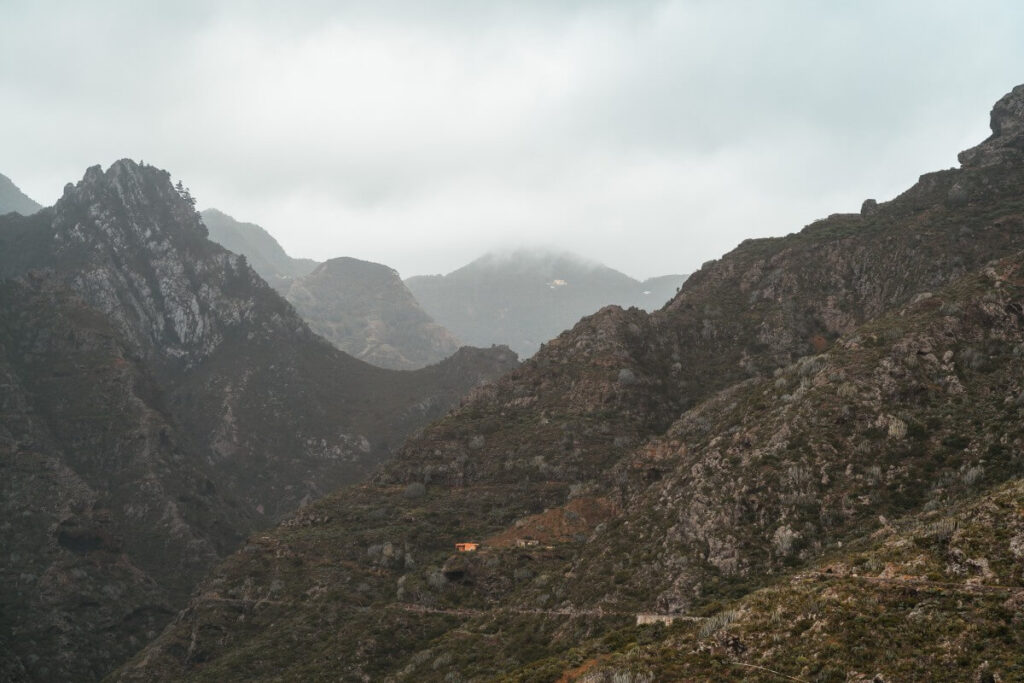
In the foreground, the churning sea; behind it, the menacing cliffs of the Anaga Mountains, with dark clouds hanging over them. On a stormy day, Punta del Hidalgo feels a bit like the end of the world.
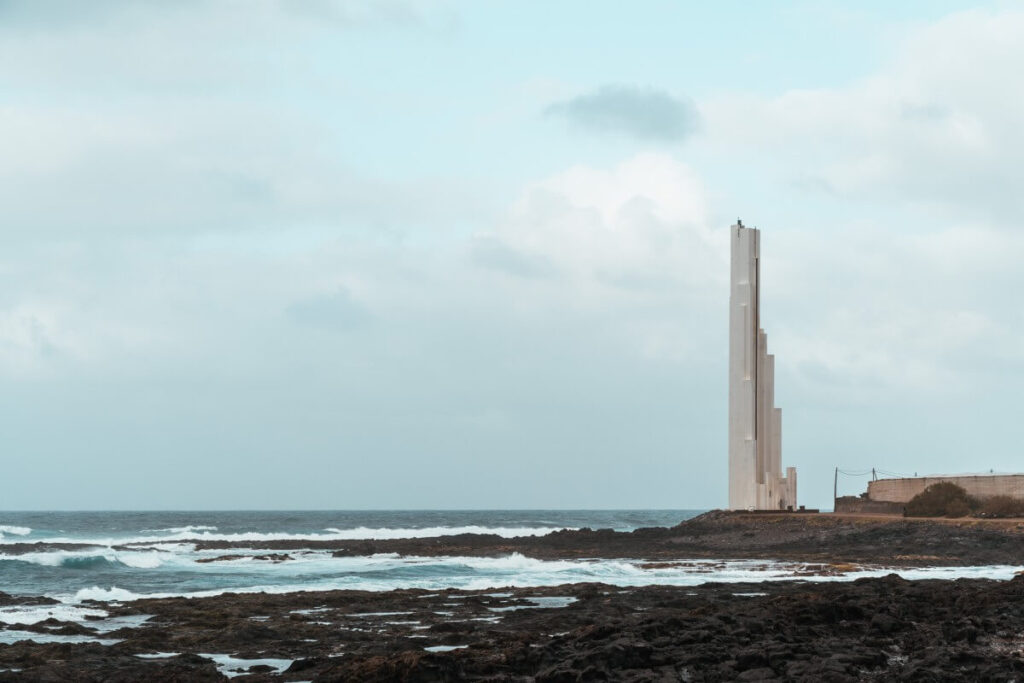
The highlight here is the 50-meter-tall lighthouse. Some say it’s ugly. And indeed, this white, rather modern concrete structure isn’t exactly a postcard-worthy sight. But its unique shape, reminiscent of a cluster of basalt columns, and its color – which stands out from the rest of the landscape – definitely make it an eye-catcher.
San Cristóbal de La Laguna
San Cristóbal de La Laguna has been a UNESCO World Heritage Site since 1999 and was built in a sort of checkerboard pattern. Its city layout, dating from the late 15th century, served as a model for many colonial cities in Latin America (such as Havana) in the 16th century. As you stroll through the narrow streets of the old town here, you’re sure to feel as if you’ve been transported back to those bygone days.
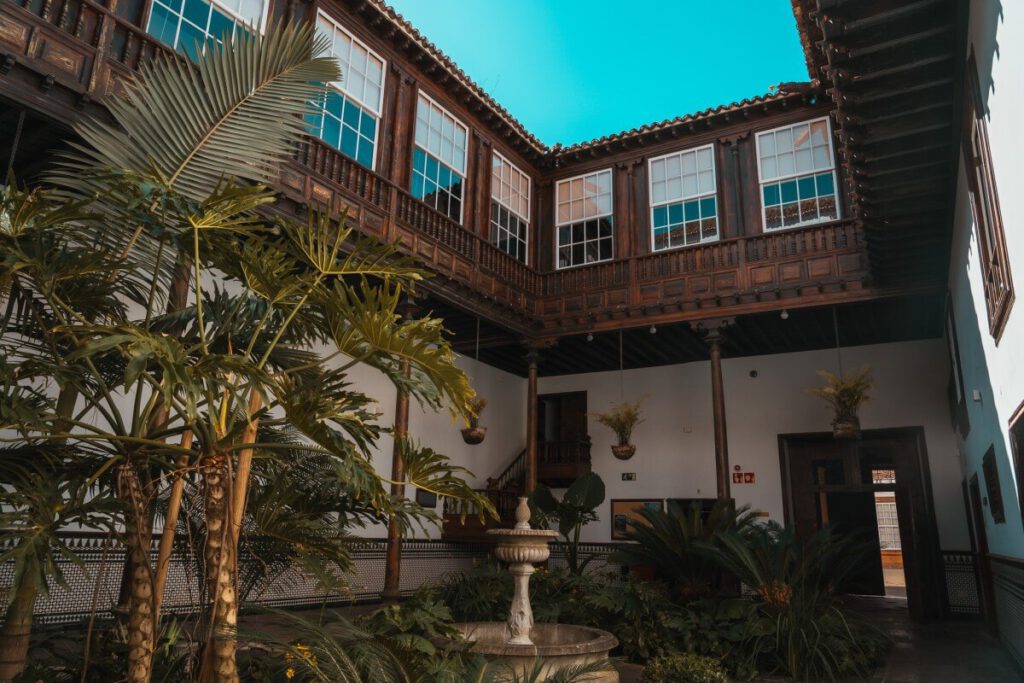
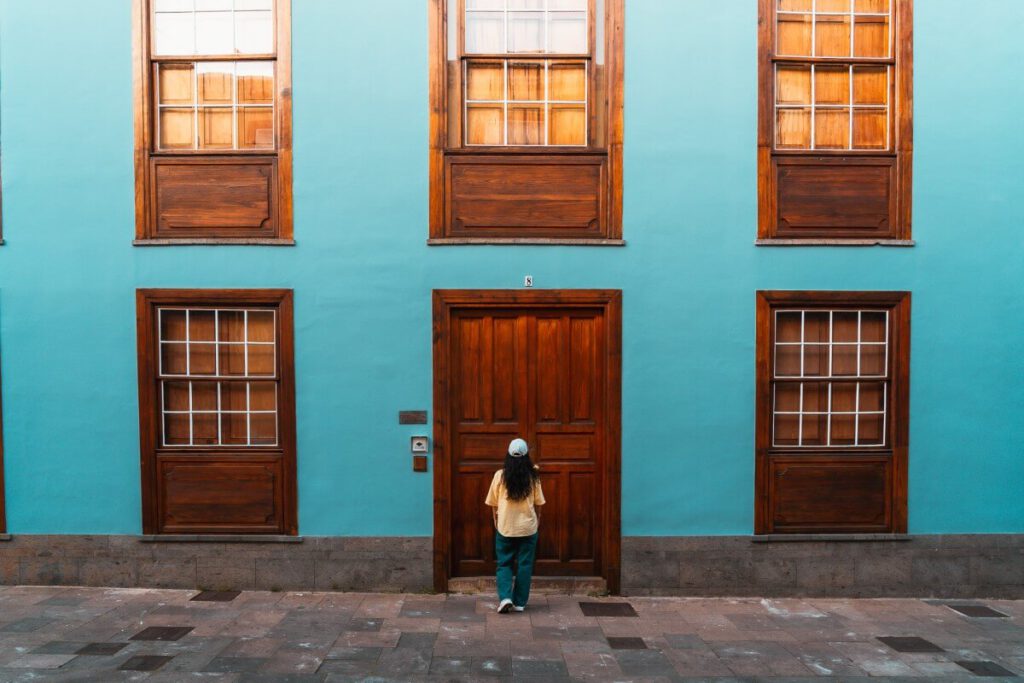
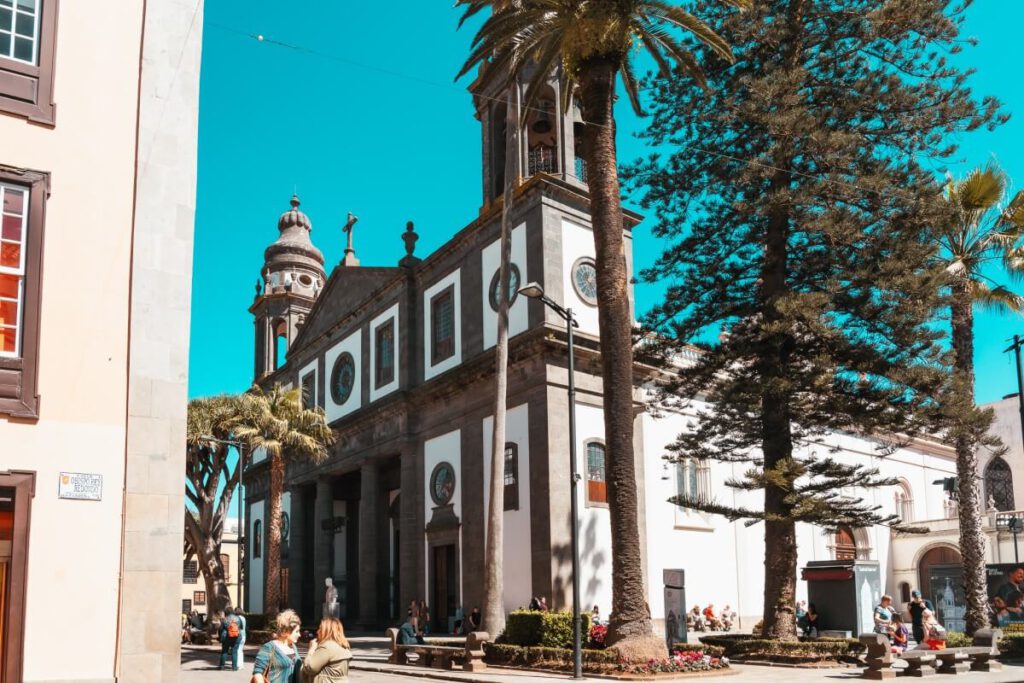
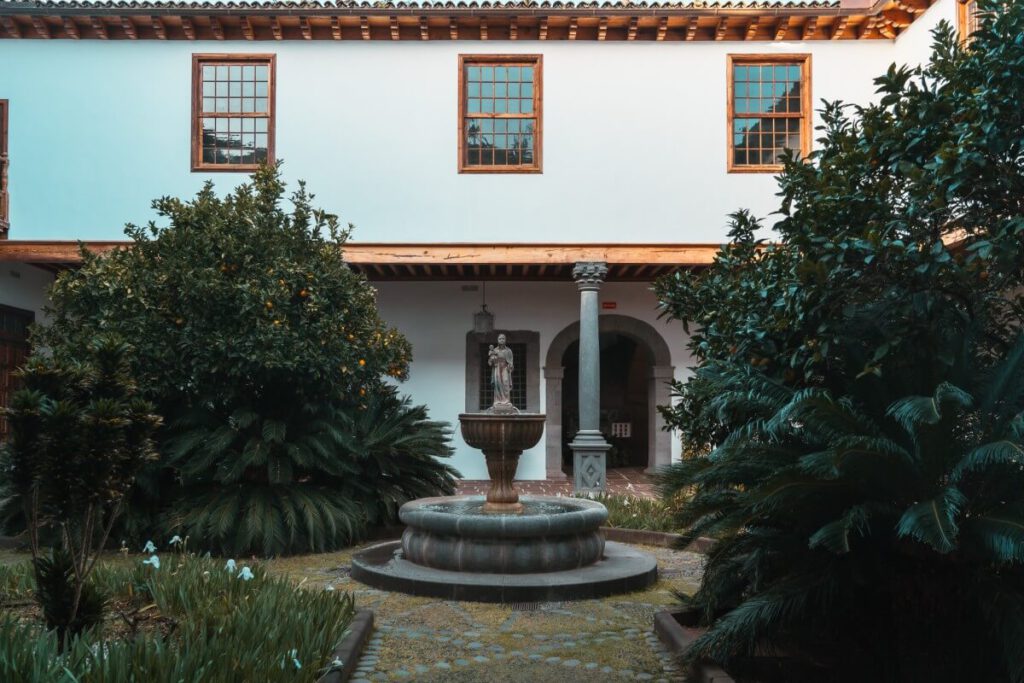
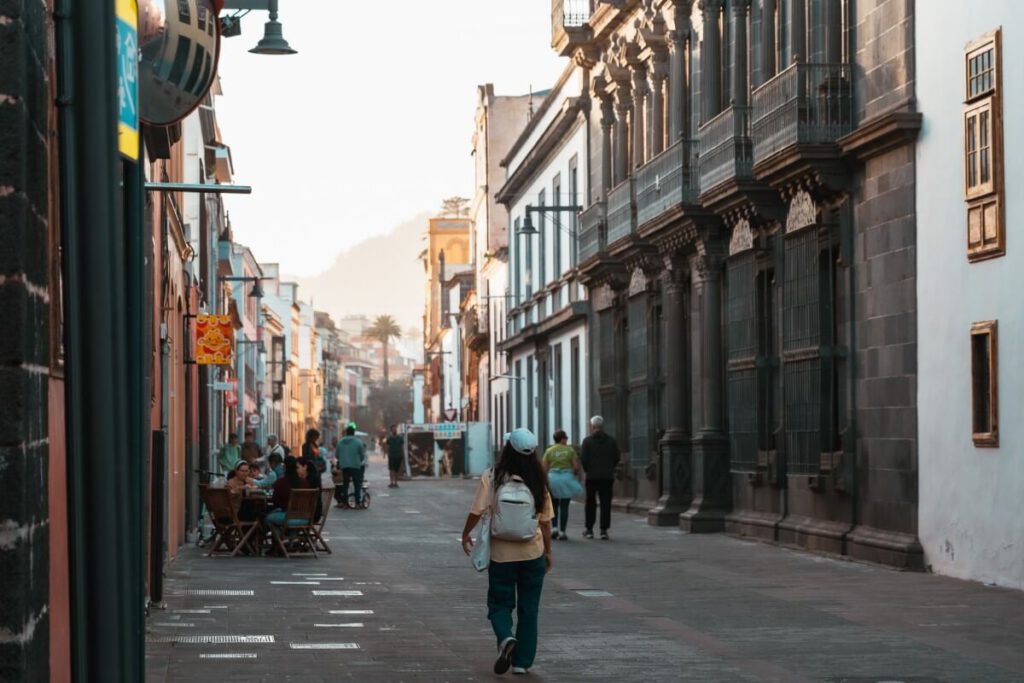
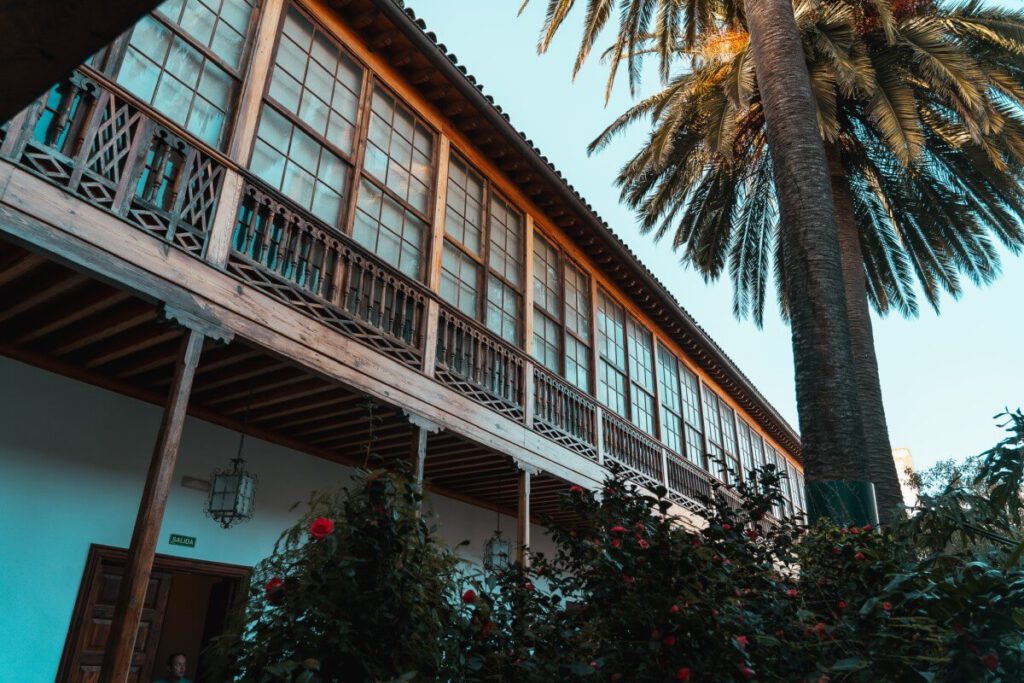
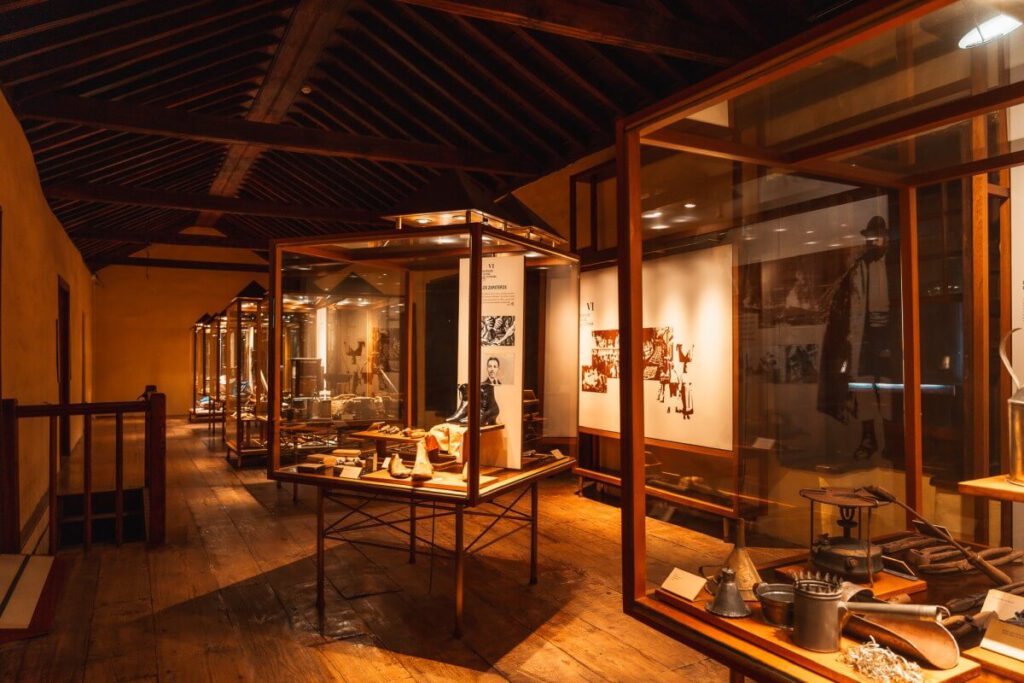
Calle San Agustín is considered one of the most beautiful streets in Spain. Many casas – which you can visit during the day – are located here, such as the Casa Salazar and the Casa Montañés. The Museum of History and Anthropology of Tenerife is also worth a visit. It’s located in the Casa Lercaro, a magnificent Renaissance palace with a patio. Here, you’ll learn a lot about the history of the town and the island in general.
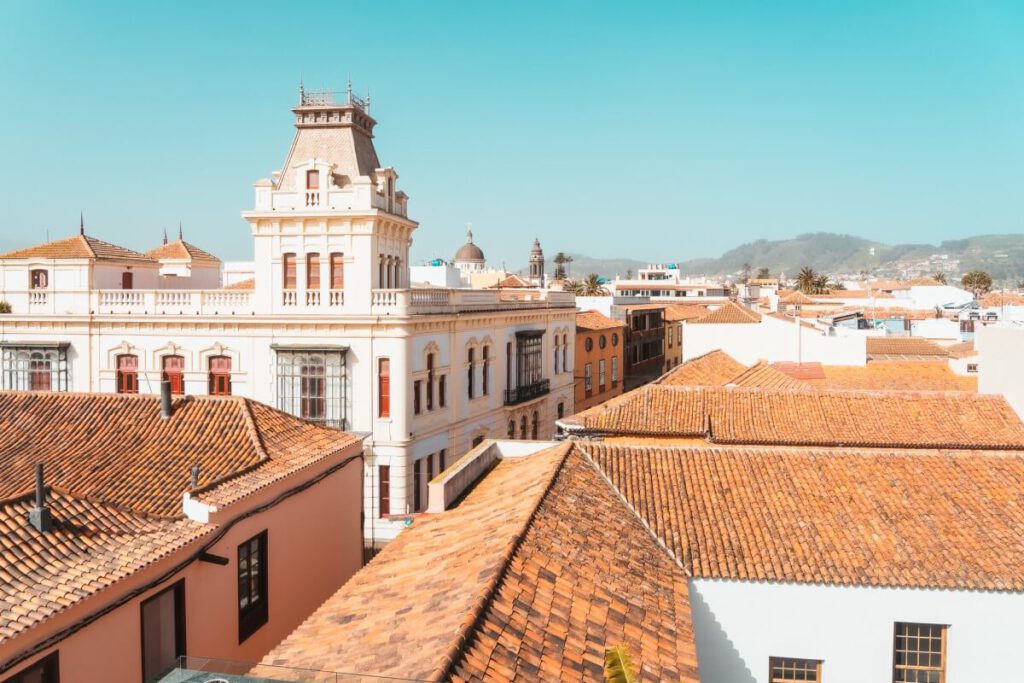
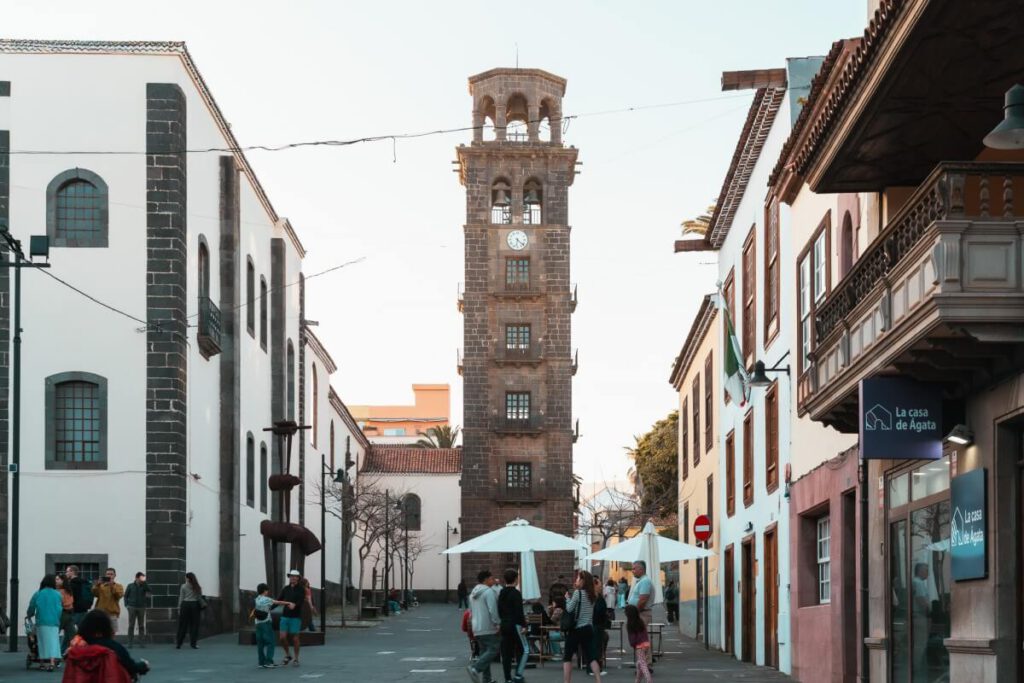
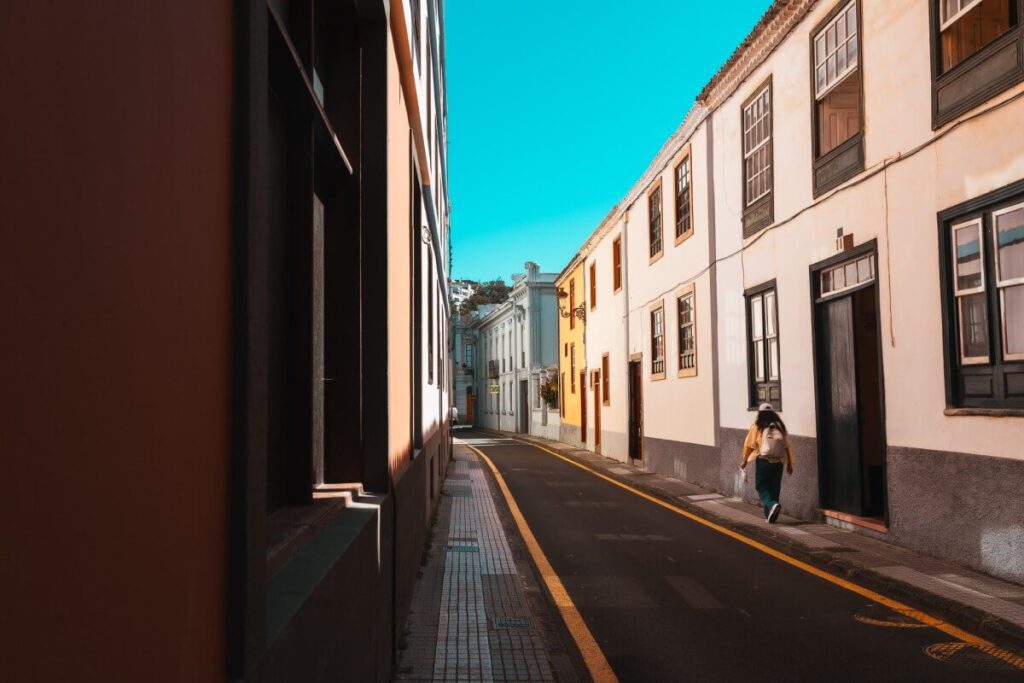
Other highlights include the cathedral, the former San Agustín Monastery, the Teatro Leal, the Plaza del Adelantado, and the Iglesia de la Concepción, whose bell tower you can climb to enjoy a view over the city’s rooftops. My restaurant recommendation in the Old Town is Gulagú. They serve high-quality tapas in a relaxed atmosphere. You’ll find truly delicious local pastries and tartlets at Dulceria la Catedral.
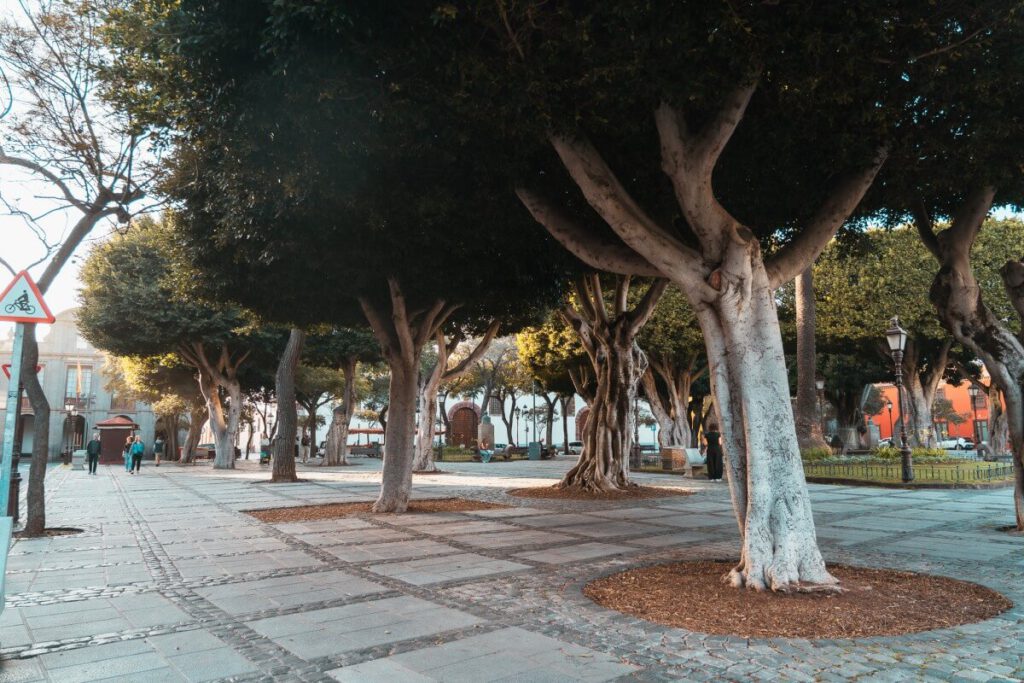
I stayed here at the La Laguna Gran Hotel, a historic colonial-style hotel. I especially loved the courtyard, which was filled with palm trees and green plants, as well as the rooftop terrace with a pool. The breakfast was really good, too.
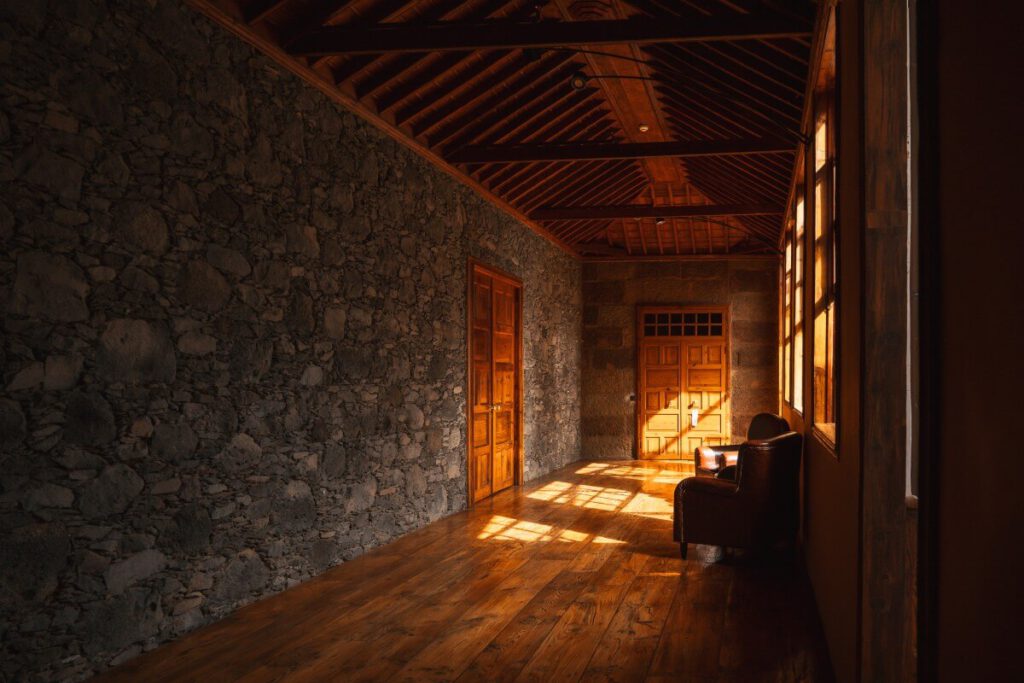
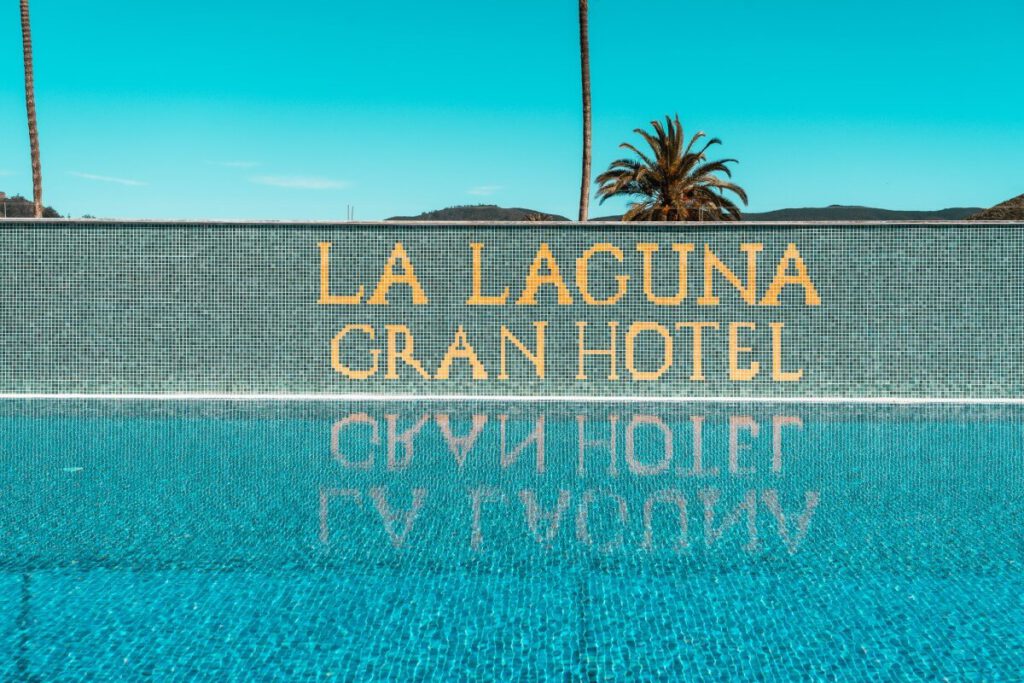
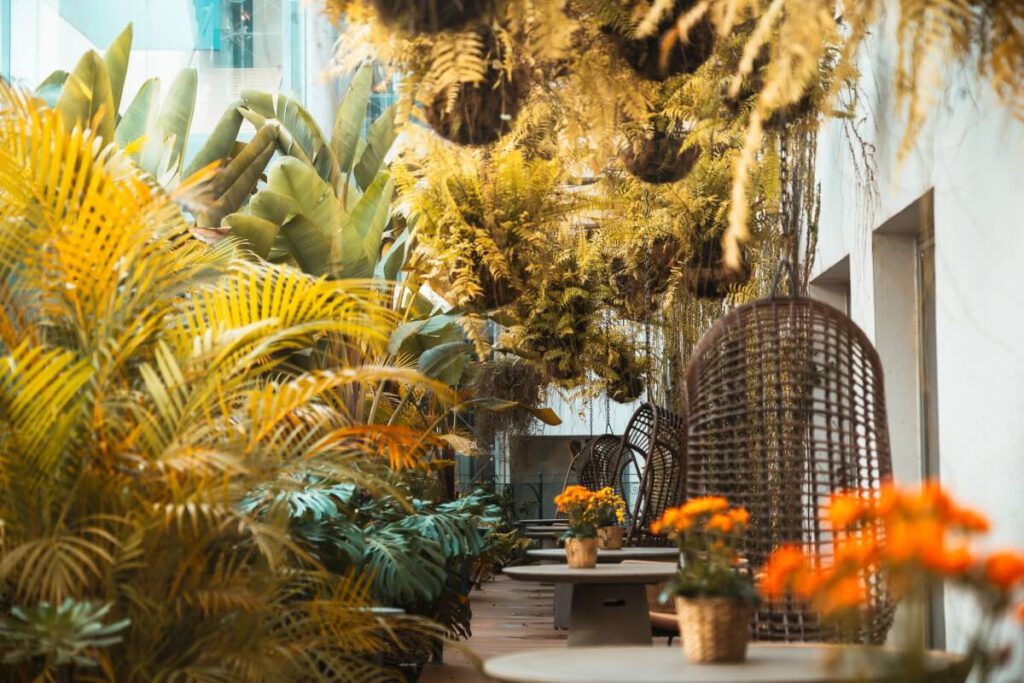
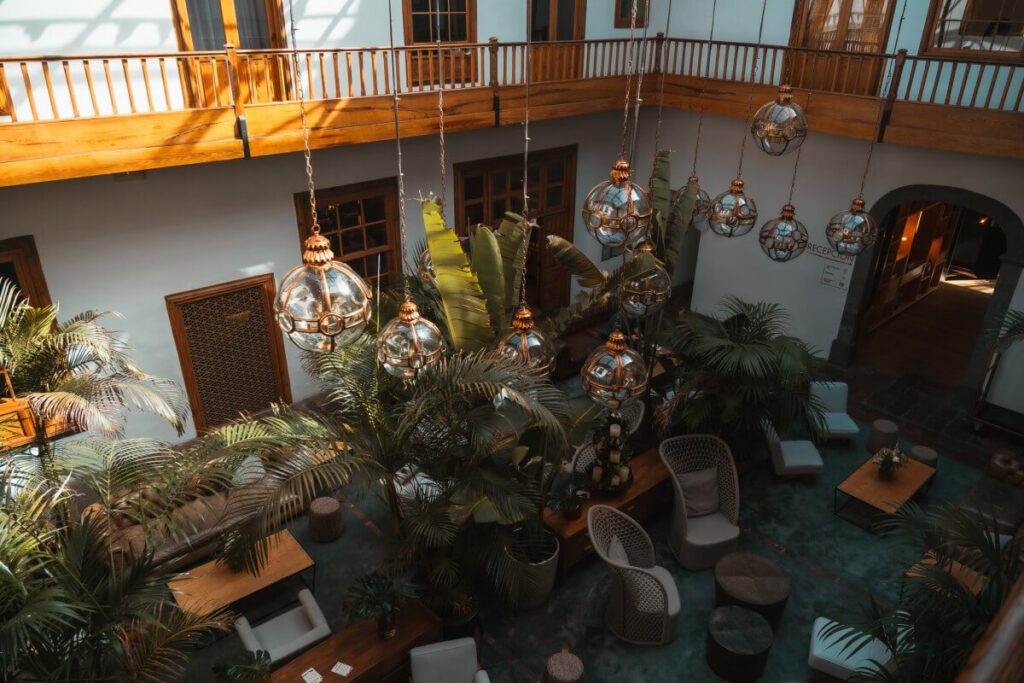
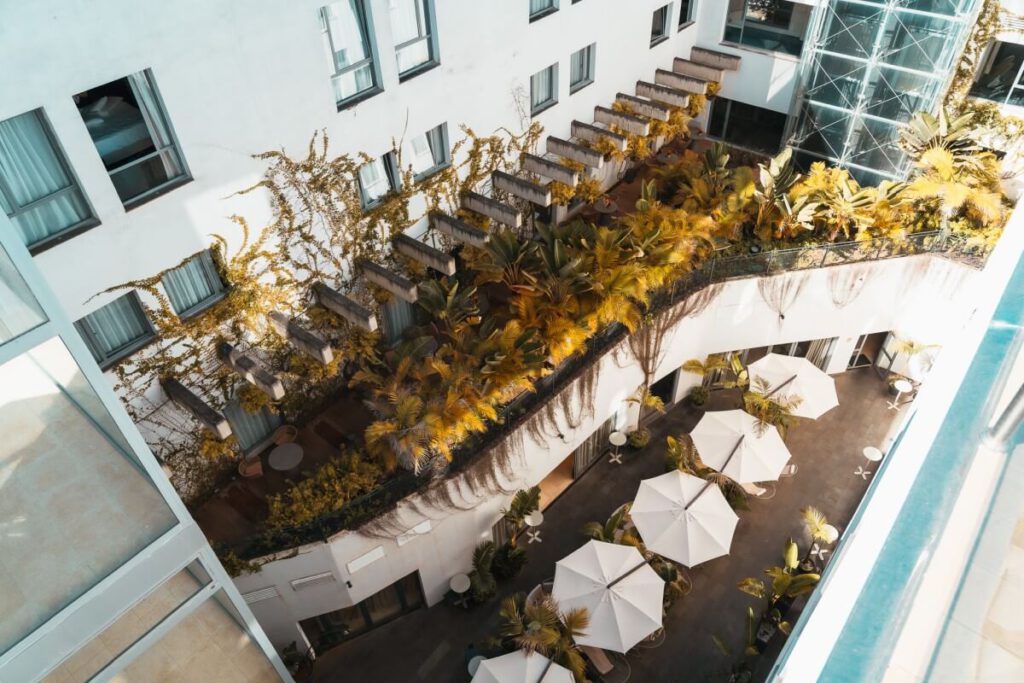
An alternative is the Hotel Boutique San Diego, located just outside the city center but still within walking distance. Here, you can enjoy breakfast in the lush garden or on the bright, sunny terrace.
Anaga Landscape Park
San Cristóbal de La Laguna is an excellent starting point for exploring the neighboring Anaga Mountains. The Anaga is the oldest part of Tenerife: Formed seven to nine million years ago by volcanic eruptions, the massif now stretches about 20 kilometers in length and 5 to 10 kilometers in width (roughly 7% of the island’s total area). In 2015, the region was designated a biosphere reserve by UNESCO.
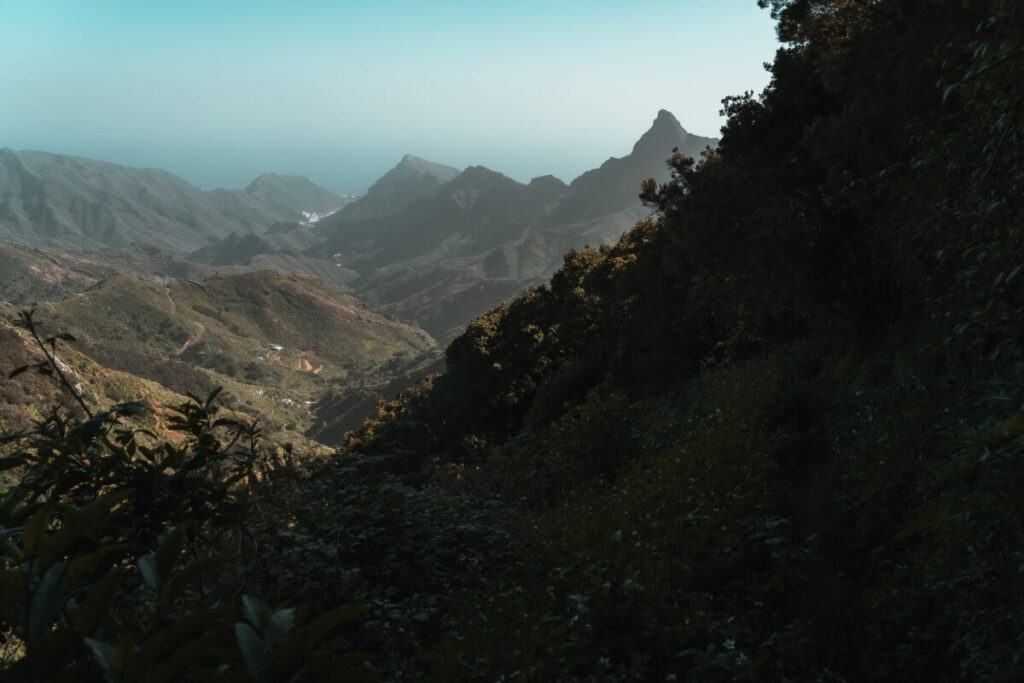
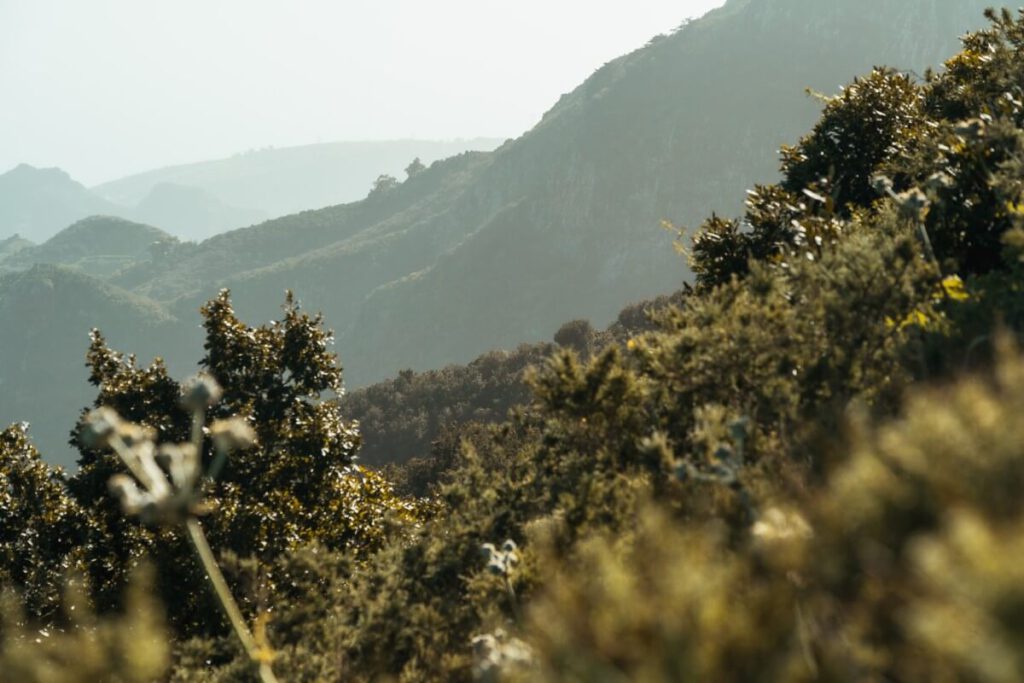
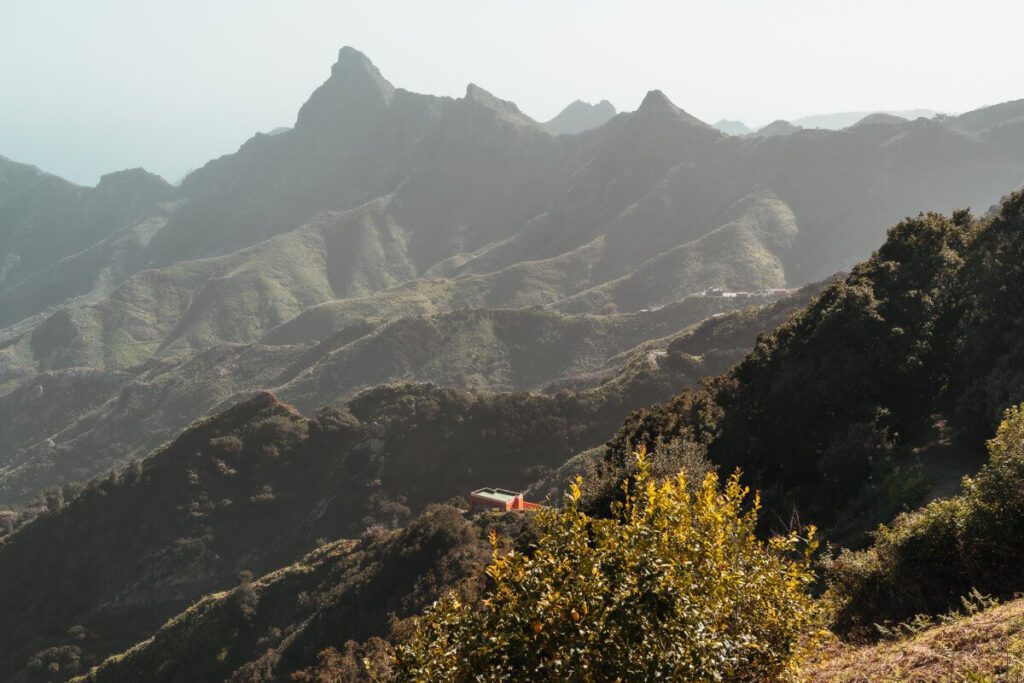
The entire Anaga Mountain Range is full of absolutely breathtaking hiking trails through lush laurel forests and jungles, offering spectacular views of the coast.
If I could recommend just one hike, it would be the loop trail in El Pijaral. El Pijaral is a specially protected area within the Anaga Regional Park. The loop trail takes you along the edge of this natural wonder through the secluded jungle all the way to the Cabezo del Tejo lookout point. From there, you’ll have a fantastic view of the northern coast of the Anaga Mountains and the village of Taganana.
You can find more details here:
I can also recommend driving along the TF-12 scenic route over the mountain ridge. A very popular spot along this route is Cruz del Carmen, where the visitor center is located, as well as the Path of the Senses. Not far from there, you’ll also find the Fairy Tunnel (Túnel de las Hadas) along the trail to the “Pico del Inglés” lookout point.
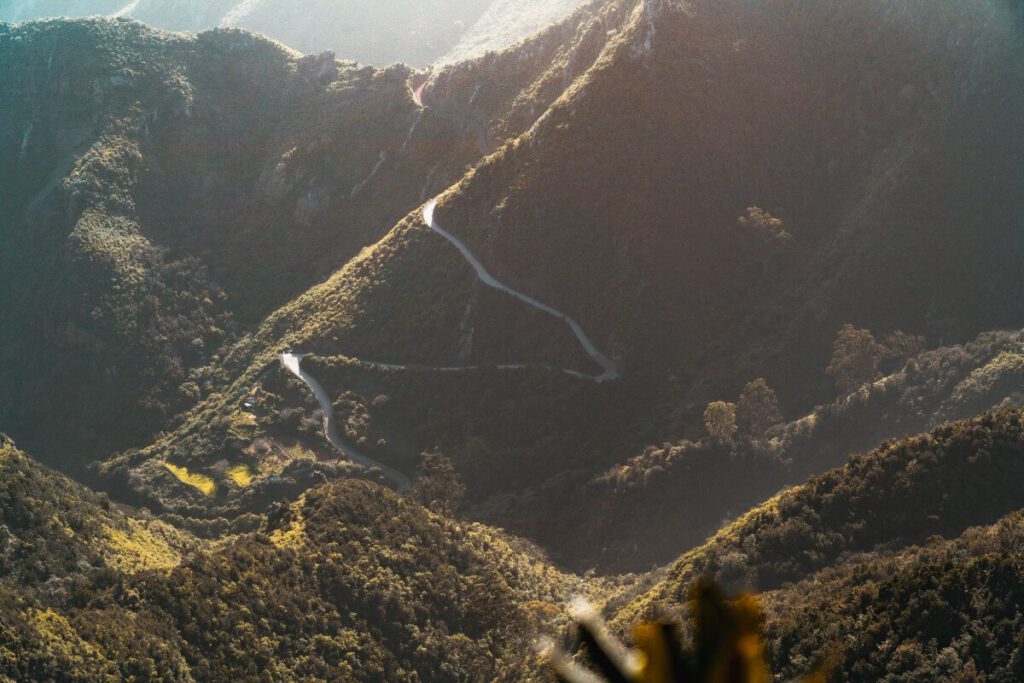
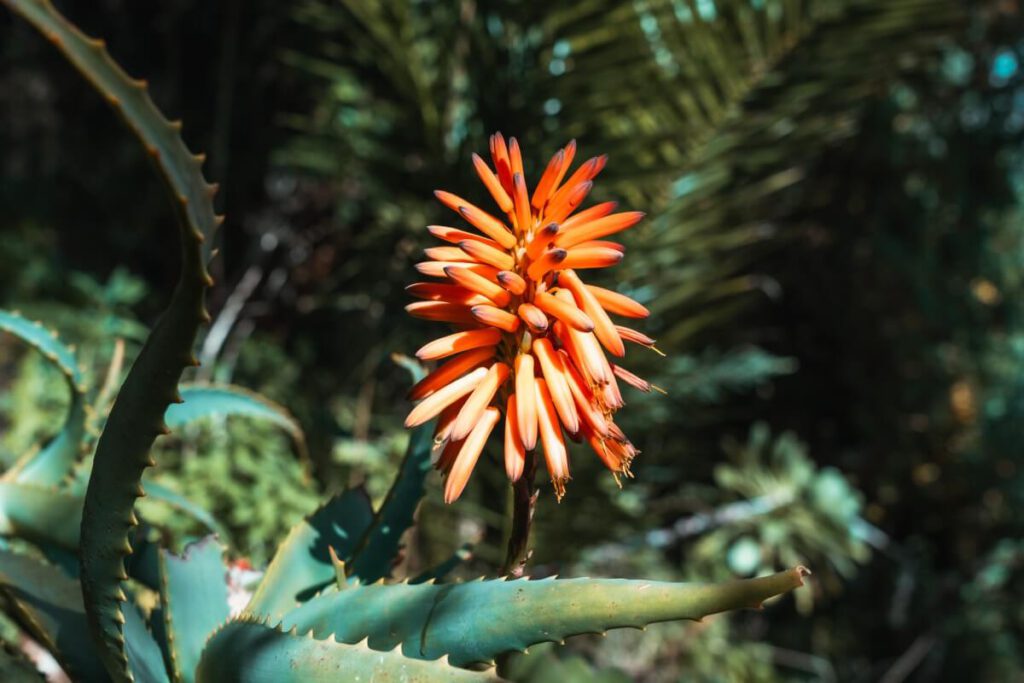
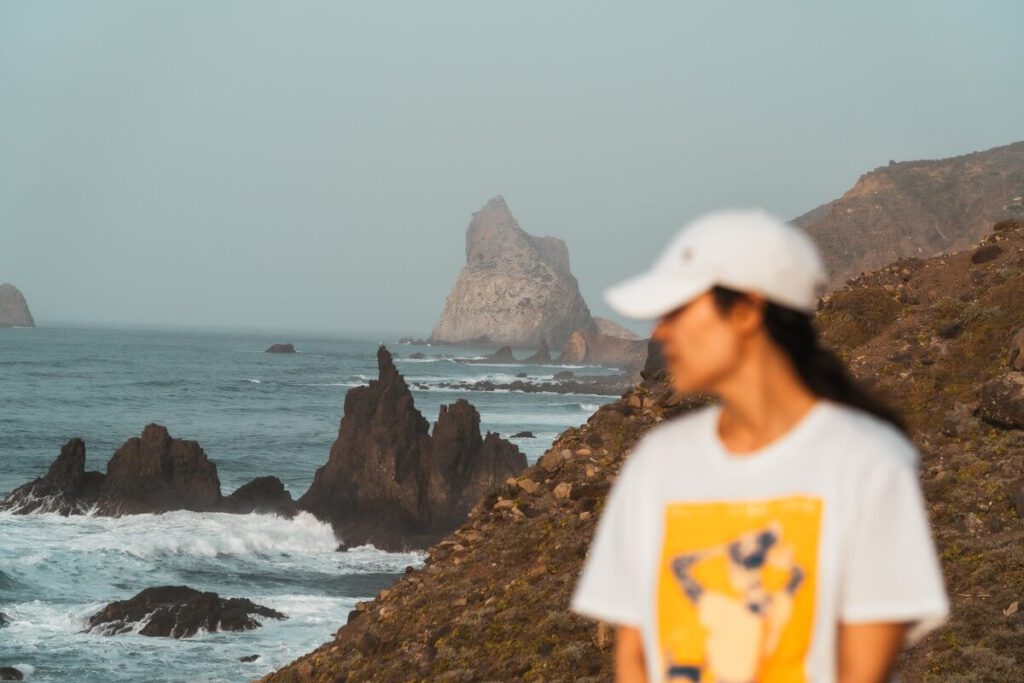
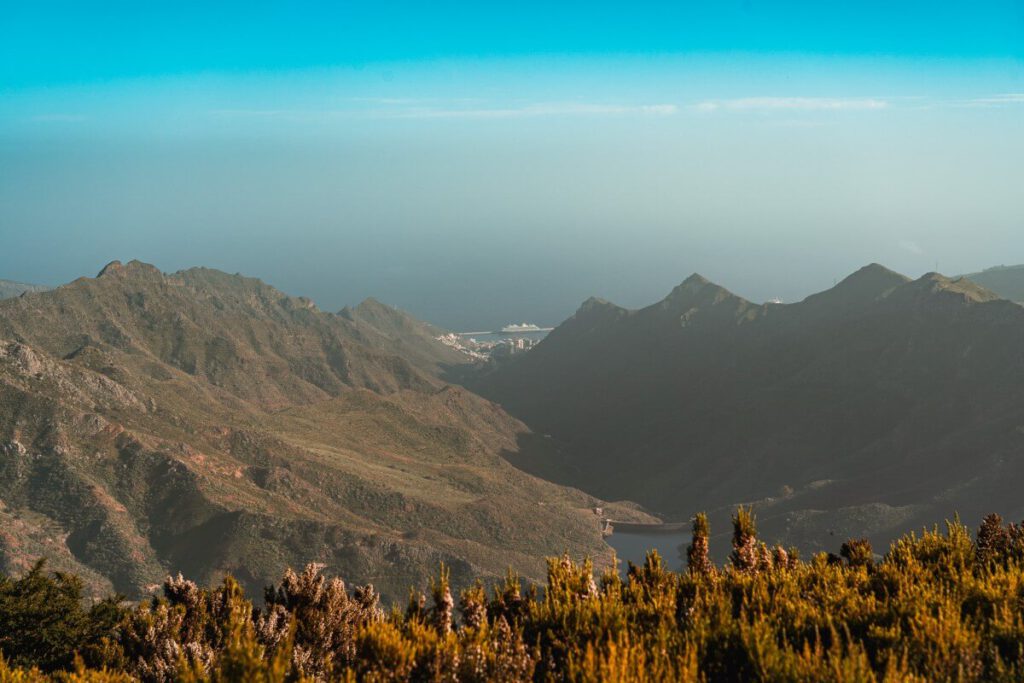
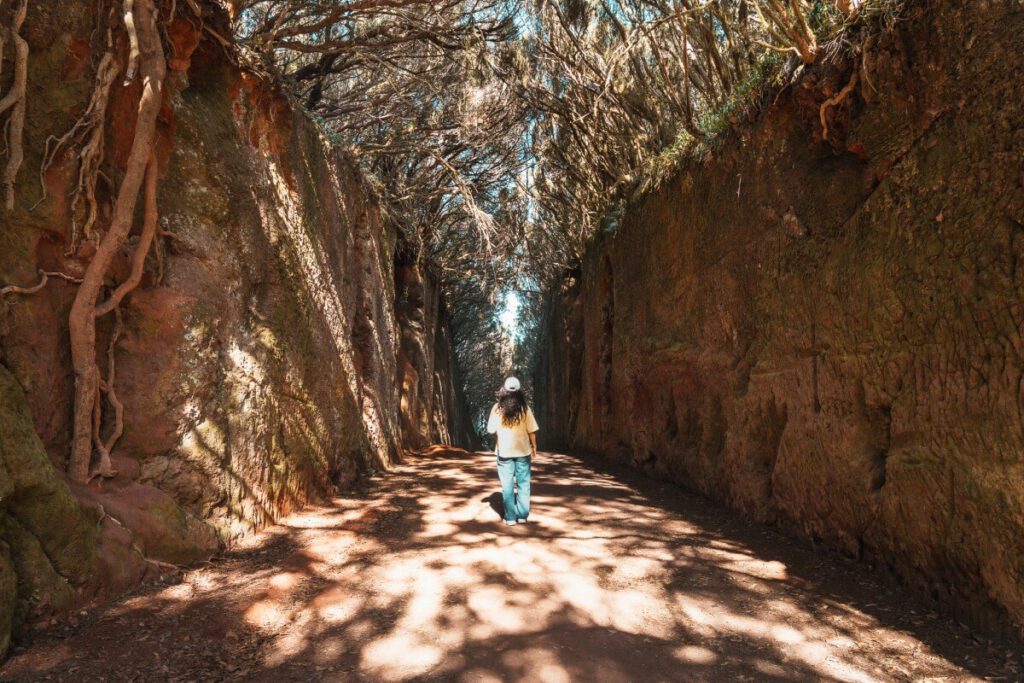
To be honest, though, these two places are way too crowded during the day, and there are often traffic jams because there are too many cars and not enough parking spaces. It’s better to come here either very early in the morning or in the evening, after the visitor center has already closed. I definitely found it much more pleasant to walk along here then.
Taganana
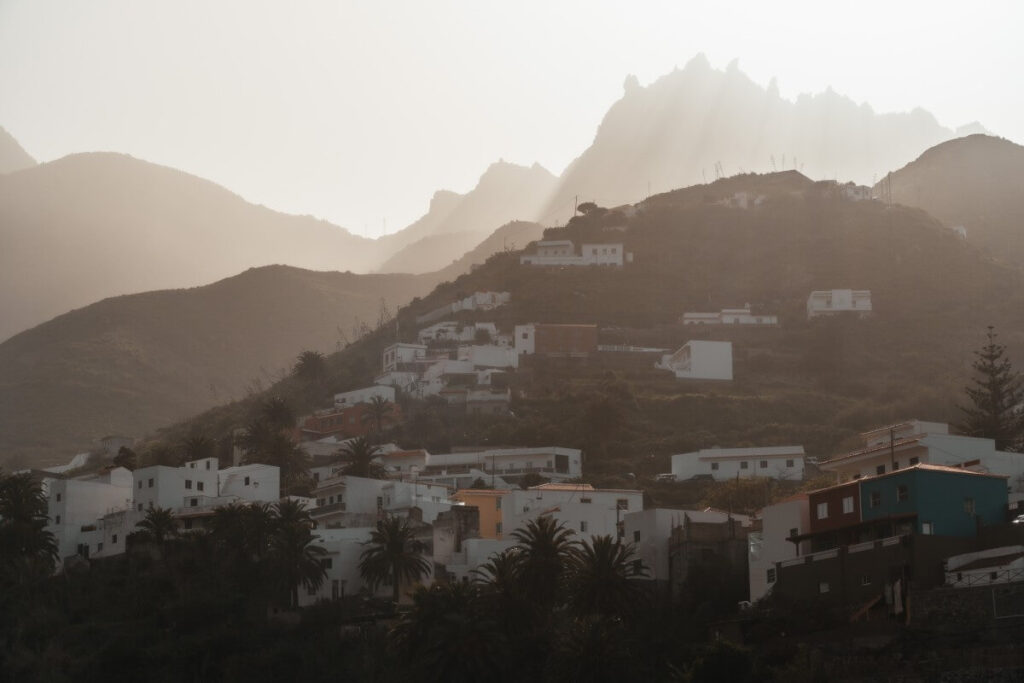
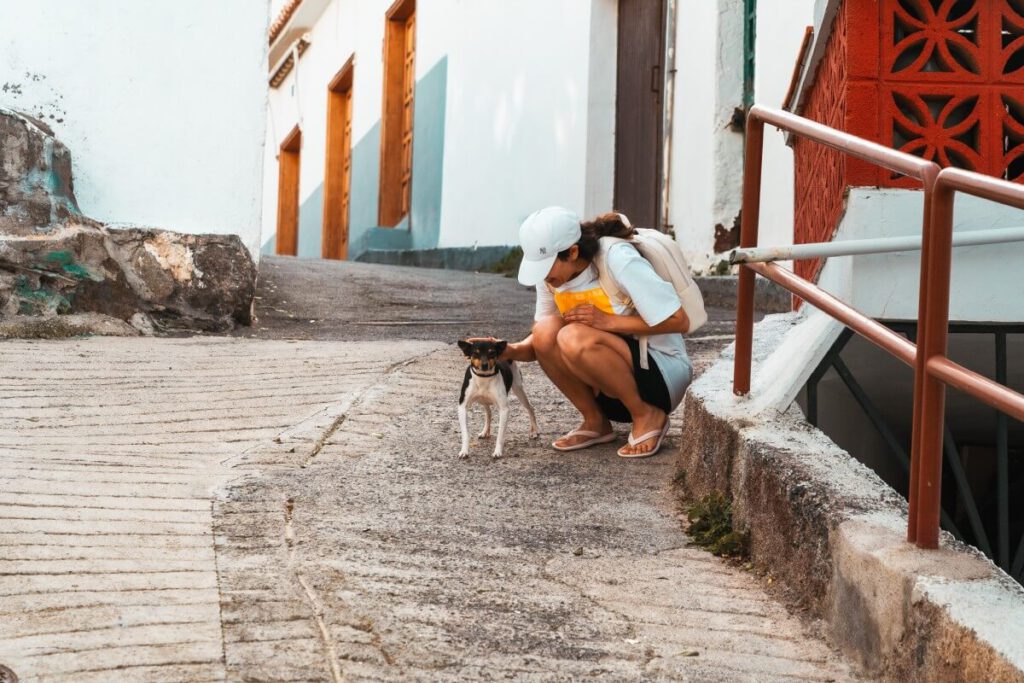
Whitewashed houses, narrow alleys, vineyard terraces on the hillsides – Taganana is one of the most beautiful places in the Anaga Regional Park. This village of 700 residents lies in a wide valley overlooking the coast, and it was one of my favorite stops on my road trip. Especially in the evening, when the sun sets behind the mountains, the atmosphere here is fantastic.

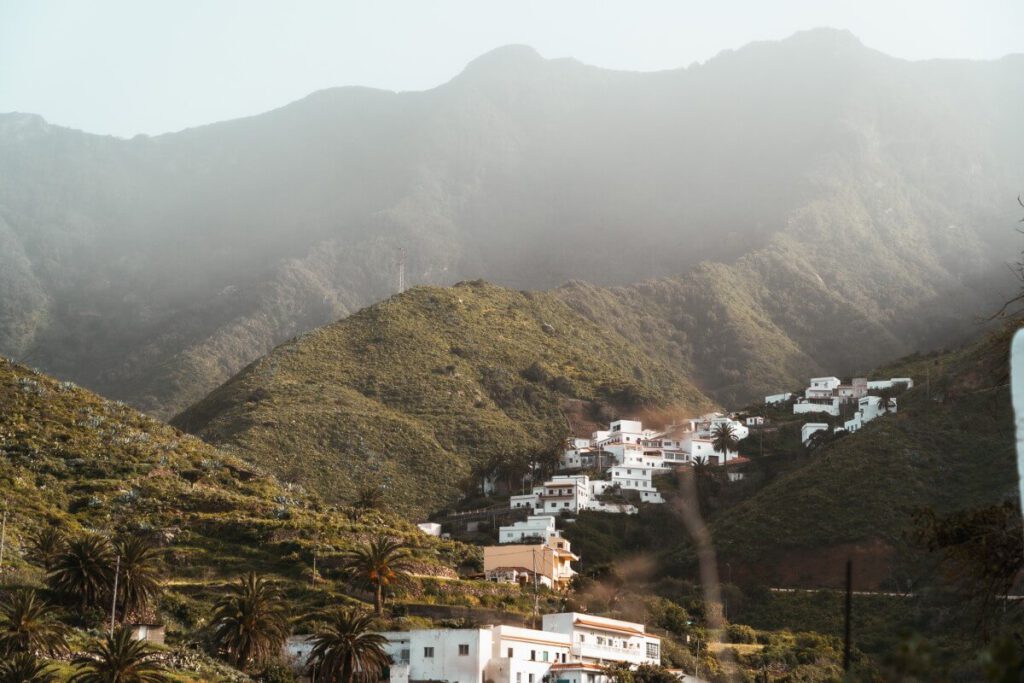
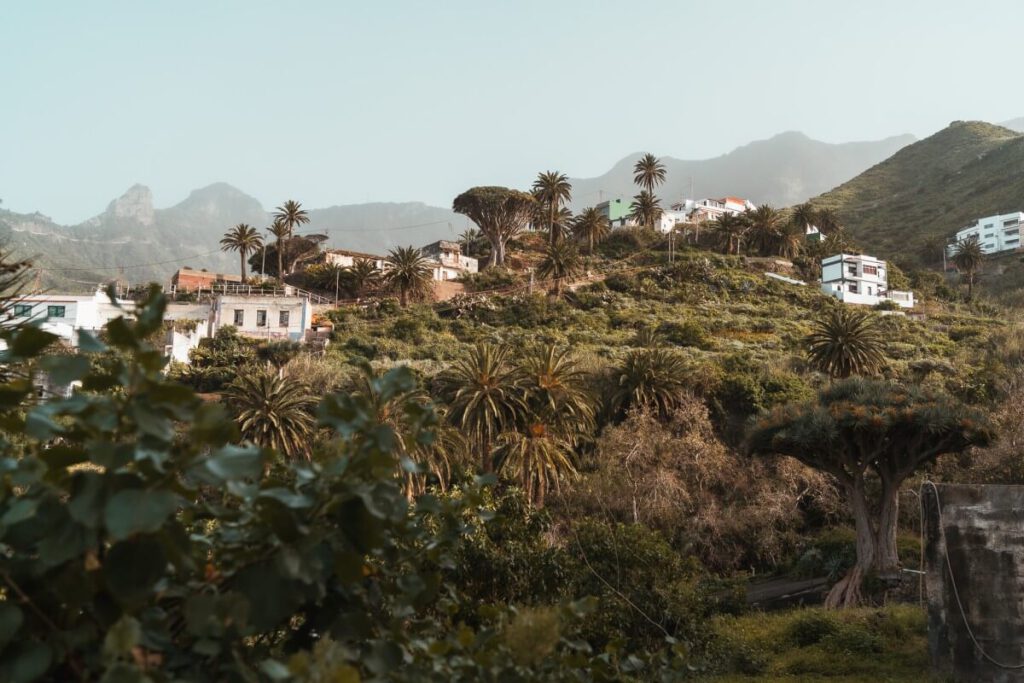
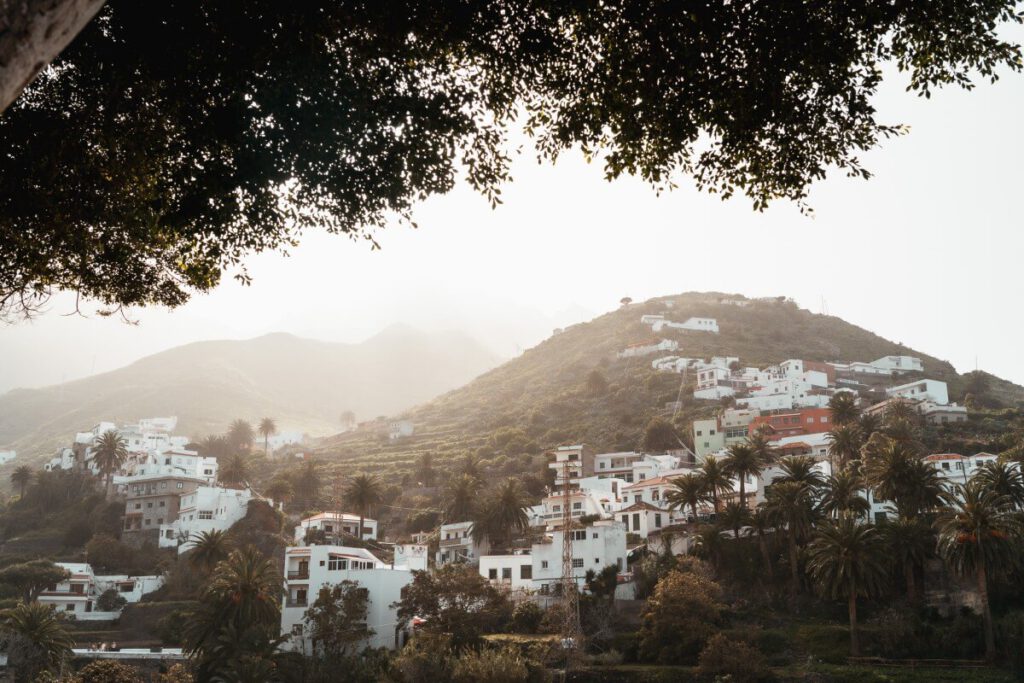
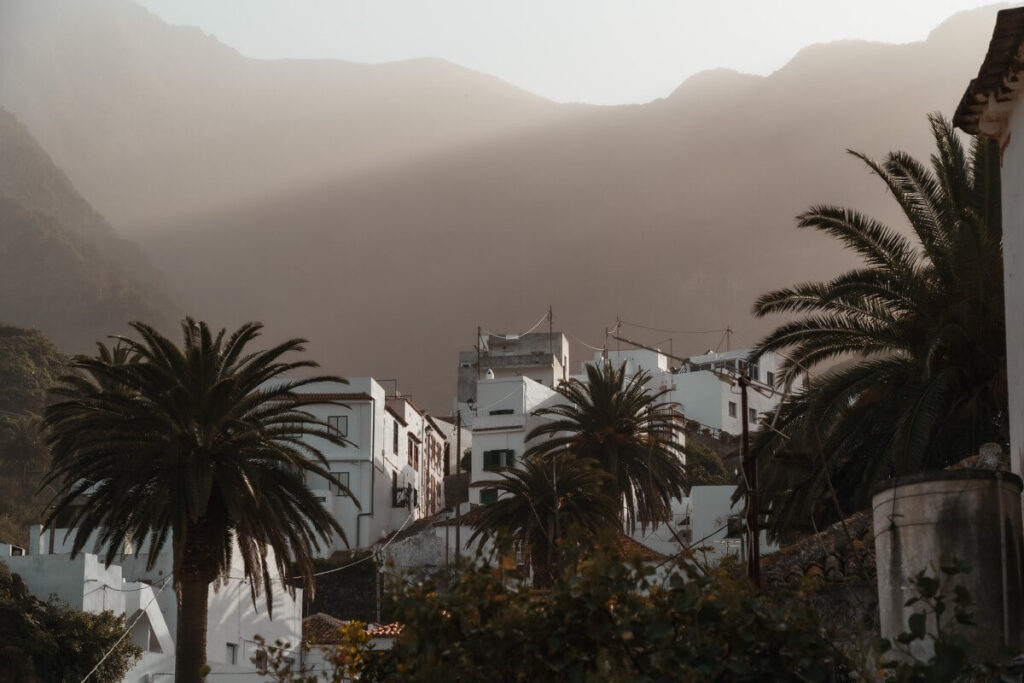
You can get there by taking the turnoff from the TF-12 onto the TF-134. This winding road is spectacular in its own right, thanks to its views. In Taganana, you can park near the Iglesia Ntra. Sra. de las Nieves and explore both parts of the town on foot from there. There are a few restaurants and a supermarket as well.
Benijo Beach
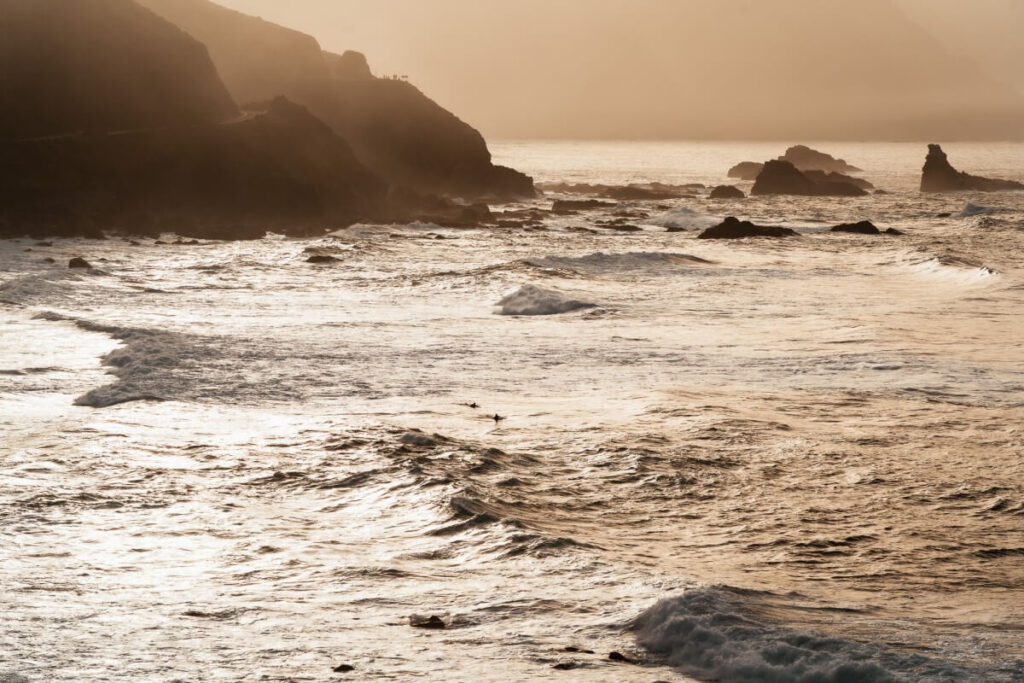
Playa de Benijo is one of the most beautiful beaches in the north. Thanks to its perfect waves, it’s a popular spot for surfers. Especially at sunset, the dramatic view of the ocean and the coastline here is simply magnificent.
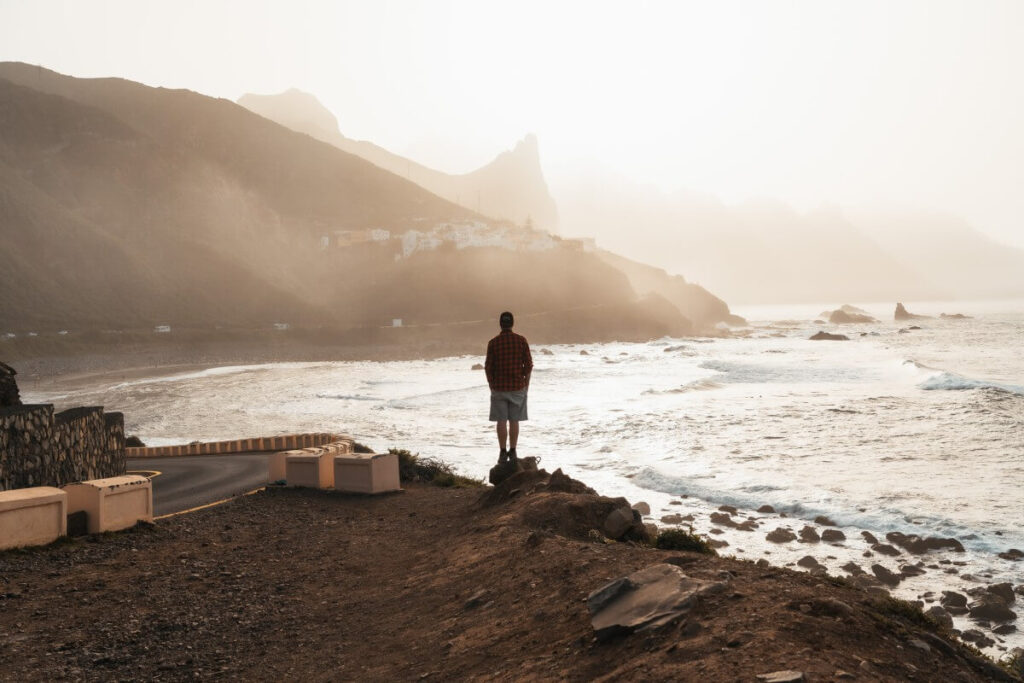
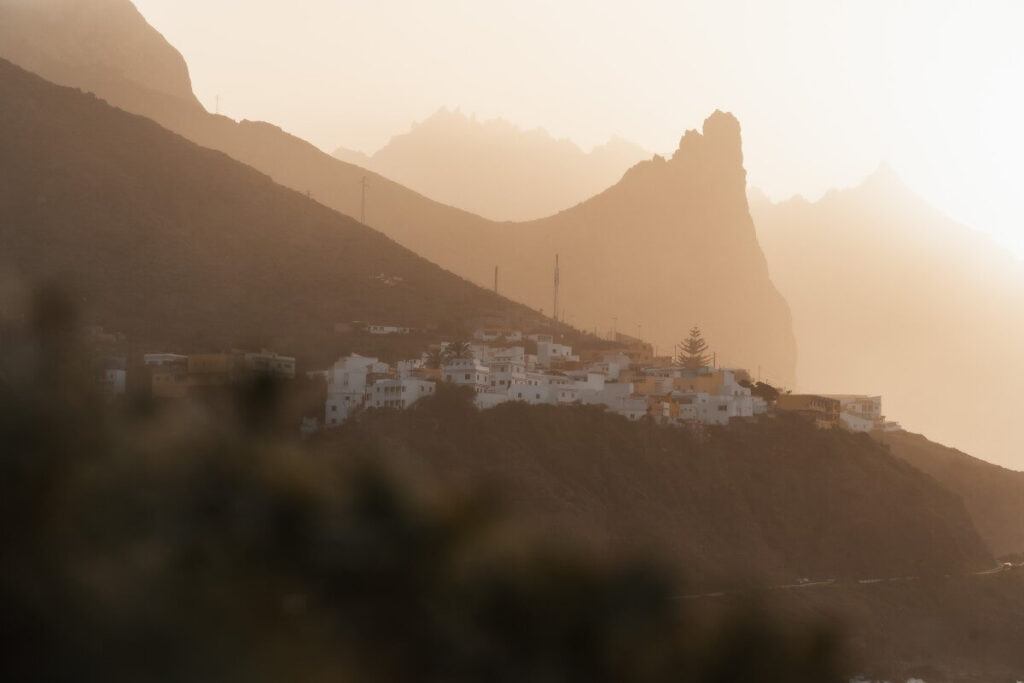
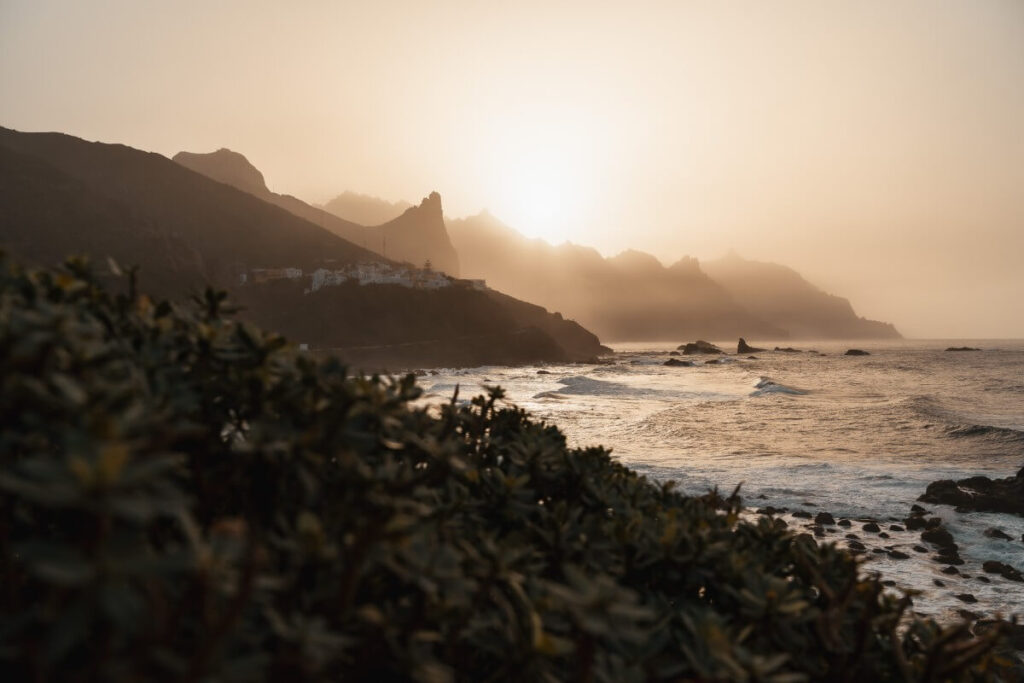
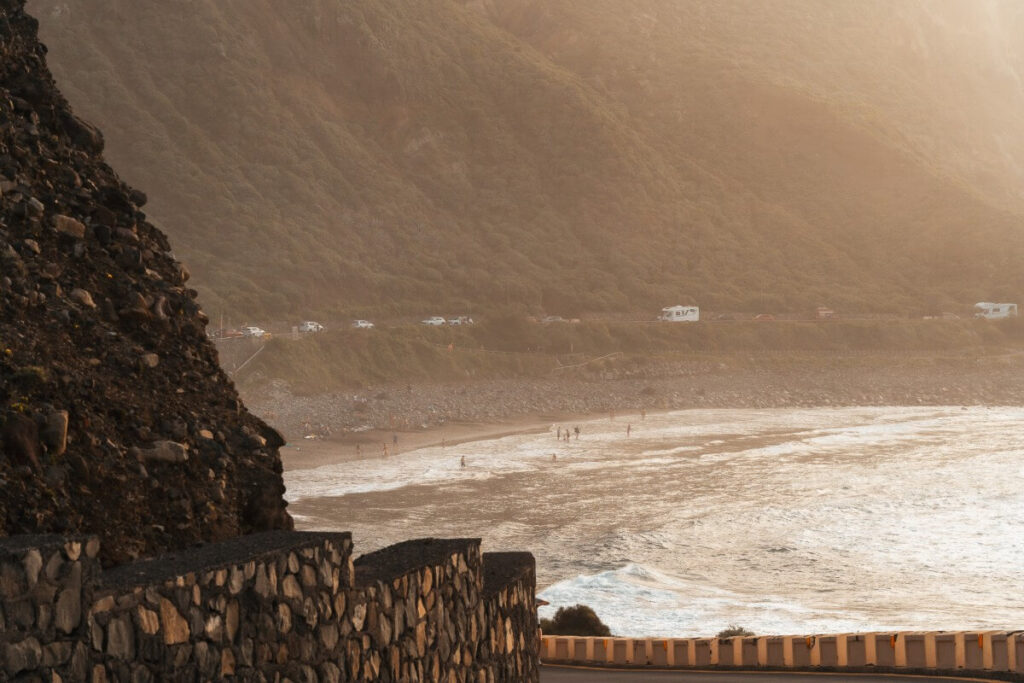
There are very few parking spots in the area. In the town of Benijo, all parking is paid, or you have to be a guest at a lodging or restaurant. But there are usually a few parking spots right on the beach. From there, you can also walk to the Mirador Benijo in just a few minutes. I thought the view from there was the most beautiful.
4. San Cristóbal de La Laguna to Santa Cruz de Tenerife
Days 9 through 12: 3 nights
Hotel recommendations:
- Good value: Barceló Santa Cruz Contemporáneo
- More luxurious: Iberostar Heritage Grand Mencey
On Day 9, you’ll take a short drive to Tenerife’s capital, Santa Cruz de Tenerife. Here, you’ll explore the city’s highlights, relax on one of the island’s most beautiful white-sand beaches, and best of all: take a day trip to Mount Teide, Spain’s highest mountain.
San Andrés – Las Teresitas Beach
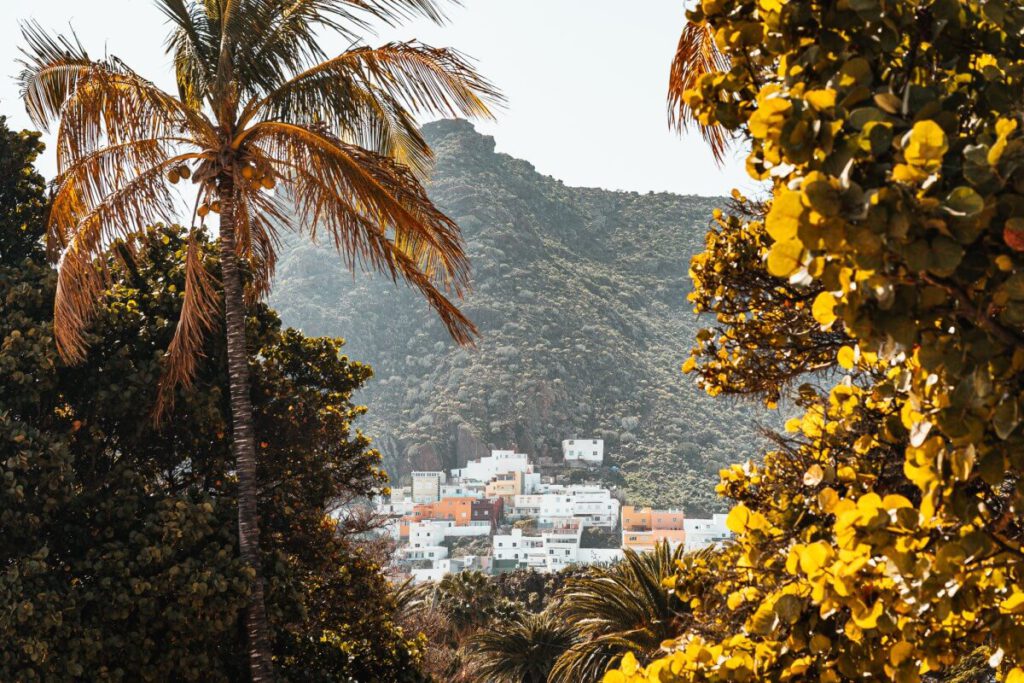
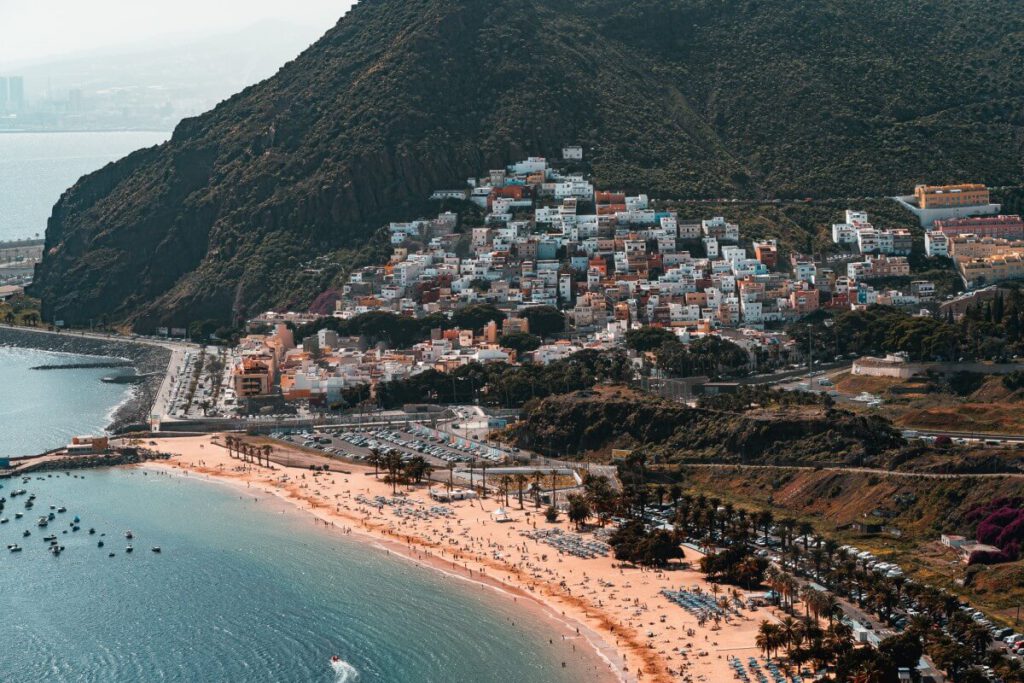
You’ve probably seen this beach on many postcards from Tenerife. Playa de Las Teresitas is located south of the Anaga Mountains and resembles a Caribbean beach. In fact, however, it was artificially created using sand from the Sahara. In addition, a reef about a thousand meters long was placed in front of the bay to prevent the sand from being washed away. Hundreds of palm trees were also planted. Only the green Anaga Mountains in the background are real.
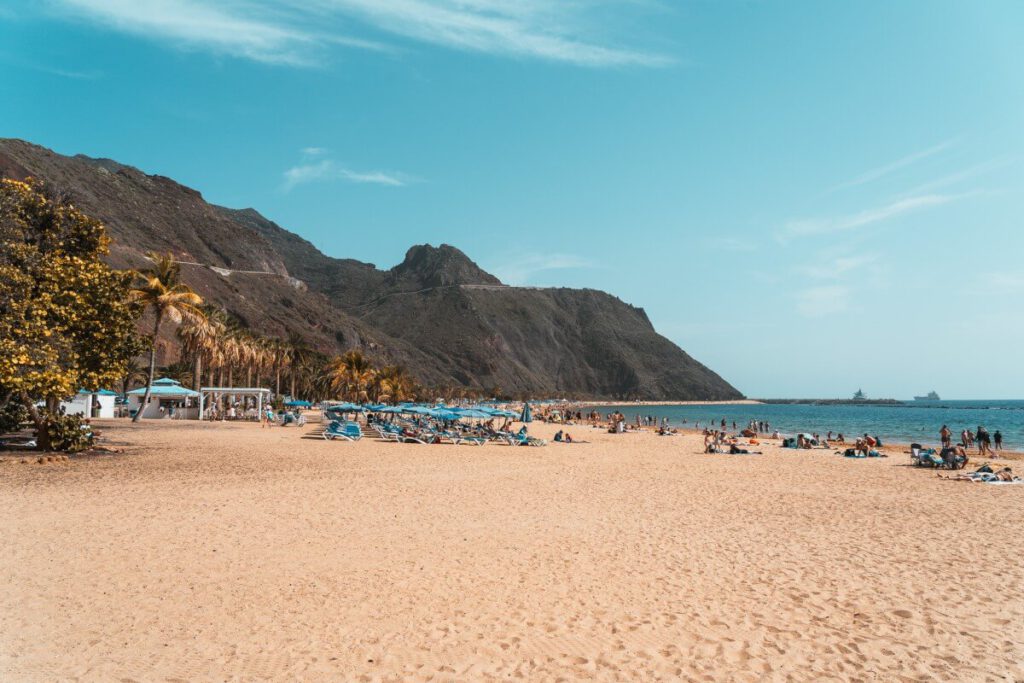
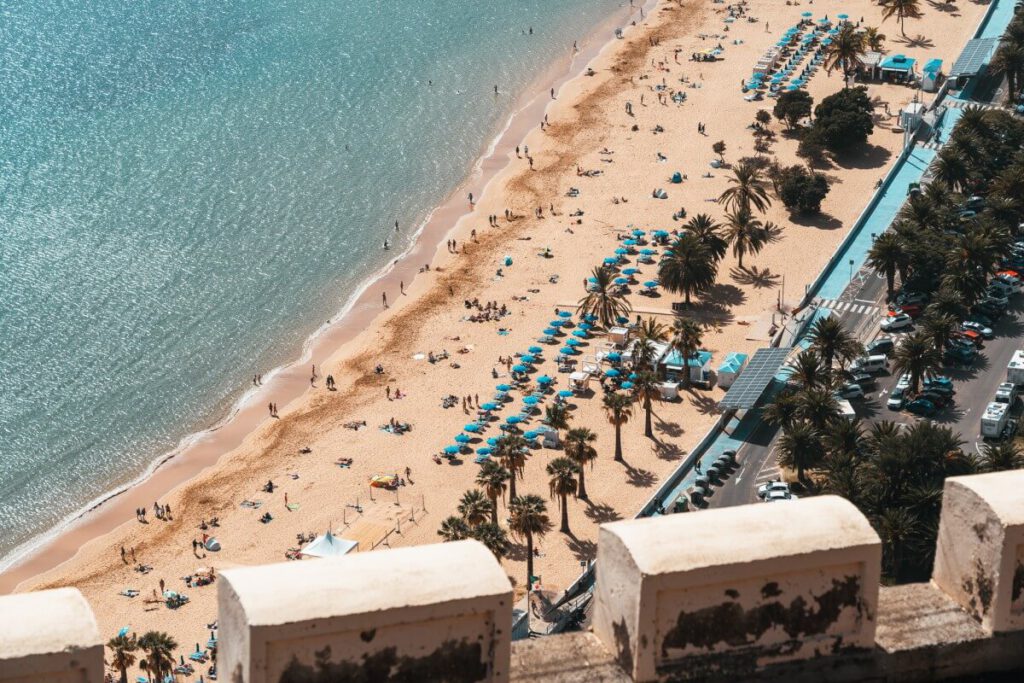
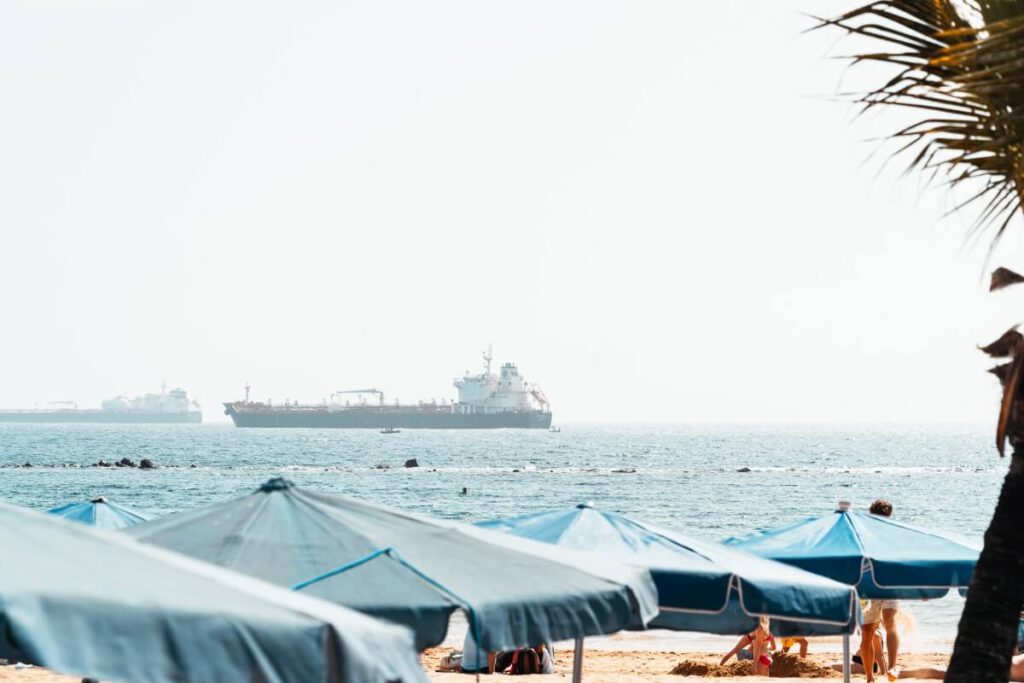
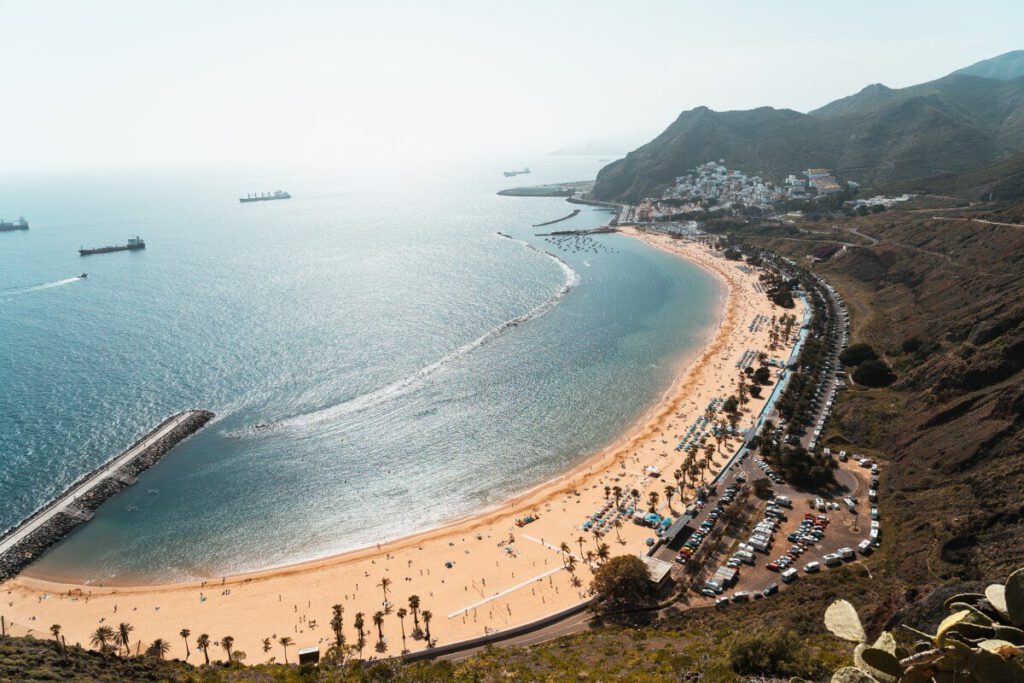
If you want to go swimming without any risks (especially with kids), then this beach in the northeast of the island is your best bet. It’s often pretty crowded here, but since the beach stretches out quite a bit, you’re sure to find a spot. There are also showers, restrooms, changing rooms, and a whole string of beach bars. The lounge chairs cost just a few euros. Parking is free.
Bottom line: The perfect spot for a laid-back day at the beach up north.
If you’d like to see the beach from above, as shown in these pictures, you can take the TF-121 to the lookout point (Mirador de la Playa de las Teresitas).
Santa Cruz de Tenerife
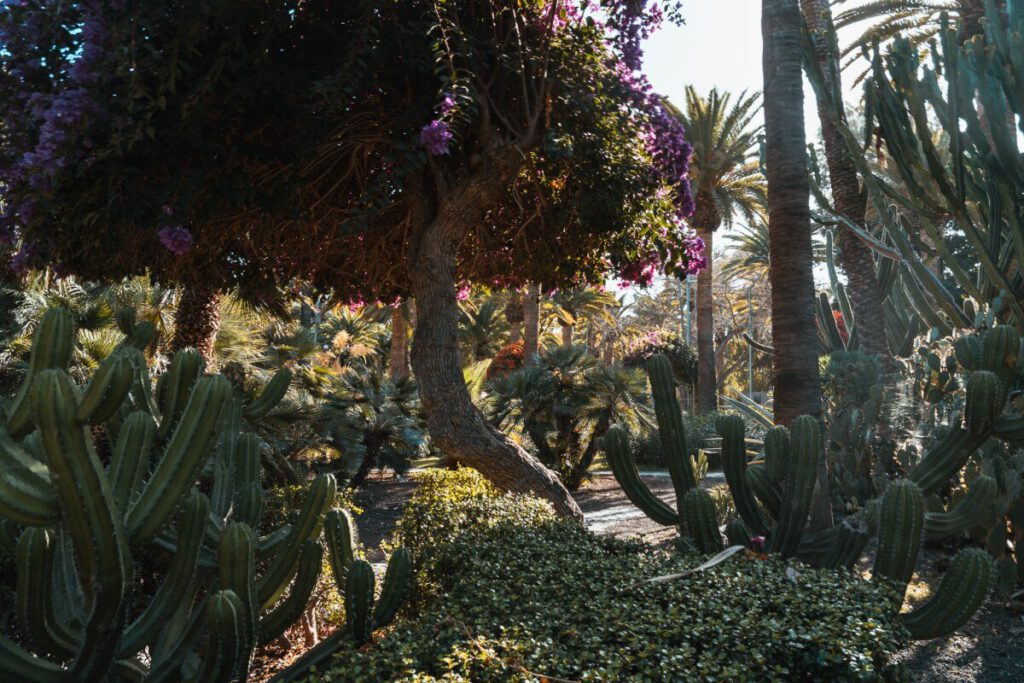
Of course, you should also set aside some time to explore the capital’s most beautiful spots. If you book one of the hotels I recommend, you’ll be right next to the beautiful Parque García Sanabria. It’s the largest city park in the Canary Islands. Here, plants grow and bloom in all shapes and colors, and there’s even a huge clock made of flowers to admire.
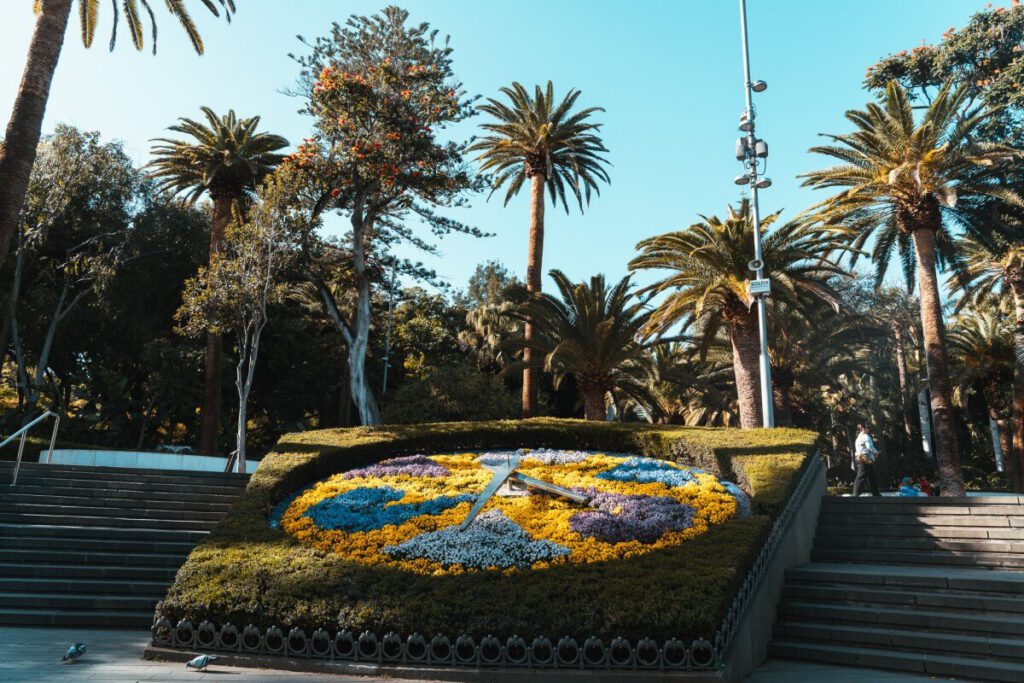
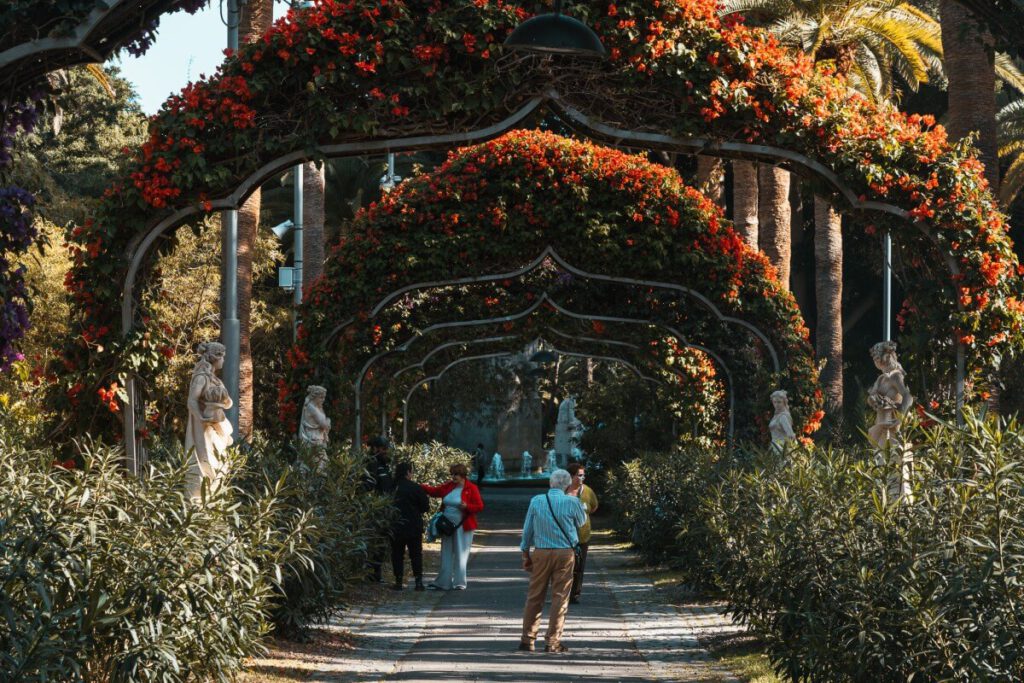
The Plaza de España is also beautiful. While it doesn’t really resemble the square of the same name in Seville, it’s still worth a visit. The square features the ruins of the Castillo de San Cristóbal, which were discovered during the construction of the plaza. There’s an underground passageway that was incorporated into the new structure.
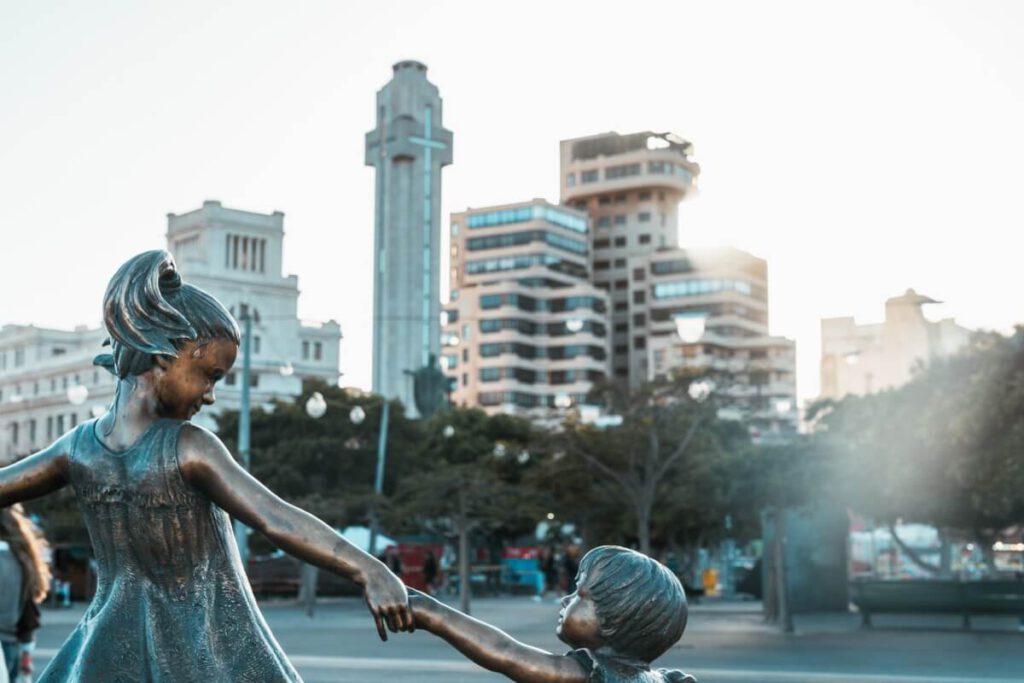
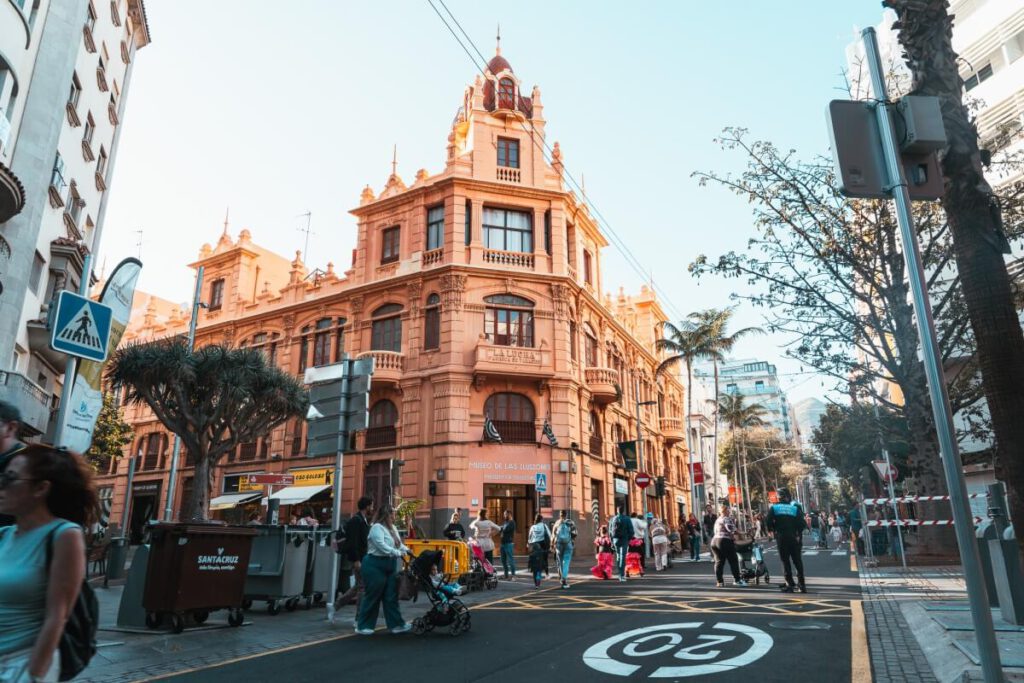
From Plaza de España, it’s also just a few minutes’ walk to the famous Auditorio de Tenerife, which is impossible to miss with its futuristic, curved design. Right next to it are the Castillo de San Juan Bautista and the César Manrique Maritime Park water park. And just a few meters further on is the Palmetum, a botanical garden featuring hundreds of palm species that was built on the site of a former landfill.
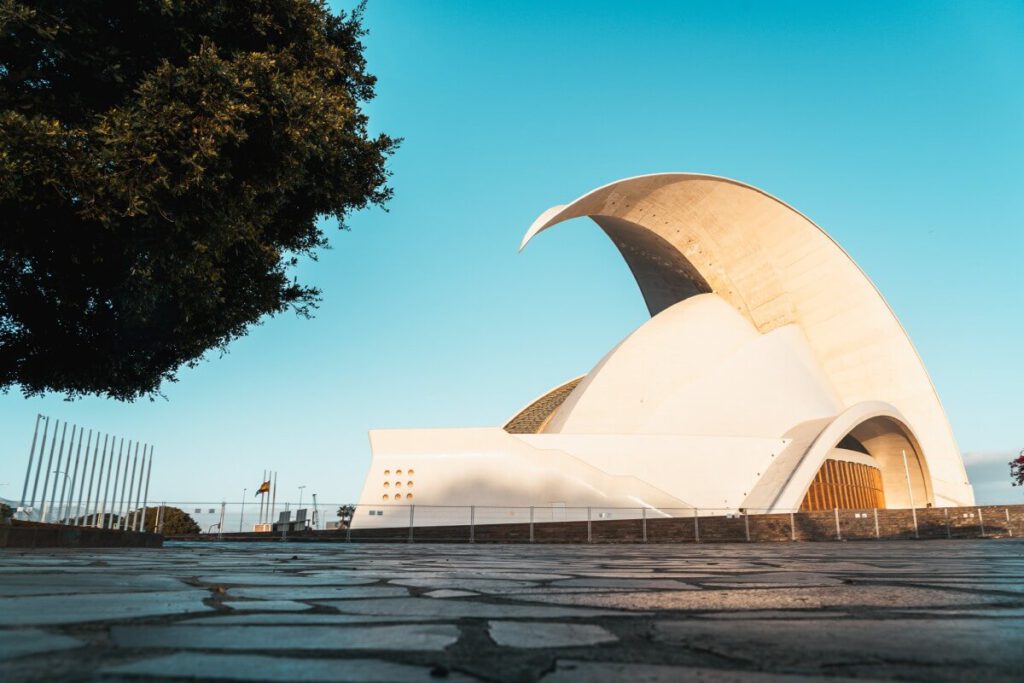
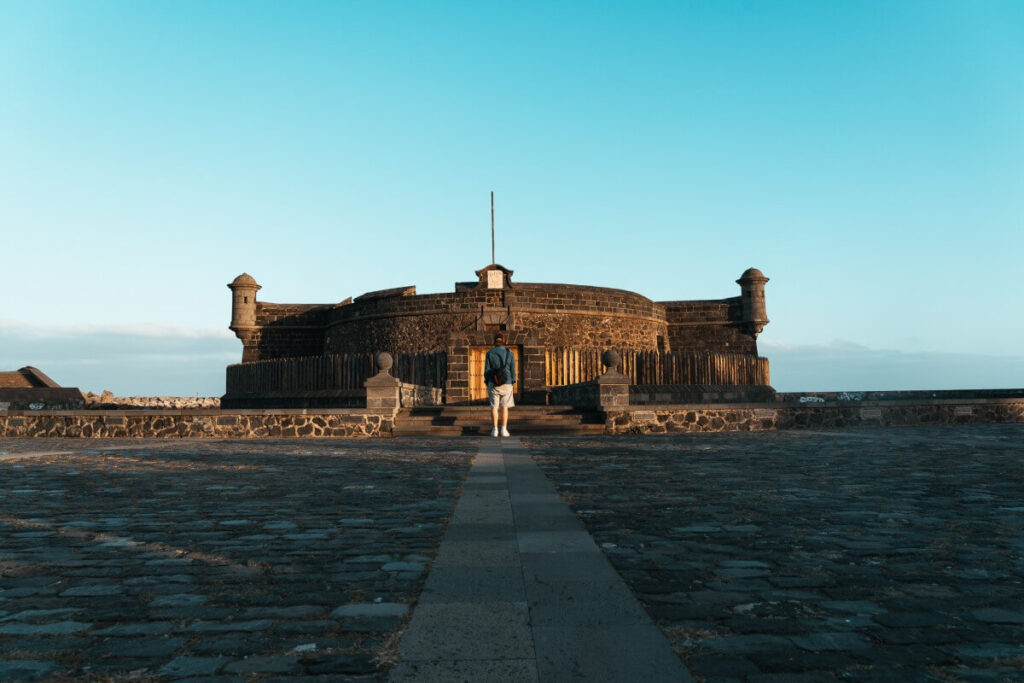
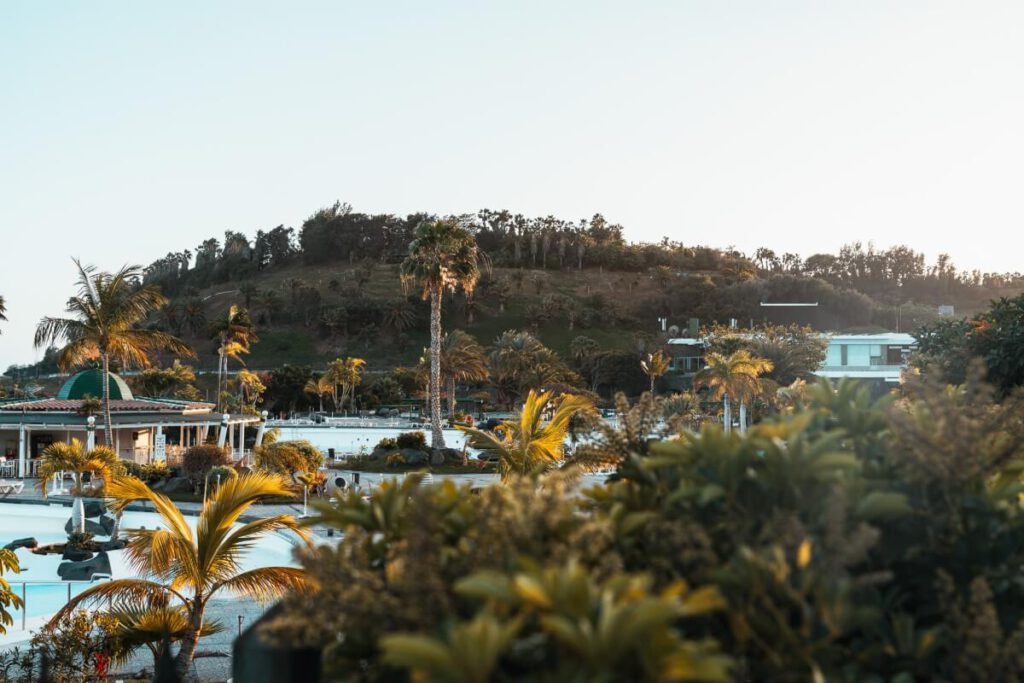
Also worth a visit are the Mercado Nuestra Señora de África, a colonial-style market hall, and the Museo de Bellas Artes.
If, like me, you’re coming to Santa Cruz in February, you should know that one of the world’s biggest Carnival celebrations takes place here. There’s something new to discover every day, including parades with unusual customs. The most curious of these is probably the “Funeral of the Sardine,” during which a giant papier-mâché fish is carried to its grave amid theatrical wailing.
Teide National Park
Teide is Tenerife’s only national park; it has been a UNESCO World Natural Heritage Site since 2007 and, at about 3,715 meters, is also Spain’s highest mountain. With about four million visitors a year, it is the most visited national park in Europe.
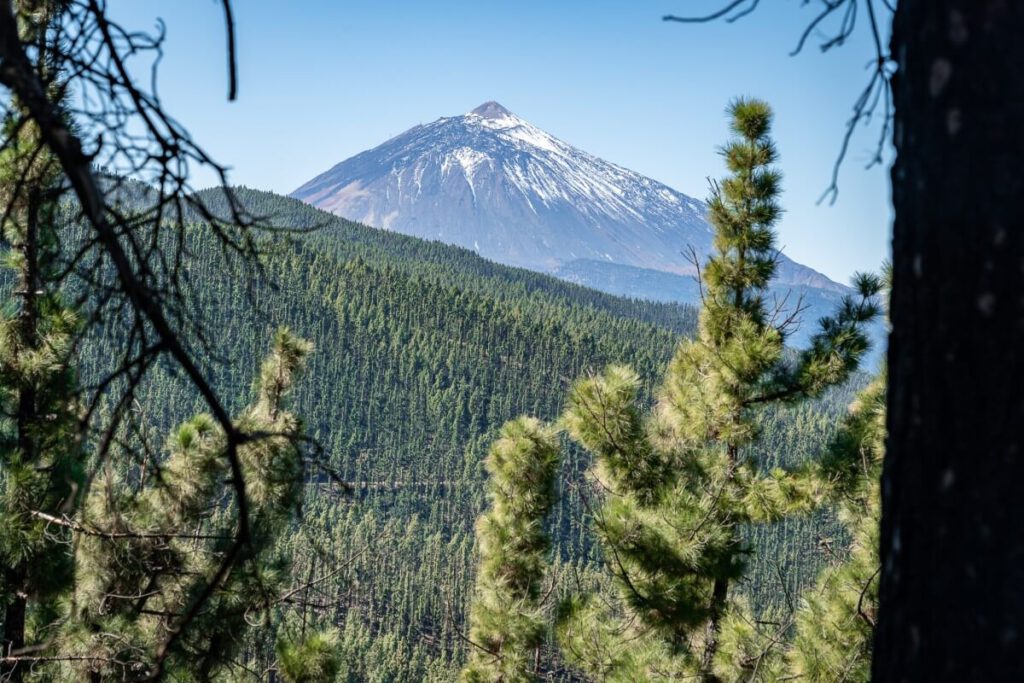
Both San Cristóbal de La Laguna and Santa Cruz de Tenerife are good starting points for visiting Mount Teide and the Anaga Mountains. You can be flexible about which city you use as a base for exploring, and you should also plan your itinerary based on the weather. If it’s raining in the Anaga Mountains, it might be sunny on Mount Teide – and vice versa.
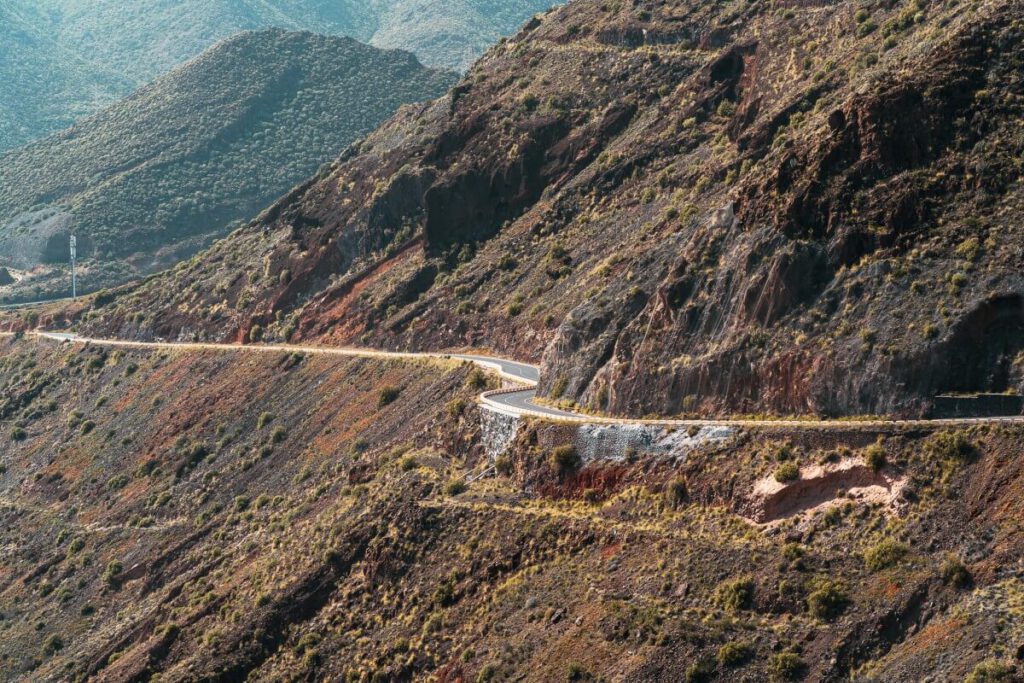
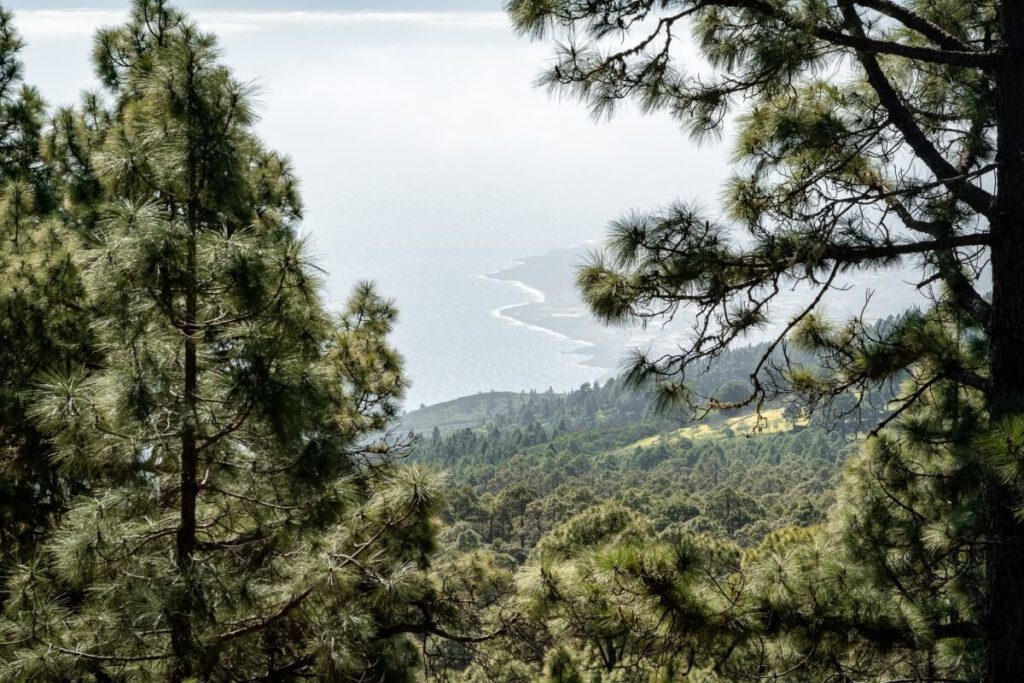
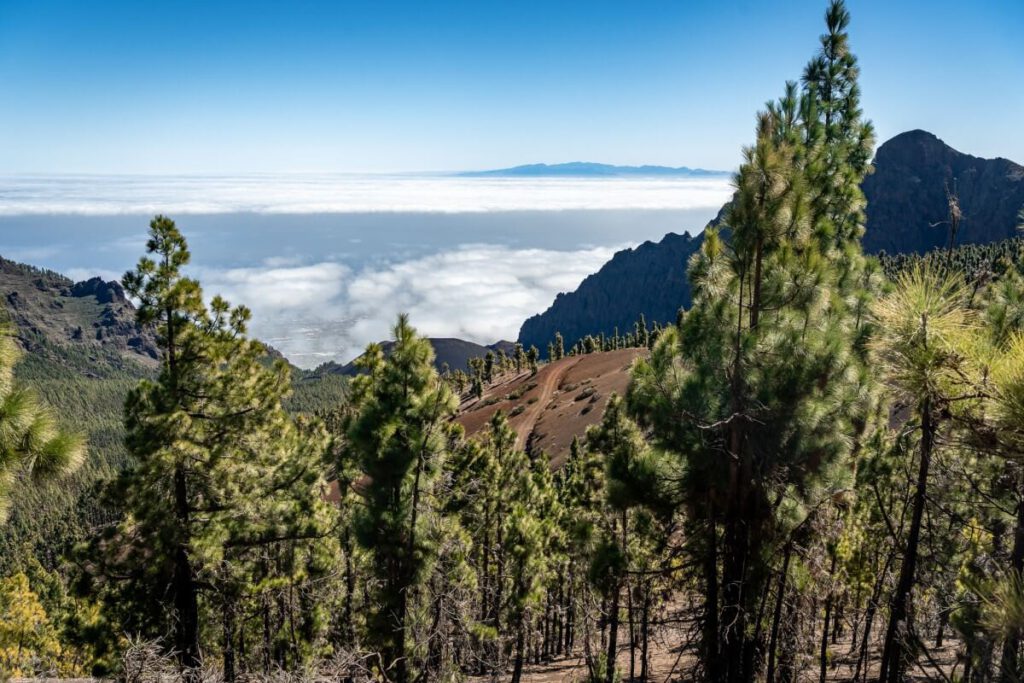
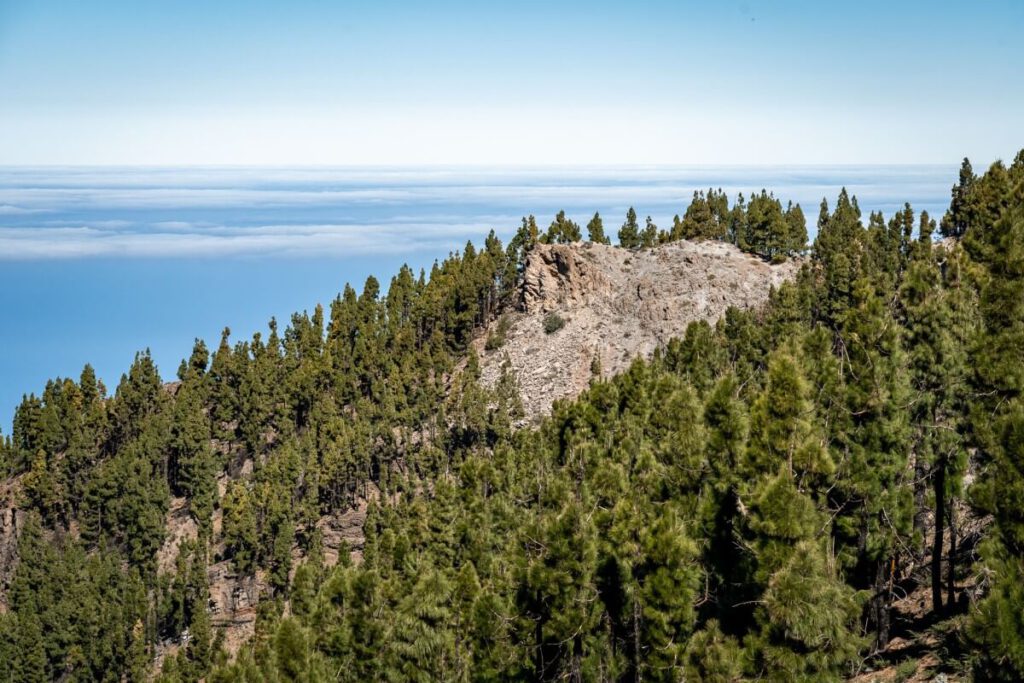
If you’re coming from the north, take the TF-24. The drive up is a highlight in itself. I found it fascinating to watch the vegetation change as you climb higher. At first, everything is green, full of pine forests, and suddenly you’re in a surreal lunar landscape. Since you’ll probably stop repeatedly along the way to take photos, plan for a little more time than Google Maps suggests.
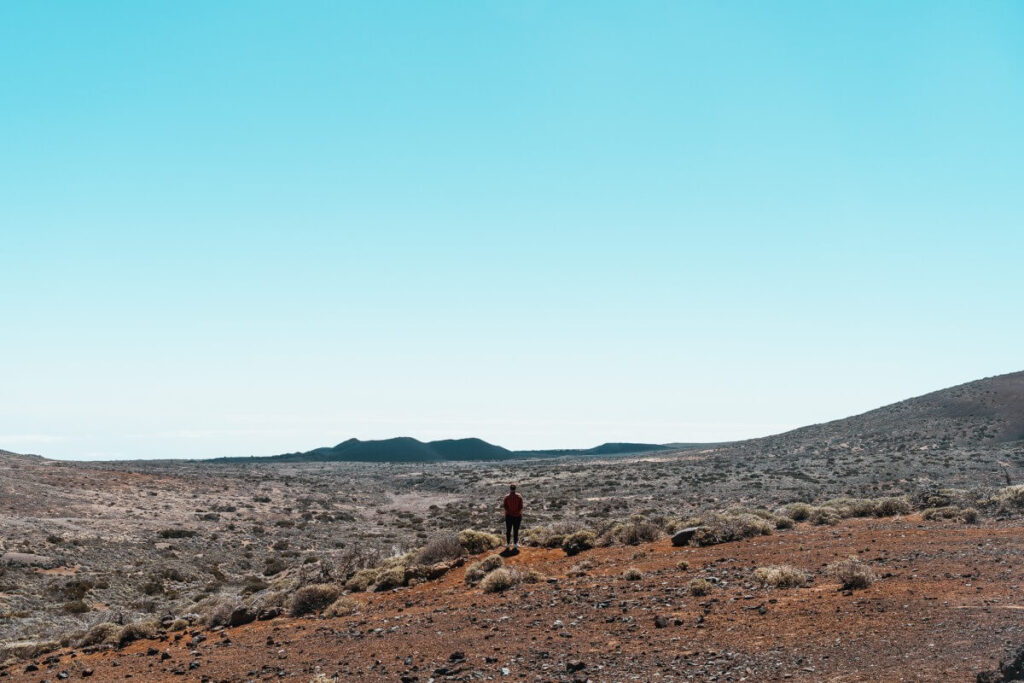
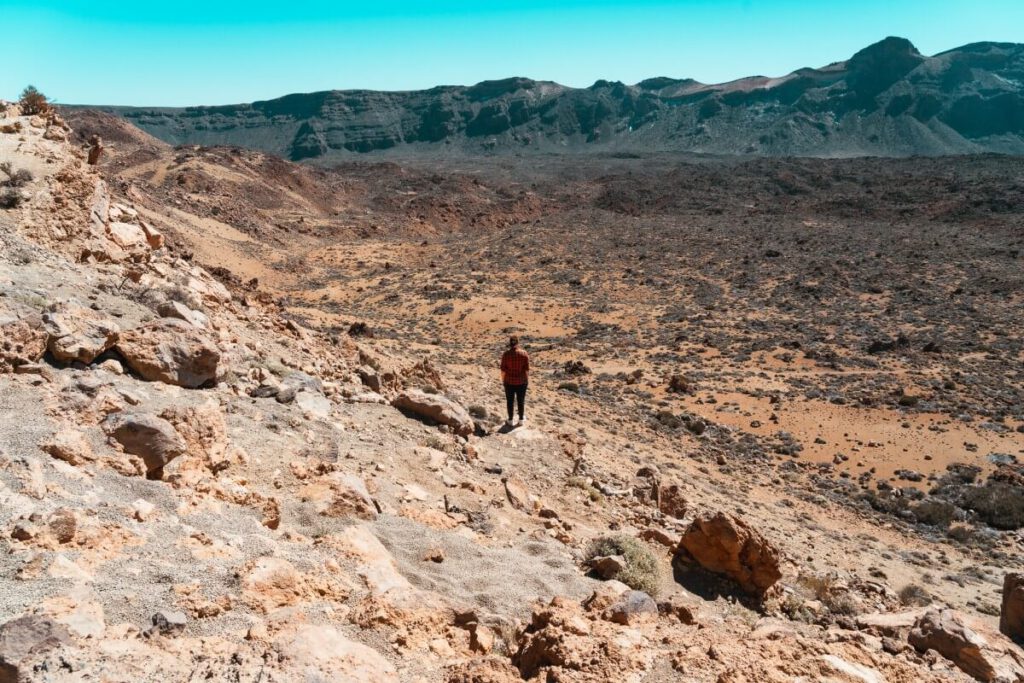
There’s plenty to see along the way, but the real highlight is the massive volcanic crater, the Caldera de las Cañadas. Here, the hike around the Roques de García is one of the most popular attractions (you can learn more about it in this article). I also found the Minas de San Jose fascinating because there’s a fairly expansive area there that looks like a rugged Martian landscape, and you can take some really cool photos there even with lots of other visitors around.
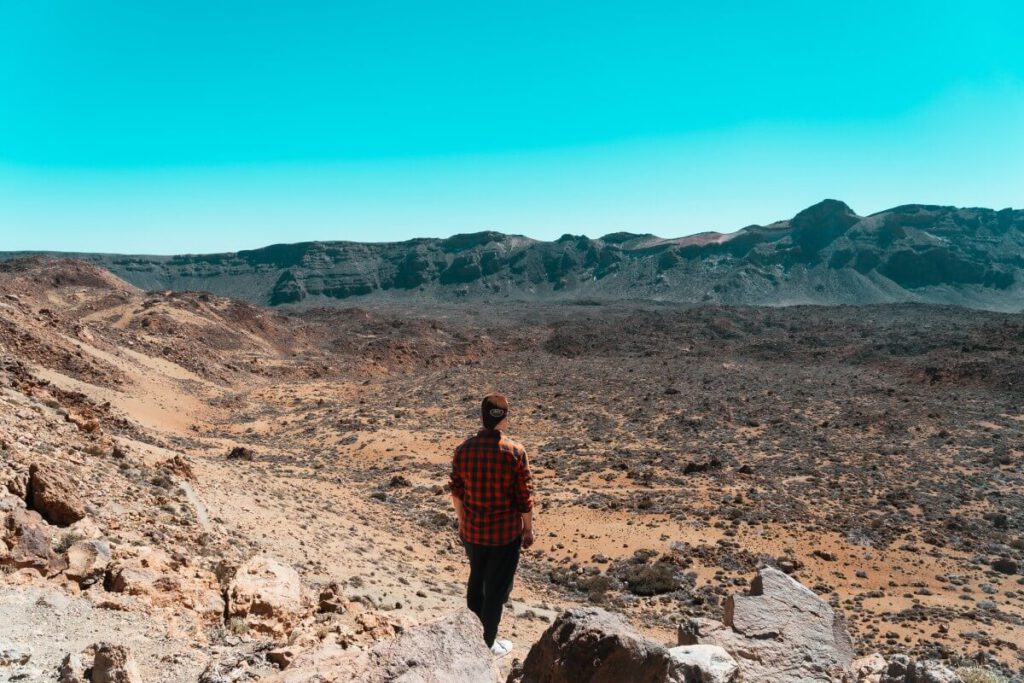
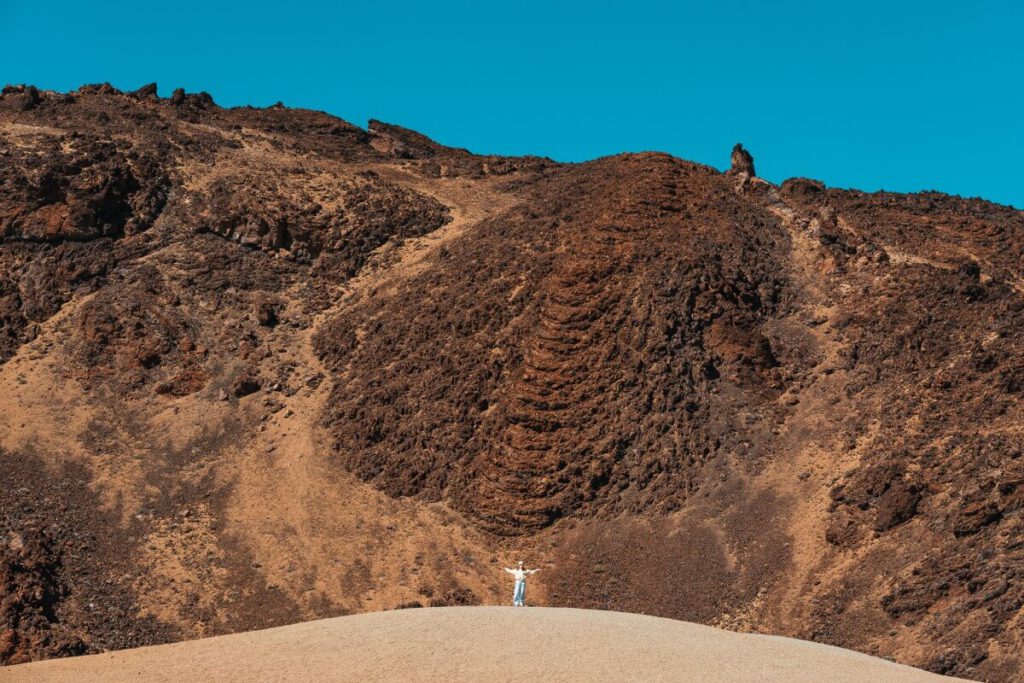
The easiest way to reach the summit – that is, the very top – is by cable car. At over €40 per person for the round trip, cable car tickets aren’t exactly cheap. Once at the top, there are a few side trails leading to lookout points. But even then, you’re not quite at the very top yet. To get there, you’ll need to hike along the PNT-10 “Telesforo Bravo” trail. It’s not very difficult, but you can only hike it with a permit. This permit isn’t included in the cable car tickets. Reservations can only be made through the website tenerifeon.es.
Please note: In winter, as well as during bad weather or strong winds, the trails to the summit – and sometimes even the cable car – may not be open at all.
If you have more time and are up for a challenging hike to the summit, there are several trails to choose from. You can find detailed information about them on the Tenerifeon website.
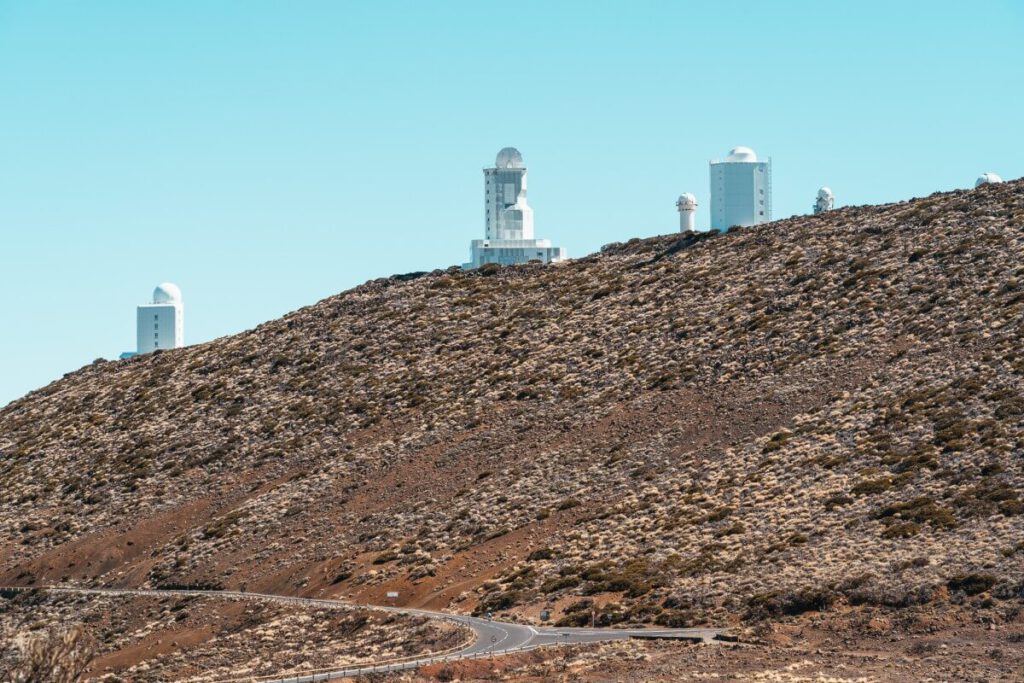
Also interesting: Mount Teide is considered one of the best places in the world for stargazing. The Observatorio del Teide is located on the ridge east of the summit. Tenerife even has its own law to protect against light pollution. You can visit the observatory during the day via the VolcanoTeide website for a guided tour. Or you can take a guided Sunset & Stargazing Tour at night, which includes dinner, where you’ll learn lots of interesting facts about the night sky and the constellations.
If you don’t want to drive up Mount Teide yourself, you can also book a bus tour from your hotel: Teide Tour with Cable Car Ticket & Transfer. There are over 50 pickup locations throughout the island that you can choose from before booking.
5. Santa Cruz de Tenerife to Tenerife South Airport
Days 12 through 14: 2 nights + departure
Hotel recommendations:
- Good & Affordable: Santa Barbara Golf and Ocean Club
- More luxurious: Barceló Tenerife
On the last leg of your trip, you’ll get to explore a few more amazing natural spots in southern Tenerife, small coastal towns, and even pyramids. You’ll be staying at a hotel near the airport, so you won’t have far to go to drop off your rental car – allowing you to spend your last day without the stress of driving before heading back home.
Candelaria
Candelaria is worth a quick stop on your way south. The Basílica de La Virgen de Candelaria, a beautiful church, is located on the Plaza de la Patrona de Canarias. As you walk along the shopping street Calle Obispo Pérez Cáceres, you can see its imposing bell tower from a distance.
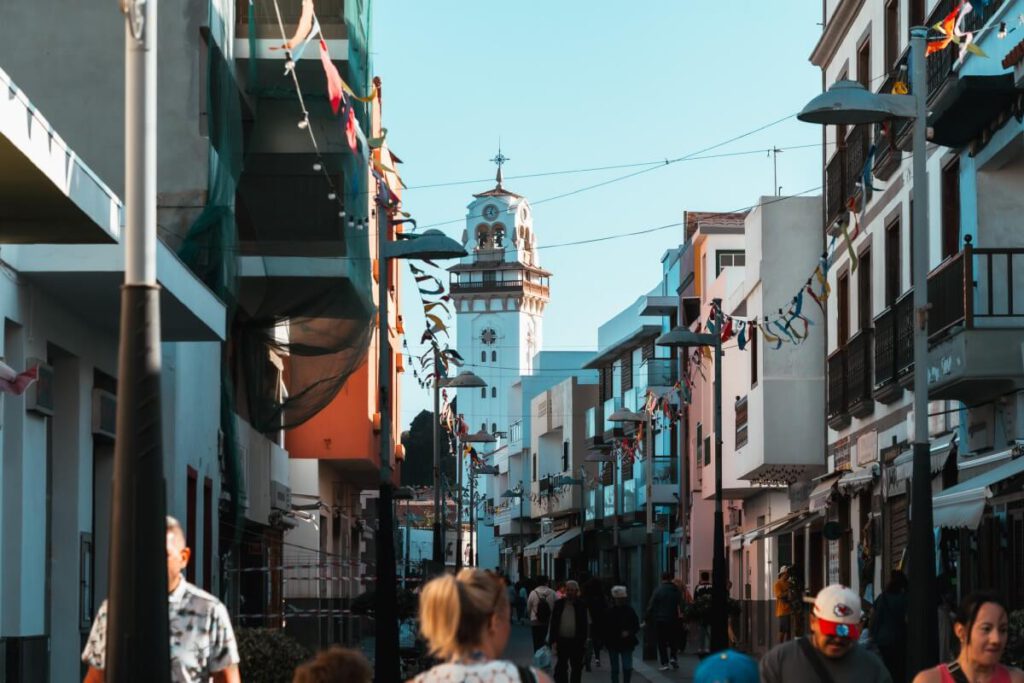
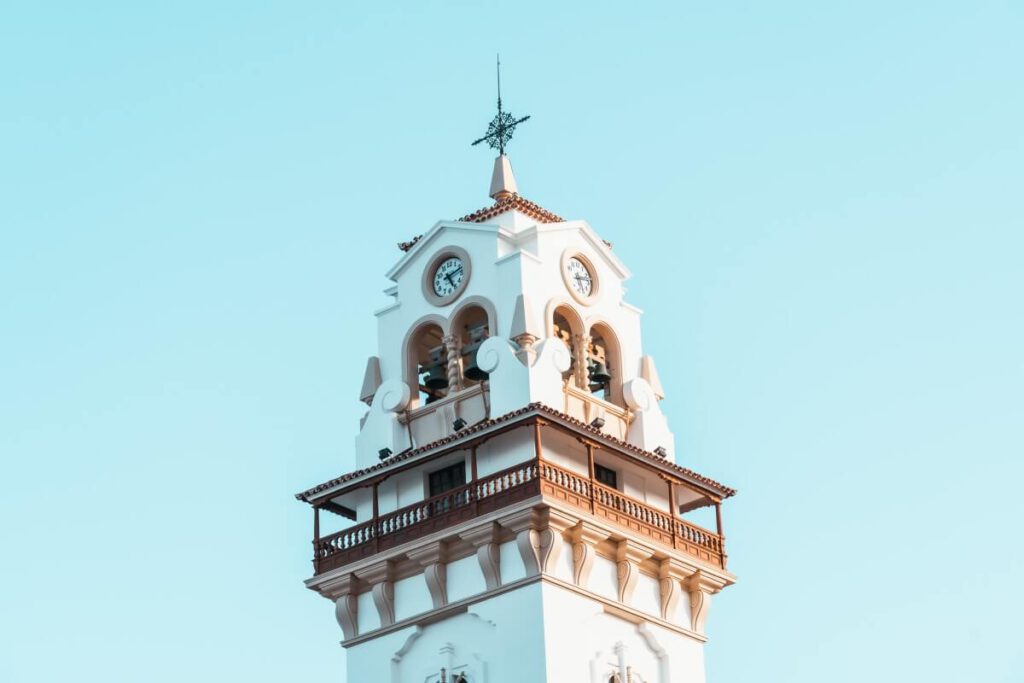
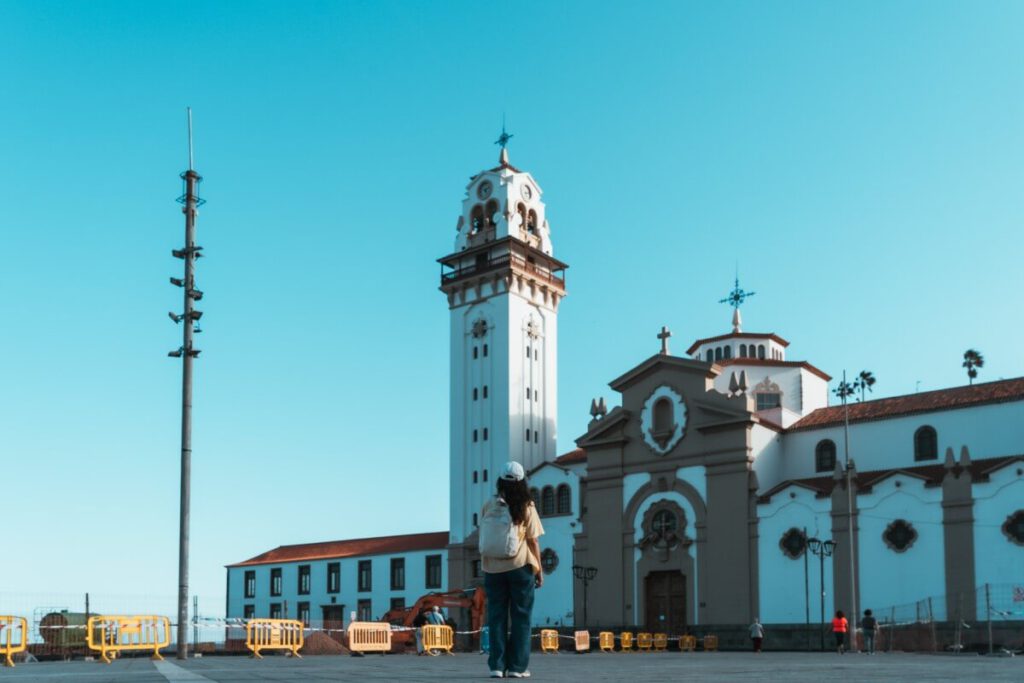
What makes it special: The plaza features nine large bronze statues of the Menceyes, the Guanche kings of Tenerife, all facing the sea.
Güímar
The town of Güímar is best known for the Pyramids of Güímar. These are six stepped stone structures that were brought to the world’s attention by the explorer Thor Heyerdahl. Before you visit the museum, you should know that Heyerdahl’s theories – which you can also read about in the museum – are highly controversial and have been largely refuted by researchers. But the adventures he undertook to prove his theories are certainly fascinating.
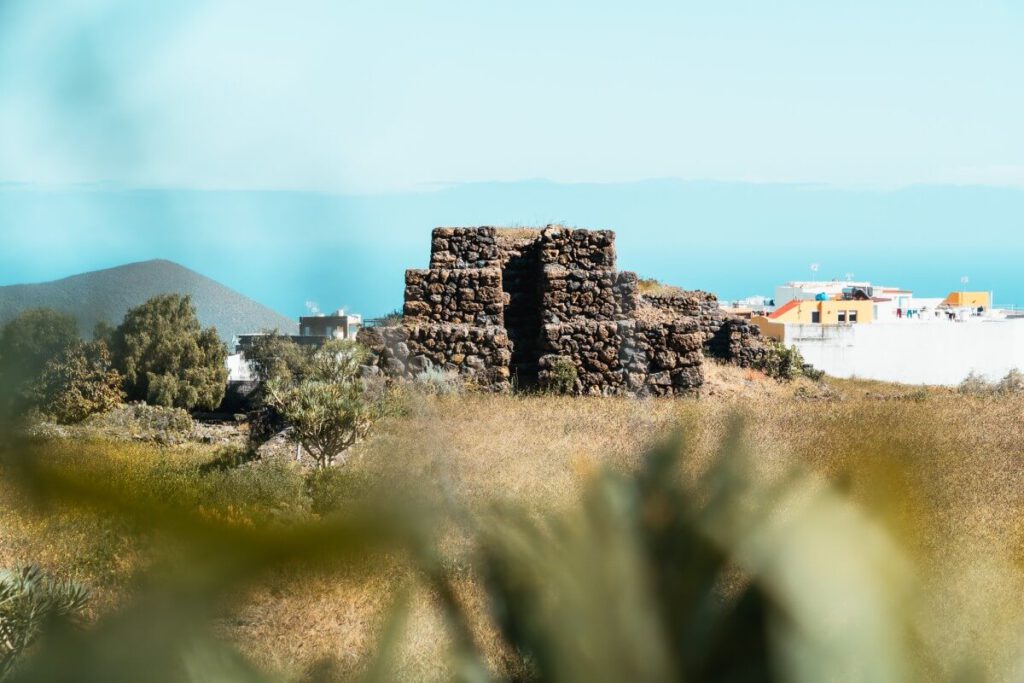
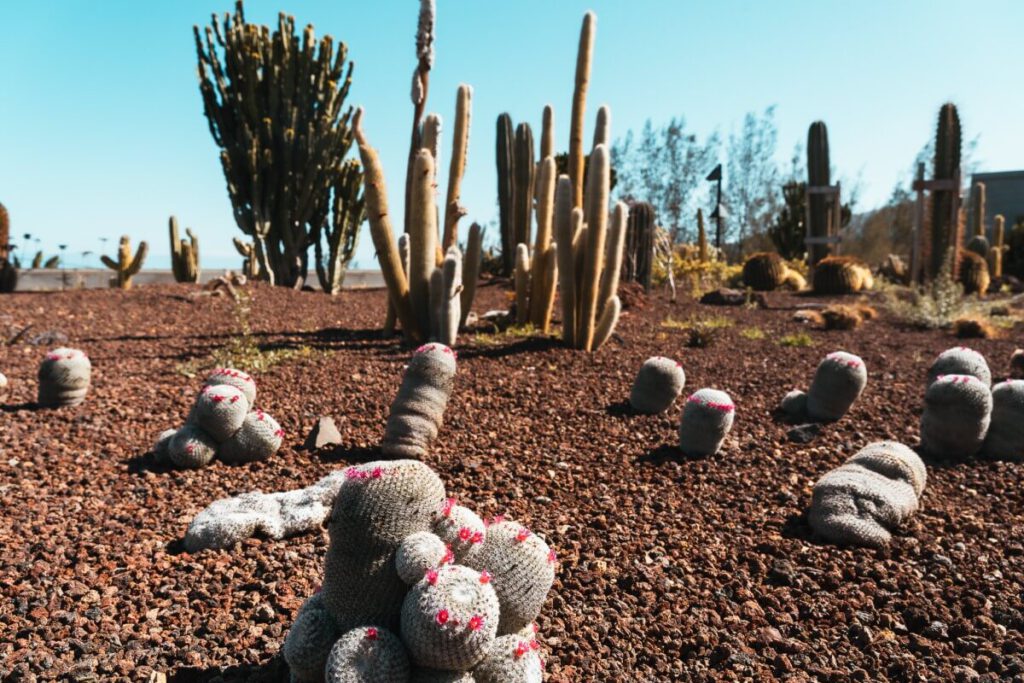
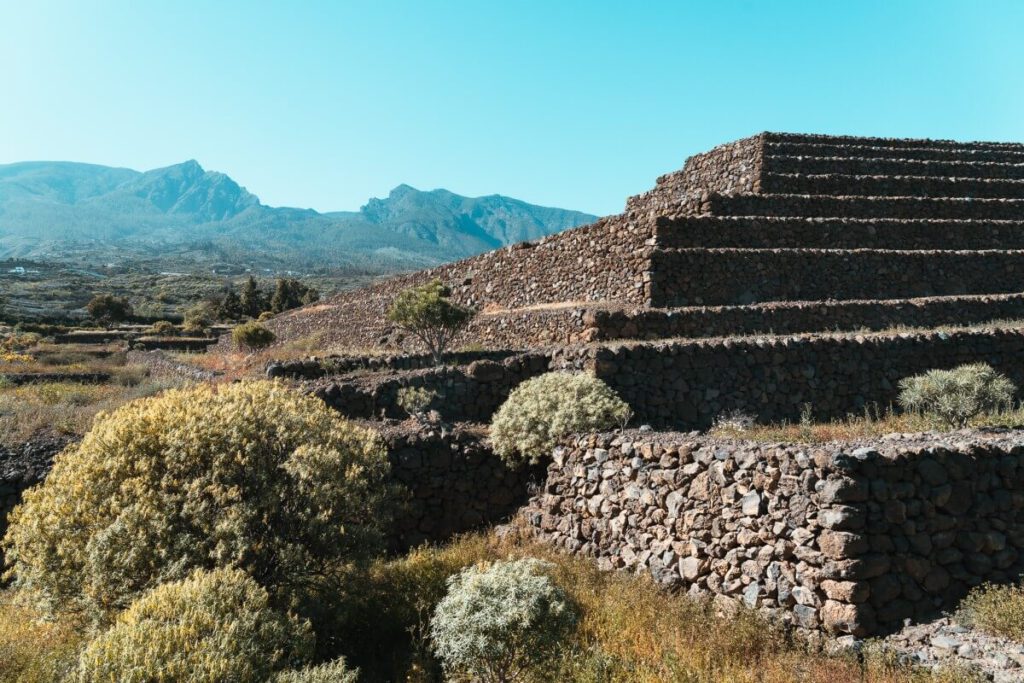
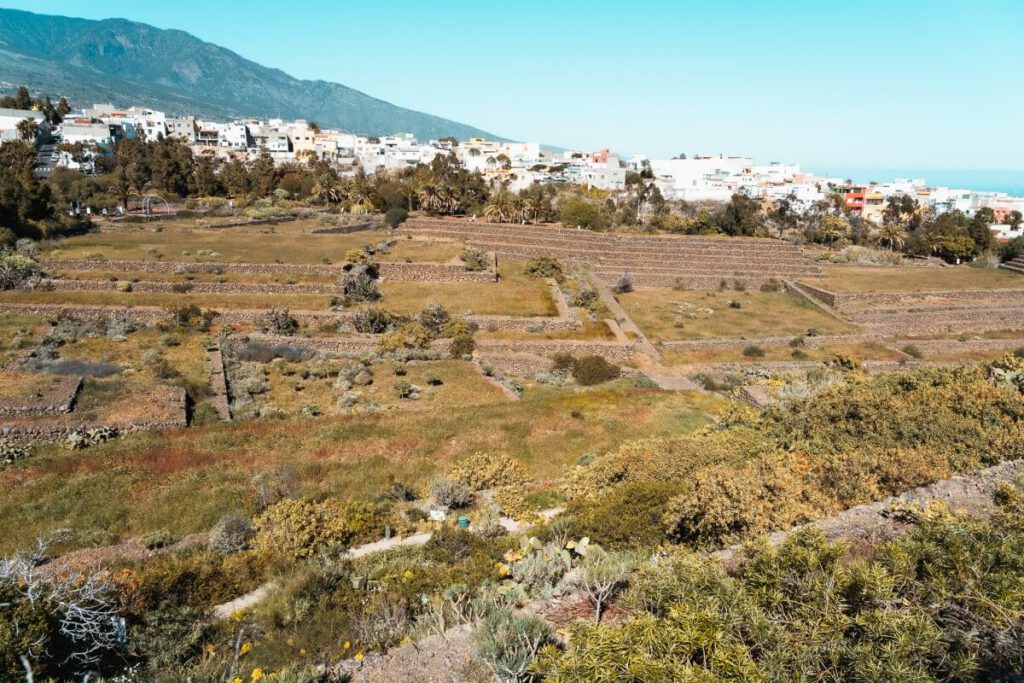
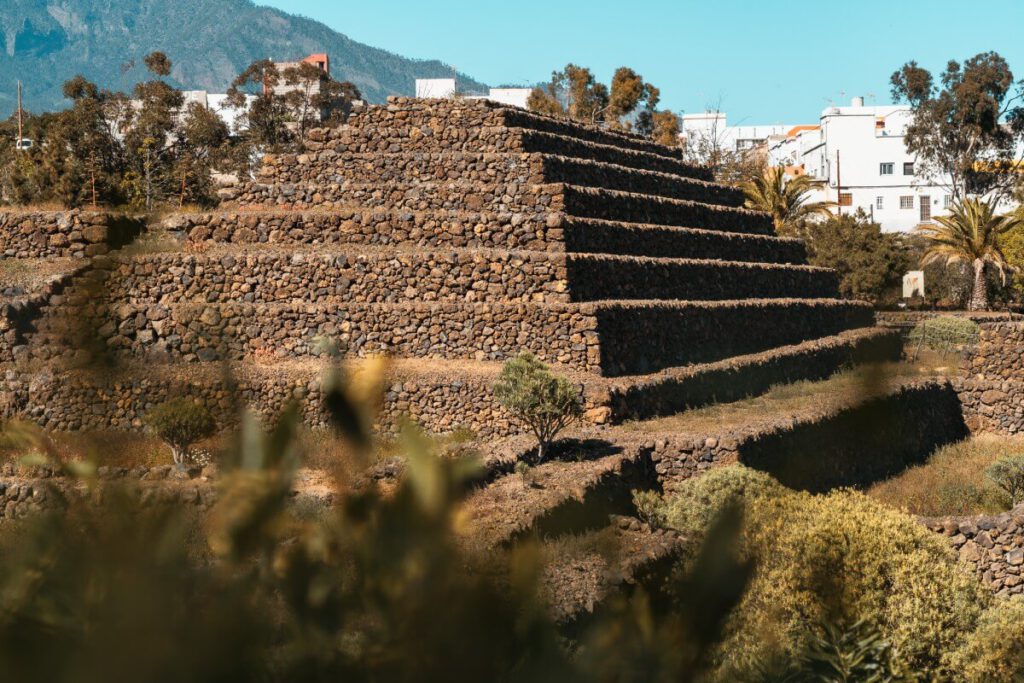
There are two different types of tickets. In my opinion, the cheaper ticket is enough. It includes access to the park’s main attractions. If you buy the more expensive ticket, you’ll also have access to additional exhibits and gardens, such as an exhibit on Polynesia or a small garden with poisonous plants. However, these aren’t open all day either.
The entire tour takes about 1 to 2 hours. My favorite part was the large botanical garden where the pyramids are located.
Playa Amarilla
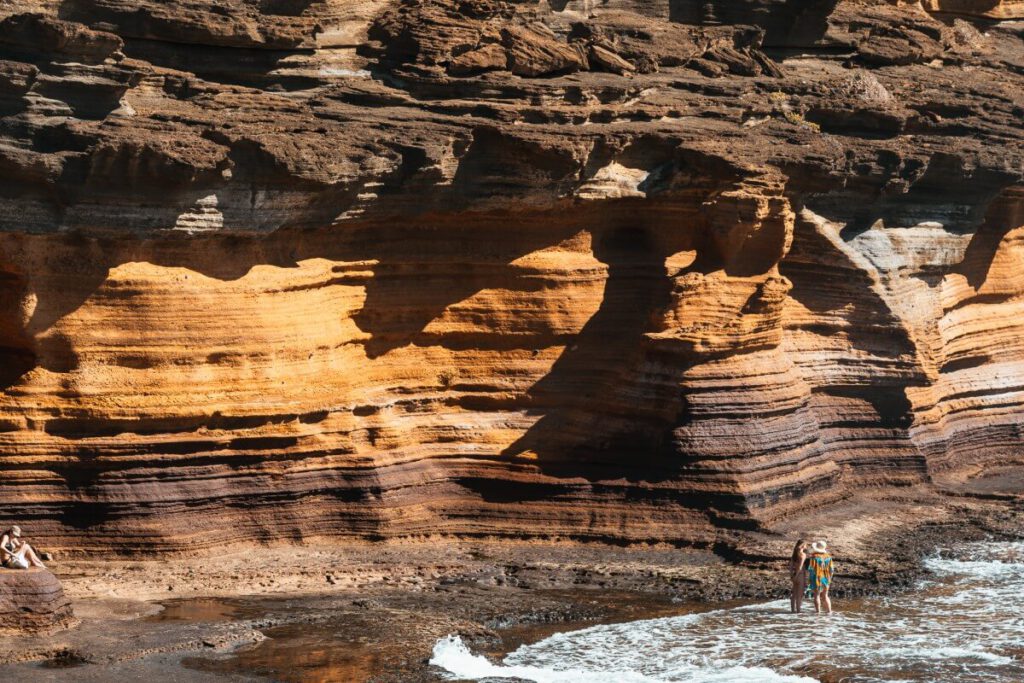
At Playa Amarilla, an orange-yellow cliff plunges into the sea. It owes its name to the Montaña Amarilla directly behind it, a volcanic cone made of light-colored tuff. The different layers of rock, with their ochre tones, create a spectacular color contrast alongside the blue water and the black volcanic rock.
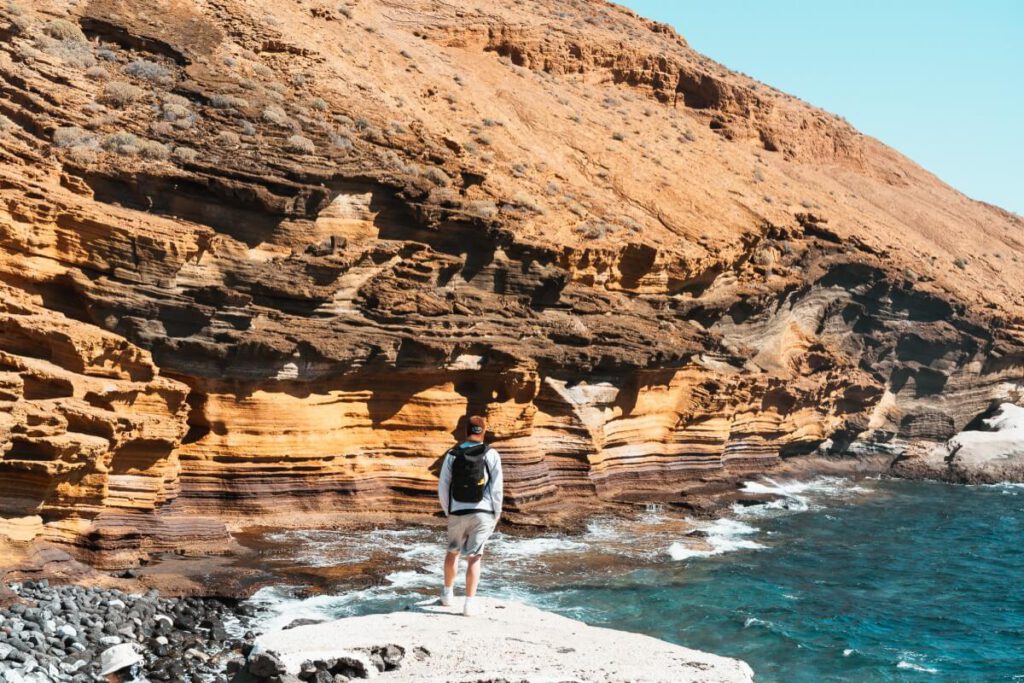
Visitors often sunbathe on their towels on the terraces. You can also use ladders to get into the water for a swim (though this isn’t really suitable for small children). The spot is popular with snorkelers. Next to the rocks, there’s also a small and fairly laid-back beach bar (Mana Nui Chiringuito) with a view of the coast.
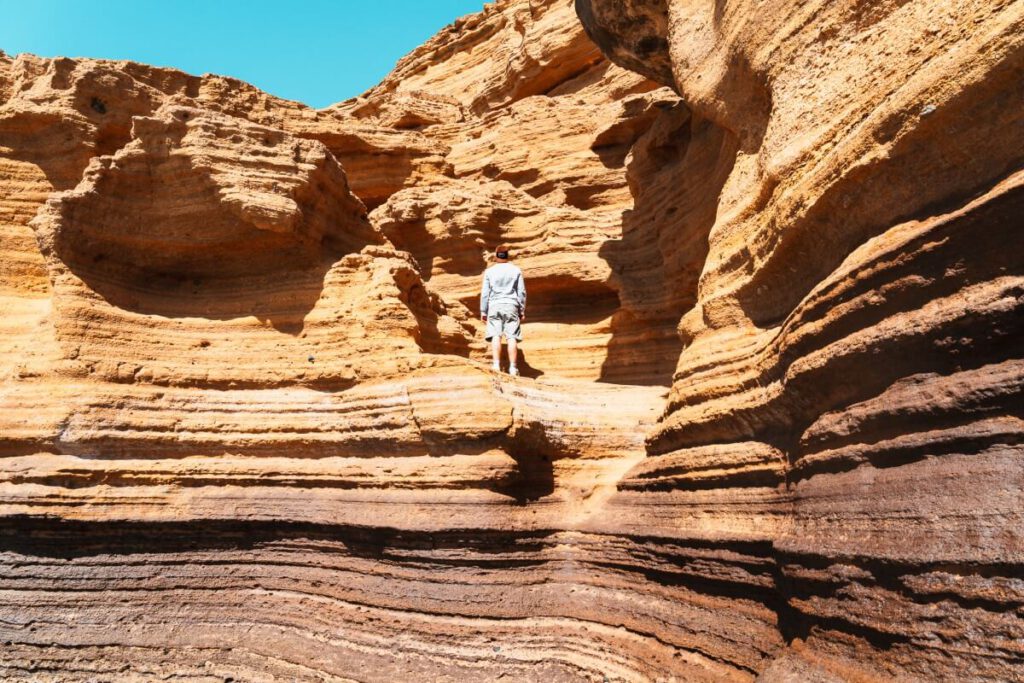
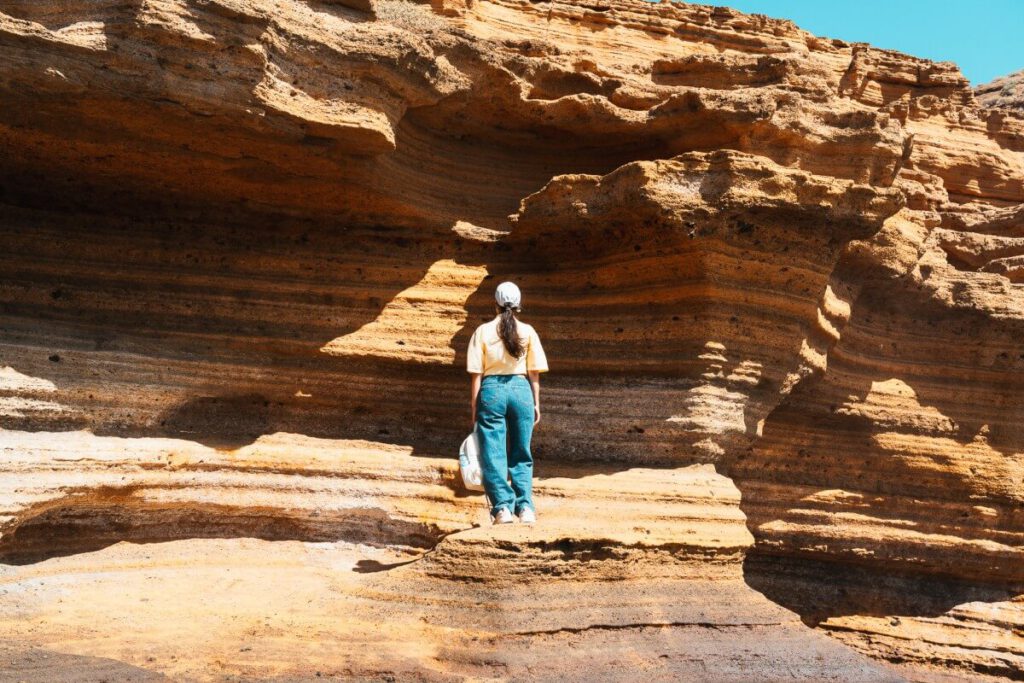
It’s best to come here at low tide. You can park for free on the streets in town.
Playa La Tejita
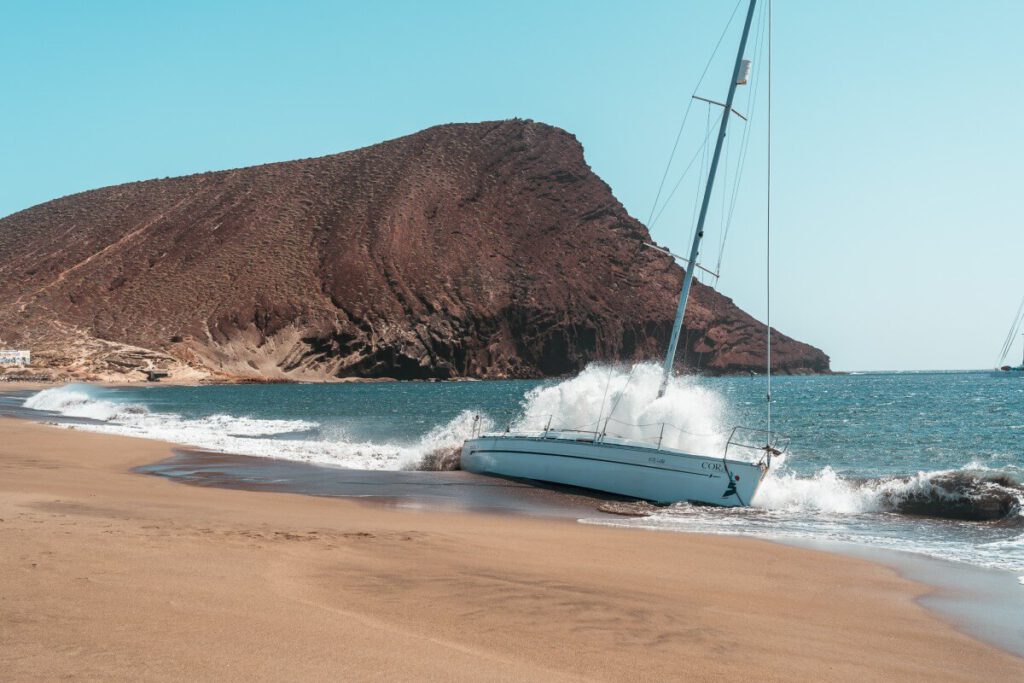
Playa La Tejita is one of the longest natural beaches in southern Tenerife and lies right at the foot of Montaña Roja, a reddish-brown volcanic cone that is a protected natural area.
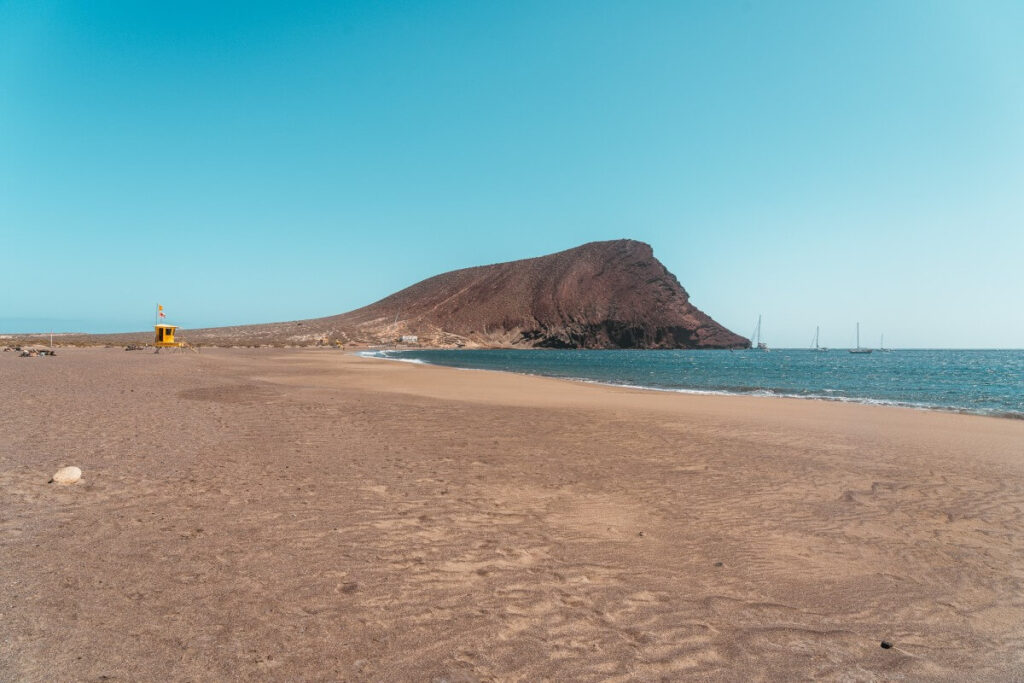
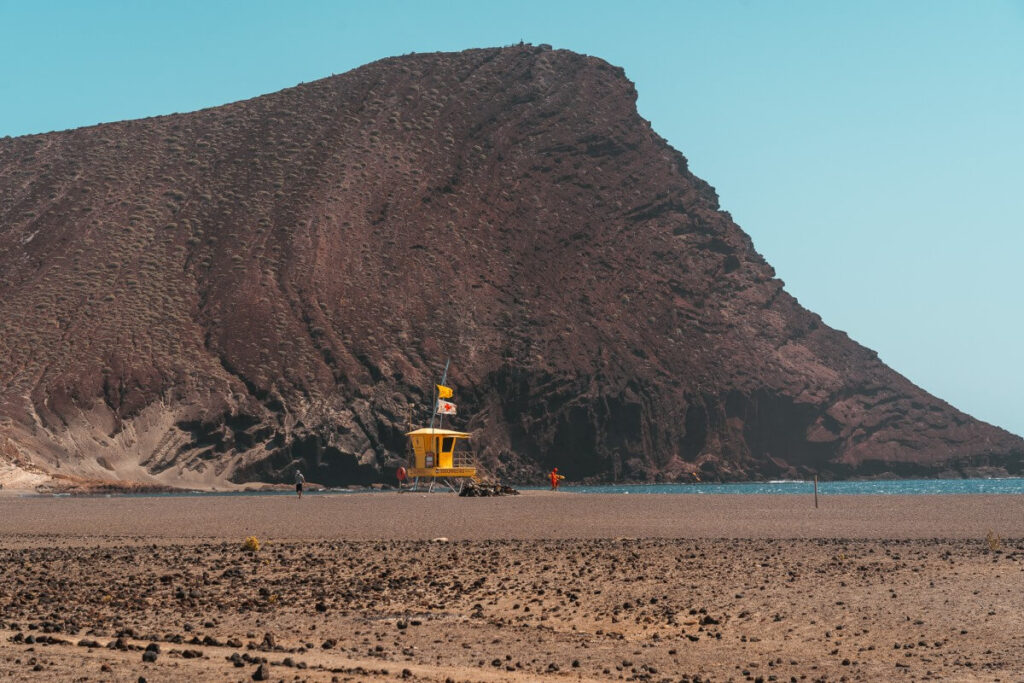
Since there are no hotels right behind the beach here, it feels much more unspoiled than others in the region. However, it’s often quite windy here with strong waves, which is why the spot is more popular with kiteboarders and windsurfers.
A road trip around Tenerife takes you to places that most package tour travelers never get to see. Contrary to its reputation, the island has much more to offer than just massive hotel complexes and mass tourism. Which places in Tenerife impressed you the most? What’s still missing for a perfect road trip? I look forward to your comment.
Tools & services for your trip*
This is what I use on my own road trips.
Book & Plan
My gear
*Disclosure: All links above are affiliate links. If you book through them, I earn a small commission – at no extra cost to you. That's what keeps Travel-Dude free and ad-free. Thank you!



Leave a Reply