
📝 About the Author: Matthias

Too much stress? Tired of the noise and boredom of the big city? Want to get away with friends or family and explore the natural beauty of North Rhine-Westphalia? Then this article is just what you need. I’ll share some truly extraordinary sights and destinations in NRW for your perfect weekend getaway or day trip.
Before you head out of town by car, you should definitely check first to see if there’s anything cool you might have missed in the surrounding area.
Take a look here:
All of the destinations in North Rhine-Westphalia featured in this article are ideal for day trips, but also for entire weekends. They are about an hour’s drive from cities like Cologne or Düsseldorf and offer you and your family a break from city life, as they are located in natural or more rural settings.
You can also find the North Rhine-Westphalia destinations mentioned in the article here on the map:
Since the destinations in North Rhine-Westphalia mentioned here are also great for multi-day trips, I’ll give you some hotel recommendations and tips for cool places to camp.
But enough with the introduction. Let’s get right to the best places to visit in North Rhine-Westphalia:
1. Xanten – Germany’s largest open-air archaeological museum
At the LVR Archaeological Park in Xanten, you’ll step back in time to a bygone era, when the Romans established the borders of their empire here along the Rhine.
Once upon a time, the ancient provincial city of Colonia Ulpia Traiana stood here; today, it has been brought back to life in the park through numerous reconstructions. Here, you can get a sense of Roman culture and learn all sorts of interesting facts about its history.
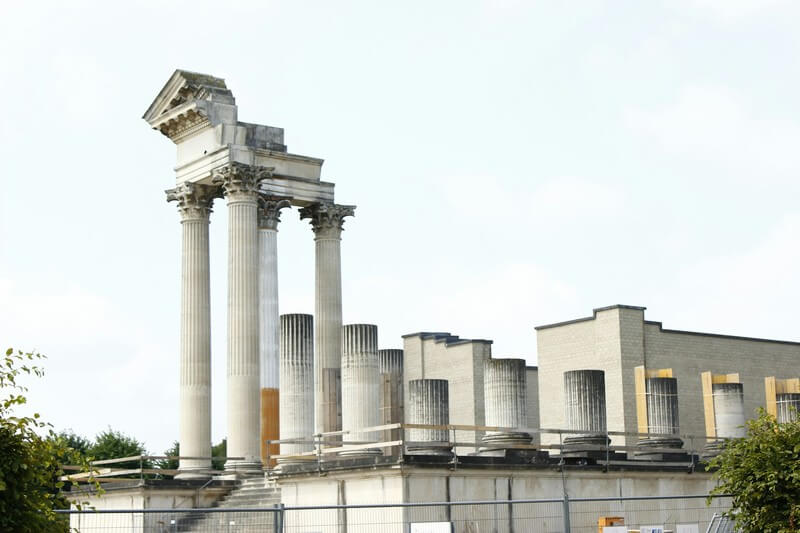
If the weather is bad, you can also read about and experience much of the same content at the LVR Roman Museum. The museum is the centerpiece of the Archaeological Park. The entire site is so impressive that it was added to the UNESCO World Heritage List in 2021.
2. The Bergisches Land
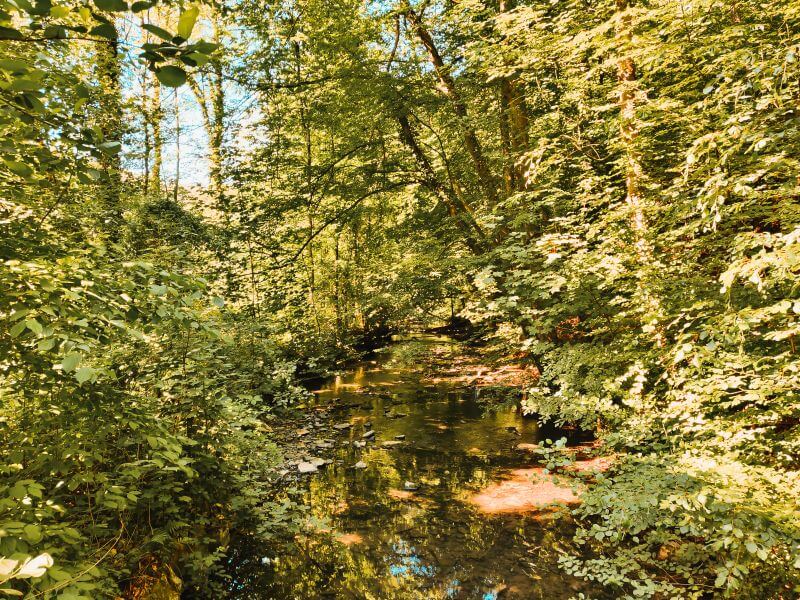
The area along the Wupper River between Solingen and Remscheid isn’t just beautiful – it’s also very easy to reach from the major cities of Cologne, Düsseldorf, and Wuppertal. You can also get here quickly from the Ruhr region.
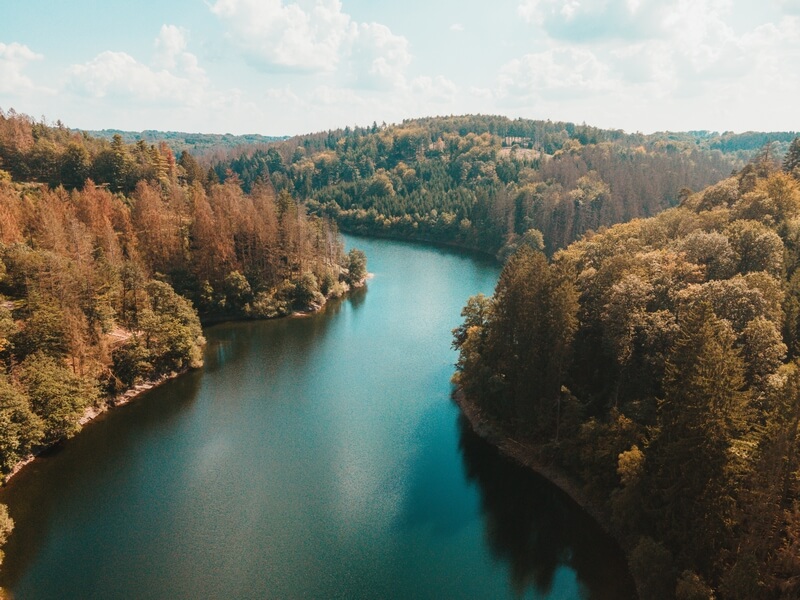
Here you can discover some cool things, such as:
- The Müngsten Bridge, Germany’s tallest railway bridge
- The idyllically situated Sengbach Dam
- The medieval castle of Burg
- Nature along the Wupper
Here you’ll find plenty of details about this region and how best to plan a day trip there:
I also think the area in the Wupper Valley is especially cool because you can’t hear any noise from the highway here—not even a distant hum, as is so often the case in natural areas near big cities.
3. Oberhausen Gasometer
The Gasometer in Oberhausen is the perfect destination in North Rhine-Westphalia, especially (but not only) on rainy days. This industrial monument and landmark of the city of Oberhausen regularly hosts fantastic exhibitions featuring interactive elements. You can explore the “Mythos Wald” exhibition here through the end of 2026.
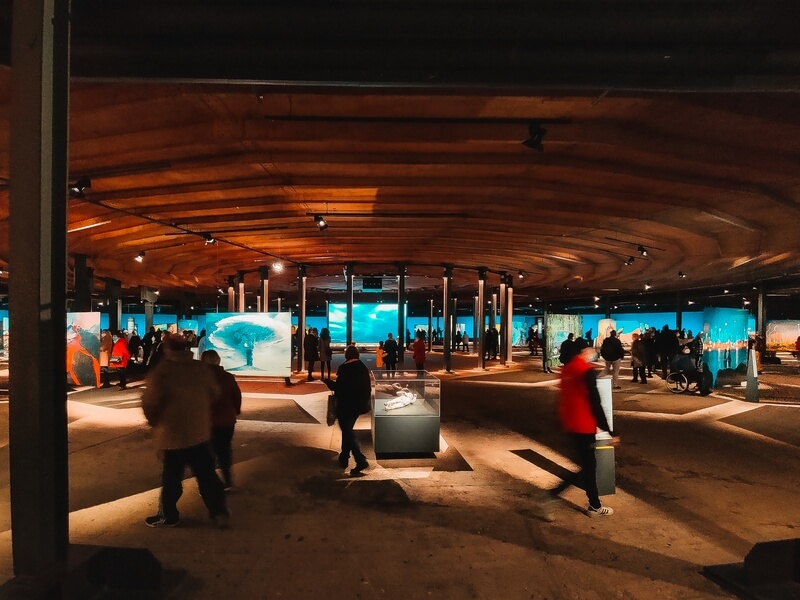
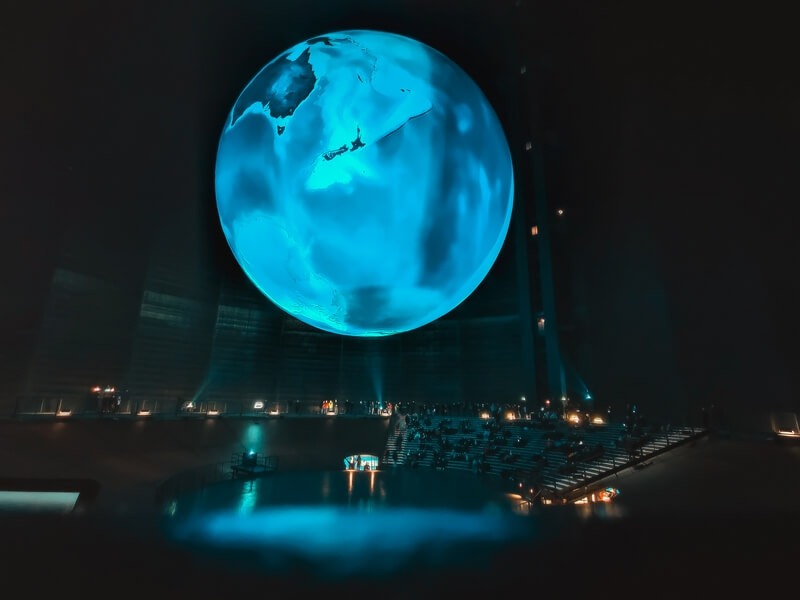
The absolute highlight of the exhibition is always a gigantic sculpture or projection in the heart of the gasometer.
The “Mythos Wald” exhibition features a similarly spectacular element: the light sculpture “The Tree” simulates the life processes of a tree. Through lighting effects and projections, it visualizes photosynthesis, the flow of nutrients from the roots to the crown, as well as the changing seasons and weather phenomena. Bottom line: You have to see it!
4. Sequoia Farm Kaldenkirchen
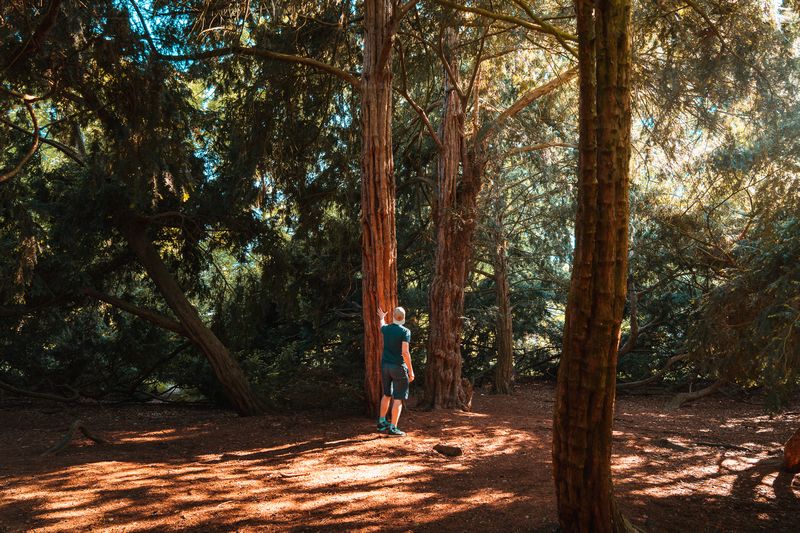
The Sequoia Farm near Kaldenkirchen is a truly special natural site—the kind you don’t often find in Europe.
Sequoias are giant redwoods found primarily along the western coast of North America. California’s Sequoia National Park is home to the General Sherman Tree, the largest of its kind (by volume).
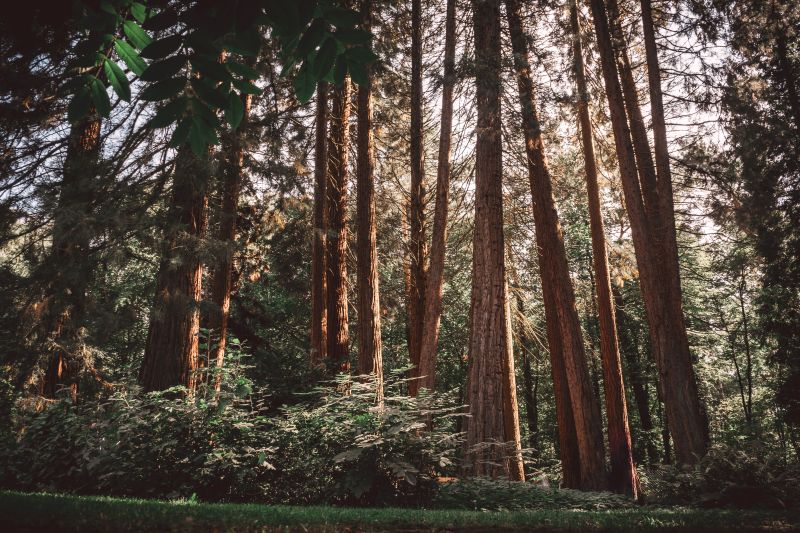
Since the mid-19th century, individual specimens of these giant sequoias have also been planted in several parks in Central Europe. The 3.6-hectare site in Nettetal-Kaldenkirchen, on the German-Dutch border, is Europe’s very first dedicated sequoia nursery. It was established in 1946.
The grounds are privately owned and are not open during the week. However, they are open on Sundays and holidays from 10:00 a.m. to 5:00 p.m. There is no admission fee, but donations are welcome.
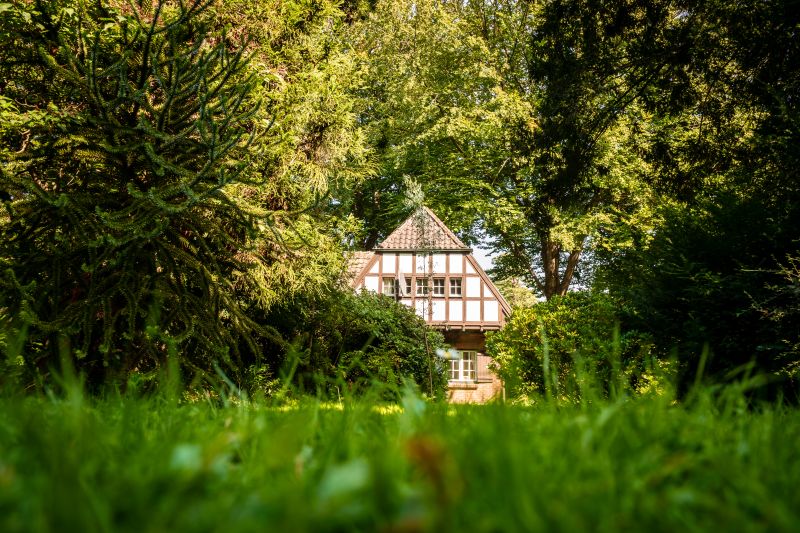
At 63 years old, the sequoias here are still quite young compared to their counterparts in California, but no less impressive for it. A visit to the Sequoia Farm is definitely worth it. In addition to giant sequoias, you can marvel at all kinds of other plant species from around the world in this arboretum, including Wollemia, one of the rarest tree species on Earth, which was only discovered in Australia in 1994.
5. Eifel National Park
The Eifel National Park is one of the few regions in Germany where nature is left to its own devices. Numerous hiking and biking trails wind through the 110-square-kilometer park. The most scenic of these run along Lake Rur, Lake Obersee, and Lake Urft.
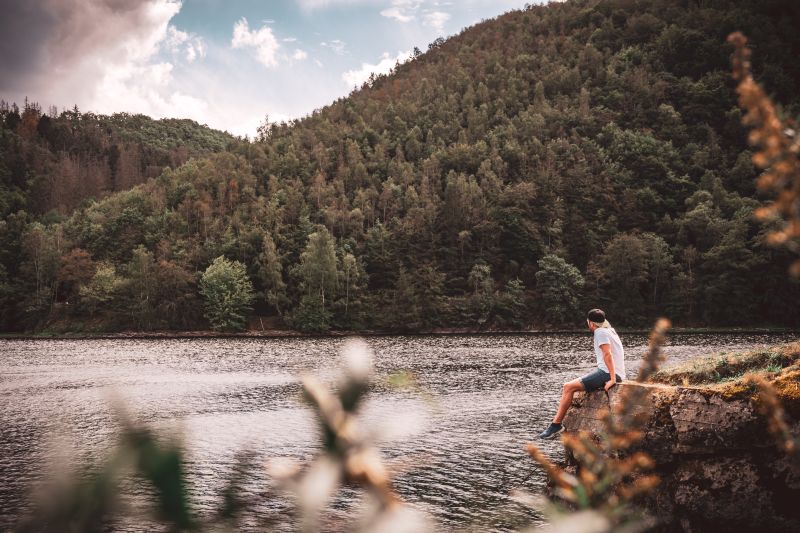
A great loop hike starts in Einruhr and follows the Obersee for 7 km to the Urftsee Dam. There’s a popular restaurant there where you can take a break. On the way back, you’ll walk 3.8 km along the other side of the lake to Rurberg. At the café “Haus am Obersee,” you can stop for coffee and cake and enjoy the beautiful setting. Finally, you’ll walk back about 5 km to Einruhr.
If you don’t want to walk that far, you can take a shortcut by taking one of the Rursee boats. These allow you to explore the region in complete comfort without much effort. There are several routes:
- Ruhrsee Circuit: 1 hour and 45 minutes
- Obersee Tour: 1 or 2 hours
- 2-Lake Tour: 3 or 4 hours
Here you’ll find the detailed schedules.
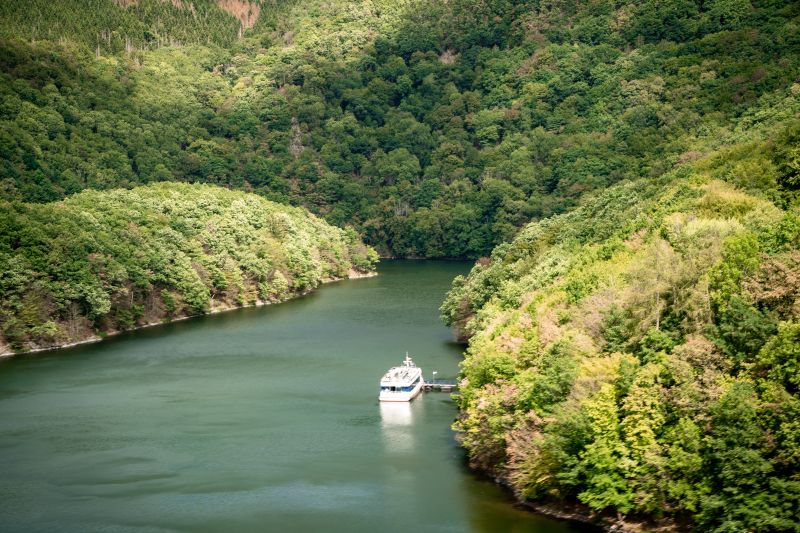
You can also explore Lake Rur on your own by canoe. There are rental locations in Rurberg and Woffelsbach. You can also rent pedal boats in Einruhr and Woffelsbach.
Another popular attraction in the national park is Vogelsang IP (Internationaler Platz). This is a former Nazi Ordensburg that was later used as a military training area. There are two permanent exhibitions there, and several hiking trails start from this location.
If you plan to stay in the area for a while, I recommend the “Camping Rursee” campground in Rurberg. It’s a meadow campground, and the owners are pretty laid-back. They also have some really cool cabins with saunas available for rent—they look like barrels from the outside.

However, there are also accommodations offering greater comfort, such as the Juuls Hotel Garni in Einruhr or the Jidajo See Cottage Nationalpark Eifel in Rurberg.
6. Monschau
Not far from the Eifel National Park lies the idyllic town of Monschau. Situated on the Rur River, this small town—with its winding alleys, castle, and historic half-timbered houses—is arguably one of the most picturesque towns in Germany and a paradise for tourists from all over the world.
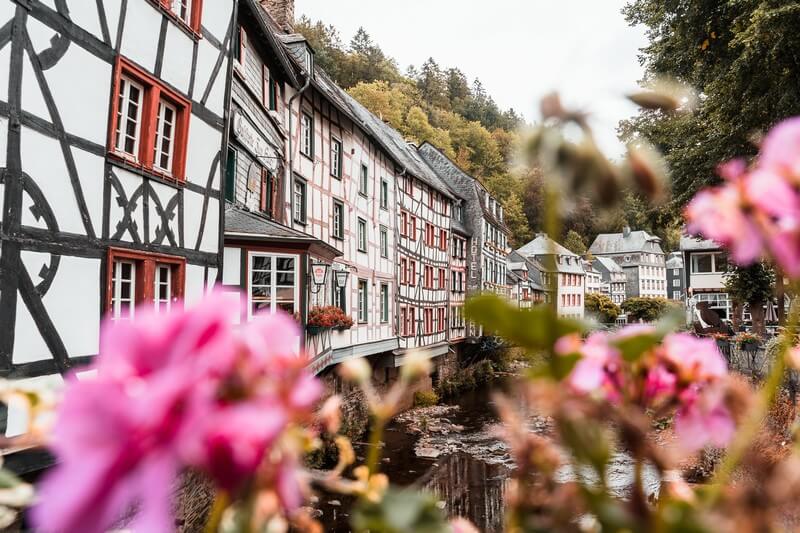
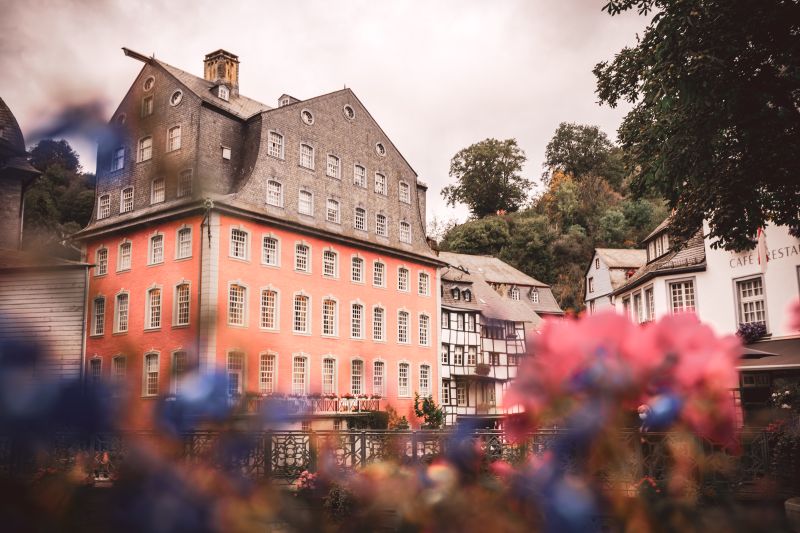
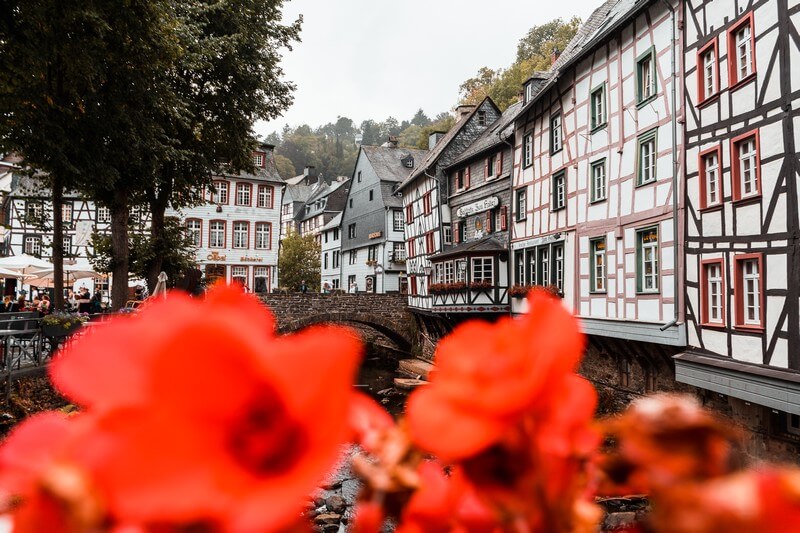
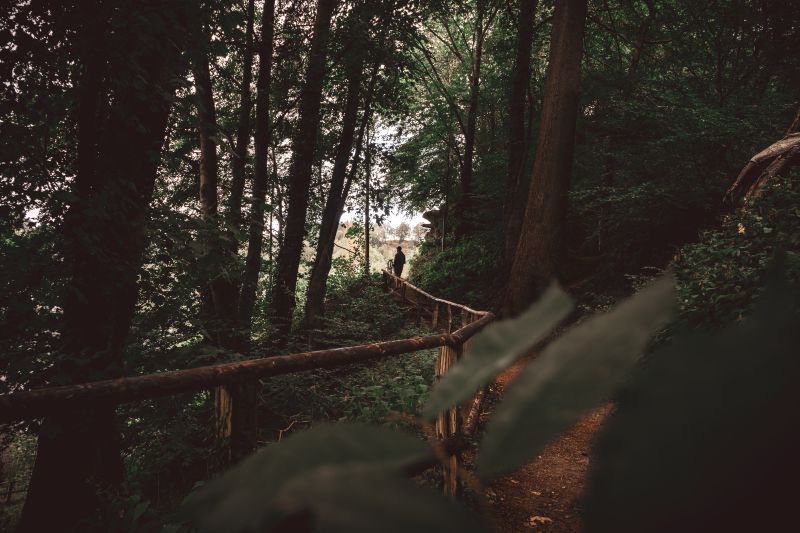
There are plenty of arts-and-crafts shops, cafés, and restaurants here. A walk around Monschau along the city park is also wonderful. From the higher terraces, you’ll enjoy great views of the slate-covered roofs time and again. But there are many more hiking trails here that take you deeper into the region around Monschau. You’ll need to set aside plenty of time for that, though.
There are also some great hotels in town if you’d like to stay here for a few days, such as Haus Stehlings, which overlooks the old town.
You can find all the highlights and plenty of tips about Monschau in the following article:
7. Freudenberg “Alter Flecken”
A veritable paradise of half-timbered houses awaits you in this little village in South Westphalia. The “Alter Flecken,” as Freudenberg’s historic town center is known, is world-famous. That’s because the 80 half-timbered houses from the 17th century here are lined up in neat rows like a battalion of soldiers. Since the houses were also built on a hillside, the result is a picture-perfect black-and-white half-timbered scene, with the town church perched at the summit.
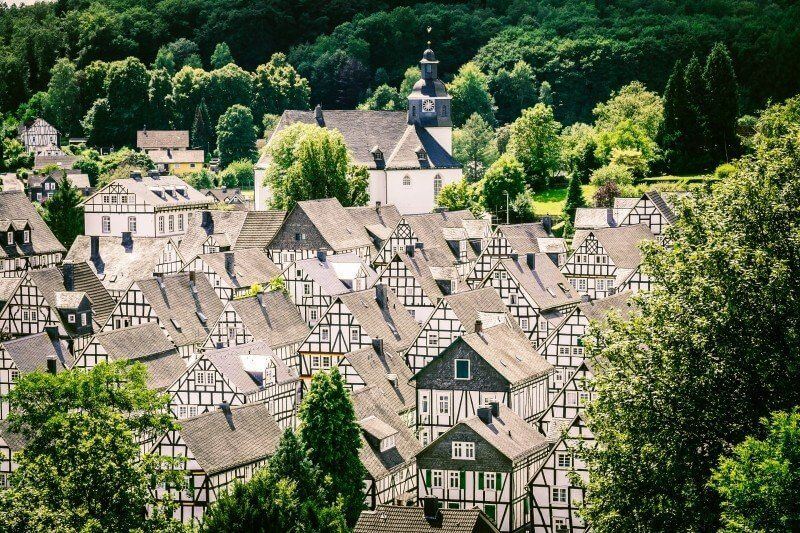
The best view of the row of houses is from “Kurpark”. It’s also worth taking a stroll through the narrow streets of the Old Town. Here, you can stop for a bite to eat at the cafés and restaurants or pick up souvenirs at the craft shops.
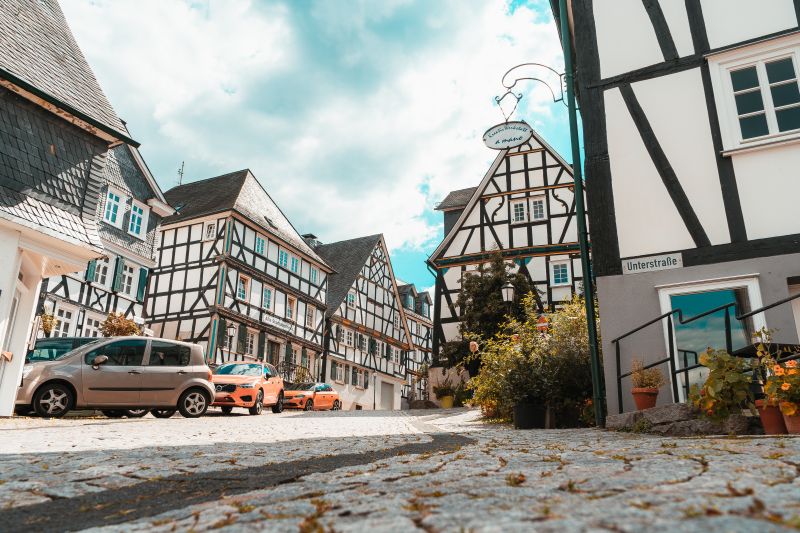
By the way: Despite the large influx of tourists, there are still some Freudenberg residents living in these houses. In some cases, you can also stay in private accommodations in the half-timbered houses. Alternatively, there’s the Flecker Hotel.
8. Drachenburg Castle and Drachenfels in the Siebengebirge
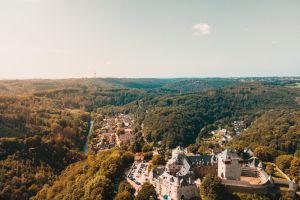
Just like in a Disney fairy tale—you can spot Drachenburg, the fairytale castle perched above the Siebengebirge mountains, from a distance. Built between 1982 and 1984 in the Historicist style, it features a wealth of architectural details from a wide range of eras.
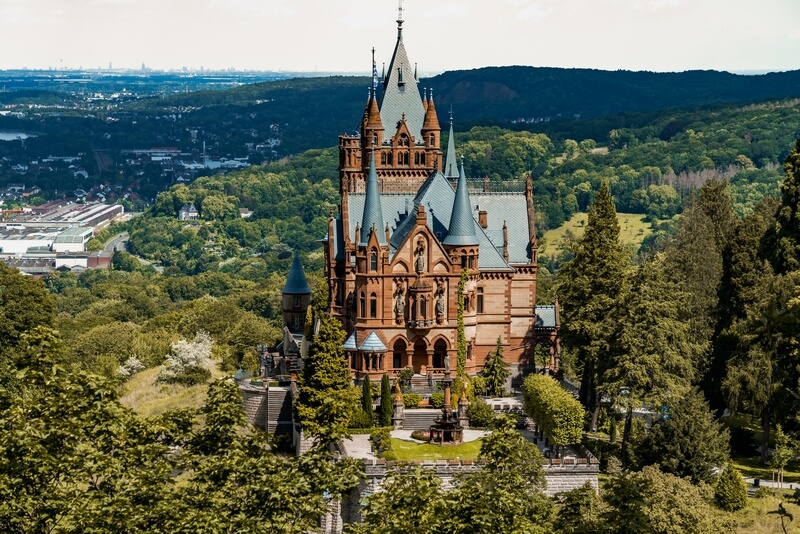
On sunny, clear days, you can even spot Cologne Cathedral and the TV tower on the horizon from the castle. By the way: The castle is just one of many highlights throughout the Siebengebirge. If you walk a little further along the Eselsweg, you’ll also reach the Drachenfelsen. From here, you’ll have a breathtaking view of the Rhine and the surrounding region. There’s also a beer garden there where you can relax.
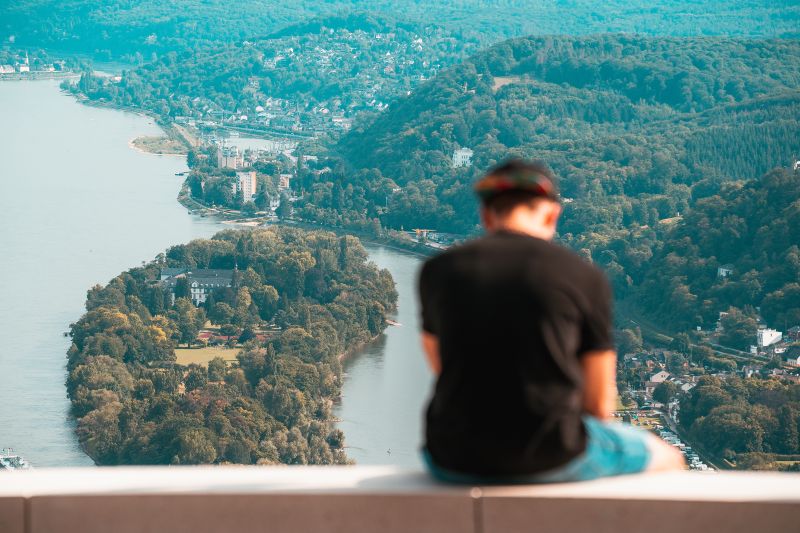
Admission to the castle costs €10 per person (€8 for children). You can reach the castle via a truly beautiful hiking trail near Nachtigallental. However, many tourists take the convenient shortcut via the Drachenfelsbahn from Königswinter. This train runs every half hour (every 15 minutes on weekends and holidays) and continues on to the Drachenfelsen. A round-trip ticket costs €14 per person.
Beethoven Hiking Trail in the Siebengebirge
Drachenburg Castle and the Drachenfels make up only a small part of the Siebengebirge, but they attract the most tourists because they’re so easy to reach. But there is much more to discover here. If you’re fit enough, I recommend the truly fantastic Beethoven Trail. As the name suggests, the famous composer Beethoven is said to have once sought inspiration for his work and relaxation in the natural surroundings of the Königswinter region.
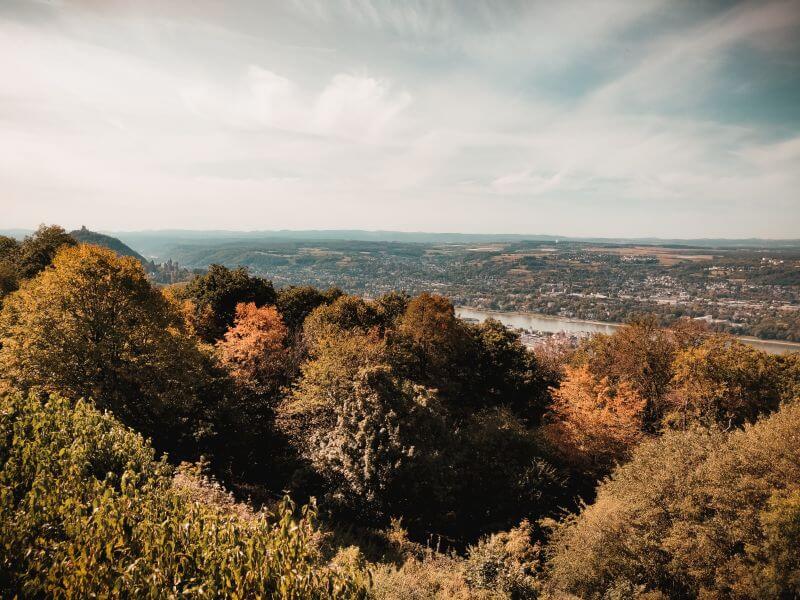
The trail takes you 15 km through the entire region, with some steep uphill and downhill sections.
Along the way, you’ll pass the castle and the Drachenfelsen, as well as the Rosenau castle ruins, the steep cliffs in the middle of the forest on the Stenzelberg, and the stunning Heisterbach monastery ruins. You can stop for a break at the Milchhaus, which is nestled in the middle of the forest. Plus, you’ll enjoy breathtaking views along the way without having to share them with crowds of other tourists.
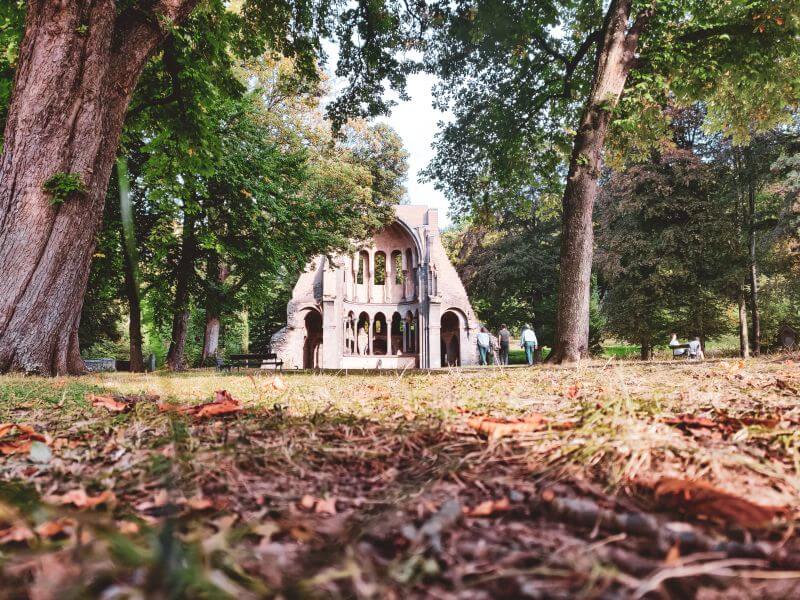
One day is enough to cover the entire route. It took me about 5 hours to walk the trail, though that didn’t include a visit to the castle or any stops along the way. You should plan on an extra 2–3 hours for those.
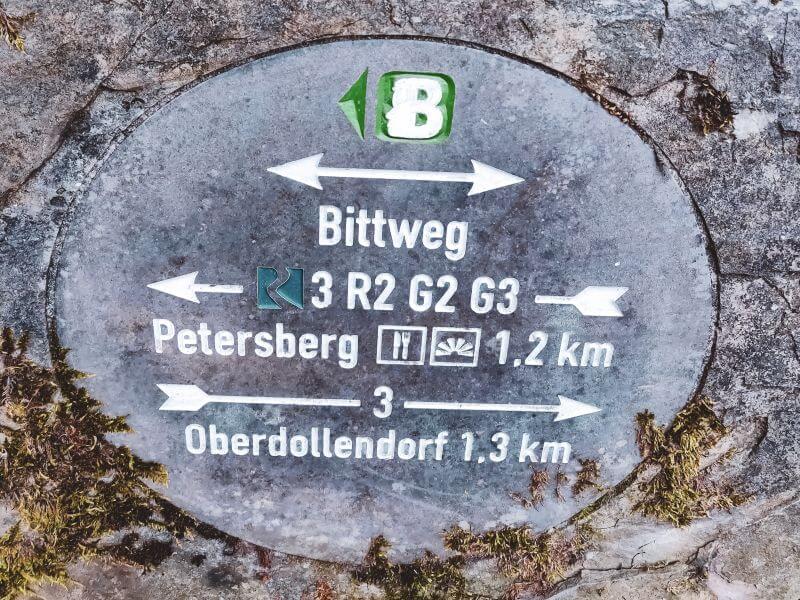
If you want to spend more time exploring the area around the Seven Mountains, the Steigenberger Grandhotel & Spa on Petersberg is definitely a standout choice for your stay. From here, you’ll enjoy a fantastic view of the vast landscape.
If you’re more of a camping enthusiast, I recommend the “Rheincamping Siebengebirgsblick” campground. From there, you can walk along the Rhine to the ferry, which will take you across the river to Königswinter.

9. Burg Linn Museum
The Burg Linn Museum is located on the outskirts of Krefeld and is housed in a moated castle over 900 years old, surrounded by a beautiful park. This makes it one of the oldest castle complexes in the Lower Rhine region. Many small details transport you back to medieval times. The museum has also made provisions for children, with a dedicated area inside the castle featuring games and information for the little ones.
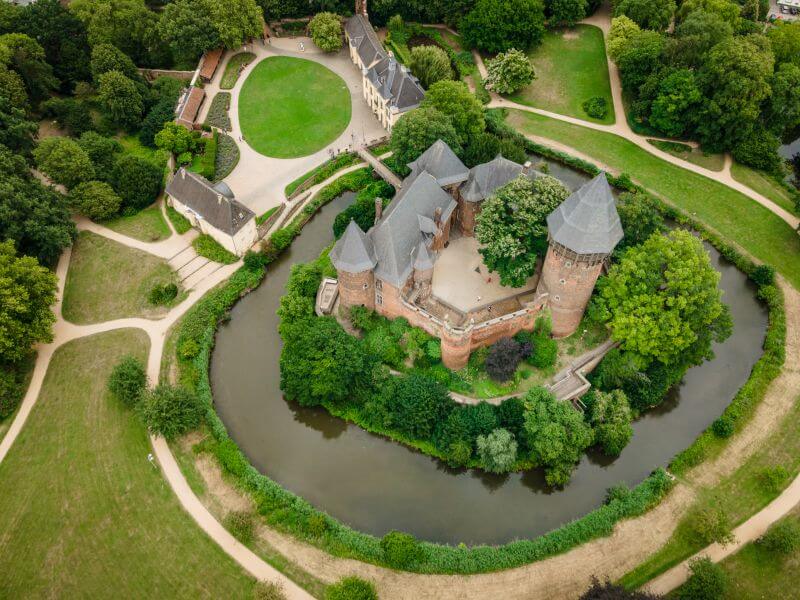
In addition to the castle, there is also an old hunting lodge where antique furniture and musical instruments are on display. Admission to both is €5.
10. Rheydt Castle
Rheydt Castle is a magnificent Renaissance castle located on the outskirts of Mönchengladbach and was built between 1558 and 1591. Today, the castle grounds house a museum where you can get a genuine sense of aristocratic life from that era. Several curious objects are on display here, such as a coconut cup and a folding sundial.

In addition, there are also a number of special exhibitions to explore here from time to time, such as one on the Stasi.
Rheydt Castle is also part of the “Castles of the Lower Rhine Guided Segway Tour.”
Admission to the castle costs €6 per adult. The admission fee also includes access to the castle’s original vaulted cellars, which feature an exhibition of artifacts.
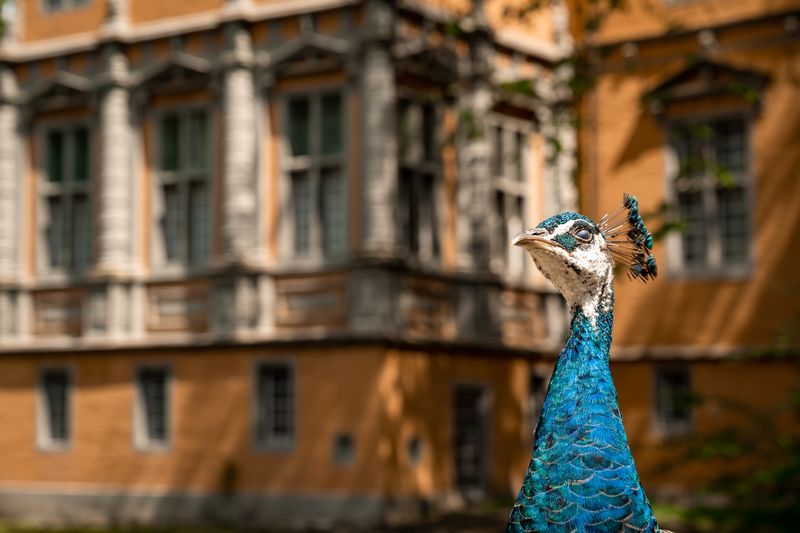
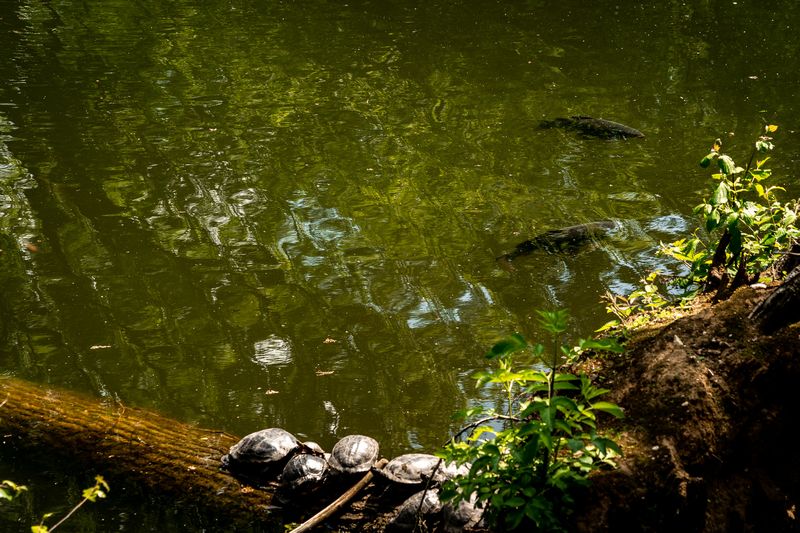
The park surrounding the castle offers plenty of opportunities for a stroll. There are also some animals roaming freely here. I especially loved the turtles in the moat and the magnificent peacocks.
11. Coenenmühle Pancake House
The Pfannkuchenhaus at Coenenmühle offers pancakes in all sorts of varieties. How about, for example, a shrimp pancake, a hunter’s pancake, a chili con carne pancake, or a cherry pancake? The best thing to do is try your way through the menu yourself—which, by the way, also features other dishes besides pancakes.
By the way, the mill has been around since 1342, and in the surrounding area, besides enjoying pancakes, there are plenty of other things to do, such as hiking in the Dhünntal valley or visiting the Altenberg Fairytale Forest (€5 admission for adults).
12. Externsteine in the Teutoburg Forest
One of Germany’s most famous natural landmarks is located near Bielefeld in the Teutoburg Forest—the 40-meter-high Externsteine.

It is believed that the stones were part of a Celtic sanctuary. However, no one really knows exactly what the site is all about, which also includes caves and rock-cut tombs. The striking rock face is surrounded by a park and a pond.
There’s much more to discover at the Externsteine, such as Germany’s tallest statue and an impressive open-air museum. Find out here what you can do in the Teutoburg Forest near the Externsteine:
13. Neanderthal Museum
The Neanderthal Museum offers plenty to see and do for families with children. It is located near Mettmann in the Neander Valley, where the first Neanderthal fossil was once discovered.
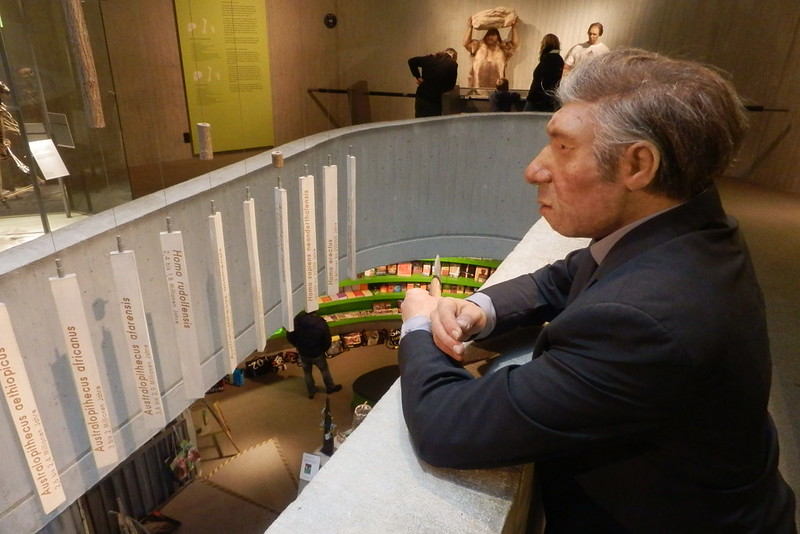
For an admission fee of €11.90, you can visit this very site and learn all about the origins and evolution of humankind in the exhibition at the museum, located about 400 meters away. An audio guide is included in the price. In addition to the permanent exhibitions, there are also regular special exhibitions.
In addition, Neandertal offers many great hiking trails through nature, a large playground, and even a wildlife enclosure that is home to rare Ice Age animals, such as aurochs, Tarpans, and bison.
14. Zollverein Coal Mine
A unique landscape awaits you at the Zollverein Coal Mine Industrial Complex, a UNESCO World Heritage Site in Essen. However, this landscape has less to do with nature and is instead shaped by the industrial heritage of the Ruhr region.
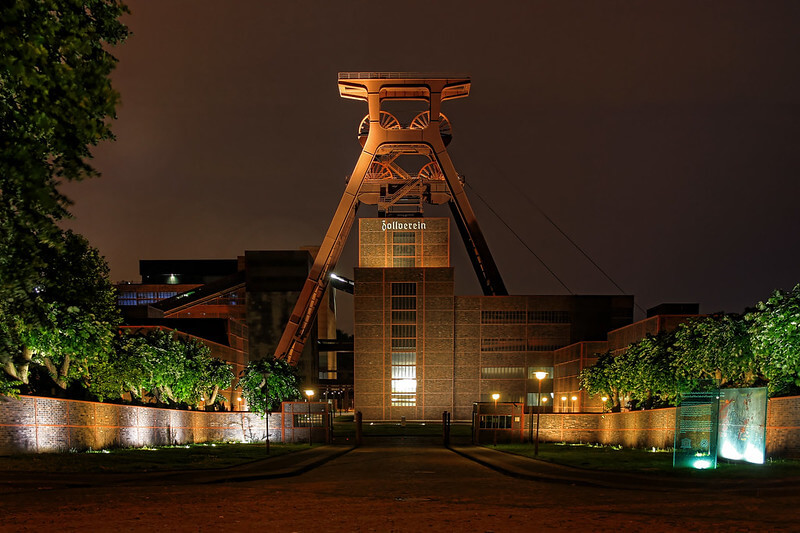
Here, you’ll immerse yourself in the world of coal and coke. This 100-hectare site was once home to the world’s largest coal mine and Europe’s largest central coking plant. Today, you’ll find many museums and art exhibitions here, such as
- The Ruhr Museum, featuring a permanent exhibition on industrial culture
- The Red Dot Design Museum, home to the world’s largest exhibition of contemporary design
- The Phänomania Experience Center, a collection of 120 interactive exhibits spread over 1,200 square meters
Admission to the Zollverein Coal Mine Industrial Complex is free. You have to pay an admission fee for the museums.
15. Erft River
The Erft is a small tributary of the Rhine that winds through idyllic countryside. The Erft Cycle Route runs the entire 110 km from the Erft’s source to its mouth in Neuss. The route is very scenic and takes you past castles, fortresses, plenty of nature, and many places to stop for a break. Of course, you can also choose to ride just part of the route.
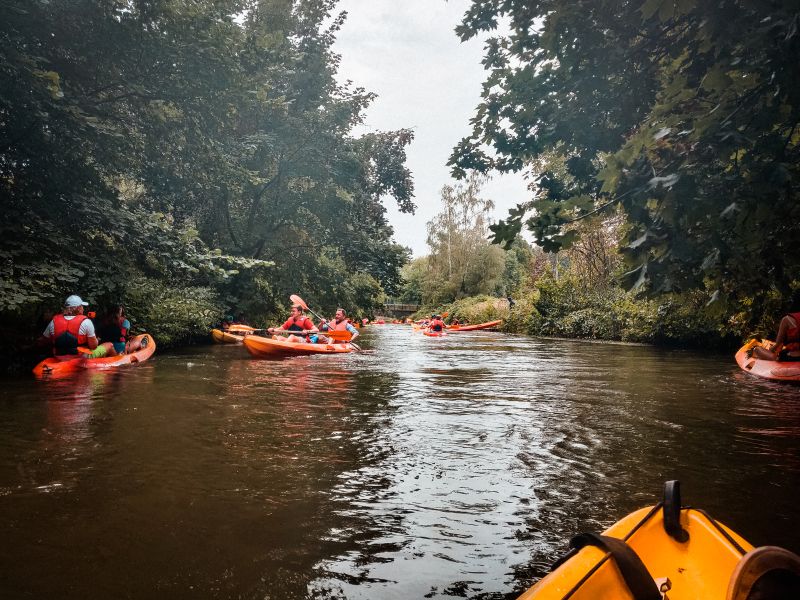
But the Erft also offers relaxation and fun on the water: for example, take a kayaking tour from Angelpark Bergheim downstream to Zievericher Mühle. Tours depart every Saturday, Sunday, and holiday at 11:00 a.m. from the meeting point with a guide. You don’t need to book in advance, but you should arrive early to secure a kayak. The cost is €25 per person (€35 per person for a single kayak). More information is available here.
16. Hombroich Island Museum
The Hombroich Island Museum is not your typical museum, but rather a unique blend of landscape, architecture, and exhibitions. Here, art and nature come together.
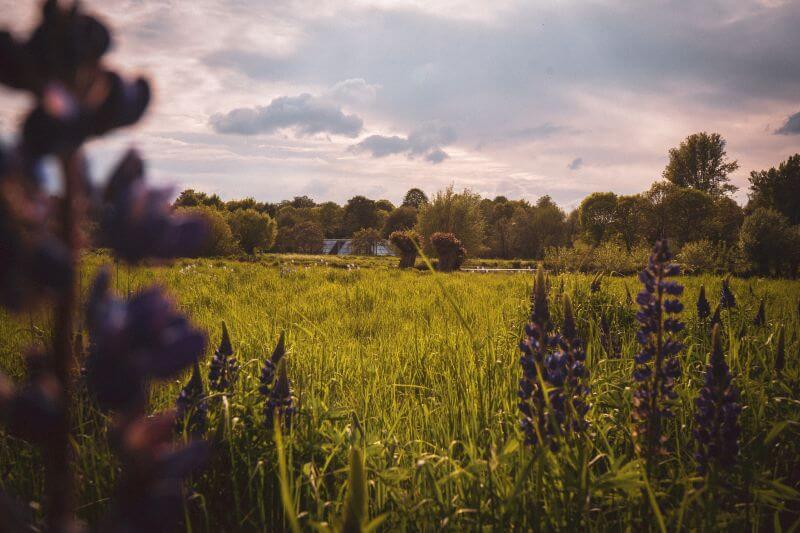
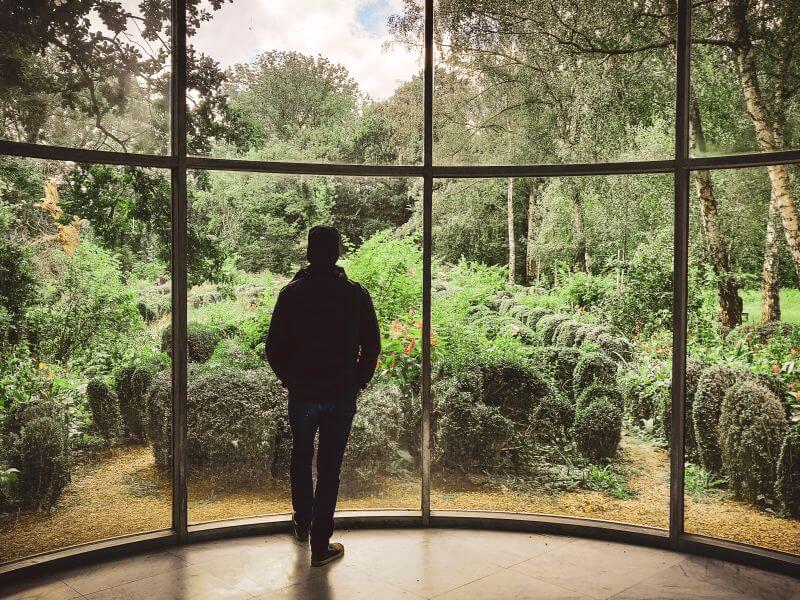
Numerous winding paths wind through the 21-hectare nature reserve, offering plenty of variety. For example, you can admire all kinds of sculptures or wander through a maze. Admission for adults is €25.
I was particularly impressed by the natural beauty of the area along the Erft River. The scent of exotic plants fills the air everywhere. Ferns cover the garden of a pink house. There are ponds, pools, and small tributaries that make you want to jump right in.
17. Zwillbrocker Venn – Flamingos
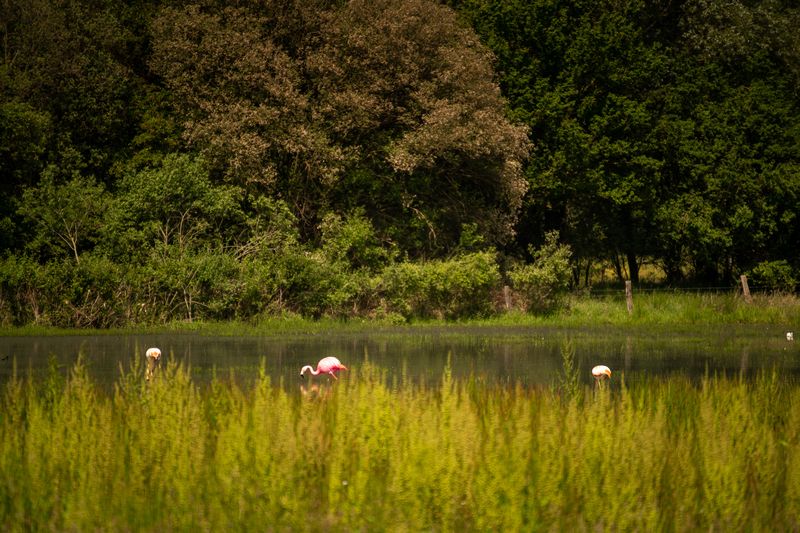
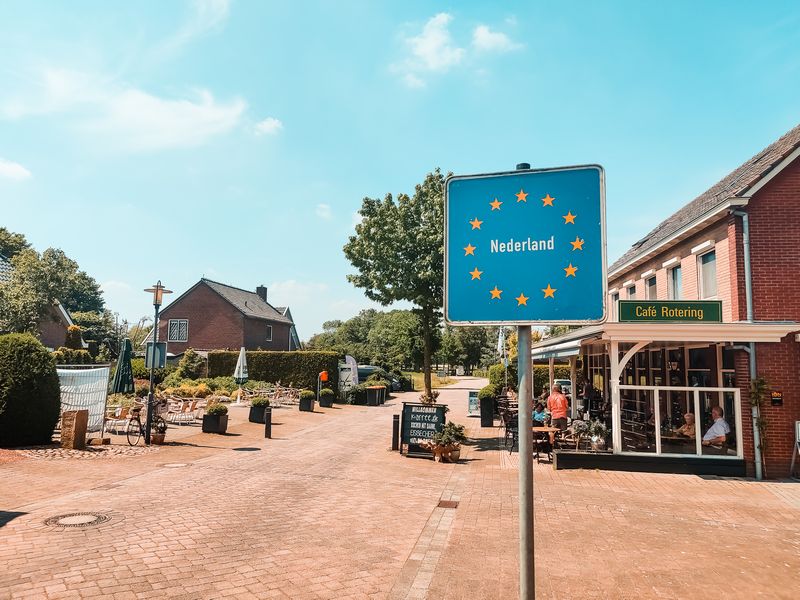
Who would have thought that you could also see flamingos—which are usually found in tropical regions—in Germany? You can do just that at Zwillbrocker Venn, a small nature reserve on the German-Dutch border.
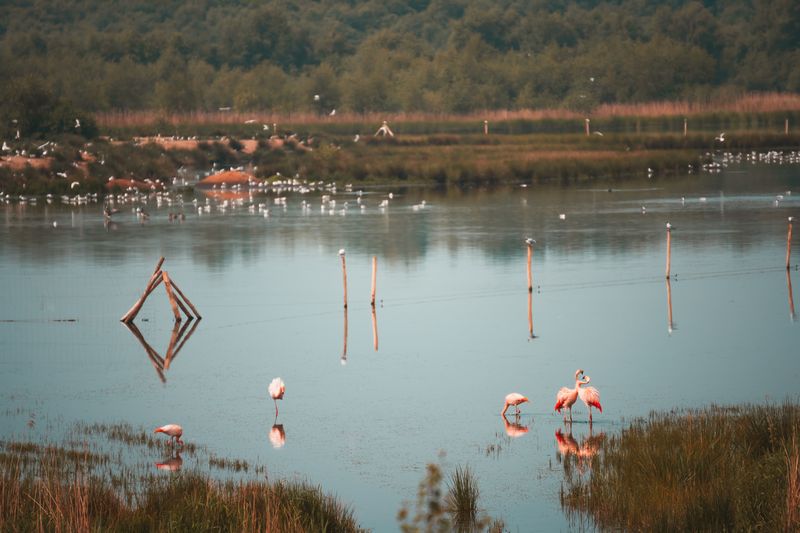
The flamingos, which like to breed and raise their young here, did not arrive here naturally. They are likely animals that escaped from zoos or private ownership.
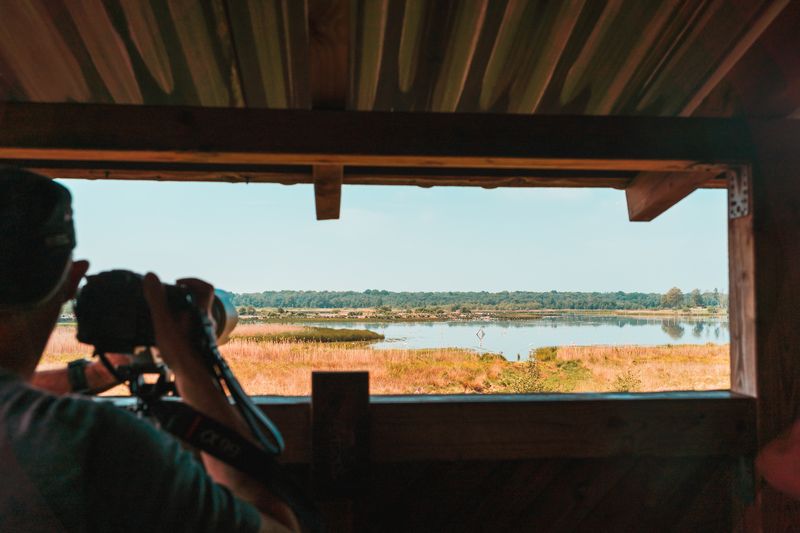
There’s a great 6-kilometer loop trail at Zwillbrocker Venn that’s also easy to ride along on a touring bike. Along the way, there are viewing platforms from which you can get a great view of the flamingos. Be sure to bring binoculars or a good camera lens.
And while you’re in the area, I’d also recommend taking a bike ride around here. There’s the Flamingo Route, but at 450 km, it’s a bit too long for a single day. Instead, you can simply ride back and forth along the flat country roads near the border and maybe spot a flamingo or two in other places as well. They can be found all over this region.
I’ve put together my route for you here. It’s about 20 km.
By the way: Flamingos are actually white by nature. But because of the pigments found in their diet—such as crayfish—their plumage turns pink.
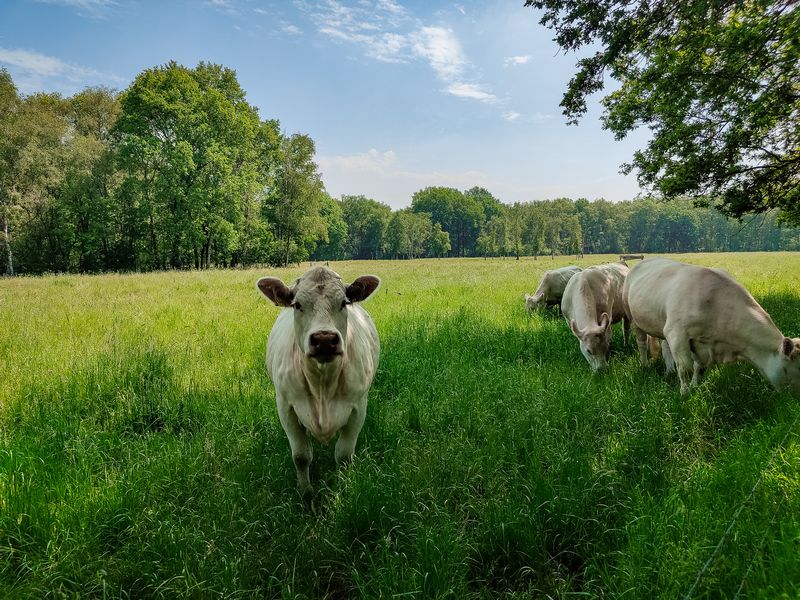
You can find more information about the flamingos and the Zwillbrocker Venn here.
18. Dyck Castle
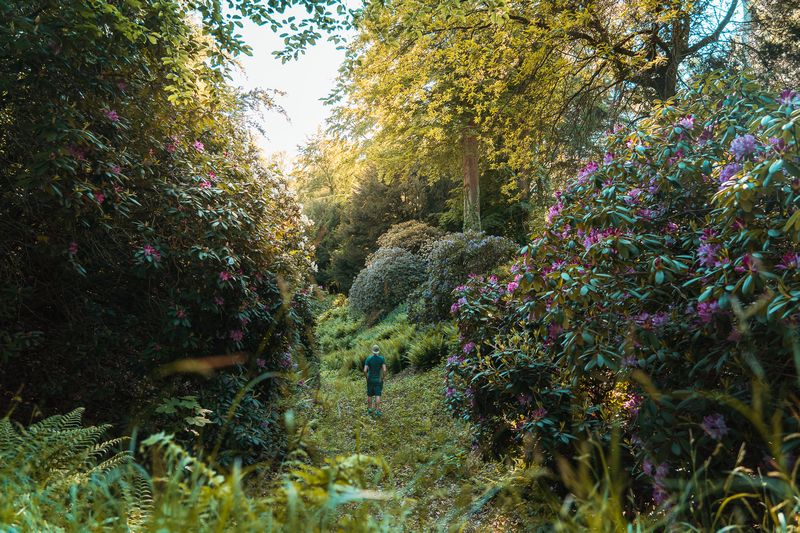
In my opinion, one of the most beautiful gardens in North Rhine-Westphalia can be found at Schloss Dyck near Jüchen. The English-style park surrounding the castle is especially worth visiting in May and June, when the rhododendrons are in bloom and the air is filled with the wonderful scent of spring. But it’s also worth a visit during other seasons.
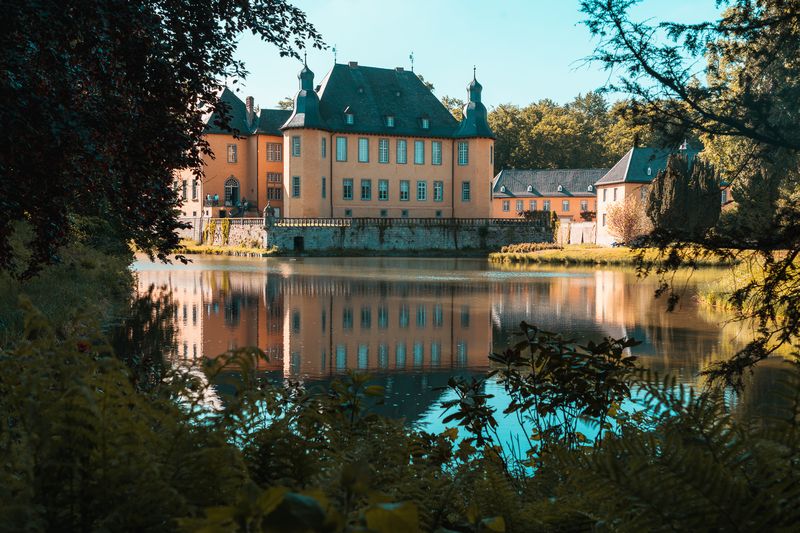
Given the size of the resort, you’re sure to find a spot where you can relax on your own for a few hours without many other guests around.
Admission to the park costs a hefty 10 euros. However, this also includes access to the interior of the palace, the newer Asian Garden, and the Orangery.
You can find more information about Schloss Dyck here.
19. Isenberg Castle
Isenberg Castle is one of the largest castle ruins in Germany, beautifully situated on a cliff overlooking the Ruhr River near Hattingen. It dates back to the 12th century.
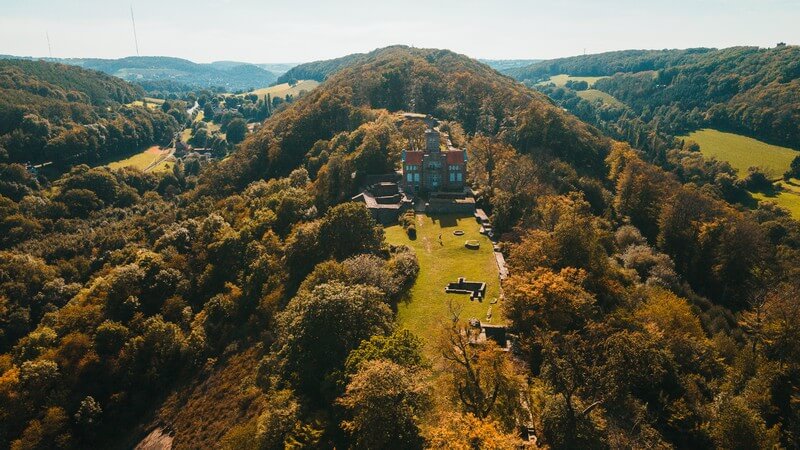
A hiking trail leads from the parking lot on Isenbergstraße at the foot of the mountain through the forest up to the site. Admission to this public monument and to the museum is free.
20. Cologne Cathedral
Of course. A trip to Cologne, the city of Carnival, definitely belongs on a list like this. If you want to explore Cologne, you definitely shouldn’t miss Cologne Cathedral.
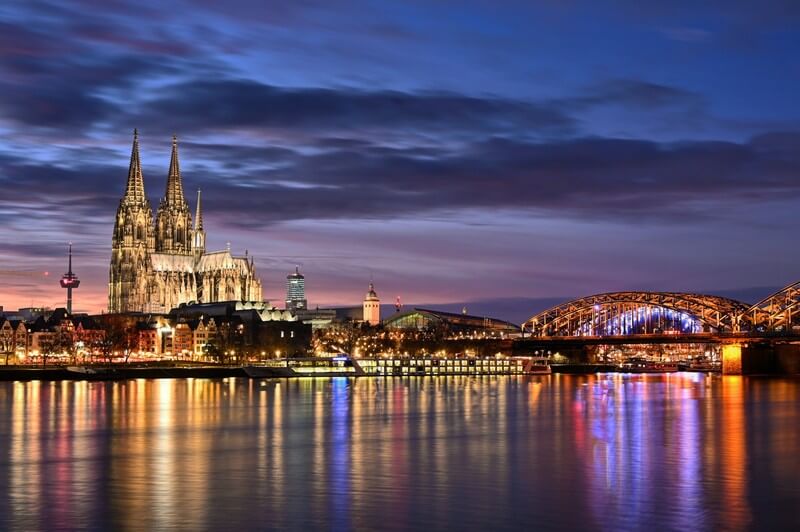
At 158 meters, the cathedral is the third-tallest church in the world and attracts 6 million visitors each year. From the south tower, you have one of the best views of the city.
If you want to explore the city and stay as close to the cathedral as possible, the Excelsior Hotel Ernst am Dom, the Legend Hotel, or the Stern am Rathaus are all great options.
To get to know the city and its unique Rhineland culture a little better, we recommend the following activities:
- Brewery tour with beer tasting and Halven Hahn
- 24-Hour Hop-On Hop-Off Sightseeing Bus Ticket
- Private tour with a true Cologne local
- Cologne Pub Crawl
21. The Fascinating Underwater World at SEA Life Oberhausen
Are you interested in the unique underwater world but don’t have enough money or time to book a diving trip on the other side of the world? Or have your kids already had their fill of “Finding Nemo” but still want more? If you can answer yes to these questions—or even if you’re just looking for another cool day trip idea in North Rhine-Westphalia—then a visit to SEA LIFE in Oberhausen is a must.
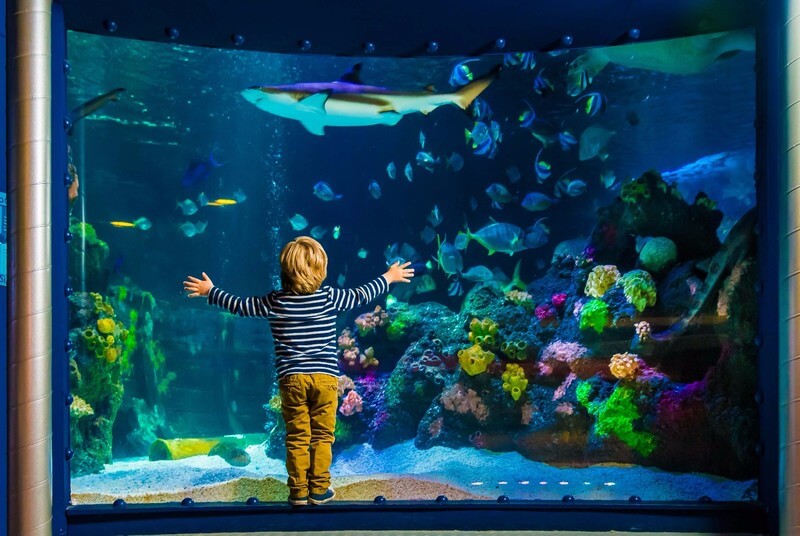
The coolest thing here is probably the underwater tunnel, but there are also many other areas with their own themed worlds, such as the pirate ship, the Amazon, or something a bit more traditional: the Rhine. But that’s just a small selection of everything you can actually see and experience here.
By the way, tickets here must be booked online in advance, because only a limited number of visitors are allowed in at any one time. There are several options for doing so:
- Standard SEA LIFE Ticket
- SEA LIFE Ticket and Behind-the-Scenes Tour
- SEA LIFE ticket combined with the LEGOLAND Discovery Centre
22. LEGOLAND Discovery Playground Oberhausen
This outing tip in North Rhine-Westphalia is perfect for all LEGO fans and is a great choice even when the weather is bad. That’s because the LEGOLAND Discovery Center is an indoor playground with all kinds of areas and attractions.
And let’s be honest: While many people say they go there for their kids, the truth is that we adults, too, want nothing more in life than to play around with Lego bricks like crazy, just so we can be kids again ourselves.
You can buy tickets for the LEGOLAND Discovery Center here.
23. Alpincenter Bottrop – Skiing and snowboarding at the world’s longest indoor ski hall
The indoor slope at Alpincenter Bottrop is a full 640 meters long, making it the longest indoor ski slope in the world. Here, you can zoom down a slope with a gradient of up to 24%. There’s also a beginner’s slope with a rope tow. If you’ve never skied or snowboarded before, you can learn at the ski school. Ski and snowboard equipment can also be rented on-site.
If you’d like to spend several days on your short ski vacation in the Ruhr region, the nearby four-star Van der Valk Hotel in Gladbeck is a great option.
24. Moviepark Germany
A visit to an amusement park is a great day trip for the whole family, offering plenty of fun and a welcome break from the daily routine. One of the most famous of these is Moviepark Germany near Bottrop-Kirchhellen.
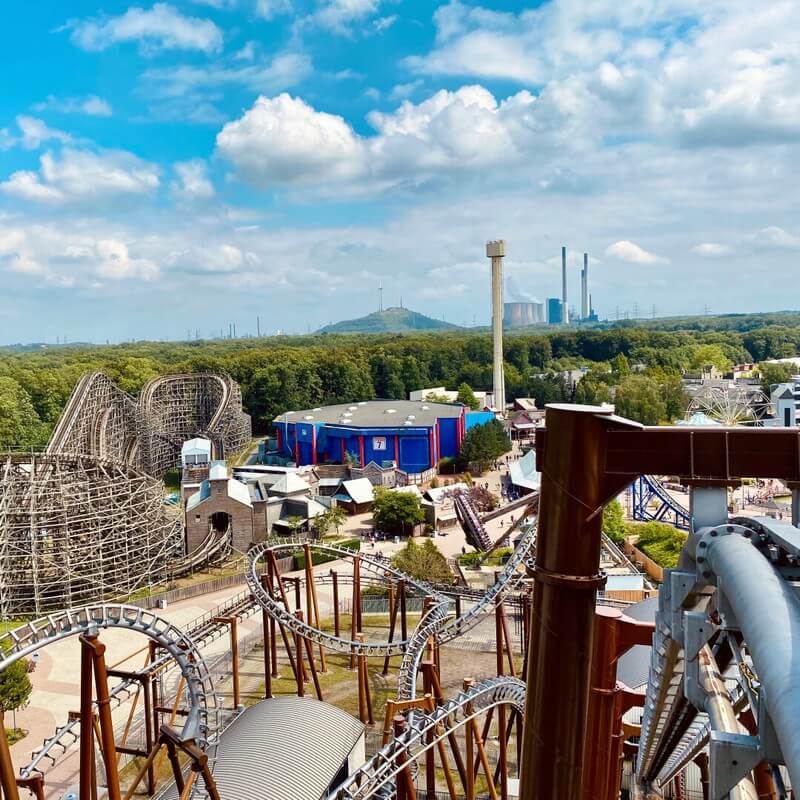
Here, you’ll find a little bit of Hollywood right in the heart of the Ruhr region. You can look forward to thrilling roller coasters as well as calmer rides, studio tours, cool shows, Ferris wheels, SpongeBob, PAW Patrol, and many other characters your kids love, a 4D movie theater, and so much more.
25. Tetrahedron in Bottrop
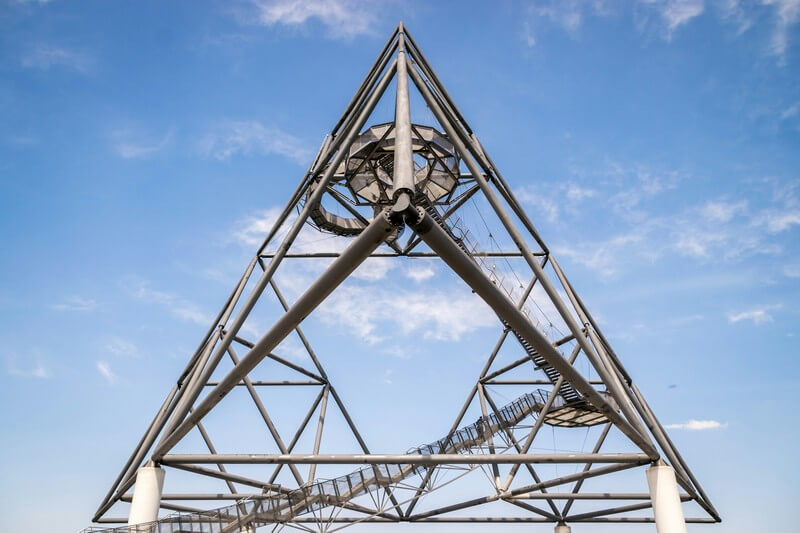
210 tons of steel with a total length of 1,500 meters mounted on four 9-meter-high concrete pillars—what sounds like the blueprint for the Eiffel Tower is actually a landmark in Bottrop that’s well worth exploring. The “Tetraheder” is the city’s landmark, and you can even climb inside it. A staircase leads up to a viewing platform in the center of the three-sided steel pyramid.
26. The Wuppertal Suspension Railway
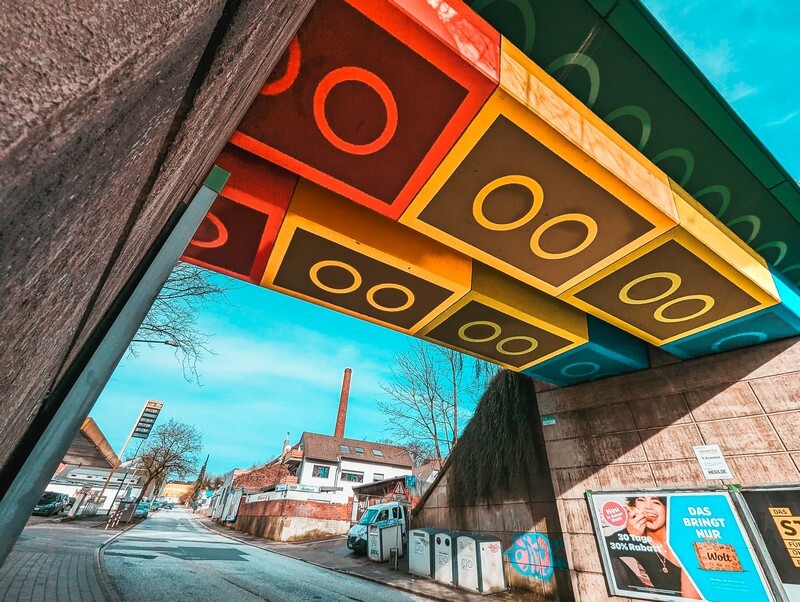
Wuppertal is the perfect destination for a weekend getaway with an overnight stay, but also for a day trip. You can glide over the Wupper River on the world-famous suspension railway or check out the cool LEGO bridge. But there’s so much more to experience in Wuppertal. Take a look here:
27. Cherry Blossom Festival in Bonn
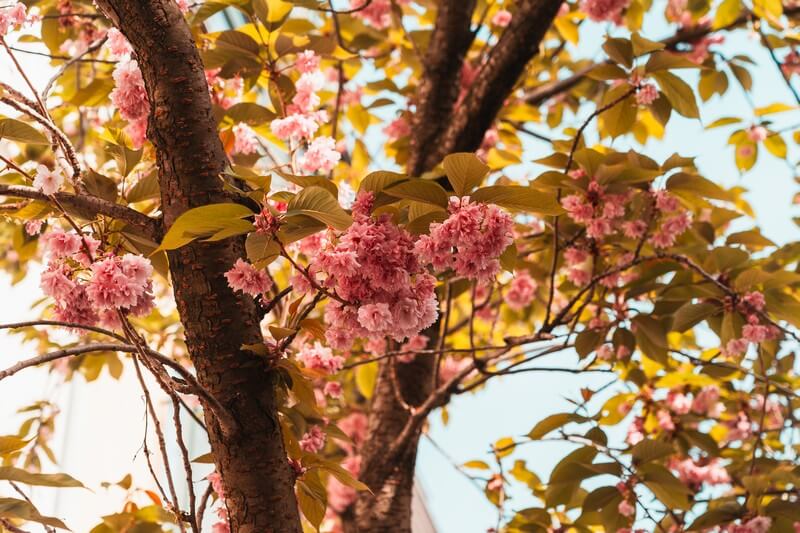
Bonn is the birthplace of Ludwig van Beethoven and is especially worth a visit during cherry blossom season in April, when parts of the city take on a soft pink hue. But Bonn is a highlight no matter the season, as there’s plenty you can explore on foot. You’ll find lots of tips here:
28. Tiger & Turtle
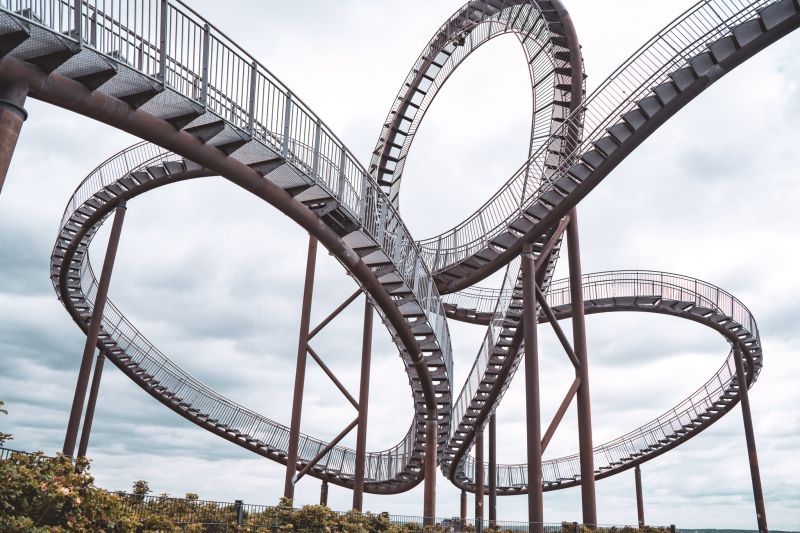
You’ll find this cool, walk-through roller coaster sculpture in the southern part of Duisburg. It stands on an artificial hill that offers a fantastic panoramic view of the industrial city. At night, the sculpture is illuminated by numerous LED lights, creating a spectacular sight.
29. Sauerland
The Sauerland is located in North Rhine-Westphalia and hasn’t been featured much in this article so far. That’s because I haven’t been there very often myself. Fortunately, though, there are a few fellow bloggers who have written great articles about it, such as
- Cori writes here about hidden gems and places to visit in the Sauerland (in German).
- Sabrina has put together a list of her favorite hikes in the Sauerland here (in German).
30. Minden / Bückeburg
Minden is located in the northeast of North Rhine-Westphalia, right on the Weser River, and is a relatively little-known destination in the state. Yet Minden has some great sights to offer and is definitely worth a day trip.
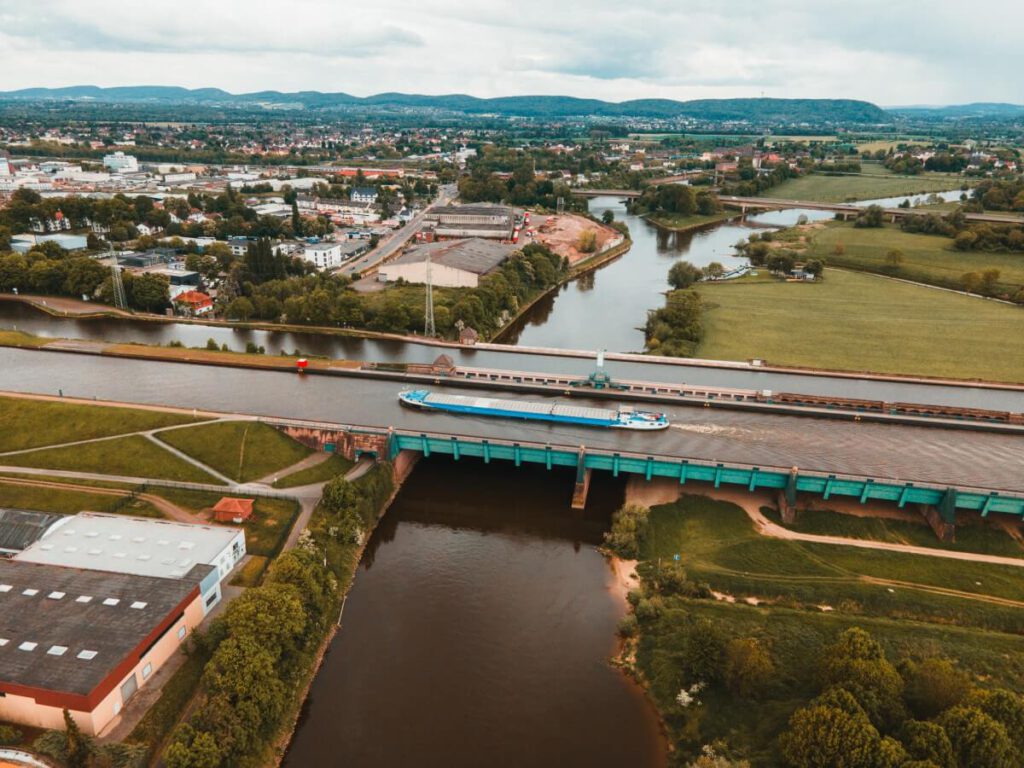
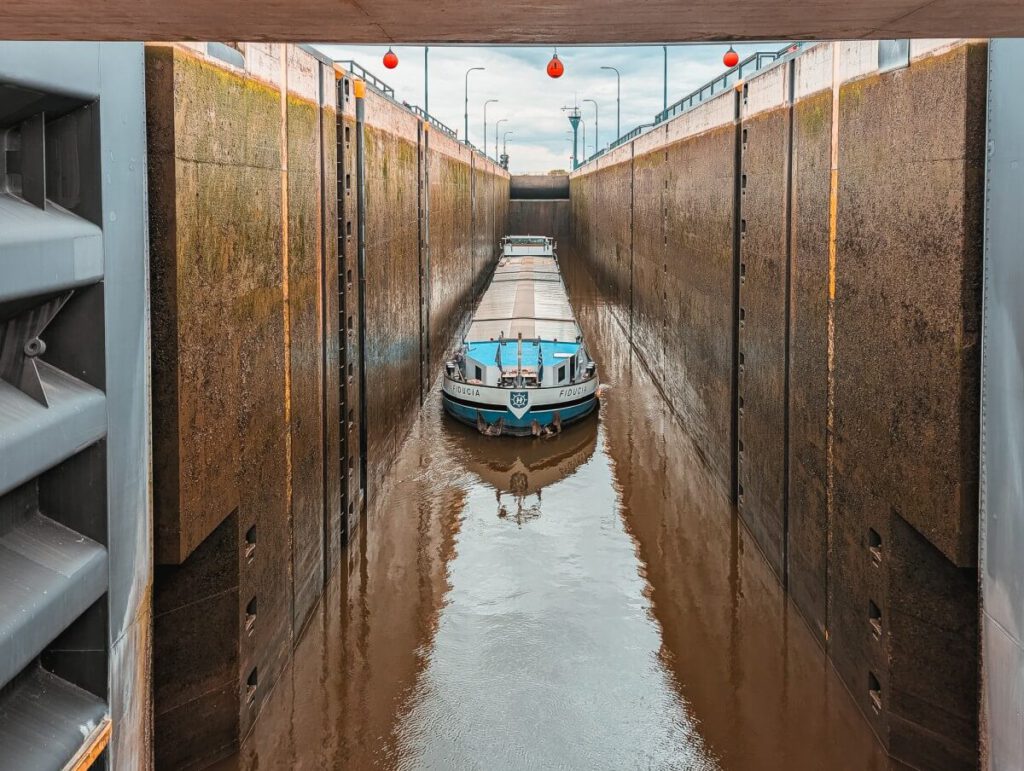
A highlight and the city’s landmark is the Minden Waterway Junction. Essentially, it is a river that crosses over another river—a spectacular engineering structure featuring a lock. The downtown area of Minden, with its old town hall, the charming Schnurrviertel neighborhood, and the Fischerstadt district, is also worth a visit
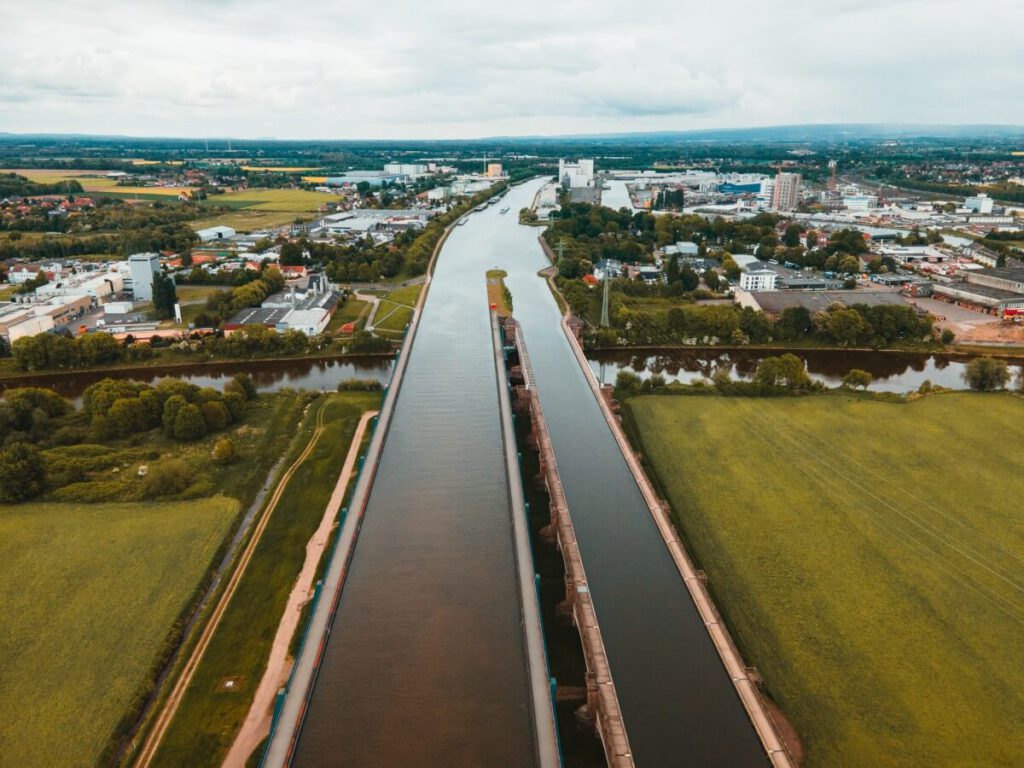
Not far from Minden, the Kaiser Wilhelm Monument in Porto Westfalica is also well worth a visit. From here, you’ll enjoy a fantastic view of the Weser Valley. Bückeburg Castle and the Helicopter Museum in Bückeburg are also great places to visit in the region.
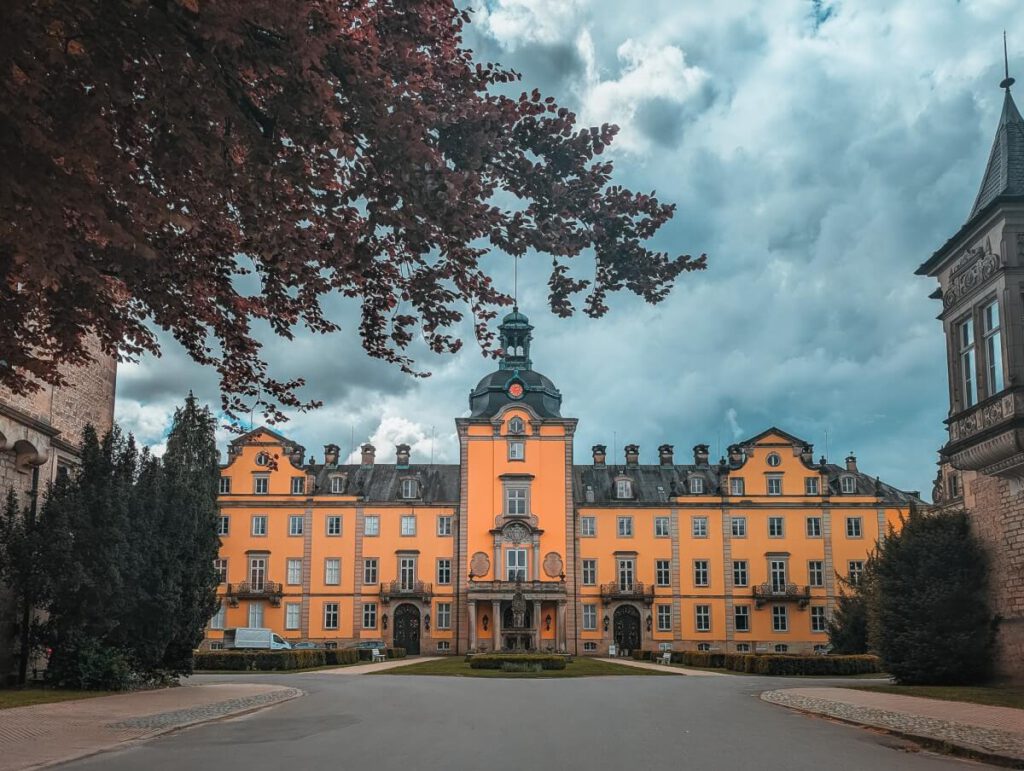
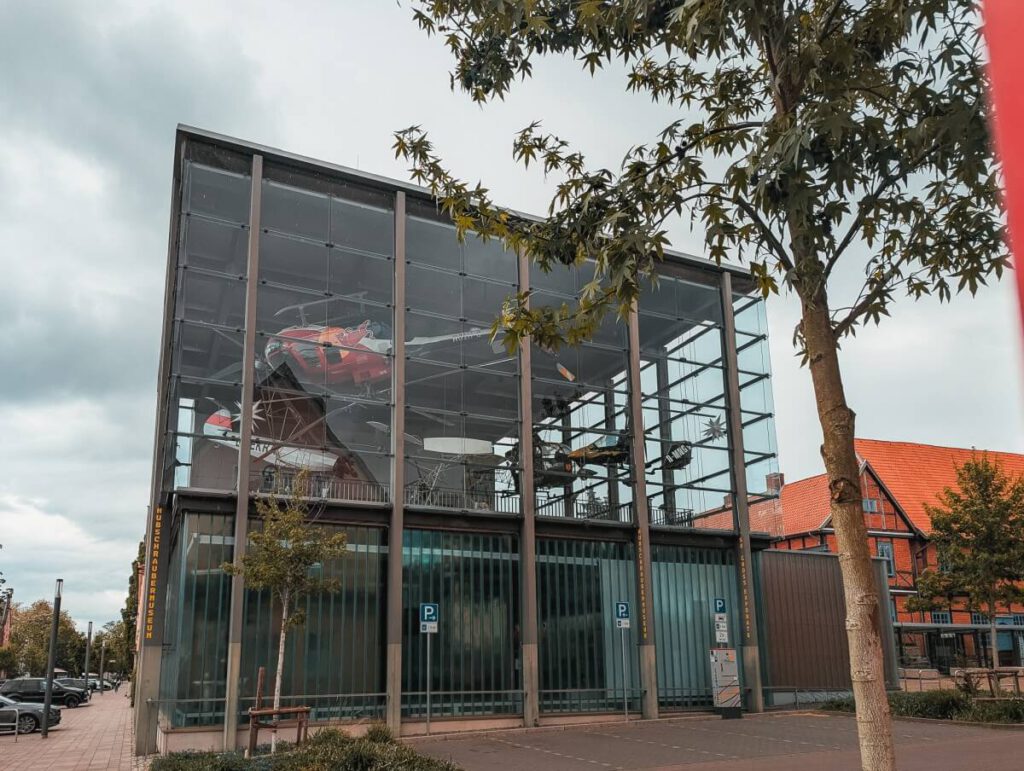
The Hotel & Restaurant Grotehof is the perfect starting point for exploring Minden and the surrounding area.
31. :metabolon Research Center with a double slide
The :metabolon Research Center in Lindlar (in the Bergisches Land region near Cologne) is a project unique in Europe that has transformed a former landfill into a modern hub for innovation and experiential learning. Admission to the site is free.
Not only can you learn a lot here about resource efficiency and conservation, waste prevention, and the circular economy, but you can also zoom down one of Germany’s longest double slides. It’s a full 110 meters long, and you’ll have to climb about 360 steps to the top of the trash cone, where the slide begins.
What free attractions are there in North Rhine-Westphalia?
Many of the tips on this list are completely free. That means you don’t have to pay an admission fee. Here’s an overview of all of them. Just click on a tip to go to the corresponding section in the article.
- The Bergisches Land – If you’d like to go hiking through nature here, you can do so for free.
- Sequoiafarm Kaldenkirchen – Donations are welcome, but not required.
- Eifel National Park – hiking through the national park won’t cost you a penny.
- Monschau – you can explore this beautiful town without having to pay an admission fee.
- Freudenberg “Alter Flecken”
- Siebengebirge – While you can only tour Drachenfels Castle up close by paying an admission fee, the entire Siebengebirge mountain range and Drachenfels itself are accessible for free
- Neanderthal – The museum charges an admission fee, but you can explore the entire Neanderthal area for free, for example on a bike tour.
- Zollverein Coal Mine
- Erft – The kayak tour does cost money, but you can explore the Erft for free without a kayak
- Zwillbrocker Venn
- Isenberg Castle
- Tetraeder in Bottrop
- Tiger & Turtle
- :metabolon
However, there are a few more free places to visit in North Rhine-Westphalia that haven’t been mentioned yet:
- Duisburg-Nord Landscape Park: A former steelworks that has been transformed into a fascinating open-air museum. Visitors can explore the impressive industrial setting free of charge.
- Folkwang Museum Essen: Admission to the permanent exhibition at this renowned art museum is generally free. On display are works by Van Gogh, Gauguin, and many other art treasures.
- The Old Synagogue in Essen: A historic building featuring a free exhibition on the history of Judaism and German-Jewish culture.
- House of History in Bonn: A fascinating museum dedicated to post-war German history with free admission. On weekends, there are even free guided tours of the former Bundesrat building.
- Bochum Botanical Garden: A beautiful garden featuring a wide variety of plant species, which is free to visit.
- Olderdissen Zoo in Bielefeld: A free zoo that is home to a wide variety of native animal species.
- Kunsthalle Düsseldorf: On the second Sunday of every month, admission to the Kunsthalle Düsseldorf is free all day. In addition, on the last Thursday of every month from 6 to 9 p.m., admission to the current exhibition is free.
- Münster City Museum: Admission to this museum, which focuses on the history of Münster, is generally free for both permanent and special exhibitions.
As you can see, there are some truly fantastic places to visit all over North Rhine-Westphalia. I’ll try to add to this list over time. Do you have any other tips for North Rhine-Westphalia? Leave me a comment.
Tools & services I recommend for your trip:*
📶 Flexible and affordable mobile Internet worldwide
🚁 My drone for aerial photography
🚗 Find and compare cheap rental cars
🎟 Find and book cool activities
🔒 Secure Internet connection with NordVPN
*Note: These links are affiliate links. If you book through them, I will receive a small commission without it being more expensive for you. A purchase from you via these links helps me to continue offering free content without annoying ads on this website. Thank you for your support! I really appreciate it!