
📝 About the Author: Matthias

Jerez de la Frontera, located in beautiful Andalusia, is a Spanish city that couldn’t be more Spanish. 🐎🍷💃It’s famous for its horses, its sherry, and flamenco also plays a major role. Plus, there are plenty of great historical sights and Andalusian culture to discover. In this article, you’ll find out what you absolutely must see in Jerez de la Frontera, which tours are worth taking, and where to stay.
There are usually fairly inexpensive flights to Jerez de la Frontera, which is why many tourists fly there but then don’t explore the town; instead, they head straight on to Seville or Cádiz. And this is despite the fact that Jerez de la Frontera actually has a beautiful old town with plenty to discover.
When I booked my flight to Jerez and decided to spend a day there, I didn’t have any expectations. In the end, I was glad to have visited the city, which is probably one of the most quintessentially Spanish cities there is.
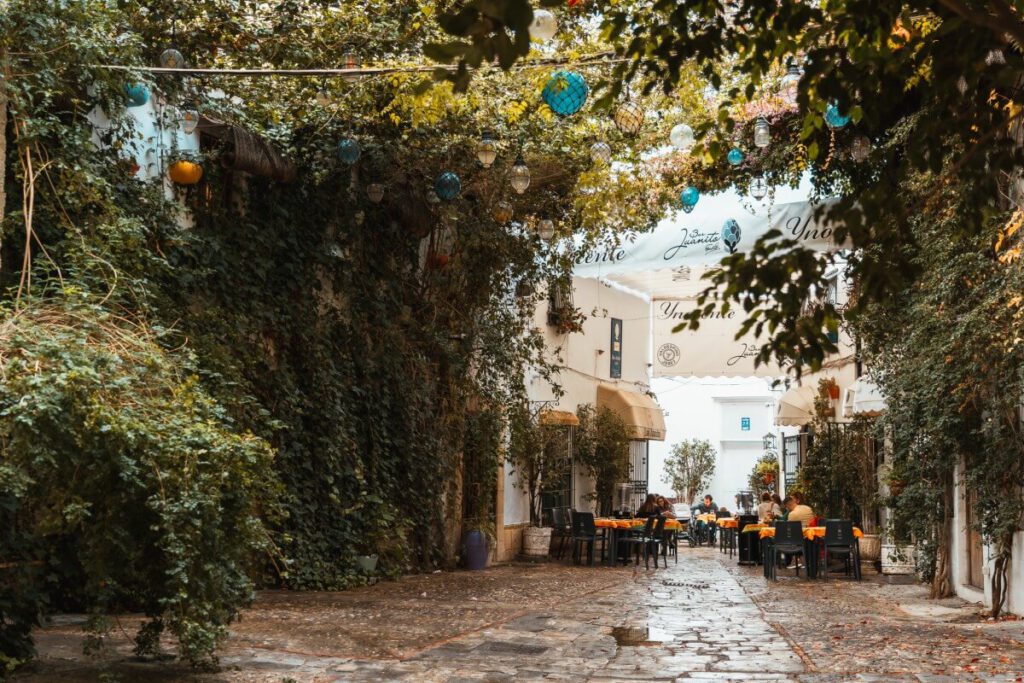
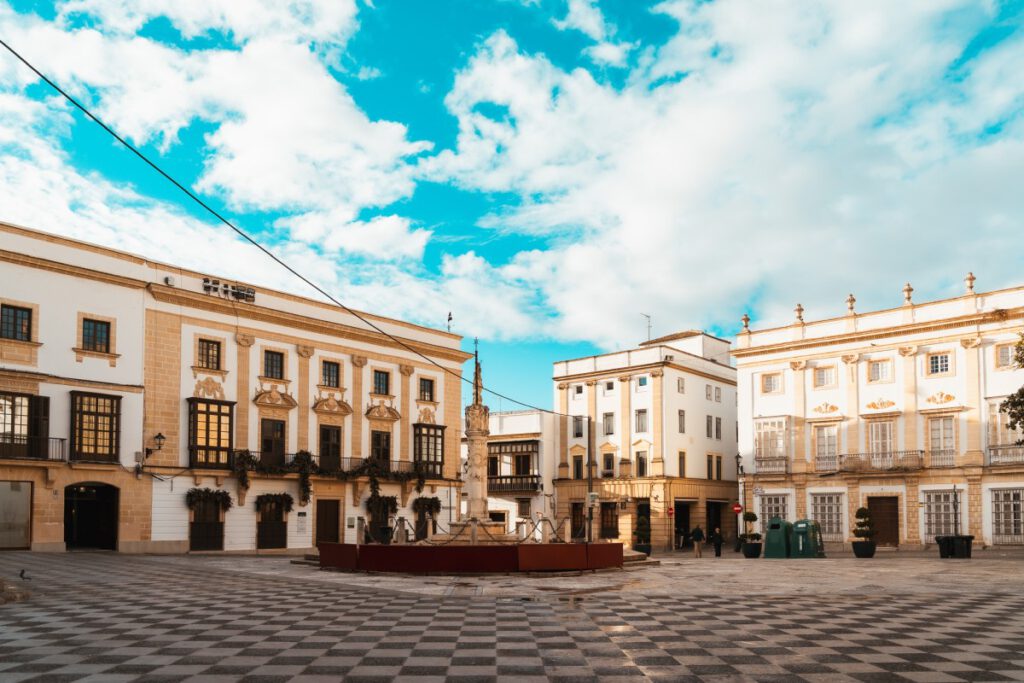
💃 Jerez is the birthplace of flamenco. In the 19th century, it was one of the first places to have flamenco schools. Every year from late February to early March, the Festival de Jerez takes place—one of the world’s most important flamenco festivals, featuring numerous shows, workshops, and classes.
🍷 Jerez is also well known for its wine. This is because sherry, a fortified wine primarily produced from grapes grown in the region around Jerez de la Frontera, Sanlúcar de Barrameda, and El Puerto de Santa María, comes from here. Its official designation is “DO Jerez-Xérès-Sherry.”
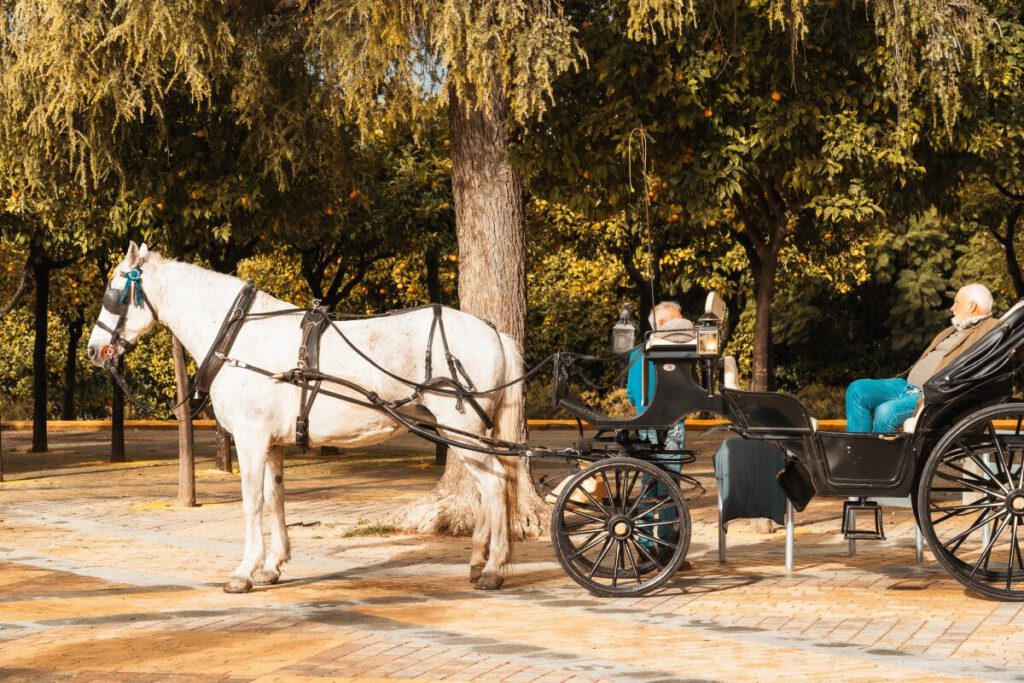
🐎 Jerez is world-famous for its equestrian art and the Carthusian horses trained at the Real Escuela Andaluza del Arte Ecuestre. It is one of the most prestigious riding schools in the world, and every May it hosts the Feria del Caballo, a major folk festival.
If you’d like to explore the rest of Andalusia in addition to Jerez de la Frontera, here are some more articles for you:
Hotel recommendation in Jerez de la Frontera
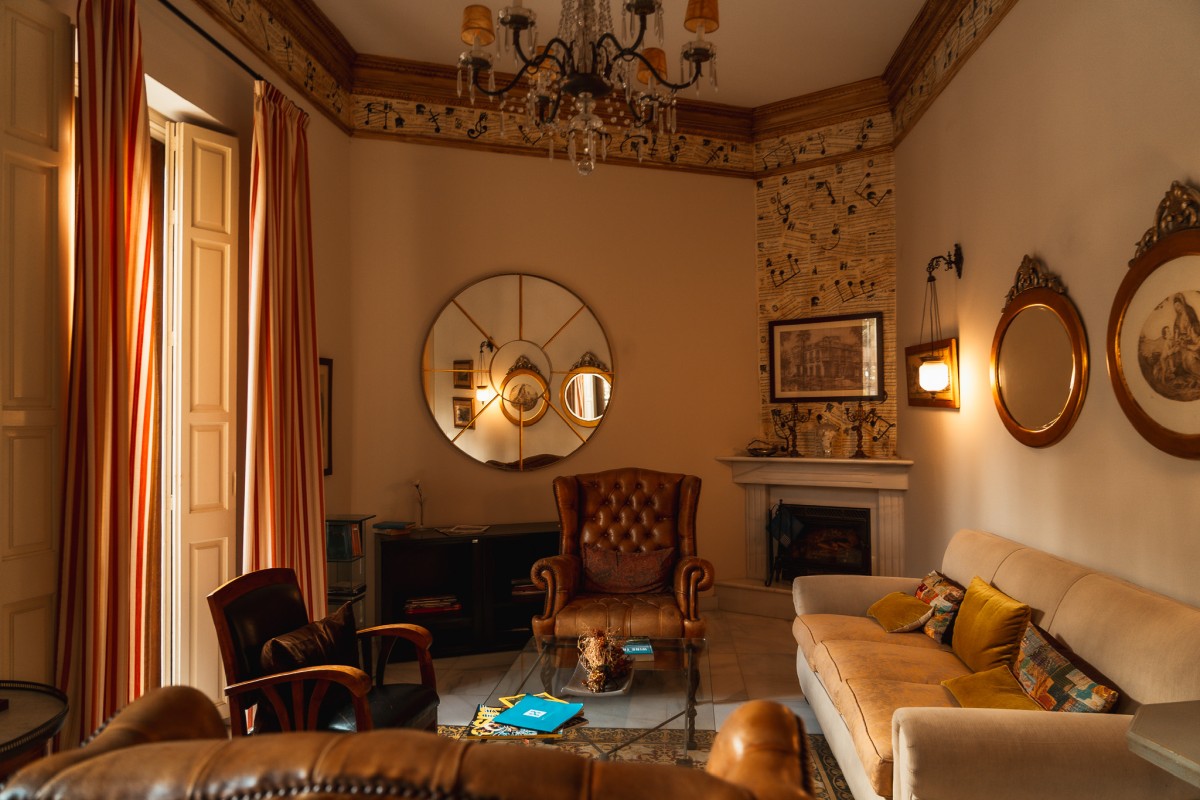
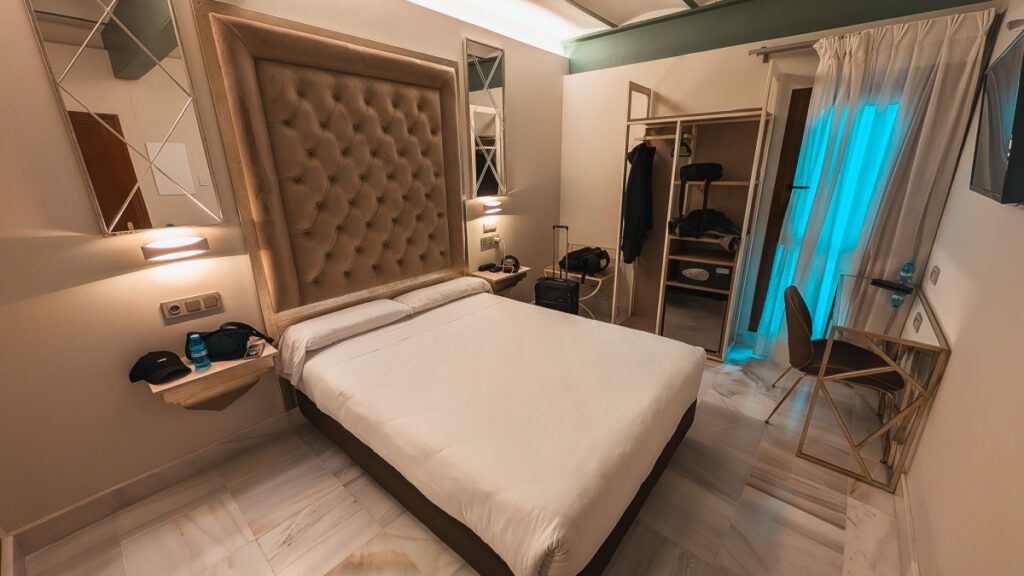
The YIT Casa Grande is a magnificent mansion from the early 20th century in the heart of Jerez. It blends Andalusian tradition with modern comfort and impresses with its elegant architecture, high ceilings, and a relaxed, stylish atmosphere.
- Jerez de la Frontera: Perfect location on the edge of the old town. The famous Sherry Bodegas and the Alcázar are reachable within a few minutes on foot.
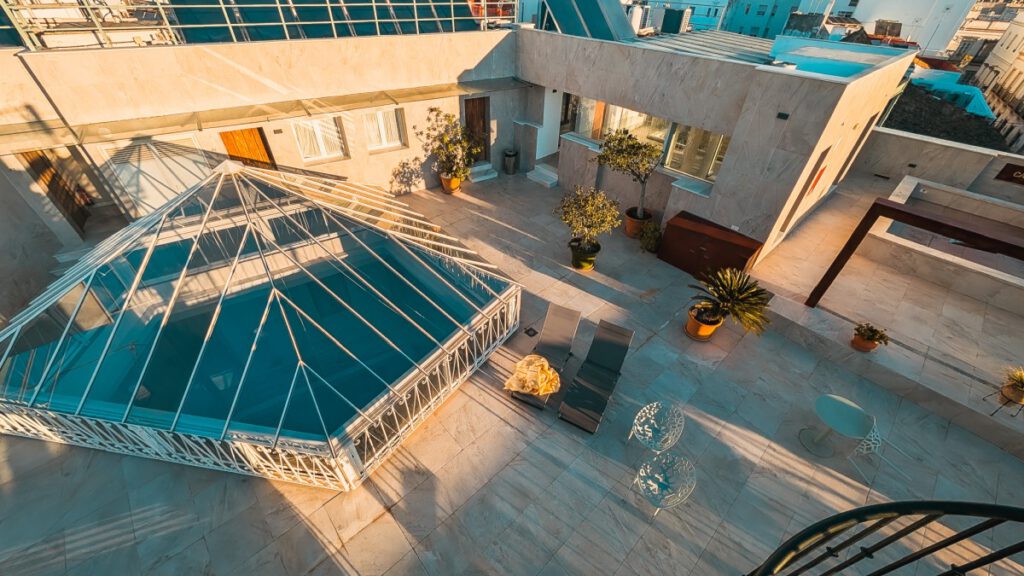
- Beautiful rooftop terrace with views over the city rooftops, cozy lounge bar, library, and a stunning Andalusian courtyard.
Of course, for the perfect city break, you’ll also need great accommodations. I can highly recommend the Hotel YIT Casa Grande, where I stayed myself during my visit.
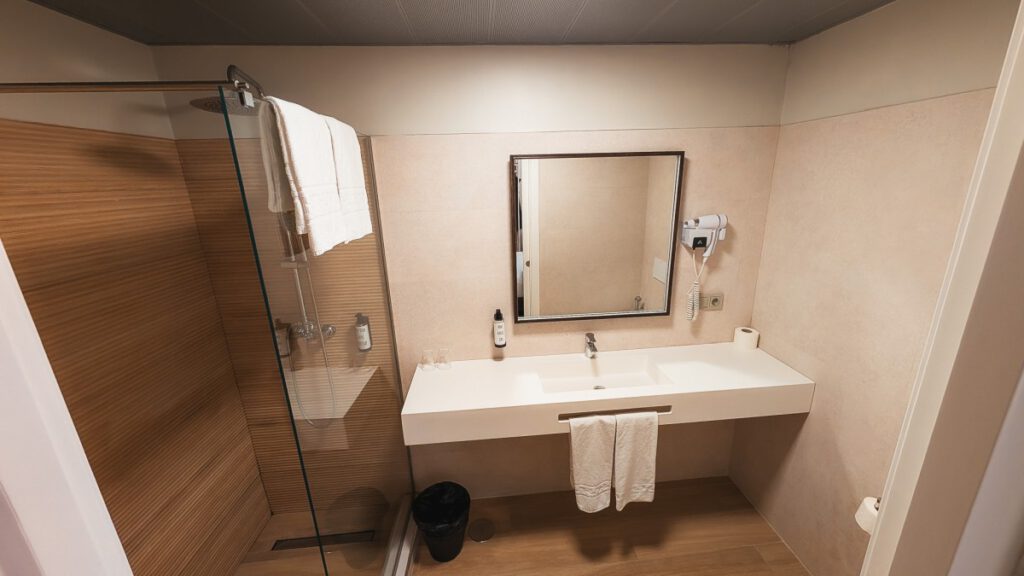
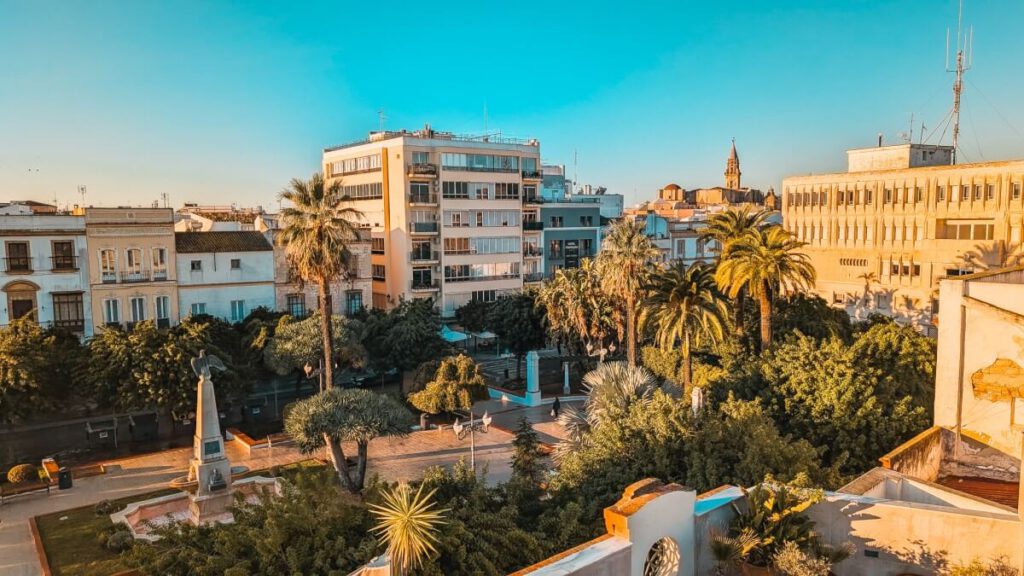
They have cozy rooms with modern bathrooms and a delicious breakfast. I especially loved the rooftop terrace with a view of Plaza de las Angustias.
Jerez de la Frontera in winter
Jerez has an airport that is served by direct flights from many German airports. And these flights are often cheaper than those to Seville:
Find cheap flights to Jerez de la Frontera now ✈️That’s why I’ve been here myself quite a few times. However, this was my first time visiting the city in winter, around Christmas. And I have to say, it’s well worth it. Not only is it often much warmer than in Germany (Jerez gets about 300 days of sunshine a year), but the whole city is also decked out with amazing light displays.
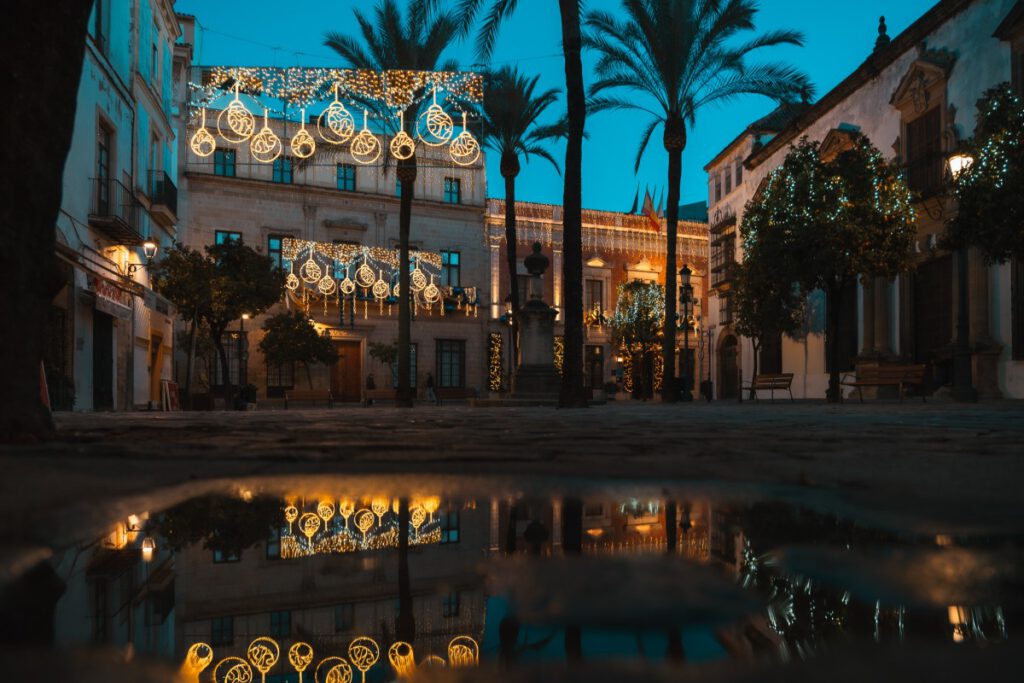
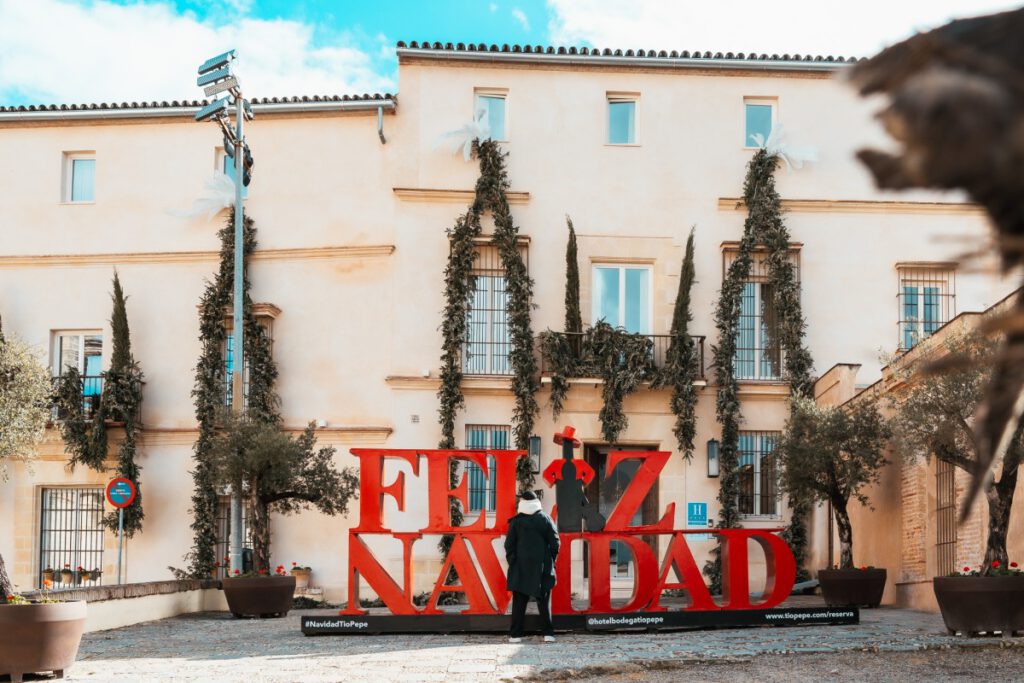
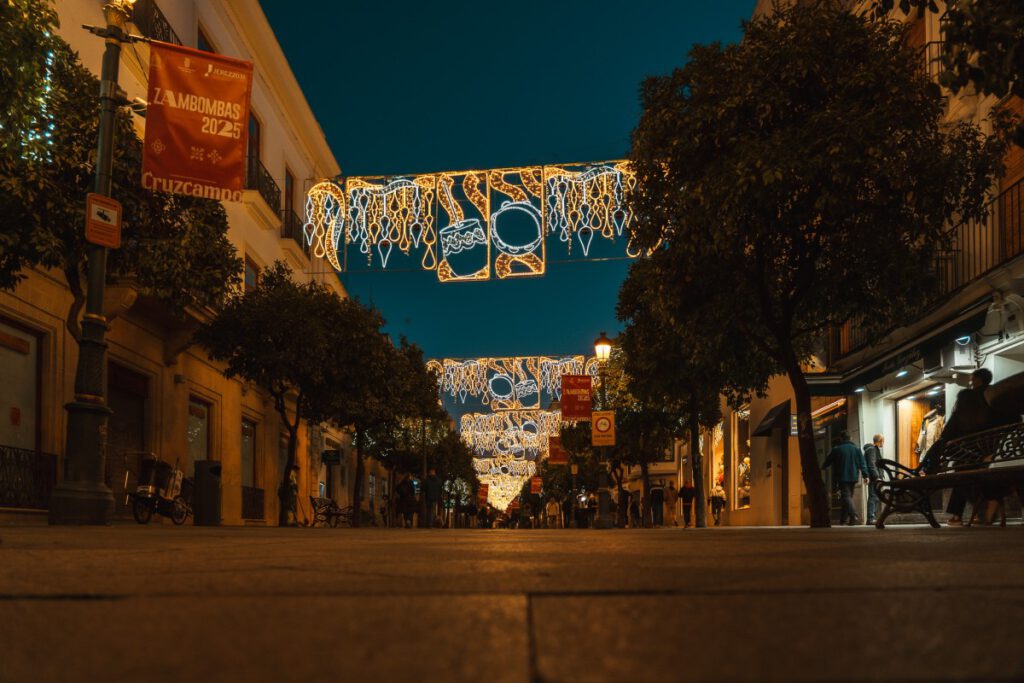
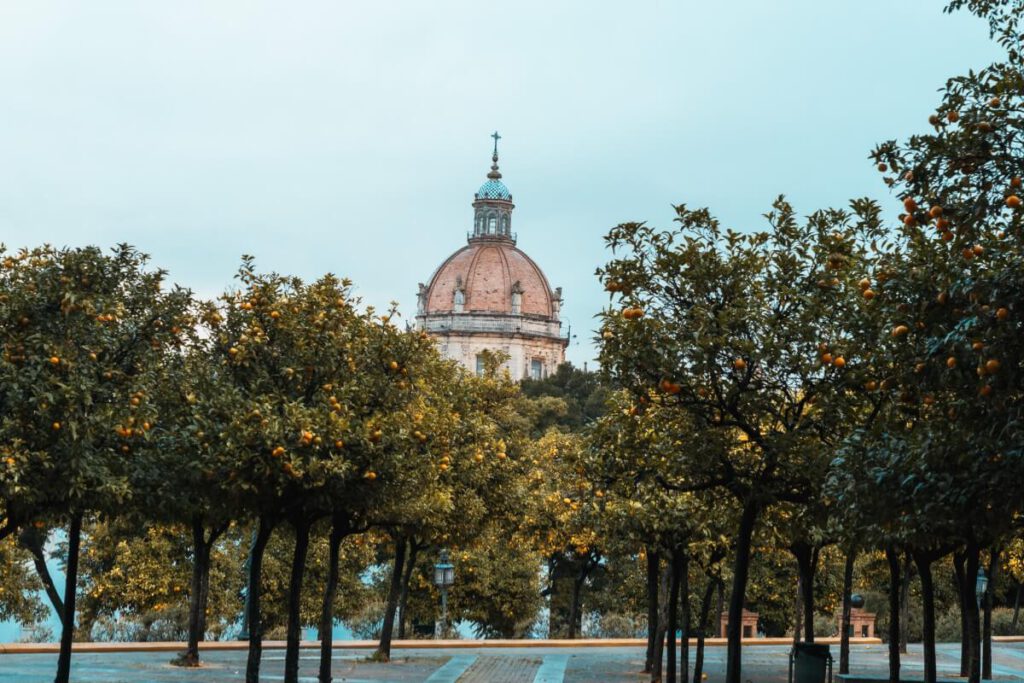
The first thing you’ll notice in Jerez in winter are the countless orange trees with their sweet scent, which make you forget that it’s December and that there should actually be sleet.
Matthias
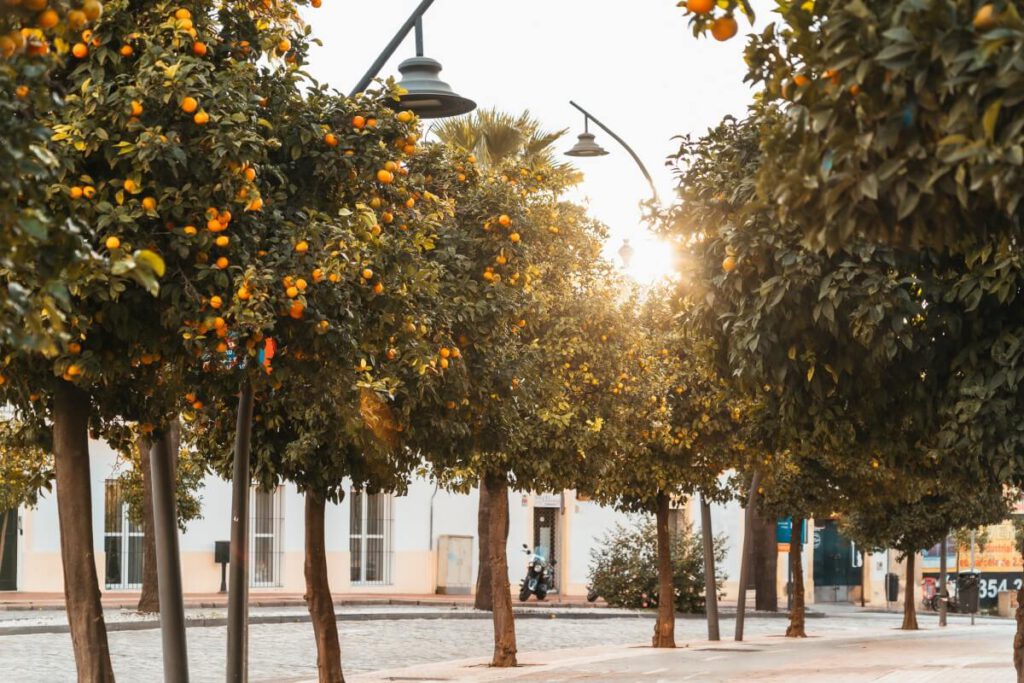
Of course, Jerez is worth visiting at any time of year. Most tourists come in the summer. It’s most beautiful in the spring and fall, but it’s least crowded in the winter.
Jerez de la Frontera Attractions on the Map
You can also find all the sights in Jerez mentioned in this article on the map here:
But enough with the introduction. Let’s get into the details of the best sights in Jerez de la Frontera.
1. Royal Andalusian School of Equestrian Art 🐎
The Royal Andalusian School of Equestrian Art is considered one of the “Big Four” of classical equestrian art worldwide (along with Vienna, Saumur, and Lisbon).
The performance “How Andalusian Horses Dance” is the school’s flagship event and an absolute must-see for horse lovers. It is a horse ballet set to classical Spanish music and featuring 18th-century costumes.
In addition to the performance, there are also tickets that include admission to the Museum of the History of Equestrian Art and the Carriage Museum: Jerez de la Frontera: Andalusian Horse Dance and Museums.
If you’d just like to tour the riding school’s beautiful facilities, you can book a guided tour: Royal Andalusian School of Equestrian Art Admission.
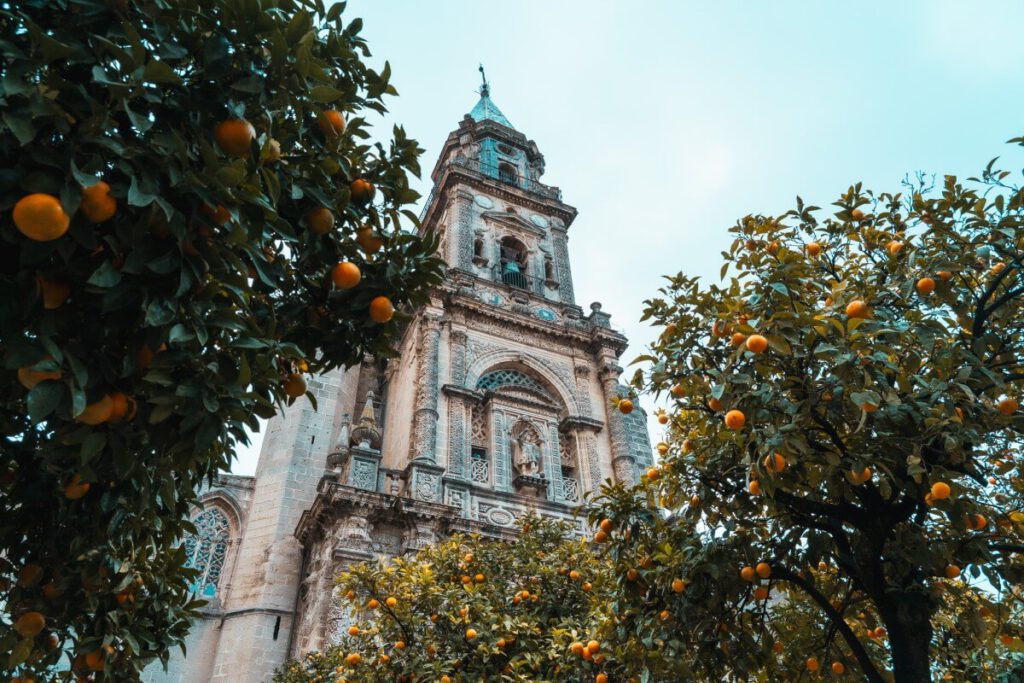
2. Church of San Miguel
The Church of San Miguel is the largest church in Jerez, and its construction spanned over 300 years (beginning in 1484). As a result, you can see a variety of architectural styles here, including Gothic, Baroque, and Renaissance.
To tour the church from the inside, you’ll need to pay a €6 admission fee. Tickets are available on-site or online here.
3. Alcázar of Jerez de la Frontera
The Alcázar of Jerez is an impressive Moorish fortress with beautiful gardens and 12th-century Arab baths. You can also visit the city’s only surviving mosque from the Moorish period inside the Alcázar.
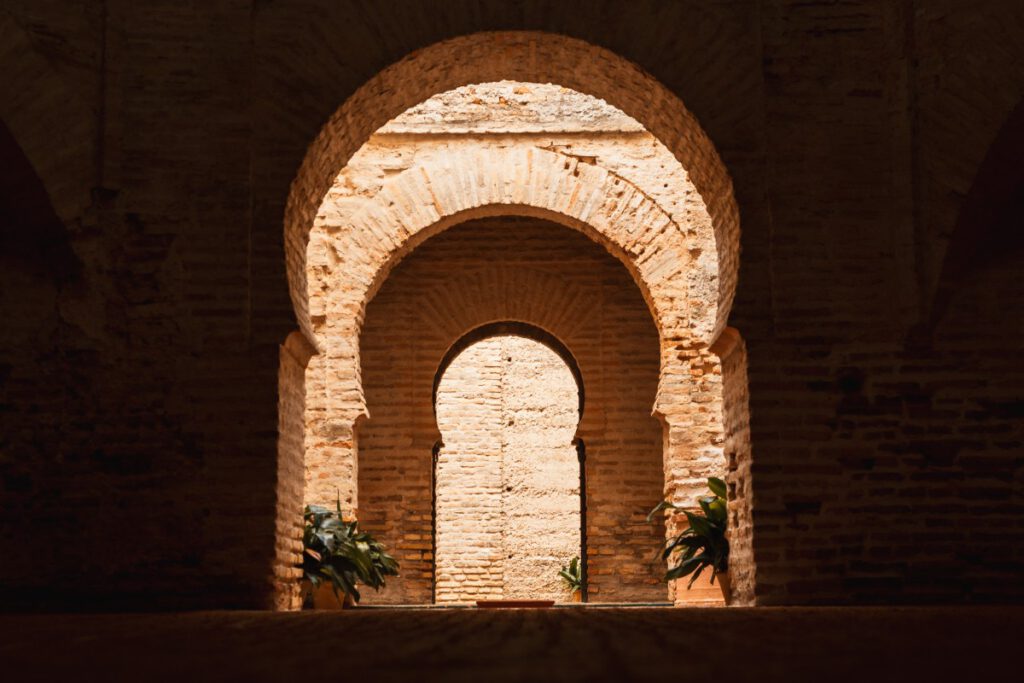
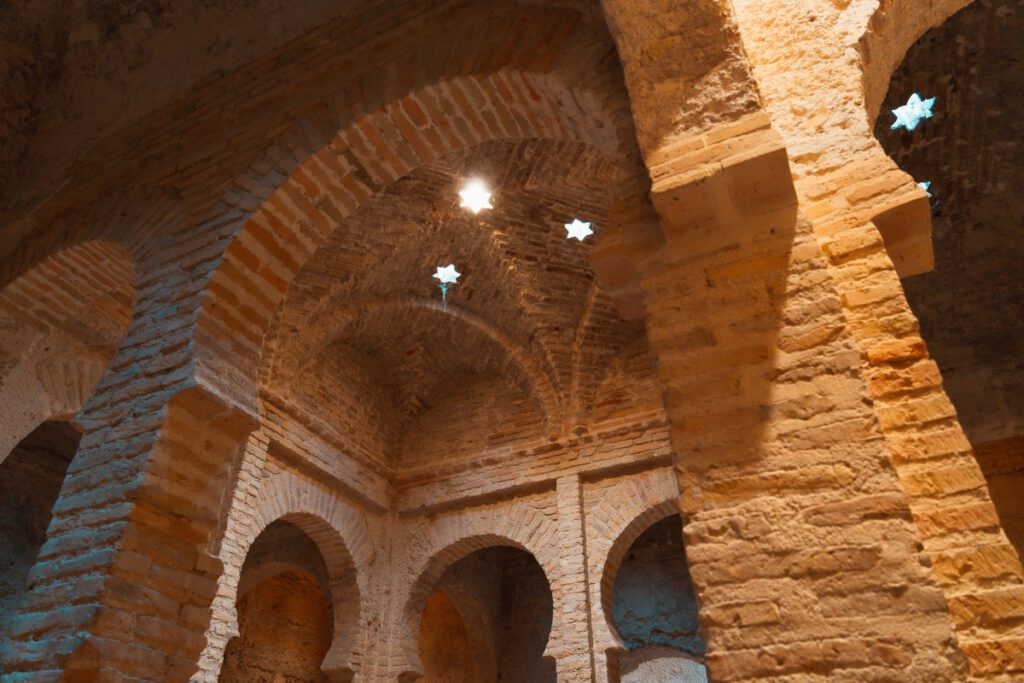
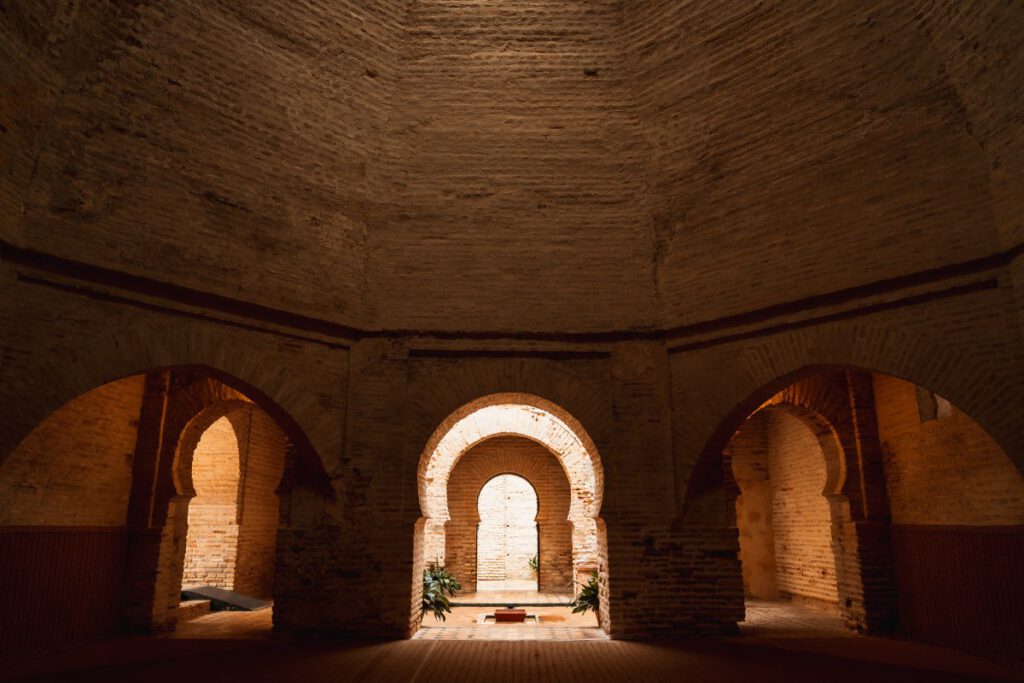
Admission is only €5 per person.
🍷 By the way: The Alcázar is also a popular filming location for Spanish movies. Scenes from the third season of the series "The Crown" were also filmed here.
At the Alcázar, you can also walk along the walls of the complex and enjoy fantastic views of the inner courtyard and the city from the various towers. From the Torre del Homenaje (also known as the Torre Ponce de León), you’ll have one of the best views of the nearby Jerez Cathedral.
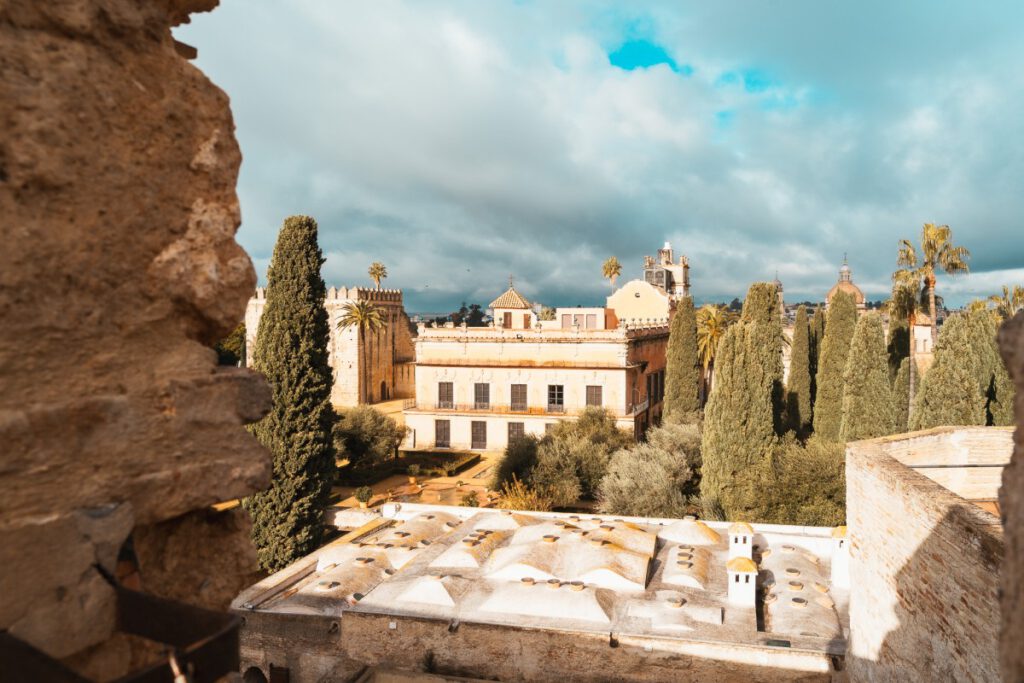
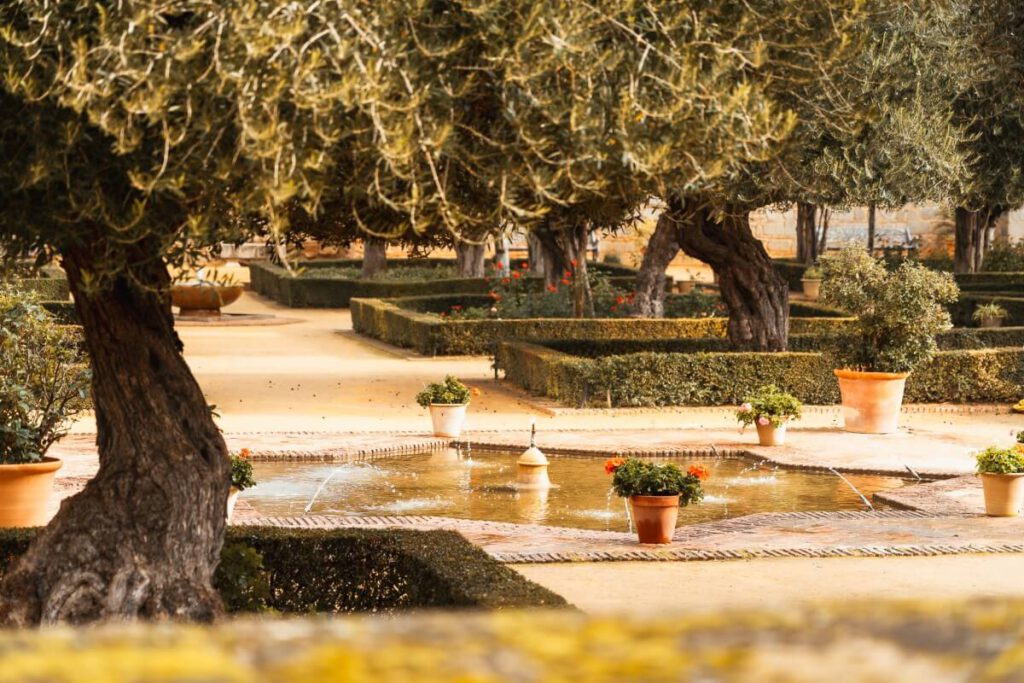
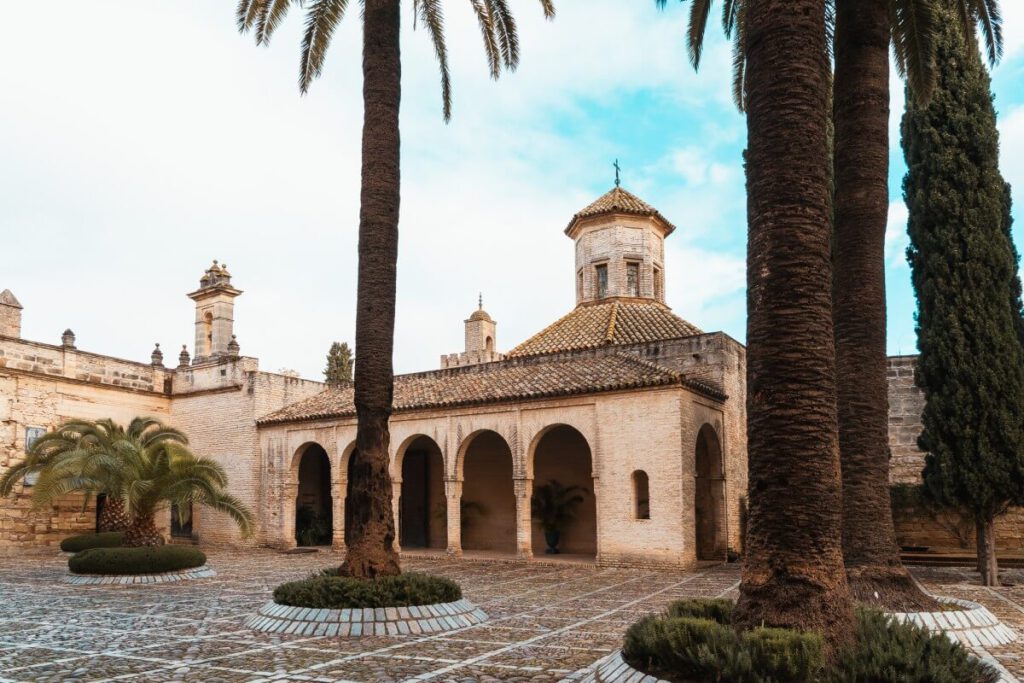
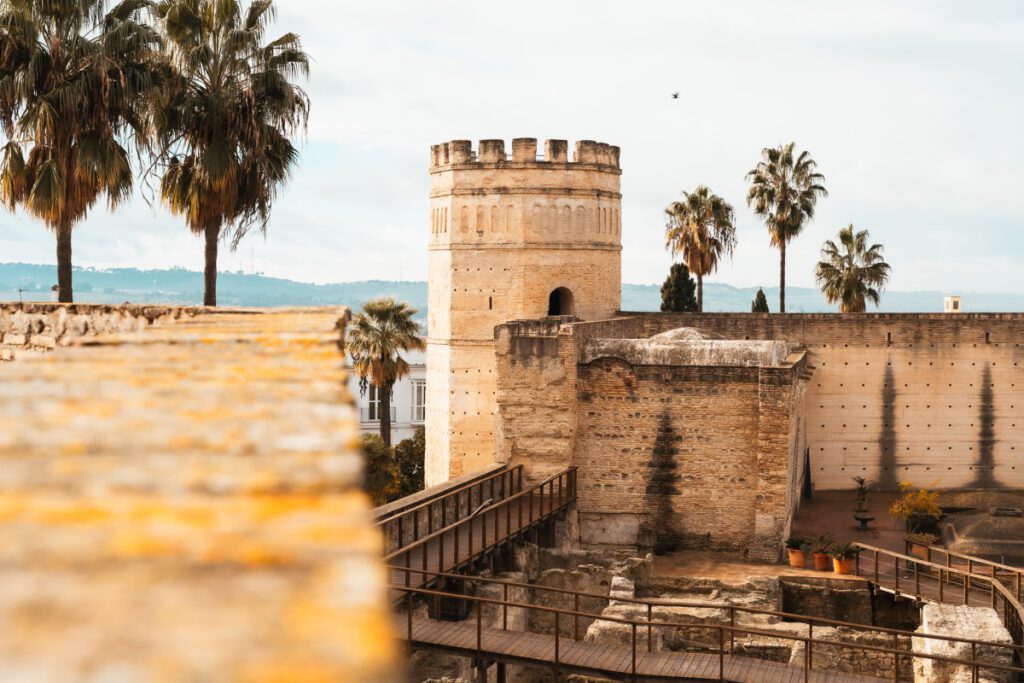
I also thought the old pharmacy, located in one of the palace’s rooms, was cool.
4. Cathedral of Jerez de la Frontera
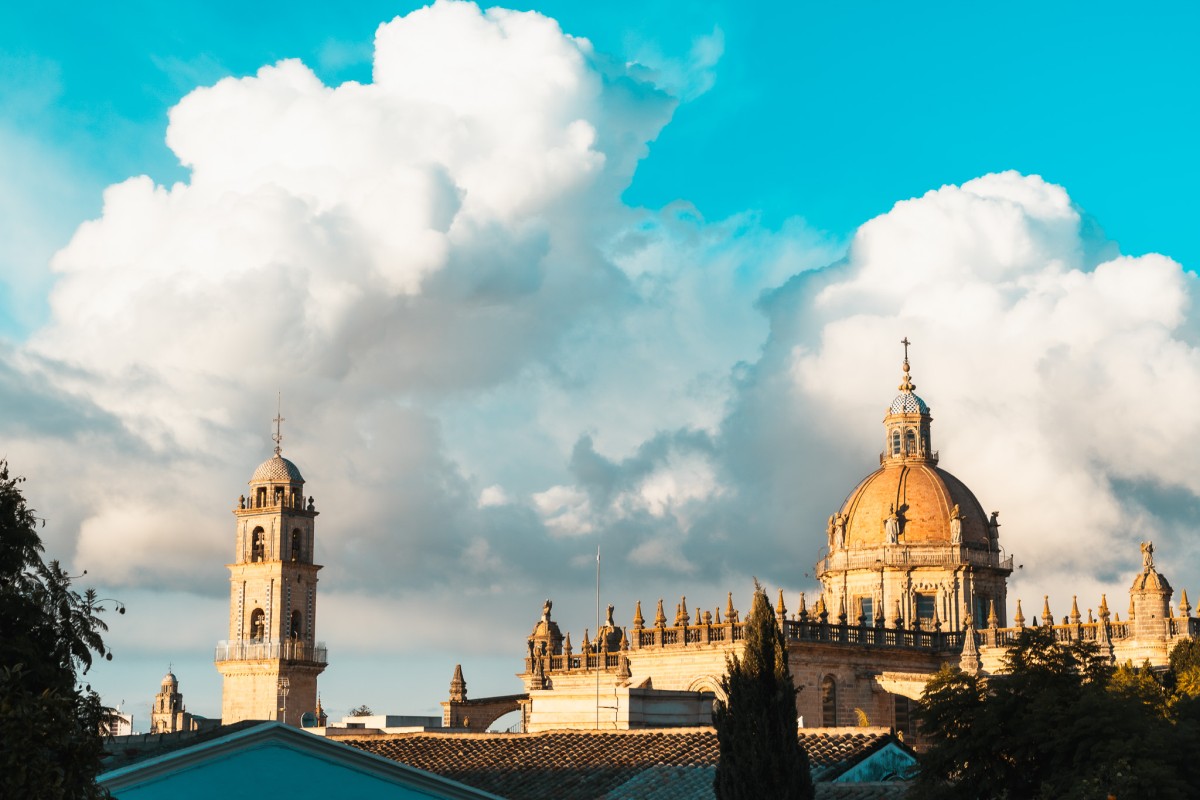
The Cathedral of Jerez was built between 1695 and 1778 and thus combines three architectural styles in a single building: Gothic, Baroque, and Neoclassical.
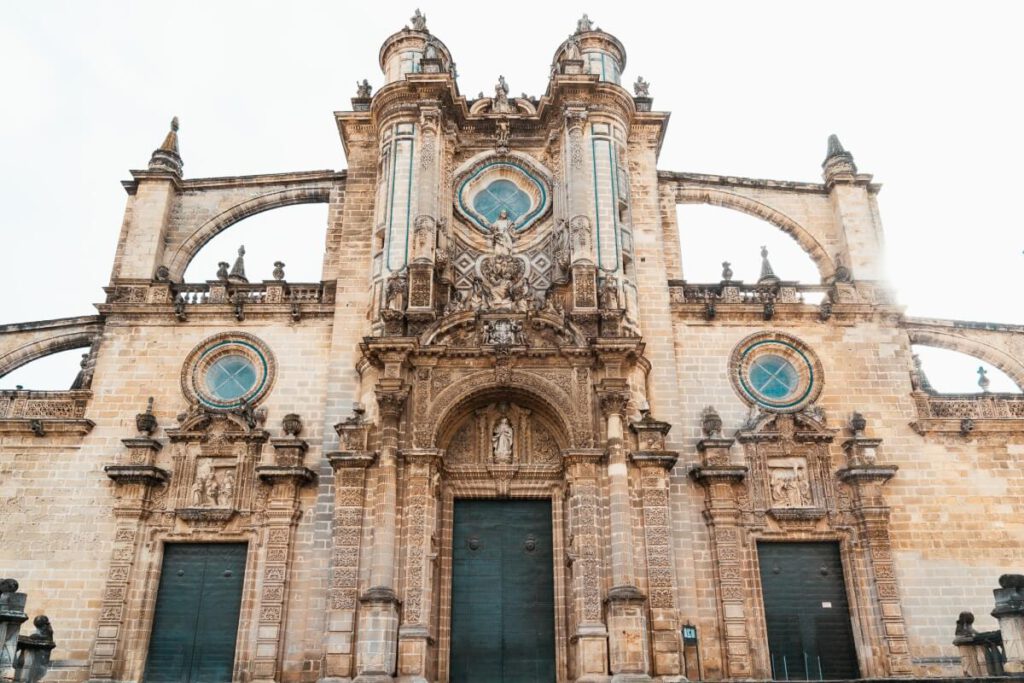
The cathedral’s bell tower stands separately right next to the nave because it was built on top of the remains of the old minaret of the Moorish mosque.
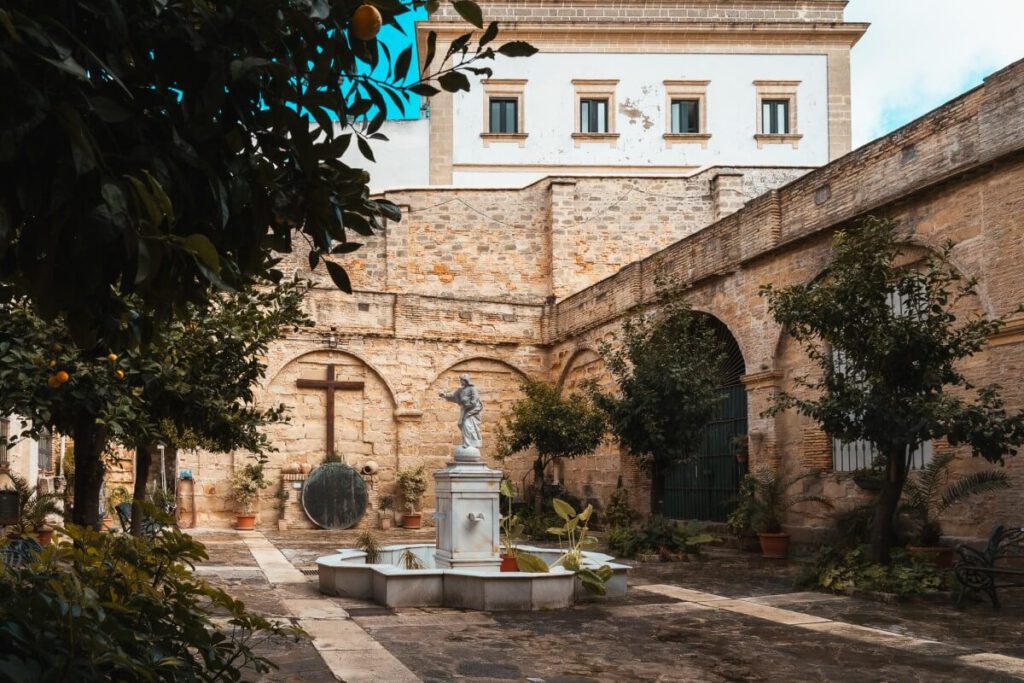
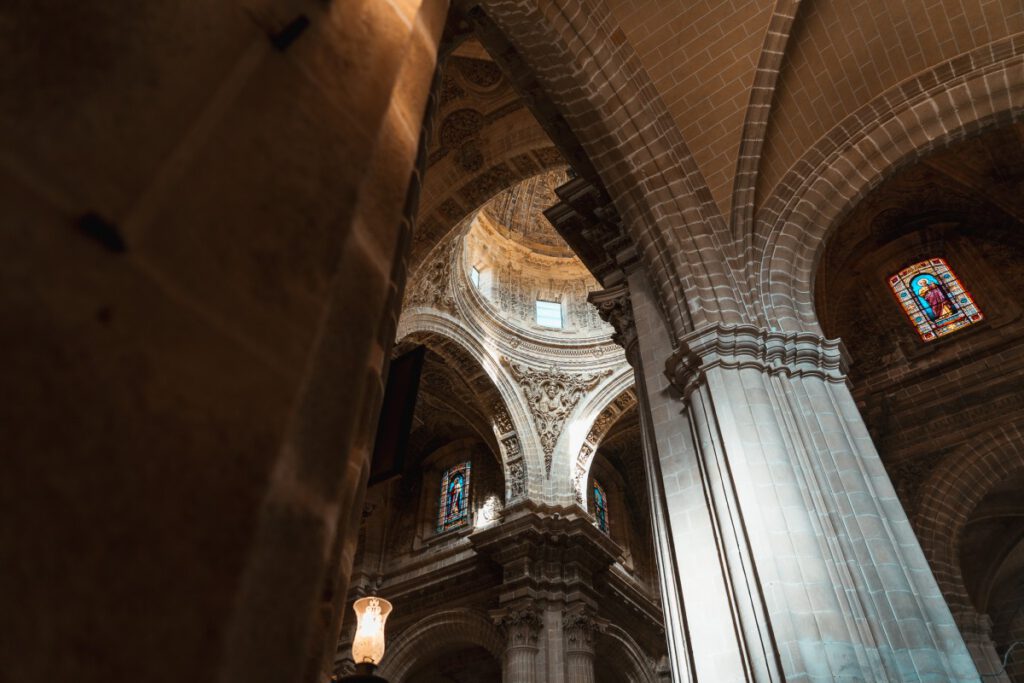
Inside, there is also a church museum featuring a huge silver monstrance, historical vestments, gold and silverware, and famous paintings. Admission to the cathedral is €8; with an audio guide, it costs €13:
5. Tío Pepe – Wine Museum and Shop 🍷
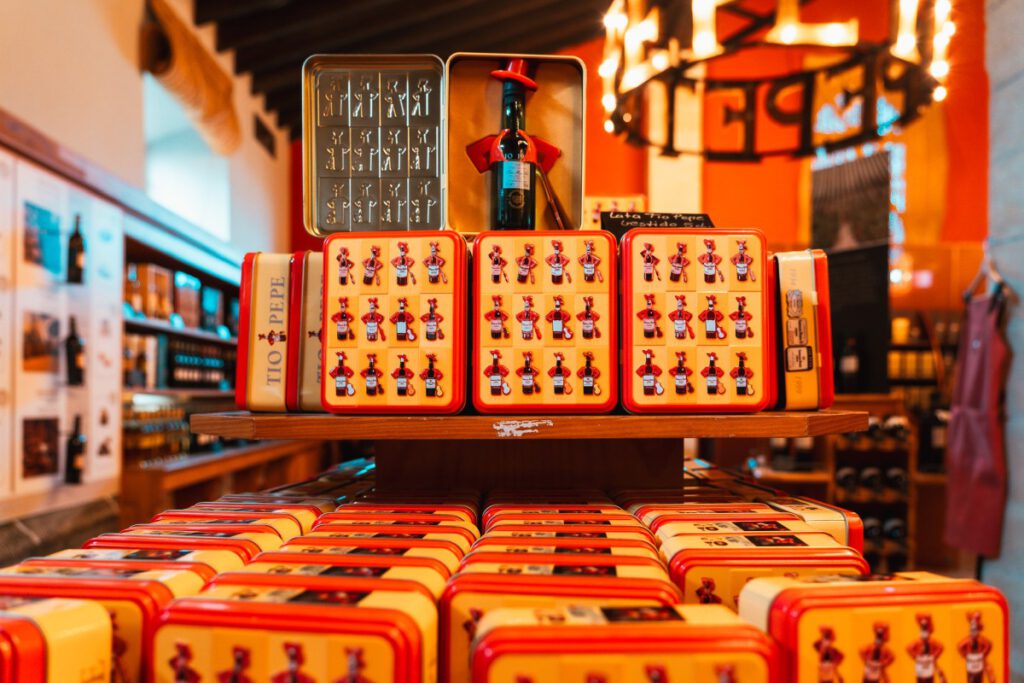
Tío Pepe is arguably the most famous sherry in the world, and the brand’s iconic logo—featuring a sherry bottle adorned with a red Andalusian jacket (chaquetilla), a hat (sombrero), and a guitar—is well known among wine lovers.
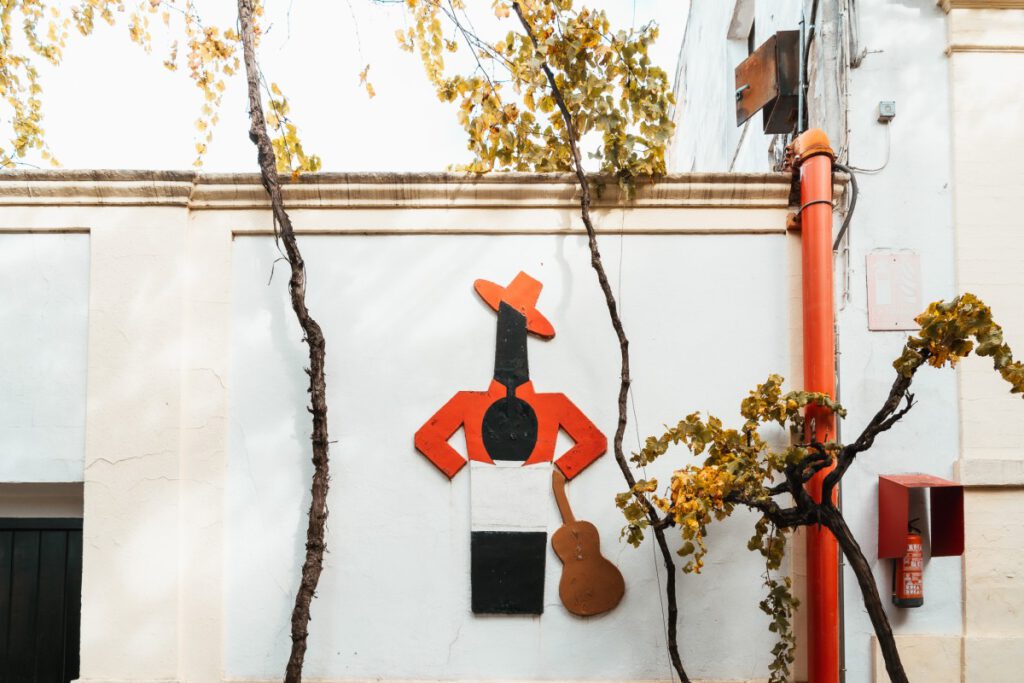
The González Byass winery, where Tío Pepe is produced, is located right next to the Alcázar and the cathedral. To visit, you must book a guided tour or a tasting online in advance.
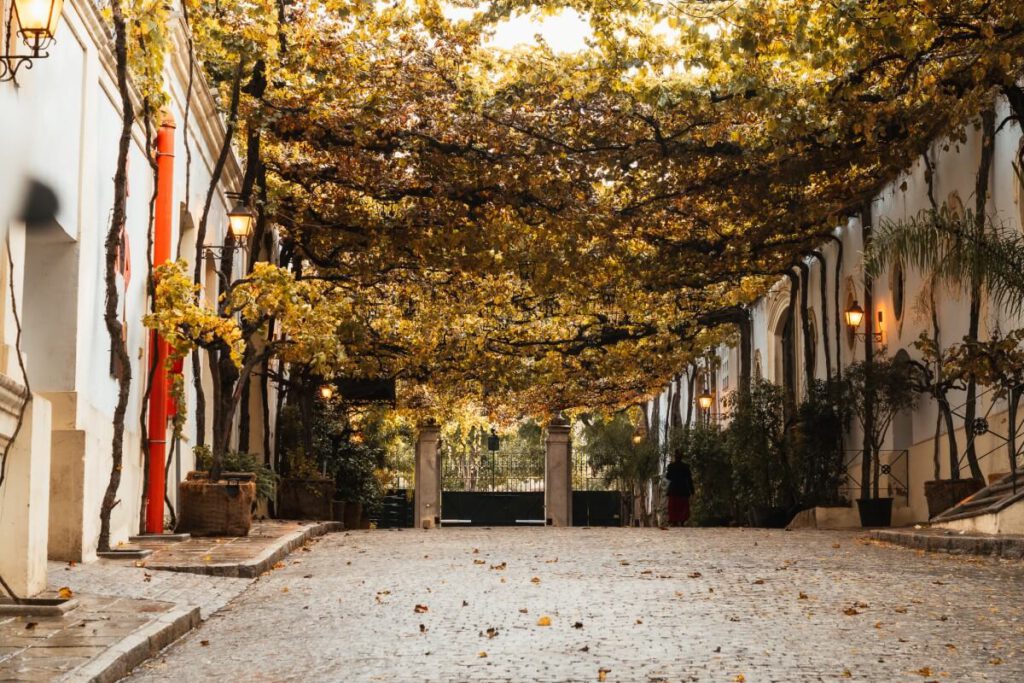
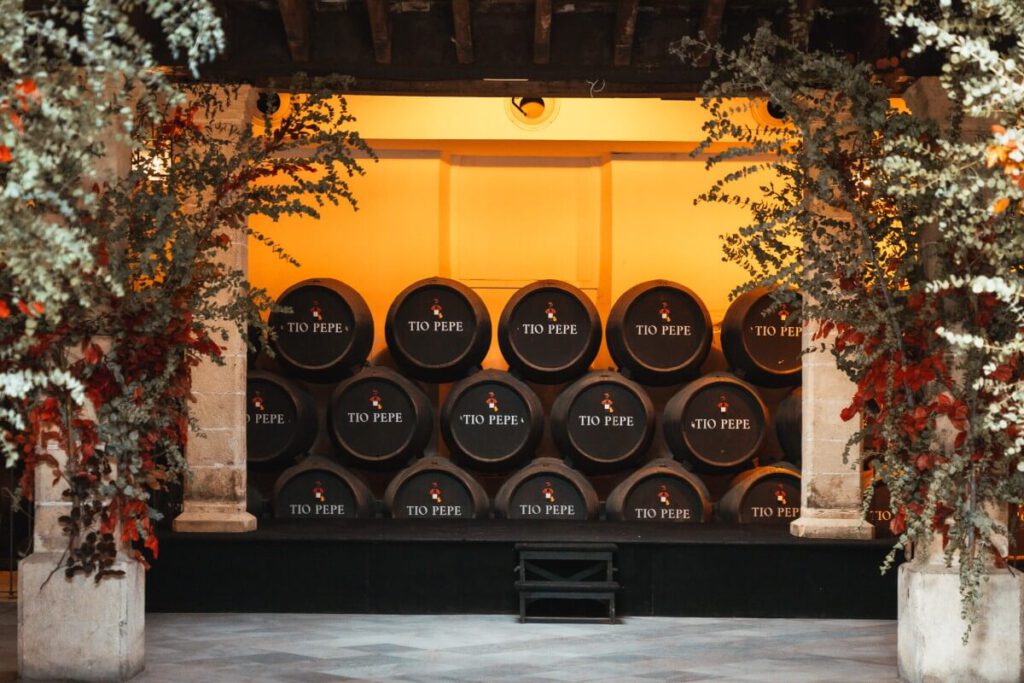
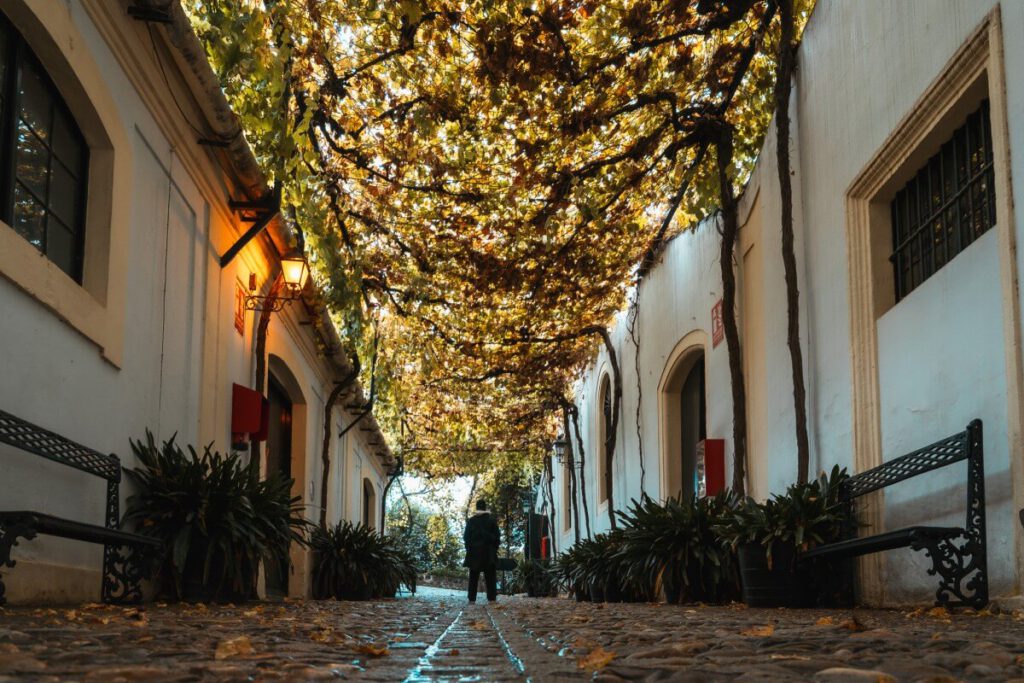
The tours are often booked up days in advance. However, you still have the option to check out the Bodega’s shop and buy souvenirs there. To do so, just ask at the entrance, and a staff member will quickly guide you through the facility to the shop, which is located at the end. Along the way, you’ll also get a brief glimpse of a small part of the hall and the cool, vine-covered walkways of Calle Ciegos. Of course, one of the tours is the better option.
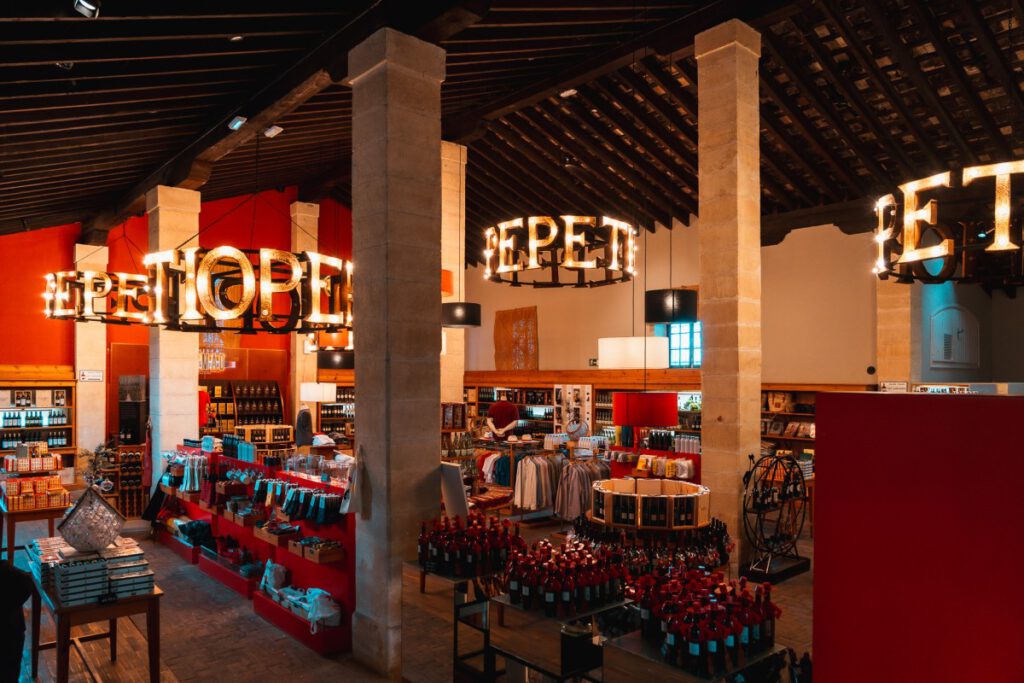
In addition to the González Byass winery, there are many other wineries in Jerez that offer tours and tastings, such as the following:
- Bodegas Álvaro Domecq
- Bodegas Cayetano del Pino
- Bodegas Páez Morilla (located just outside town)
- Bodegas Fundador (the oldest sherry winery in Jerez, located just outside the city)
6. Teatro Villamarta 💃
The Teatro Villamarta is often referred to as the “living room” of flamenco. This is because it serves as the main stage for the world-famous Festival de Jerez, which takes place every year in February and March.
But even outside of the festival, flamenco shows and performances are held here regularly, along with other cultural events. In the narrow streets surrounding the theater, you can also discover many small shops selling handmade flamenco dresses, fans, and shoes.
In addition to the Teatro, there are also other venues where you can enjoy flamenco shows:
- Flamenco Show and Dinner at Tablao Puro Arte
- Flamenco Show at La Guarida del Angel with a Drink
- Flamenco Dance Class for Beginners
7. Gallo Azul
The “Blue Rooster” (Gallo Azul) is an iconic building in the heart of the city, located between the two shopping streets of Calle Larga and Calle Santa María. It was donated to the city by the Domecq family, owners of the Fundador brand.
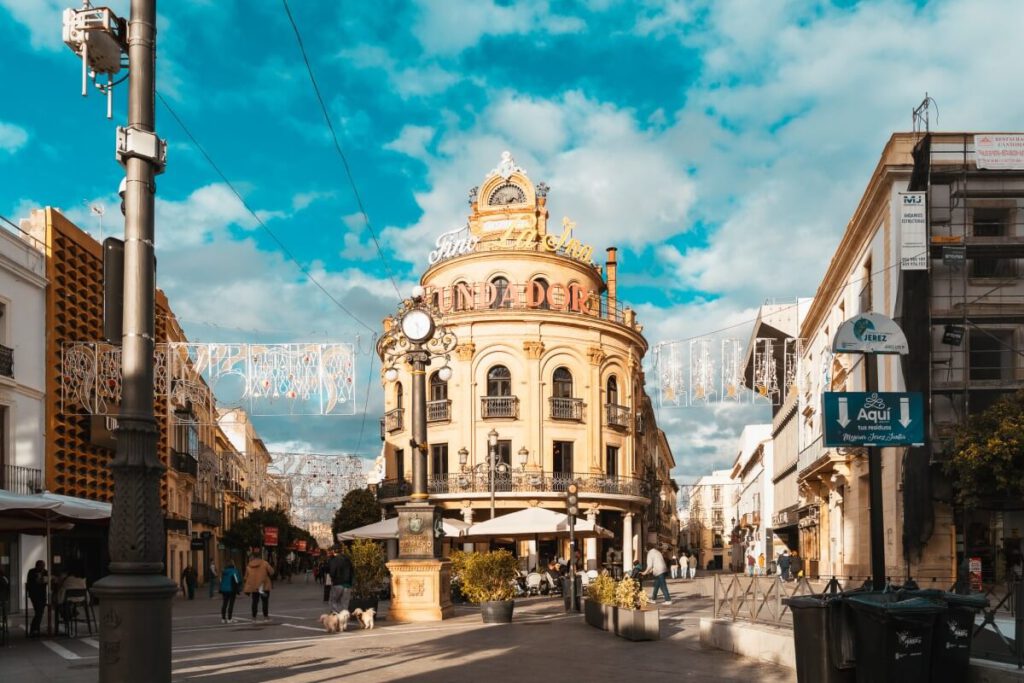
The building was designed by Aníbal González, who also designed the world-famous Plaza de España in Seville. Today, the building houses the Gallo Azul restaurant.
8. Palacio de Campo Real
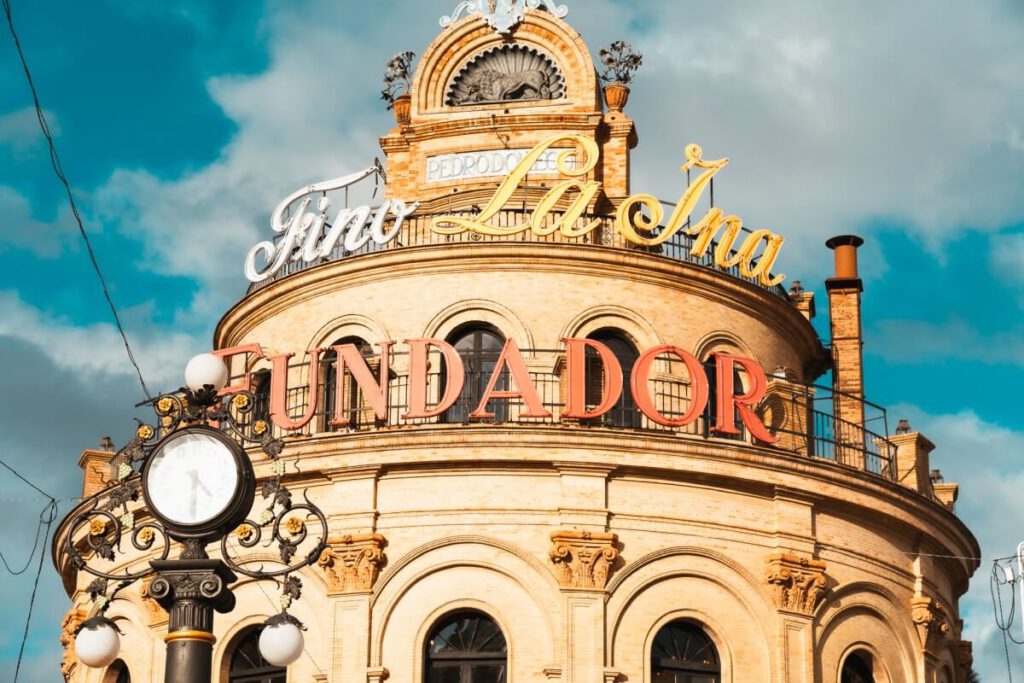
The Palacio de Campo Real is one of the most historic noble palaces in Jerez. It was built in the early 16th century on the ruins of an Islamic complex. Here you can see how the Andalusian nobility lived. Parts of the palace are open to visitors.
9. Tabanco
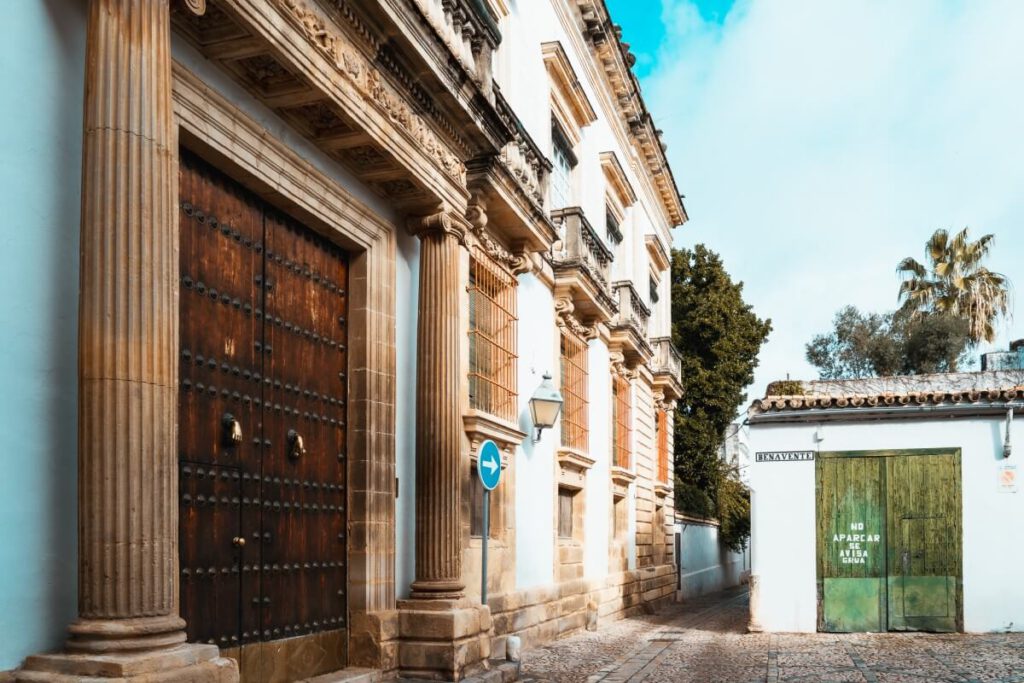
A tabanco is a very special kind of tavern that you’ll find almost exclusively in Jerez de la Frontera. It’s a sort of cross between a wine shop and a cozy living room.
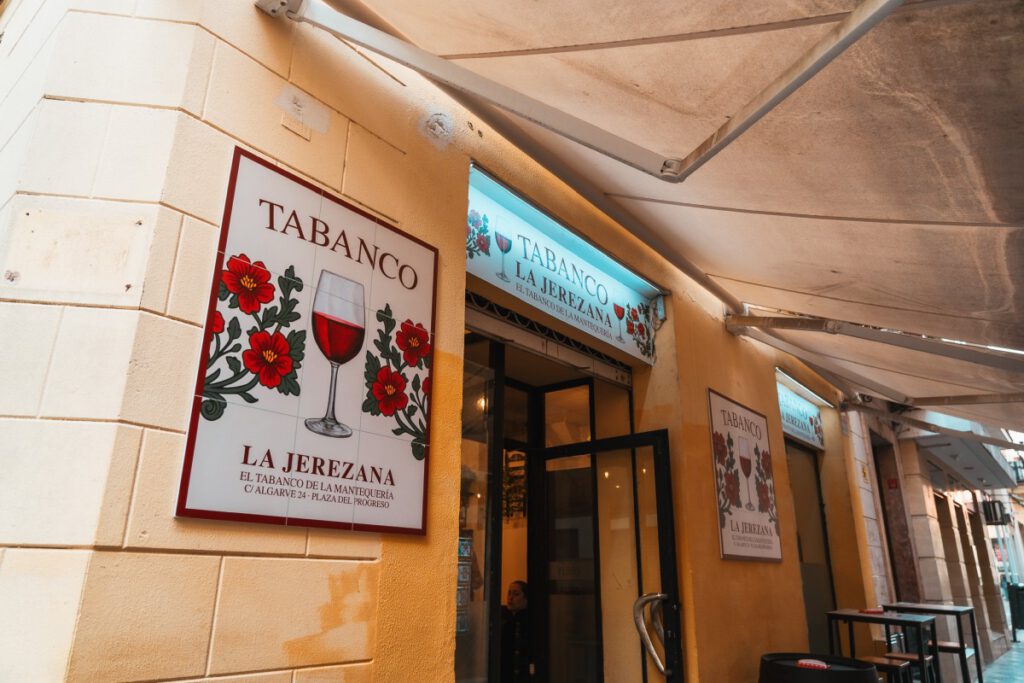
Originally, sherry was sold here straight from the barrels. And even today, in a genuine tabanco, you’ll find the original oak barrels (botas) behind the counter or lined up along the wall. You’ll usually find simple tapas on the food and drink menu as well.
10. Palacio Domecq
The Palacio Domecq is the finest example of 18th-century Baroque architecture in Jerez. It has been the residence of the Domecq family since 1885. Inside, in addition to the magnificent courtyard with its red marble columns, you can admire paintings, tapestries, sculptures, and fine materials imported from Italy, Flanders, and France.
A ticket with an audio guide costs €15, and you can book it online in advance:
11. Cloisters of Santo Domingo
The Claustros de Santo Domingo is the former cloister of the Dominican monastery, which is located right next to the church of the same name. Many visitors describe the monastery’s courtyard as an oasis of calm amid the hustle and bustle of the city.
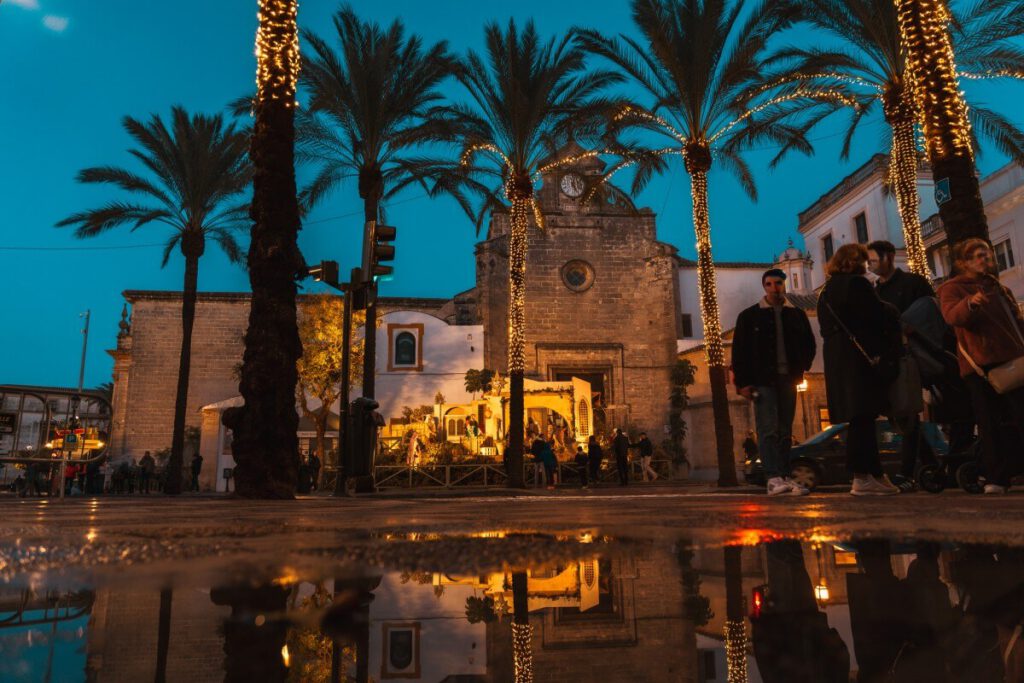
If there are no events taking place, you can visit the cloister for free.
12. Museo Palacio del Tiempo – Atalaya Museums
The “Palace of Time” (Palacio del Tiempo) is a clock museum that houses a collection of 287 historic clocks dating from the 17th to the 19th century. Most of them still work.
The most famous pieces here are gilded items in the French Empire style.
13. Jerez Train Station
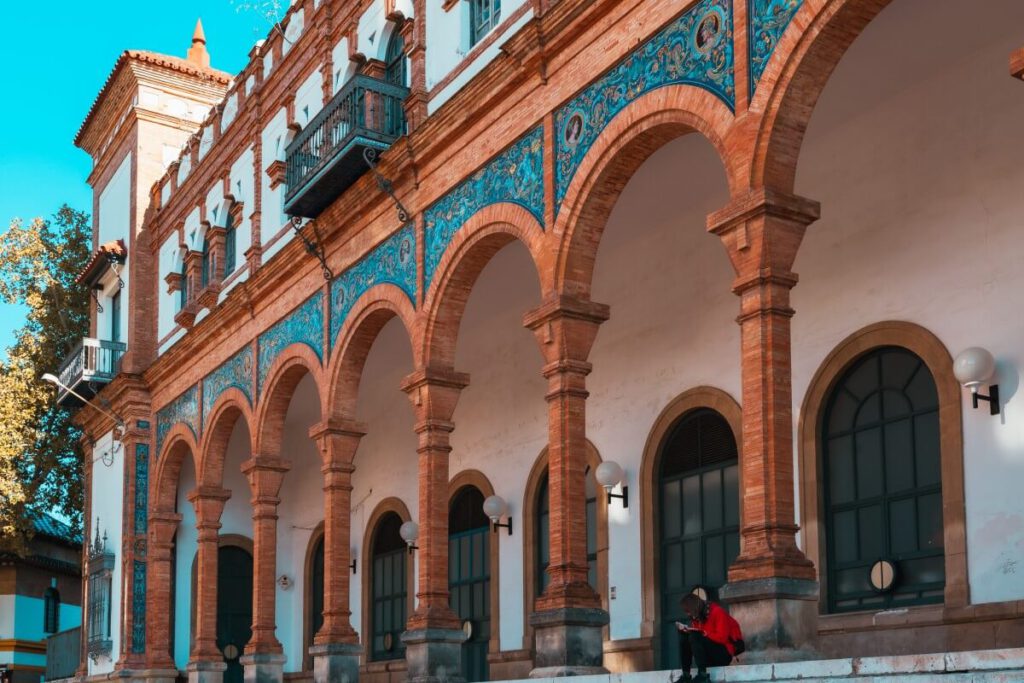
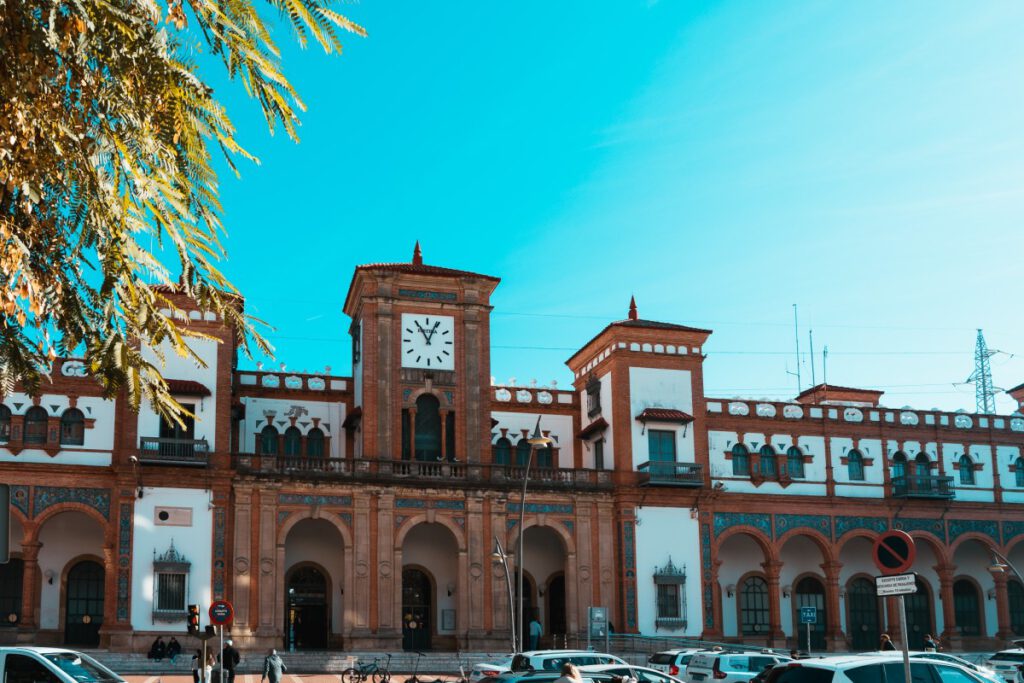
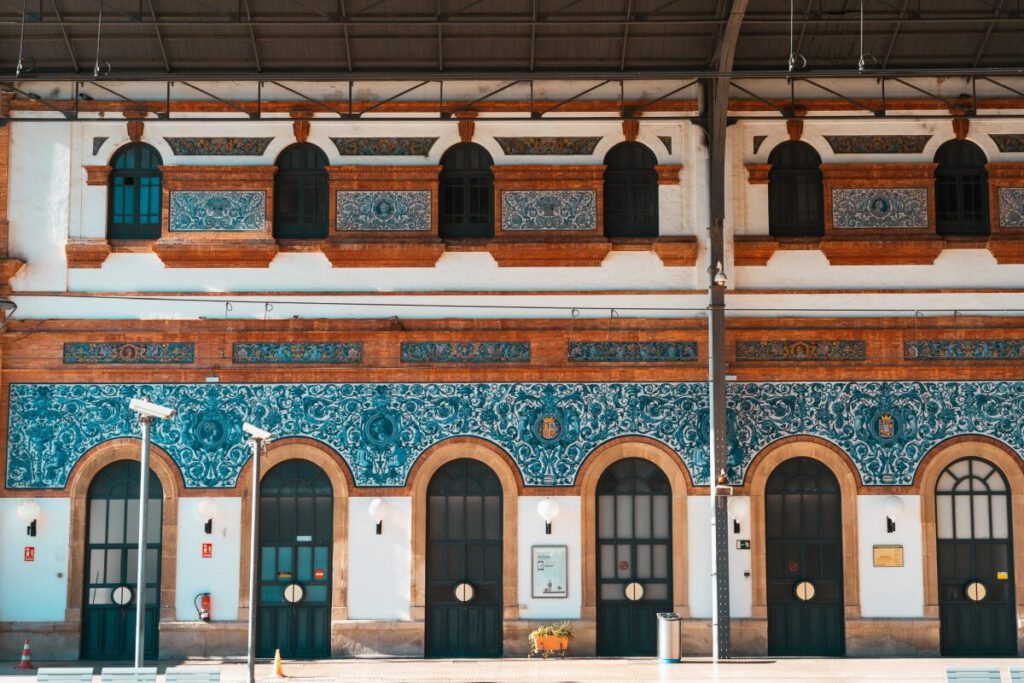
A visit to the city’s train station is also well worth it. Architecturally speaking, it is one of the most beautiful train stations in Spain. The building combines the Mudéjar style (with Moorish influences) with Renaissance and Baroque elements and has the charm of a magnificent Andalusian palace.
14. Central Food Market
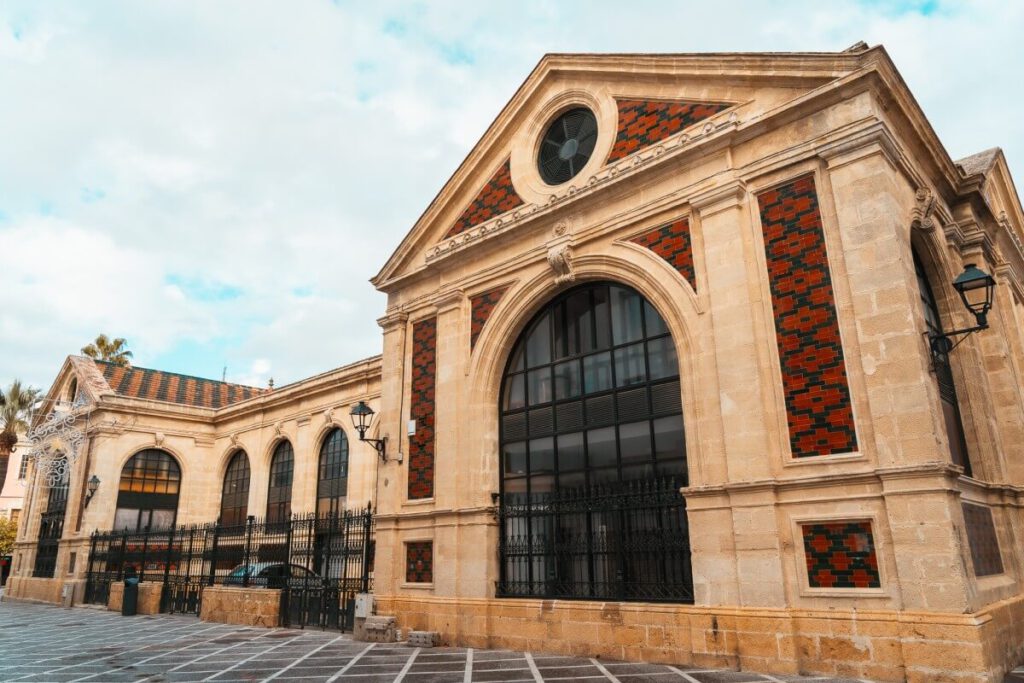
At the Mercado Central de Abastos, with its more than 100 stalls, you’ll find fresh seafood, Iberian ham, cheese, and seasonal Spanish products, such as olives. The best time to visit is in the morning between 9:00 a.m. and 12:00 p.m., as that’s when the market is at its liveliest and you can fully soak up the authentic atmosphere.
Have you ever been to Jerez de la Frontera? What did you like best? What tips are still missing here? I look forward to your comment
Tools & services I recommend for your trip:*
📶 Flexible and affordable mobile Internet worldwide
🚁 My drone for aerial photography
🚗 Find and compare cheap rental cars
🎟 Find and book cool activities
🔒 Secure Internet connection with NordVPN
*Note: These links are affiliate links. If you book through them, I will receive a small commission without it being more expensive for you. A purchase from you via these links helps me to continue offering free content without annoying ads on this website. Thank you for your support! I really appreciate it!