

📝 About the Author: Matthias


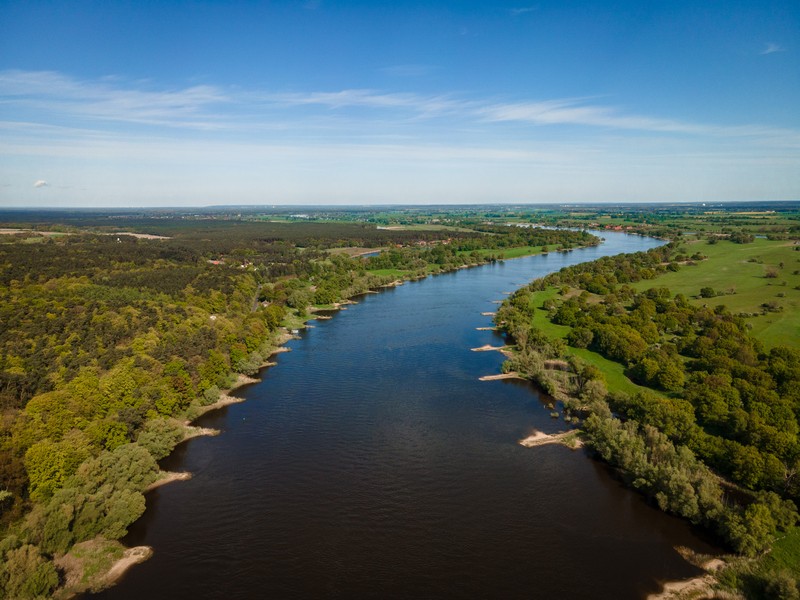
In this article, I’ll take you on a journey along the Elbe – a river with almost no shipping traffic – through picturesque riverside towns, the idyllic countryside of the Elbe floodplain, and no fewer than six federal states. Along the way, you’ll explore medieval castles, imposing monasteries, and sleepy villages. Even radioactive barrels are among the sights along this Elbe route, which you can easily cover in 3–4 days.
This road trip takes you from Hamburg through the Wendland region to Magdeburg – and the Elbe River is always just a stone’s throw away. You’ll cross the river again and again – sometimes by ferry, sometimes over bridges – and hop from one federal state to the next along the way. The route takes you on a journey along the historic inner-German border, which once ran alongside the river and shaped this region.
The map requires JavaScript.
Of course, you can also simply reverse the direction of your Elbe road trip and start in Magdeburg. But no matter where you start, on this Elbe road trip you’ll explore many wonderful little towns, each with its own unique atmosphere, and relax in truly special natural landscapes. The Lower Saxony Elbe Valley Biosphere Reserve is one of the most beautiful natural regions in all of Germany.
The following states are part of this fantastic road trip:
- Hamburg
- Schleswig-Holstein
- Lower Saxony
- Mecklenburg-Western Pomerania
- Brandenburg
- Saxony-Anhalt
The entire route will take you about 3–4 days. Along the way, I’ll also let you know the best places to stay overnight. I’ll give you tips on cool campsites if you’re traveling in a RV or van. But I also always recommend a few hotels along the route in case you need a little more comfort.
1. Reinbek Castle
You can make your first short stop at the city limits of Hamburg. Reinbek Castle has a lovely little castle garden with a café.
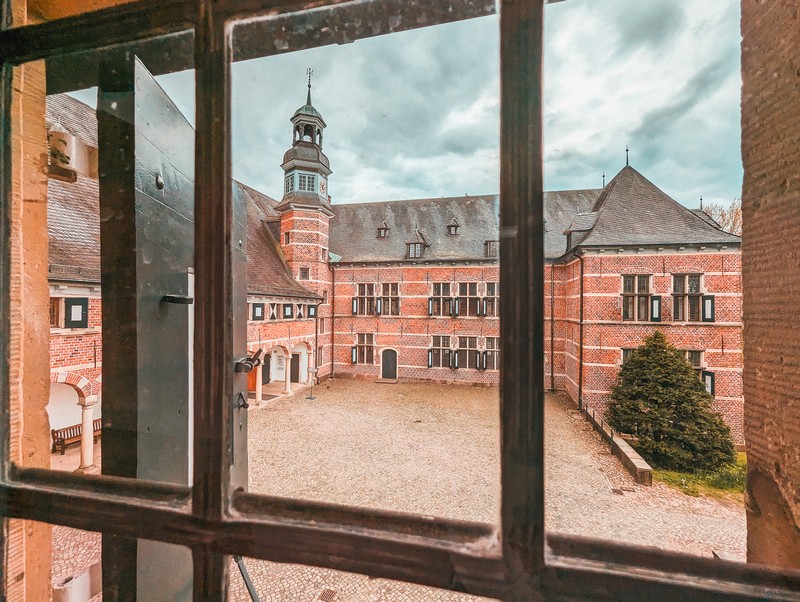
For a €4 admission fee, you can walk through the interior. There are various exhibits here and plenty of historical details to discover. I found the many medieval maps of the region on the walls really fascinating.
2. Geesthacht
Next, we head to the first town on the Elbe – Geesthacht, with a population of about 30,000. It’s worth making a quick stop here to visit the small town museum in the center. At this local history museum, you can learn a lot about the town’s economic and settlement history. Admission is free.
3. Lauenburg
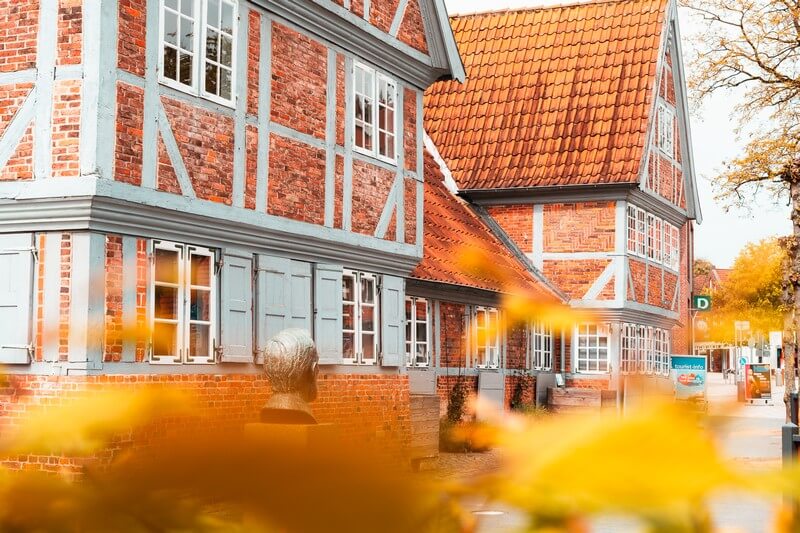
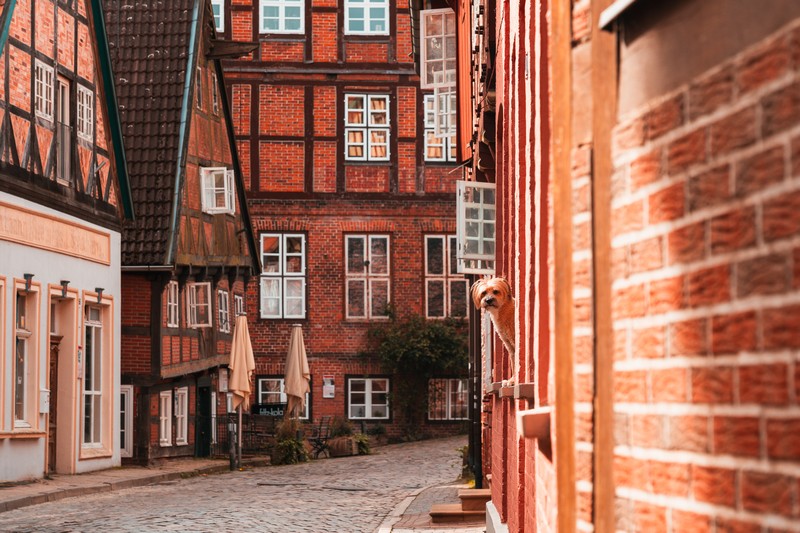
You definitely shouldn’t miss the old riverside town of Lauenburg on your Elbe road trip. Lauenburg isn’t just the southeasternmost town in Schleswig-Holstein – with its many idyllic half-timbered houses, it’s also a real treat to look at.
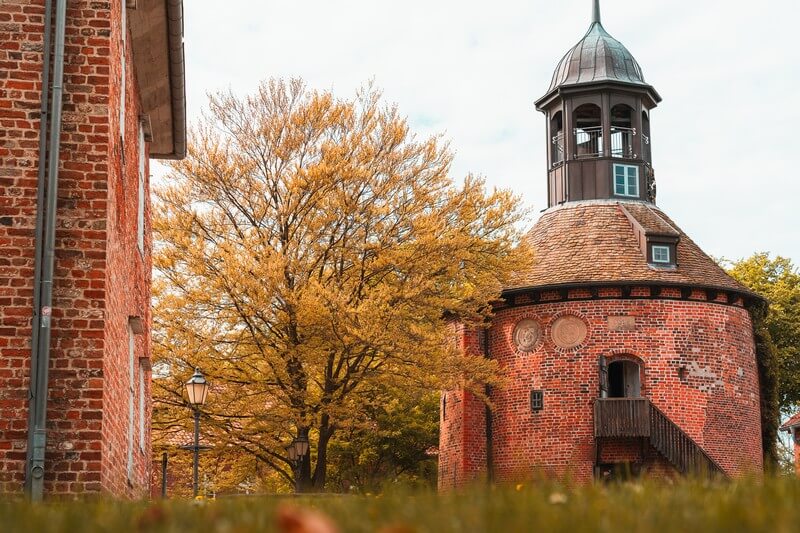
The best place to start a short exploration tour is at the castle tower. Not only can you tour the tower, but the castle also offers plenty of fantastic viewpoints.
From up there, walk downhill toward Kirchplatz in the Old Town. Explore the many shops along Elbstraße and its side streets, and stroll along the waterfront promenade to the harbor, where the paddle steamer Kaiser Wilhelm is anchored.
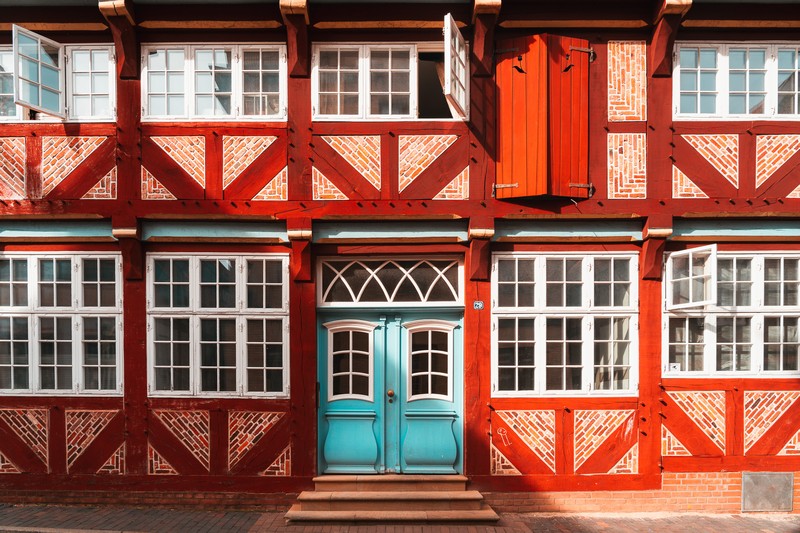
All in all, I had originally planned to spend just two hours here. But that quickly turned into four hours because I just loved the little town so much and got a little lost in all the charming details of the old town.
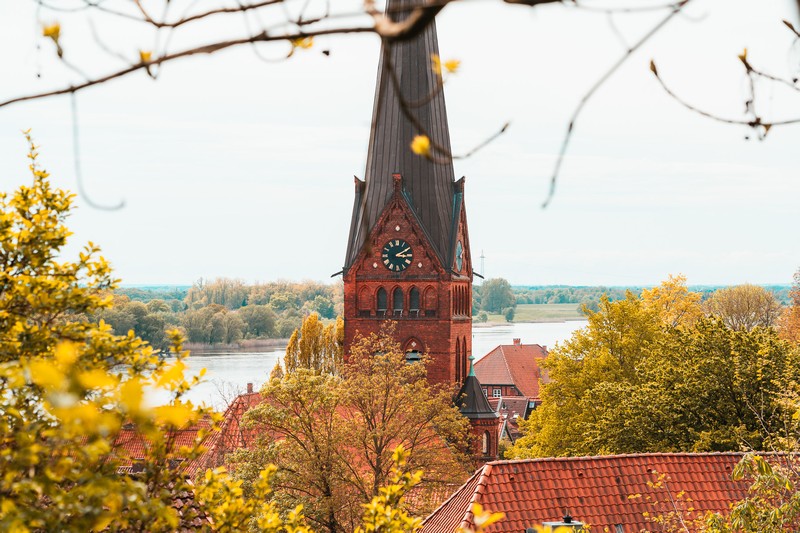
If you want to explore Lauenburg a little more thoroughly, it’s definitely worth making your first stop here and staying the night. After all, there are several hotels in town with a historic atmosphere:
The Hotel zum Alten Schifferhaus is located practically right on the old harbor. From there, you can easily explore the narrow streets of the old town.
4. Boizenburg
Before you cross the Elbe near Lauenburg at the large Elbe Bridge, it’s worth taking a detour to Mecklenburg-Western Pomerania to visit Germany’s first tile museum in Boizenburg. In addition to a wealth of international tile art, the museum also features the life’s work of the renowned tile artist Lothar Scholz.
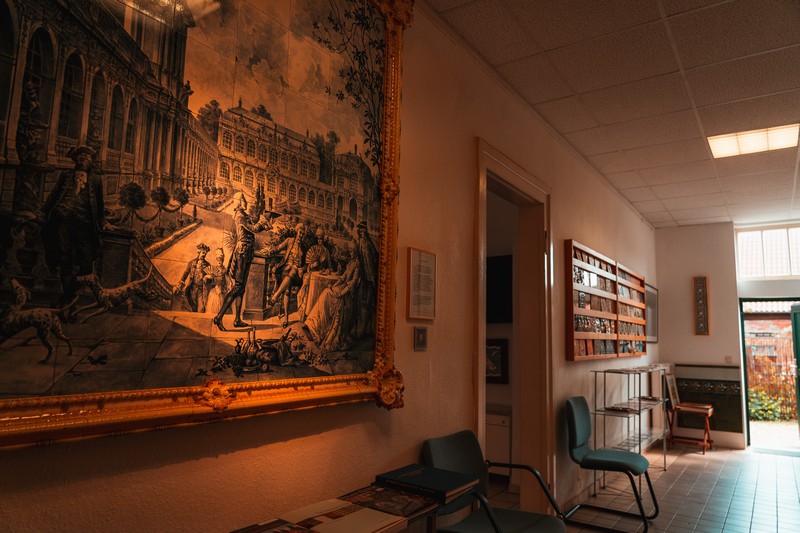
On a walk around the city’s moat, you can discover some of Lothar Scholz’s public tile paintings or simply enjoy the idyllic atmosphere of this historic small town.
5. Bleckede
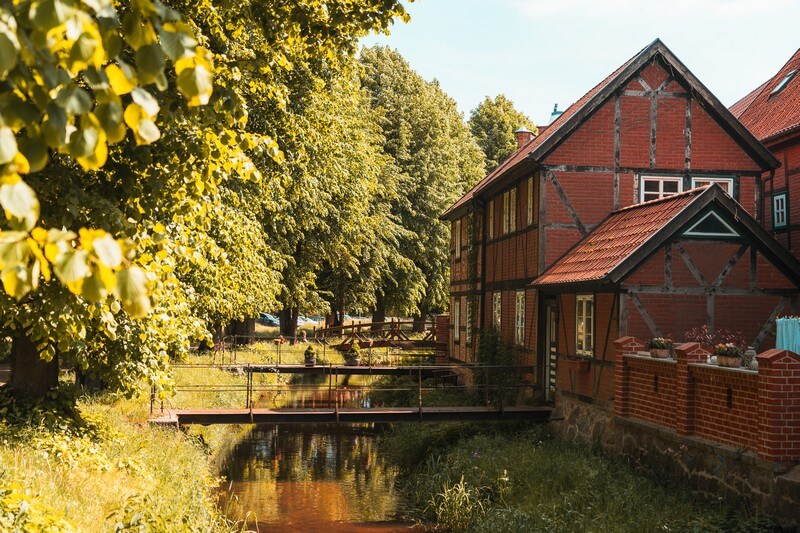
Next, we head to Bleckede, a small town with a ferry service and many half-timbered houses. There’s a castle here with its own park that’s worth a quick visit. On a historic walking tour of the town, you’ll learn a lot about its history.
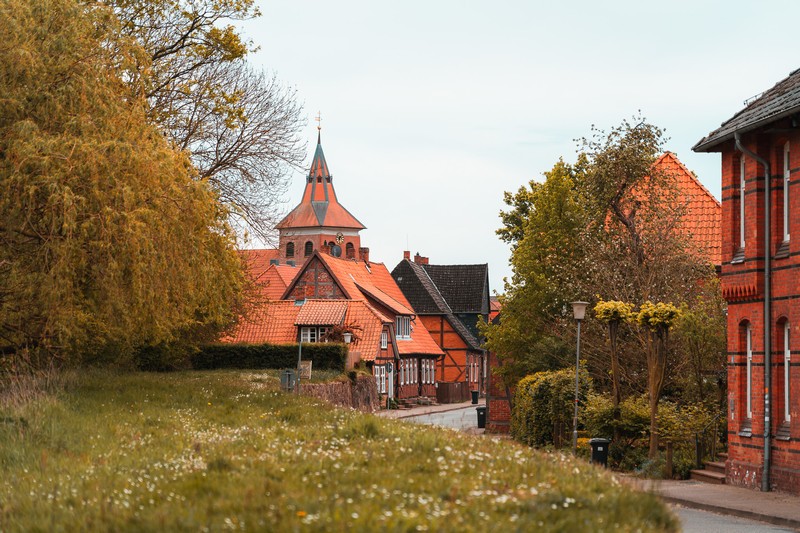
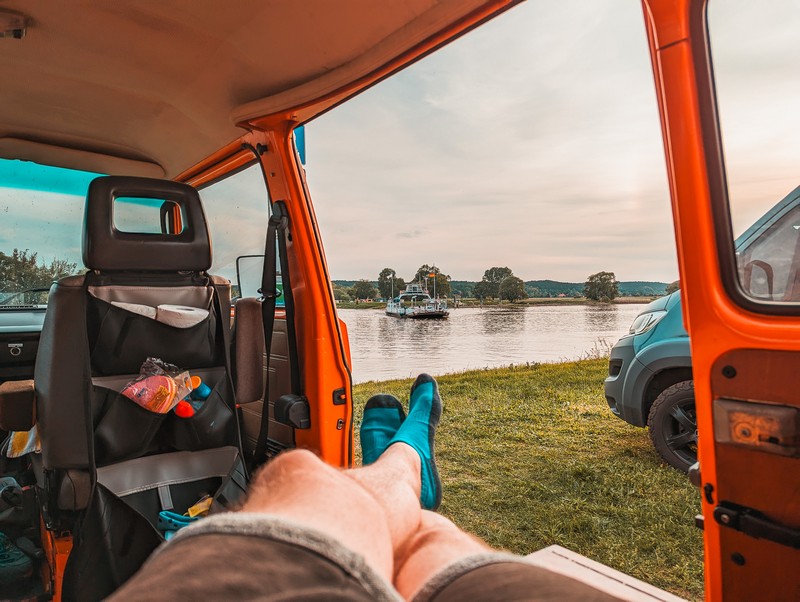
In Bleckede, you can spend the night on the festival grounds or right on the banks of the Elbe for very little money through Parkster.
6. Konau/Popelau
In Bleckede, you’ll cross the Elbe by ferry and continue on to the tranquil marsh village of Konau/Popelau. A marsh village is a village where the houses are arranged in a row and are located on marshland behind the dikes. It is the only fully preserved village of its kind in the world and is definitely worth a visit.
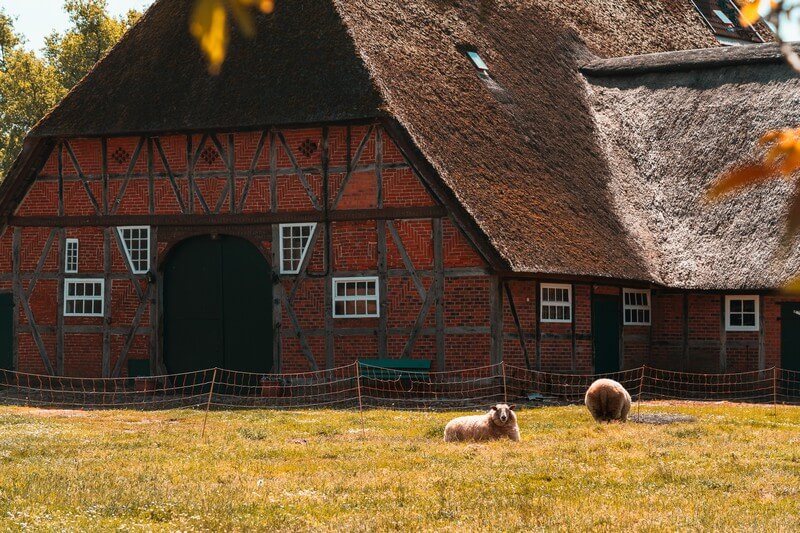
At the Elbtauaue Information Center – a kind of tourist center – you can learn all about the town and the region, and you can also buy local products.
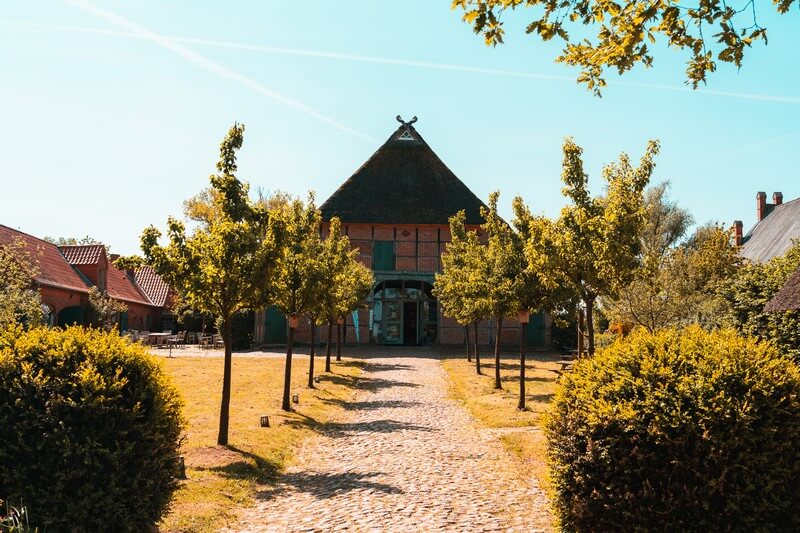
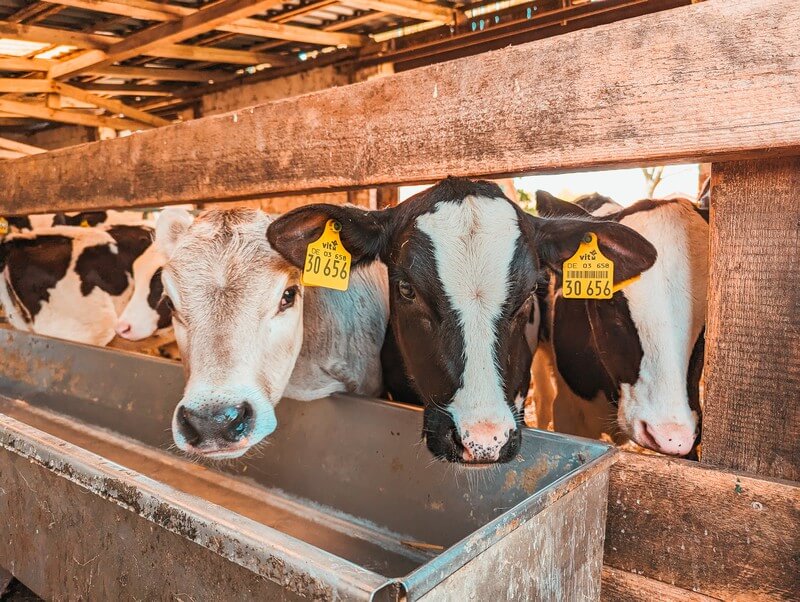
I really enjoyed just walking around here, looking at the houses, and watching and petting the animals. Families with children would probably really enjoy it, too. I saw a dog, cats, cows and calves, hungry chickens, horses, and storks.
7. Stixer Shifting Dune
Before you take the ferry back across the Elbe to the south side at Neu Darchau, it’s worth making a quick detour to the Stixer Wanderdüne, a natural phenomenon that formed about 10,000 years ago.
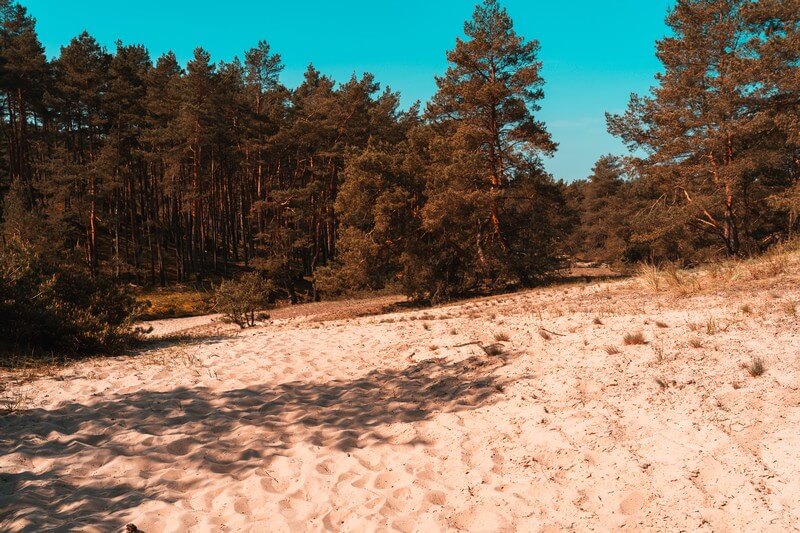
As the name suggests, the dune is always on the move, shifting from pine tree to pine tree. You can take a short walk through the forest here. There’s a map and an information sign at the parking lot.
8. Kniepenberg Lookout Point
At Neu Darchau, you’ll return to the south bank of the Elbe, where the route continues along the river through the Wendland region of Lower Saxony. This region is large, very rural, and particularly popular among travelers seeking peace and quiet. The Wendland is known nationwide primarily for the Kulturelle Landpartie – a kind of farm festival.
If you have more time, it’s worth exploring the Wendland in its entirety. You can find a well-known travel guide for this here: 111 Must-See Places in the Wendland.
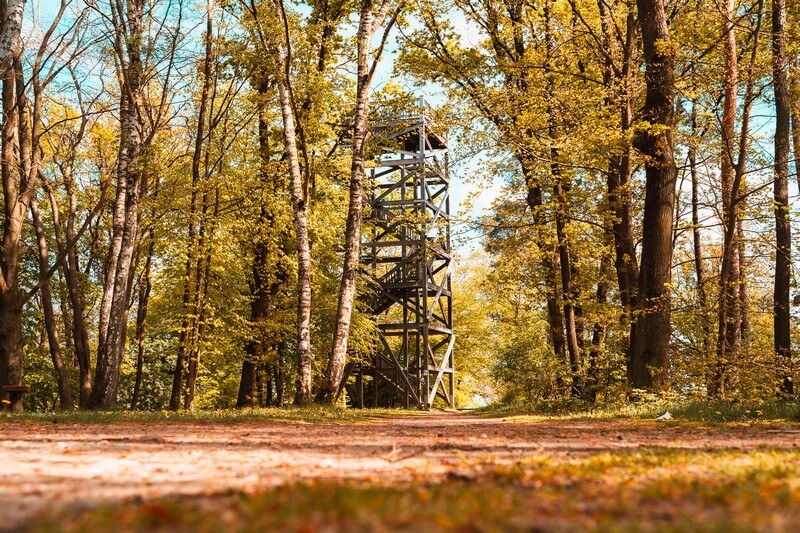
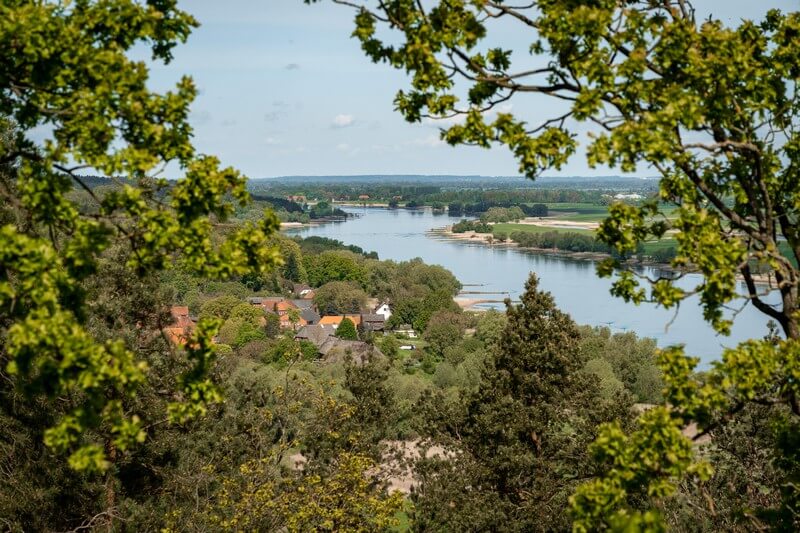
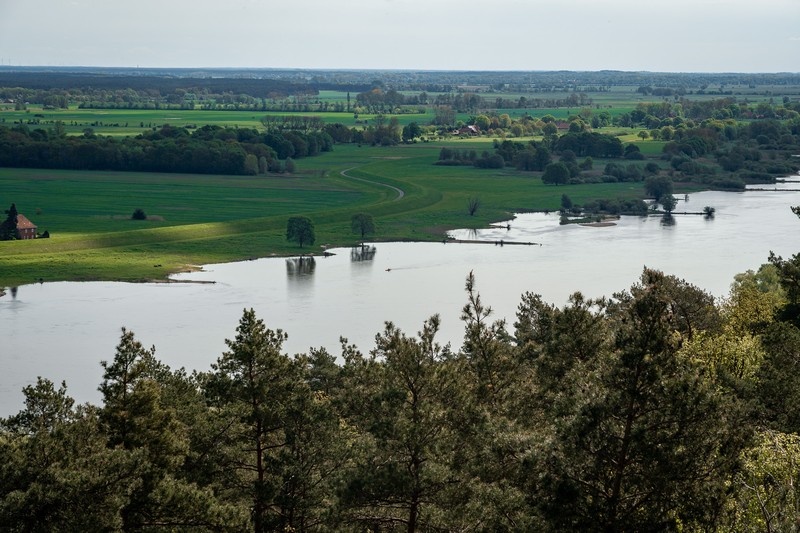
On this road trip, however, we’ll stay close to the Elbe. A great first stop is the Kniepenberg lookout point. It’s a wooden tower, and from its top floor you’ll have a magnificent view of the vast landscape along the Elbe floodplain.
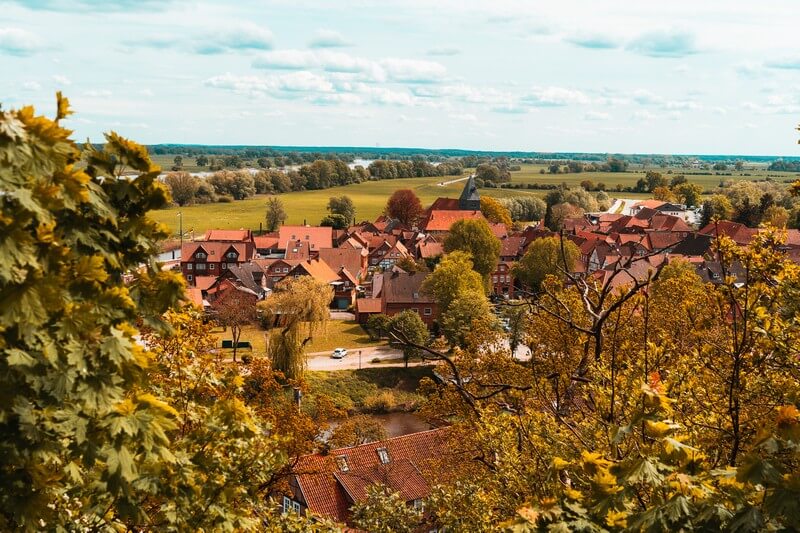
9. Hitzacker
It’s worth spending a few extra hours in Hitzacker, because there are some cool spots to discover here. It’s best to leave your car at the harbor parking lot and explore the many narrow streets and half-timbered houses on foot.
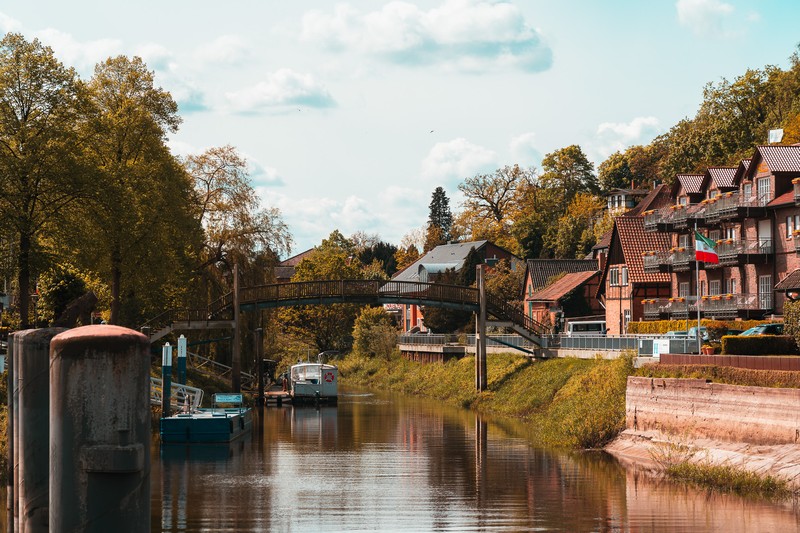
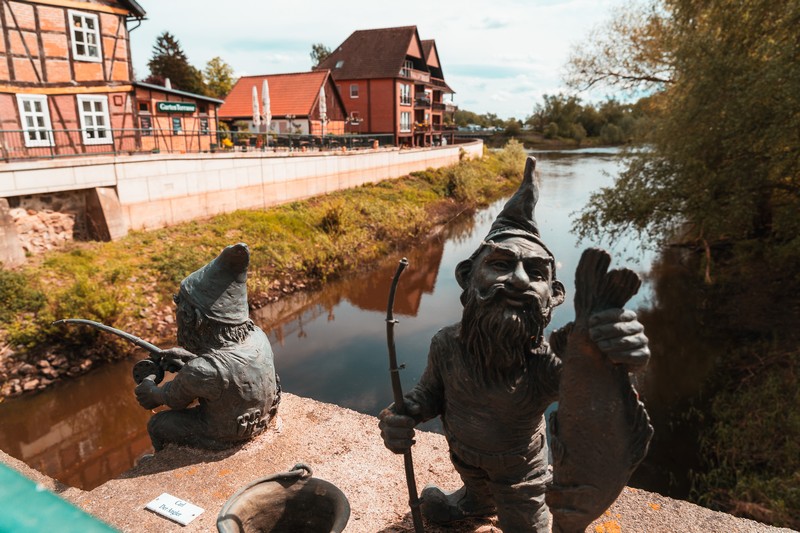
A little highlight for the kids are the many dwarf figures scattered throughout the city center. It’s really fun to look for them all. There are reportedly over 40 of them, and they come from a legend about the vineyard dwarves.
Which brings us to the next unique feature of Hitzacker: the vineyard that is Germany’s northernmost wine-growing region. You can reach it quite easily from downtown.
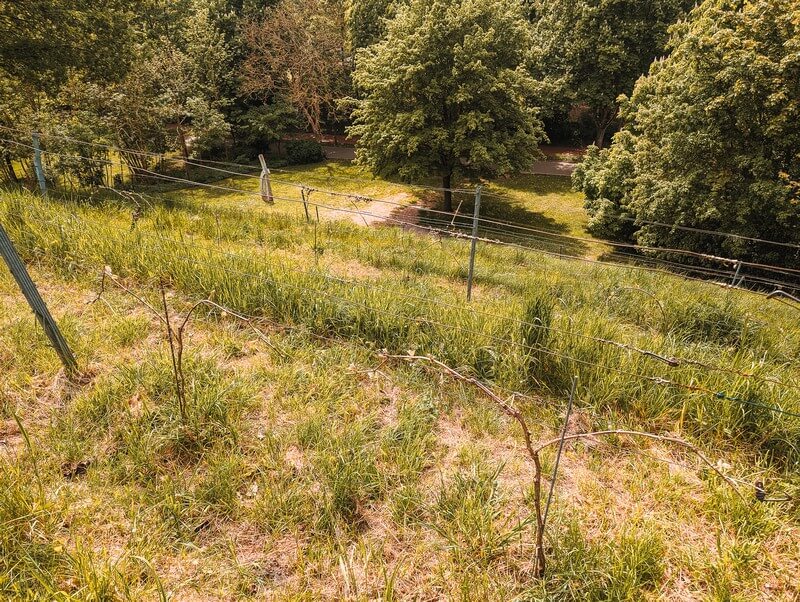
There aren’t that many grapevines on the slopes, but there are enough to produce a few bottles a year. You can buy them at various tourist shops in Hitzacker and also try them at some restaurants.
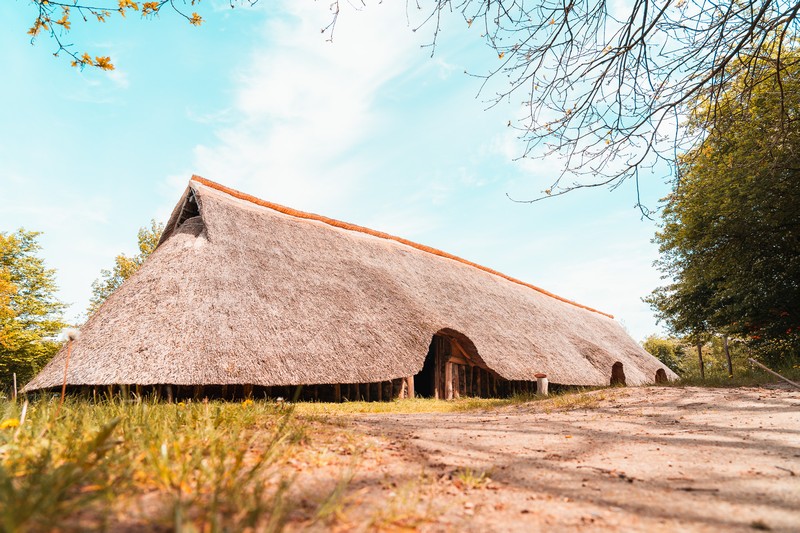
The Archaeological Open-Air Museum is also worth a visit. Admission is €4, and you can learn a lot about the Bronze Age and how people lived here about 3,000 years ago.
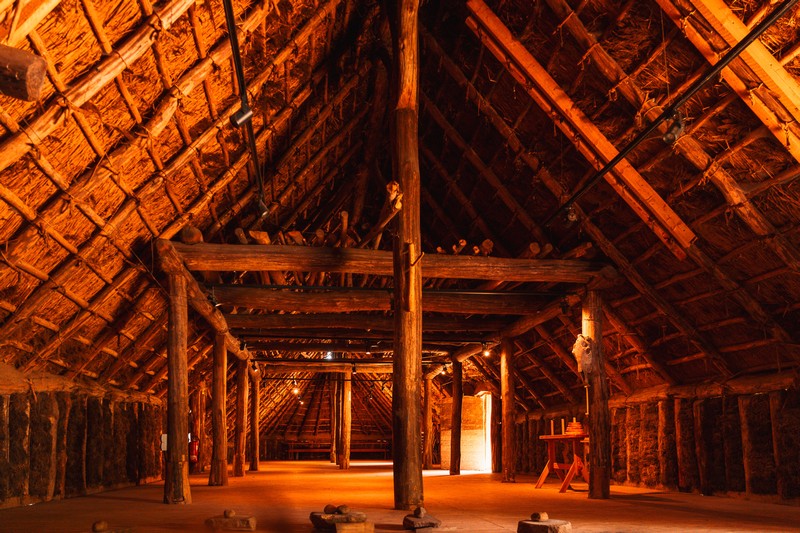
If you enjoy Hitzacker as much as many other visitors do, then I’d even recommend spending a night or more here. Right in the old town, or very close by, are the Hotel Bürgerstube and the Hotel Hafen Hitzacker. Both are perfect for exploring the town.
10. Dömitz
At the next stop on your Elbe road trip, you’ll cross the Dömitz Elbe Bridge to return to Mecklenburg-Western Pomerania. That’s where the small town of Dömitz is located.
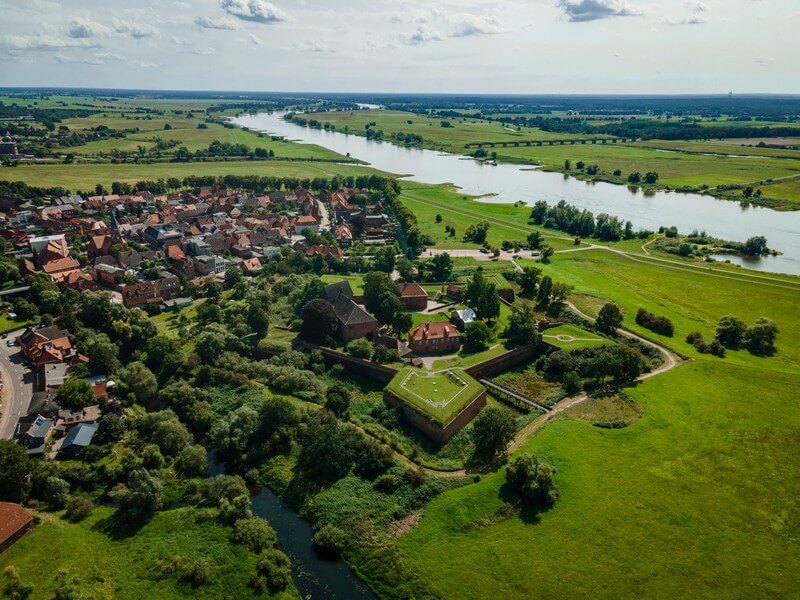
You should definitely visit the historic citadel here – it’s the oldest and most striking building in the city. Admission to the complex is free, but the fortress isn’t always open to the public. You can find the opening hours here.
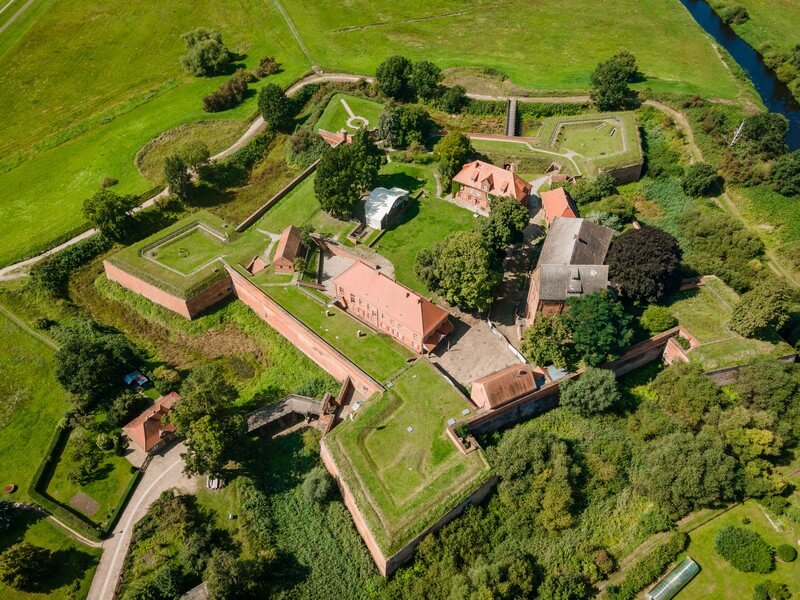
A stroll through the old town in Dömitz is also well worth it. Grab an authentic GDR soft-serve ice cream at Eispirat and check out the vinyl collection at Martin’s Music Café.
11. Gorleben – Beluga Triangle
Next, we head to a place I knew mainly from the news before my first visit here. Near Gorleben is the interim storage facility for spent nuclear fuel, which is known for the so-called Castor transports. For decades, there was a dispute here over the location of a final repository for nuclear waste, featuring many large demonstrations that also involved a massive police presence.
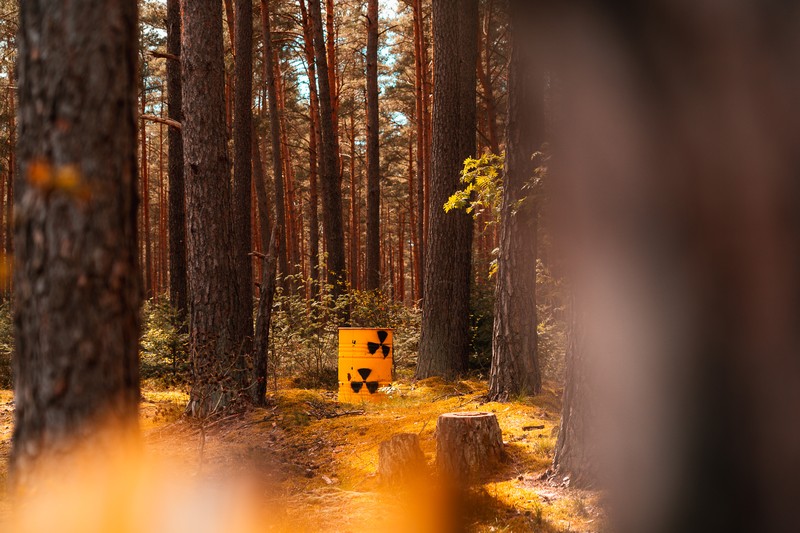
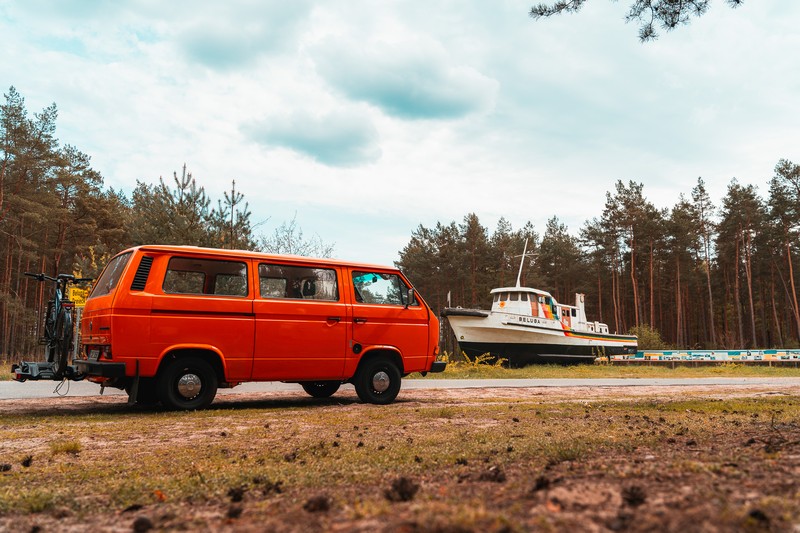
You can learn the story behind it at the Beluga Triangle, a memorial erected by Greenpeace. A long plaque here lists the events from the initial announcement of the decision to build a nuclear waste repository to the present day.
12. Wittenberge
Next, we head to Wittenberge in Brandenburg, which was a major center of the textile and watchmaking industries in the 19th and 20th centuries. The clock tower of the former Singer/Veritas sewing machine factory is actually the largest freestanding clock tower on the European mainland. But I found the magnificent clock with its carillon in City Hall even more impressive; it plays melodies at certain times of the day.
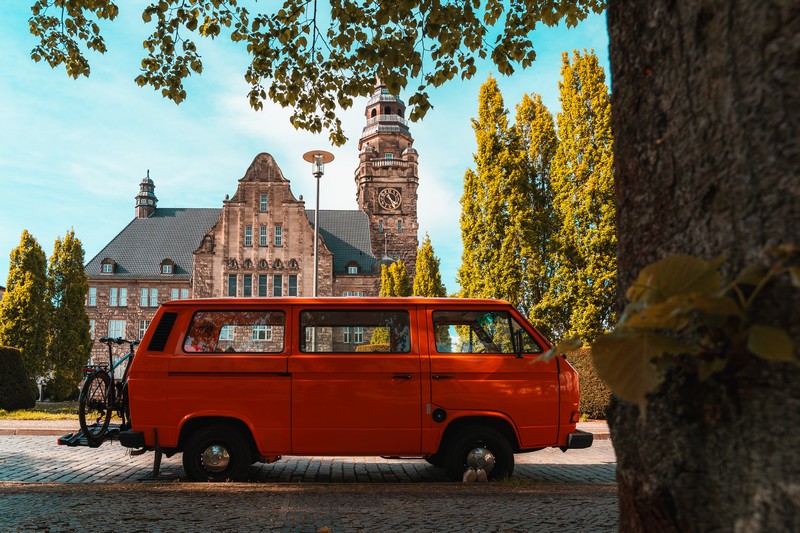
There are many other historic buildings in the city center that you can explore on a short walk. The city’s oldest residential building also serves as the city museum, where you can learn a lot about Wittenberge’s vibrant past.
13. Havelberg
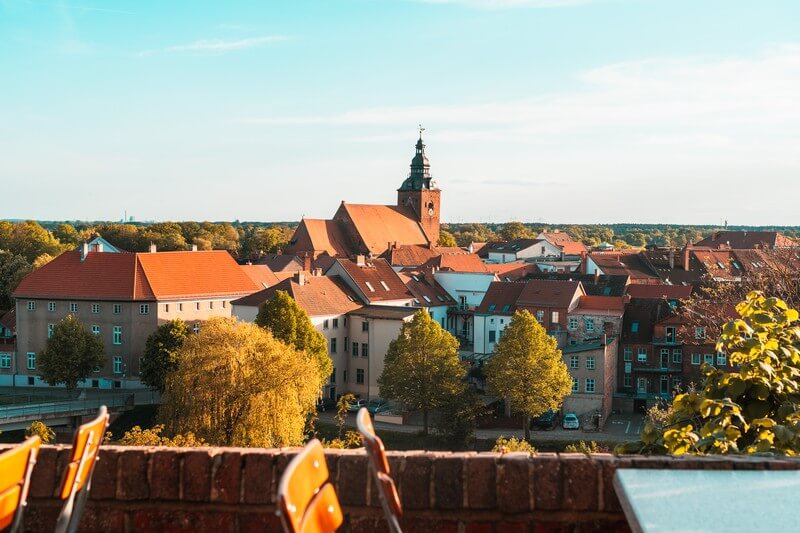
Next, we head a short distance away from the Elbe to the Hanseatic city of Havelberg. It lies on the Havel River, which flows into the Elbe here. You can spot the city’s landmark from a distance – St. Mary’s Cathedral, perched on a hill overlooking the city.
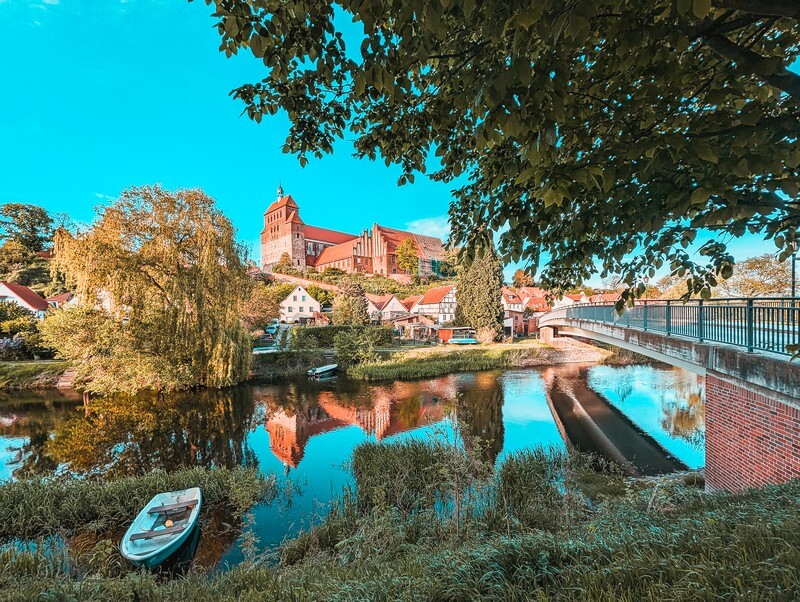
The cathedral was built as early as the 12th century and has played a central role in the city’s history. The small ledges, niches, and openings in the cathedral’s walls provide shelter for countless swallows and jackdaws. Watching these aerial acrobats fly in and out is a particularly beautiful natural spectacle that’s worth taking a moment to observe. The only thing more beautiful is the view of the city from the cathedral.
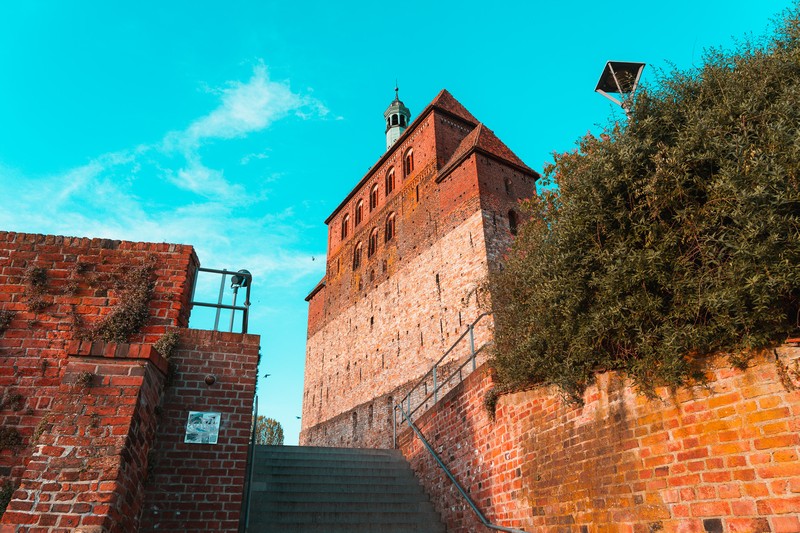
There’s a cool campground on an island in Havelberg: Campinginsel Havelberg. From there, it’s a great spot to explore the old town, which is also located on an island (Stadtinsel). From there, you can easily reach the cathedral via a flight of stairs.
If you’re looking for a little more comfort, check out one of the accommodations in town. The Pension zur alten Post and the Alter Kornspeicher are unique places to stay and are located right on the town island.
14. Schönhausen
This place is a must-see for history buffs, as the small town of Schönhausen is the birthplace of Otto von Bismarck, whom everyone should know from their history classes in school. No wonder even the playgrounds here are named after him.
The new castle houses a museum that provides a closer look at Bismarck’s life and work.
15. Tangermünde
We’ll continue south to Tangermünde, a historic town in Saxony-Anhalt that’s picturesquely situated right on the Elbe River and where you’ll feel a bit like you’re in the Middle Ages. That’s because Tangermünde is famous for its well-preserved medieval townscape.
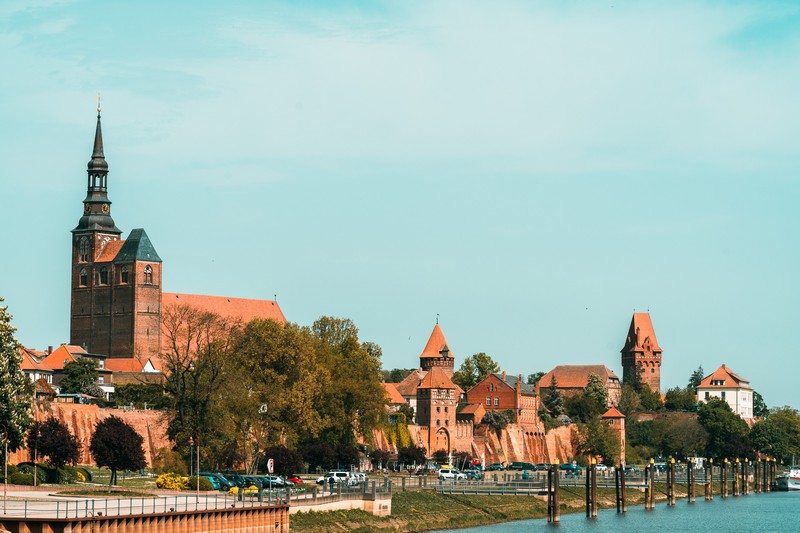
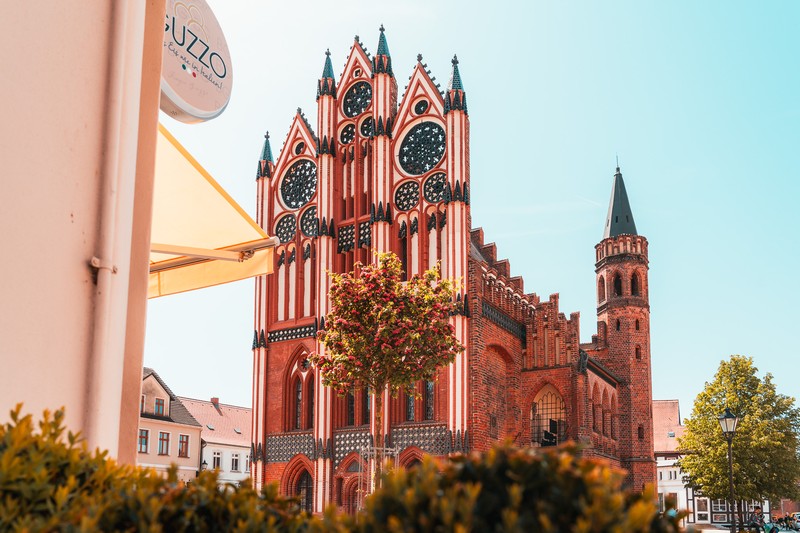
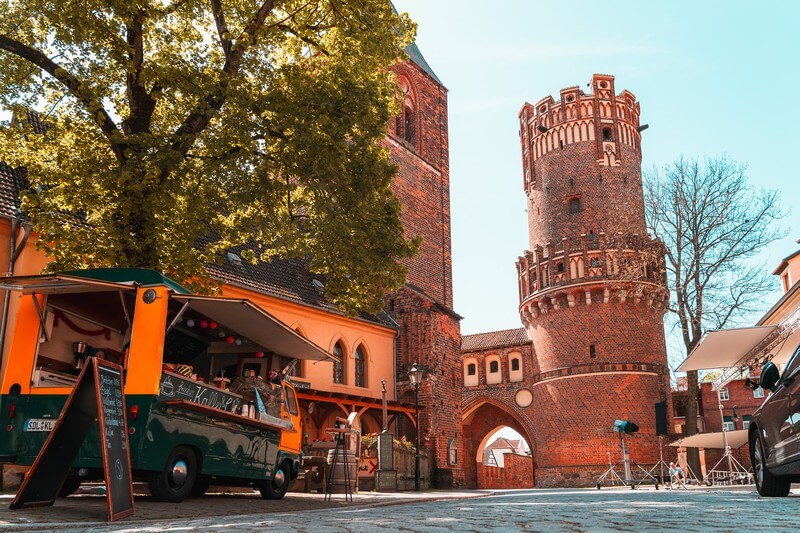
The old town hall, the various city gates, Tangermünde Castle with its chapter tower, and the imposing city wall are truly wonderful.
You should definitely explore Kirchstraße and Lange Straße, which runs parallel to it, with their many small shops and half-timbered houses.
Tangermünde has quite a few great places to stay. One of the most beautiful is located right within the castle grounds: the Ringhotel Schloss Tangermünde. There, you can enjoy a special 4-star stay with an indoor pool, a 600-square-meter spa, and a restaurant. But there are also plenty of other options for those on a tighter budget.
16. Jerichow
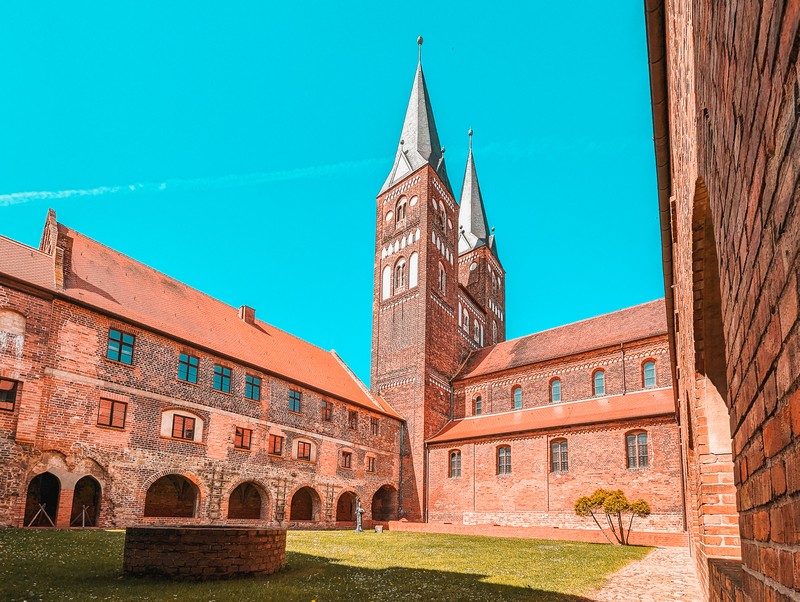
Next, we head to the tranquil town of Jerichow, home to a wonderful monastery that’s well worth a visit. It was built in the 12th century and is considered the oldest surviving brick building in northern Germany. You could almost say that the entire North German brick architectural style has its origins here.
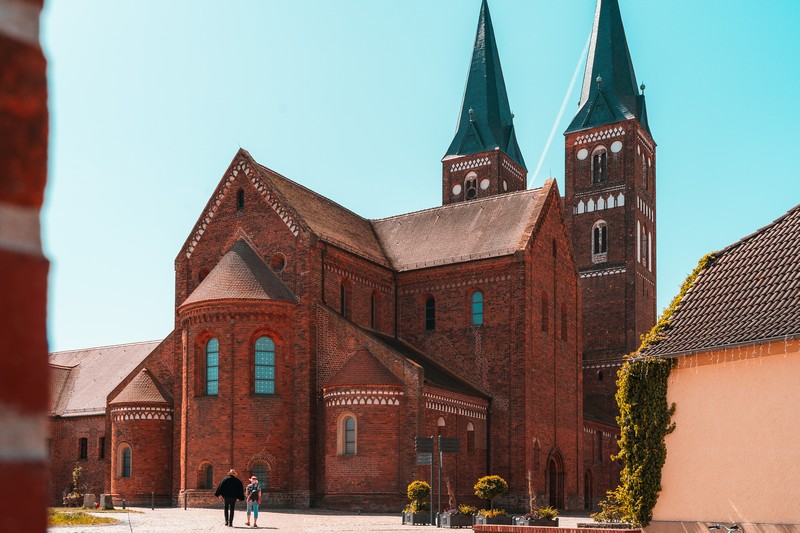
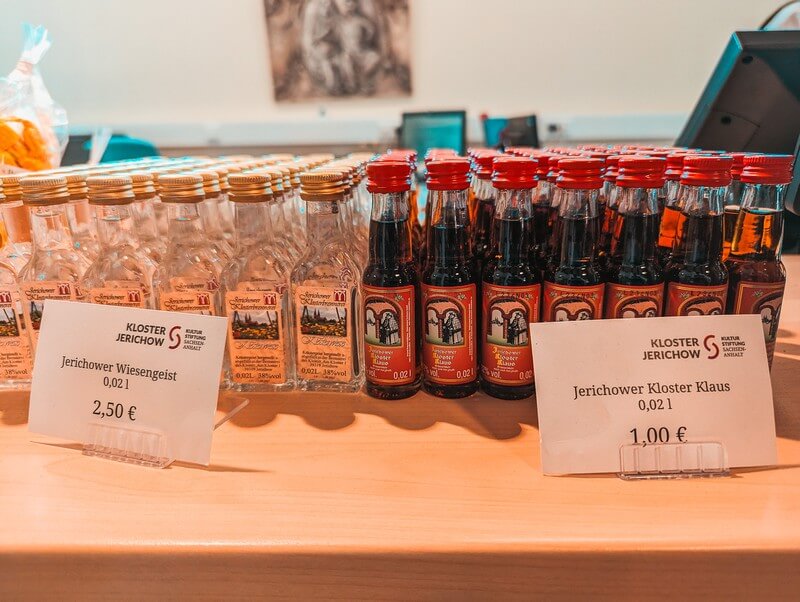
Admission costs €7 and includes the museum and the monastery garden. There, you can learn a lot about how people used to live here.
17. Magdeburg
The final stop on the route is the capital of Saxony-Anhalt. You should definitely visit the Hundertwasser House while you’re there. But of course, there’s much more to discover. Kathleen has written a great post on her blog about how to spend a day there.
If you decide to take the route in the exact opposite direction, you’ll find plenty of tips and activities for the Hanseatic city here:
As you can see, there are lots of great places to discover along the Elbe. Is there anything missing? If so, let us know in the comments.
Tools & services for your trip*
This is what I use on my own road trips.
Book & Plan
My gear
*Disclosure: All links above are affiliate links. If you book through them, I earn a small commission – at no extra cost to you. That's what keeps Travel-Dude free and ad-free. Thank you!

Leave a Reply