

📝 About the Author: Matthias


In my opinion, this hidden gem in NRW (North Rhine-Westphalia) is one of the most beautiful day trips if you’re looking to escape the hustle and bustle of Cologne, Düsseldorf or Wuppertal. Here, you can hike or bike through the stunning natural scenery of the Bergisches Land, discover architectural masterpieces, enjoy the tranquility of the forest, and even learn a bit about the rivalry between Cologne and Düsseldorf. You can find plenty of tips about this getaway in this article.
The area along the Wupper River between Solingen and Remscheid isn’t just beautiful—it’s also very easy to reach from the major cities of Cologne, Düsseldorf, and Wuppertal. You can get here quickly from the Ruhr region, too. Whether you’re traveling on your own or with friends and the whole family, it’s a great place to visit. And the kids are guaranteed not to get bored here.
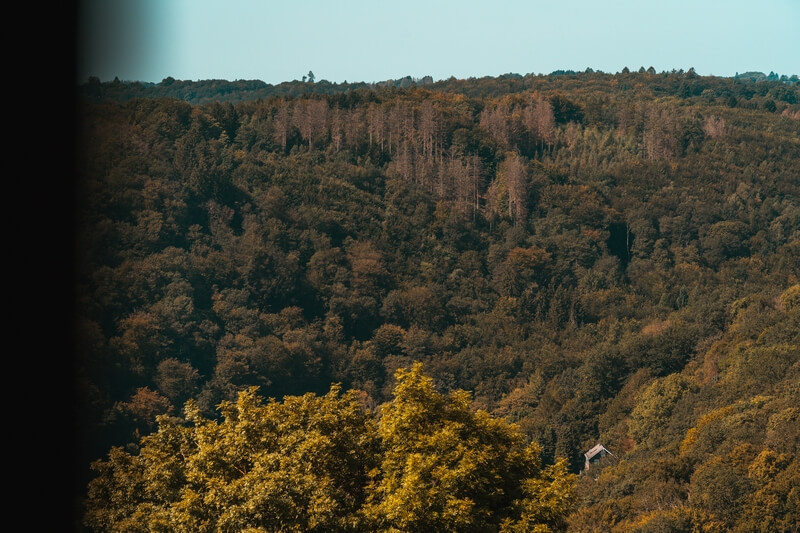
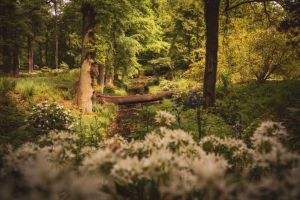
What I loved most of all: When hiking along the Wupper, you can really enjoy the peace and quiet. In many recreational areas around big cities, you can often still hear the dull roar of the highways in the distance. But not here.
Bergisches Land: Hiking or biking?
If you’re a good walker, you can reach all the places described here on a long hike. But you’ll get there faster by bike. So if you have the option of bringing a bike in your car, I recommend doing so. There’s only one spot along the way where you’ll need to pick up your bike and carry it up a flight of stairs.
All the tips from the article are also listed here on the map:
You are currently viewing a placeholder content from Google Maps. To access the actual content, click the button below. Please note that doing so will share data with third-party providers.
More InformationStarting point
You can start this day trip from many different locations. One option is the Müngstener Brücke parking lot on the B229. There are two large parking lots here, but on weekends when the weather is nice, they often fill up quickly during the day. The earlier you arrive, the more likely you are to find a spot.
Another starting point is Solingen-Unterburg. There are also several parking spots right in town, as well as hiking parking lots in the surrounding area.
There are additional paid parking spaces right next to the castle. However, at €1.60 per hour, they aren’t exactly cheap.
The route described in this article starts at the Müngstener Brücke parking lot. If you choose a different starting point, however, it shouldn’t be too difficult to adjust your route.
Müngsten Bridge – Germany’s tallest railway bridge
Just a few steps from the parking lot, you cross the Wupper River via the Napoleon Bridge (Napoleonsbrücke) and find yourself right in the heart of nature.
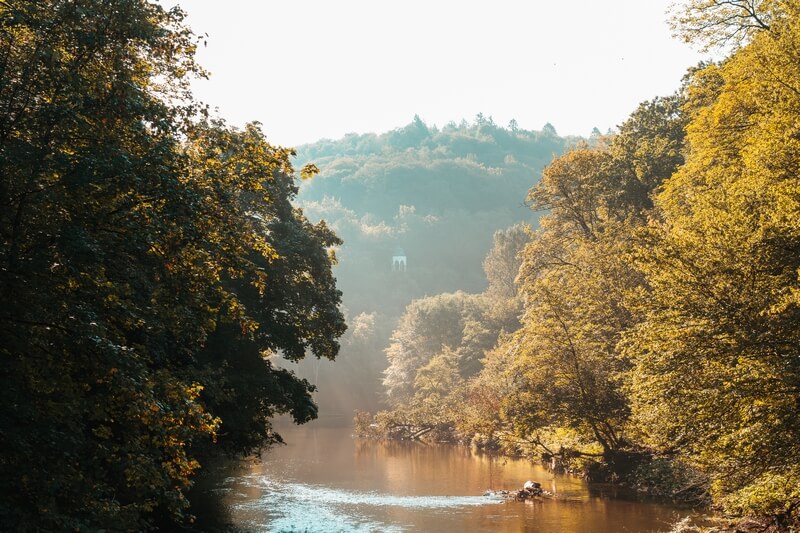
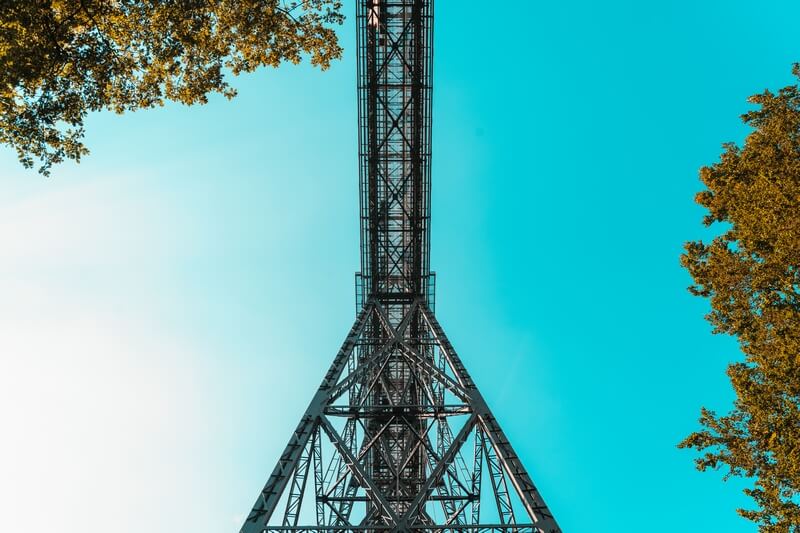
Just a few minutes from the Napoleon Bridge, along the banks of the Wupper, you’ll reach the 106.8-meter-high Müngsten Bridge. This makes it the tallest railway bridge in Germany.
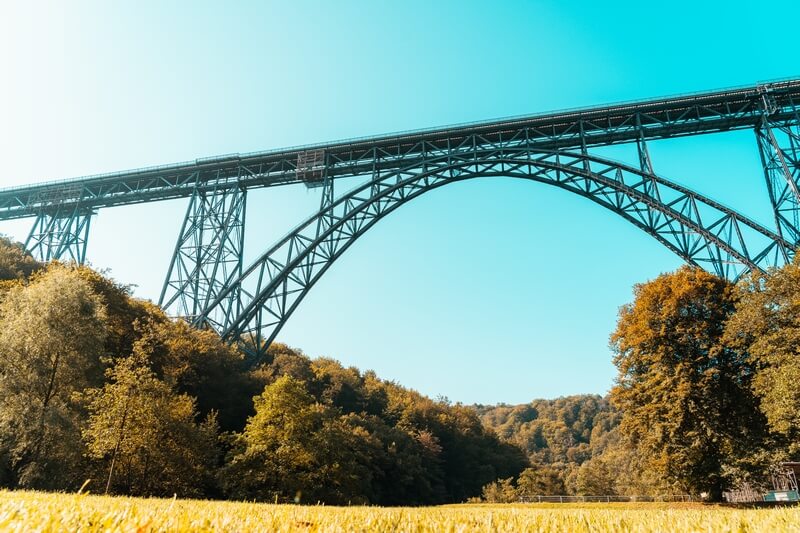
When it was built in the late 19th century, it was considered a technical masterpiece and is also the only major arch bridge of the 19th century. Construction was completed in 1897.
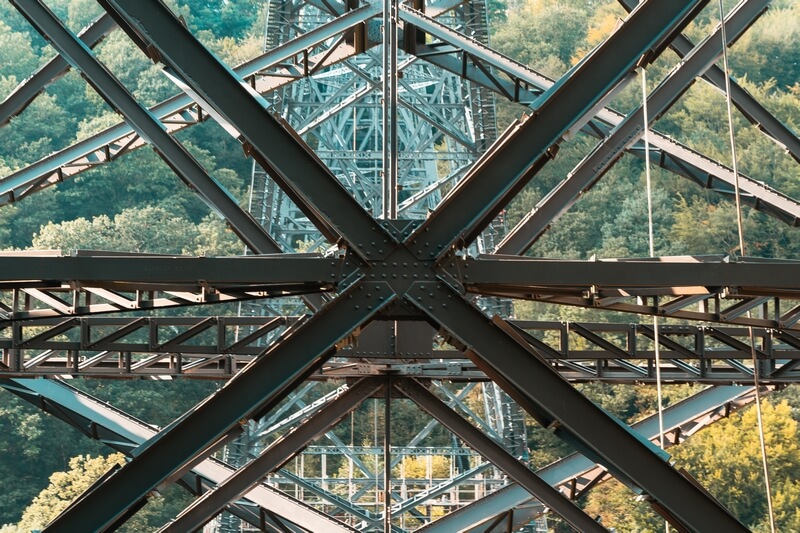
Legend has it that a golden rivet was used during the bridge’s construction. No one really knows for sure if that’s true. At least none has been found yet—not officially, anyway. But feel free to bring a pair of binoculars and see if you can spot the one golden rivet among the 934,456 total. Have fun ;)
By the way, the bridge is still in use. Trains regularly cross the Wupper here.
Müngsten House
Right next to the bridge, you can enjoy a meal at the architecturally striking Haus Müngsten. Brunch is also served here on weekends and holidays.

Climbing Routes on the Müngsten Bridge
If you have a head for heights and don’t mind a little adrenaline rush, then a climbing tour across the Müngsten Bridge is definitely right up your alley.
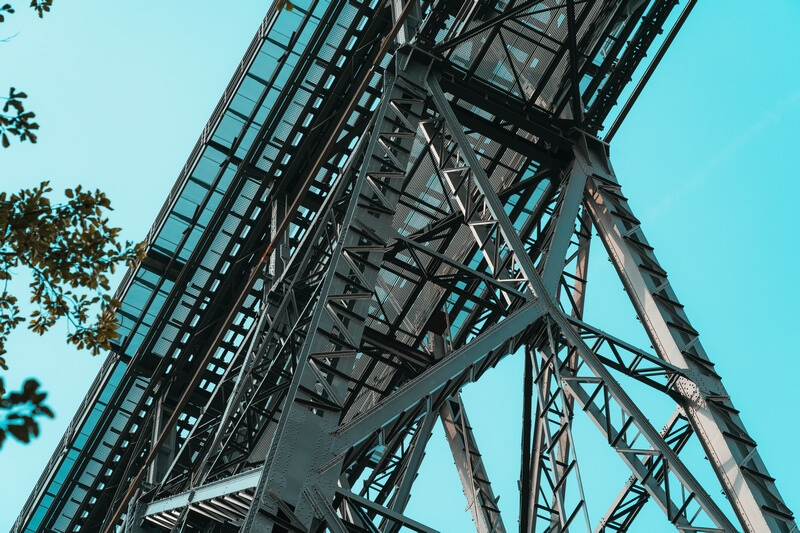
A via ferrata runs across the bridge at a height of about 100 meters, from one end to the other. A staff member from the tour operator Brückensteig is always on hand during the tour.
The tour lasts about 2.5 hours and costs €79 per person. Individual and group photos are included in the price.
Hike along the Wupper River with a suspension ferry
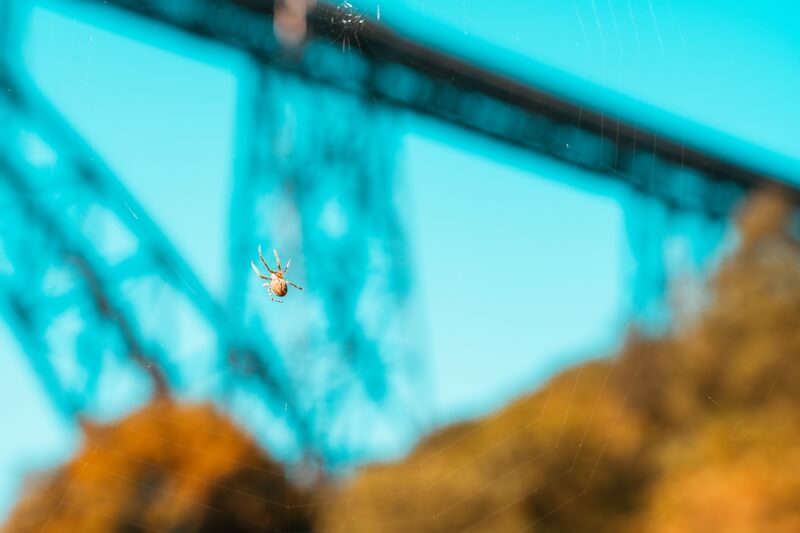
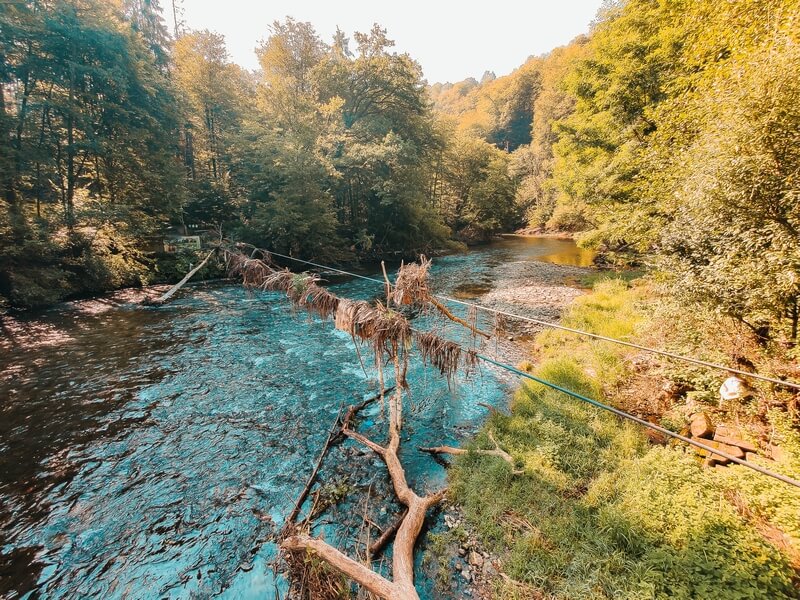
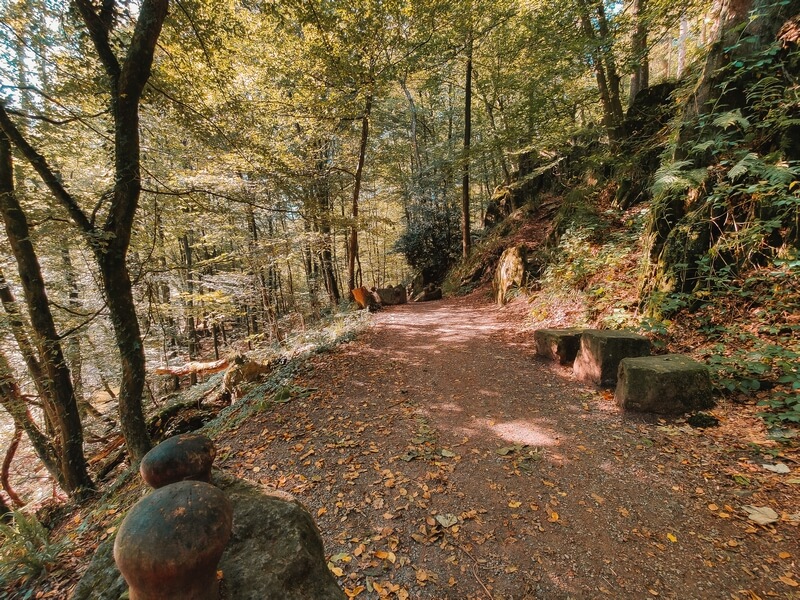
After the Müngsten Bridge, the route continues for 3.5 km along the beautiful banks of the Wupper. You’ll need to cross the Wupper once, either via a pedestrian bridge or, a little earlier, via the suspension ferry.
Burg Castle
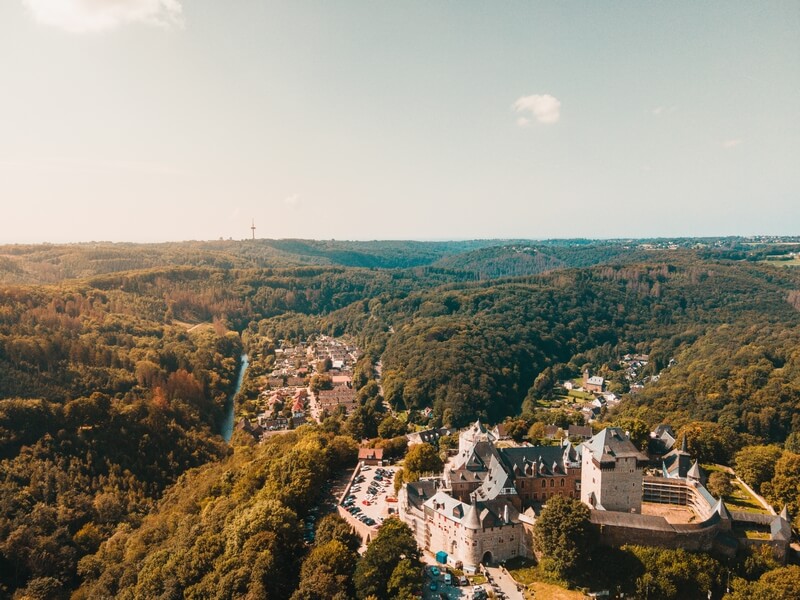
Once you arrive in Unterburg, a district of Solingen, you can already clearly see the imposing castle with the creative name “Burg.”
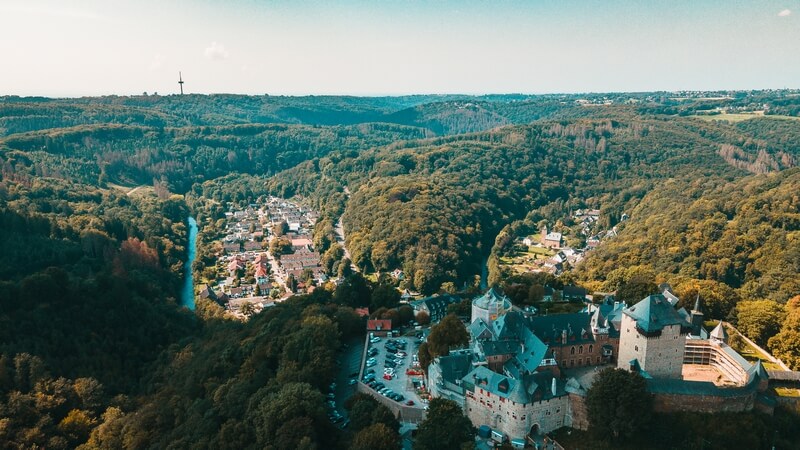
To help you tackle the steep climb to the top, you can grab a bite to eat at one of the restaurants here. If you’re not up for a steep climb, there’s also a cable car that will take you to the top and back down again for €5.
Once you reach the top, don’t skimp on the €5.50 admission fee for the castle. A tour of the exhibition is definitely worth it. There’s a lot to learn here about the medieval history of the Bergisches Land region from the 12th to the 15th century. The exhibition offers plenty of engaging information on key historical events (including lots of games for kids), such as the Battle of Worringen, which is also the origin of the infamous rivalry between Cologne and Düsseldorf.
But what I found especially cool was the panoramic view from the balconies on the top floor of the keep. From up there, you can get a perfect view of both the castle courtyard and the surrounding landscape.
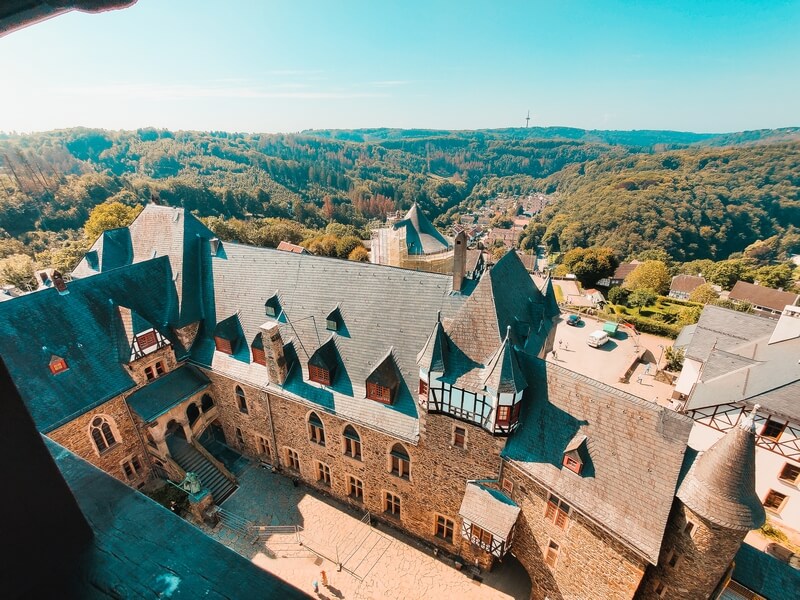
The area around the castle is also very picturesque. You’ll find great restaurants, lots of old half-timbered houses, and plenty of souvenirs.

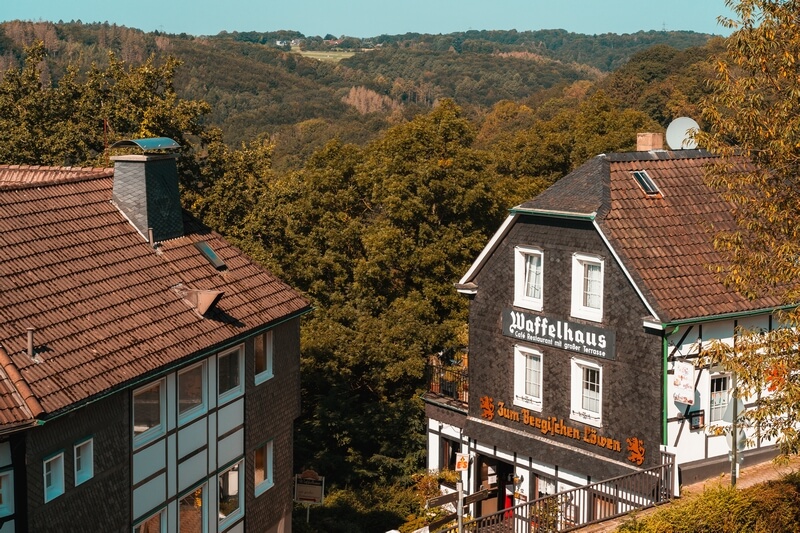
Sengbach Dam
Our exploration of the Wupper isn’t over yet. While most tourists stop at Schloss Burg, we continue walking through the forest to the idyllic Sengbach Dam.
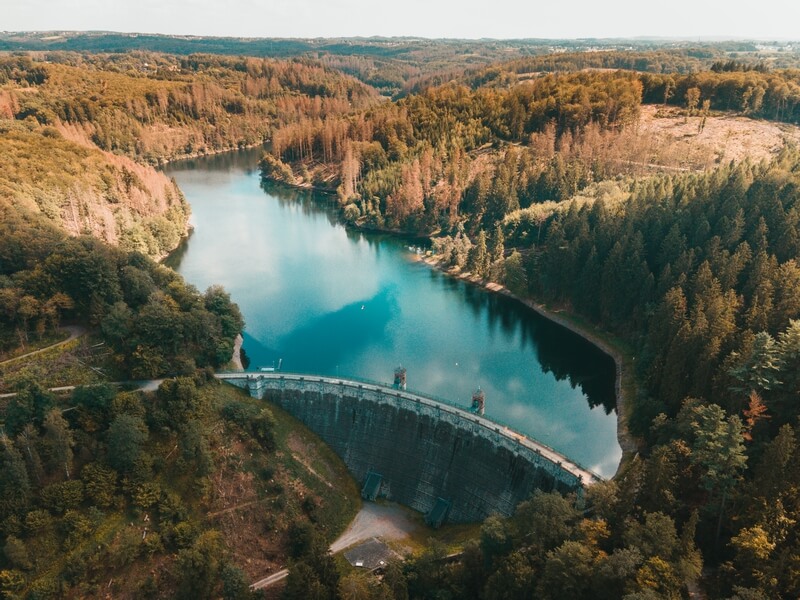
It isn’t very big, but it’s easy to get to and offers plenty of great hiking trails.
Return to the starting point
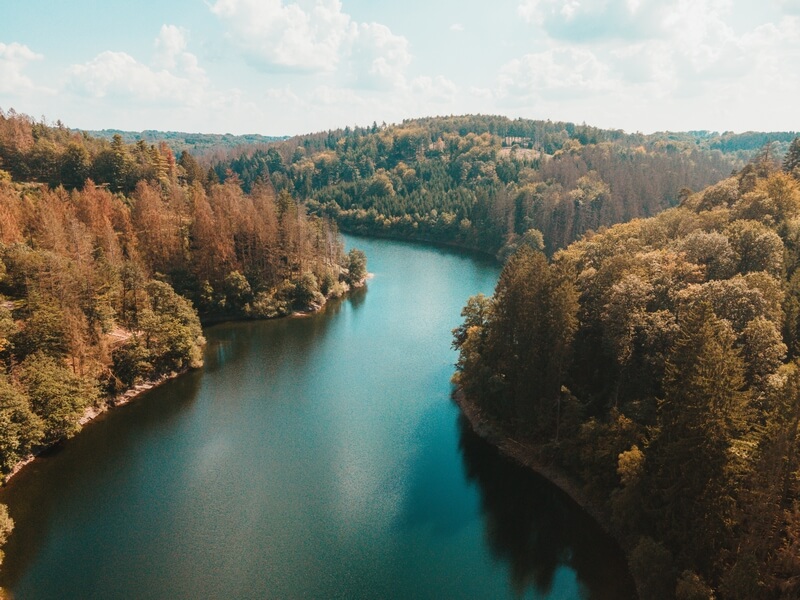
For the way back, I recommend crossing the bridge on Balkauser Weg and then following the hiking trail along the banks of the Wupper from there.
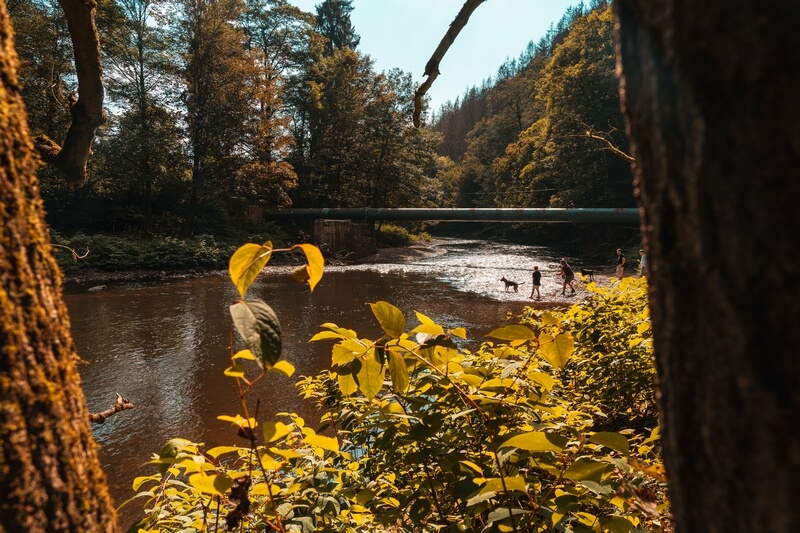
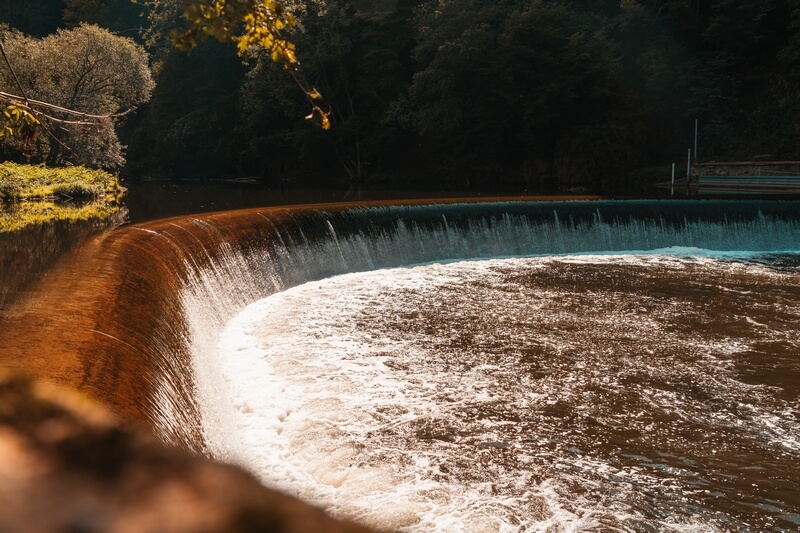
Along this route, there are a few hidden and unexpected spots, such as a small beach with a pipe running across it, or the Wupper Weir, an artificial, rounded waterfall.
For the return trip from Unterburg to the Müngstener Brücke parking lot, I recommend taking the path along the other side of the river. That way, you’ll get to see the bridge from different angles and pass by the Diederichstempel.
Canoeing or kayaking down the Wupper
You can explore the Wupper not only on foot and by bike, but also from the water. There are several companies that offer group kayaking and canoeing tours:
- Wupperkanu – Canoe Tours on the Wupper
- Wupper Canoe Tours – Canoe Tours and Kayak Courses
As you can see, the region around the Wupper River in the Bergisches Land is definitely worth a visit. Have you ever been here yourself? What was your favorite highlight? I look forward to your comment
Tools & services I recommend for your trip:*
📶 Flexible and affordable mobile Internet worldwide
🚁 My drone for aerial photography
🎟 Find and book cool activities
🔒 Secure Internet connection with NordVPN
*Note: These links are affiliate links. If you book through them, I will receive a small commission without it being more expensive for you. A purchase from you via these links helps me to continue offering free content without annoying ads on this website. Thank you for your support! I really appreciate it!

Leave a Reply